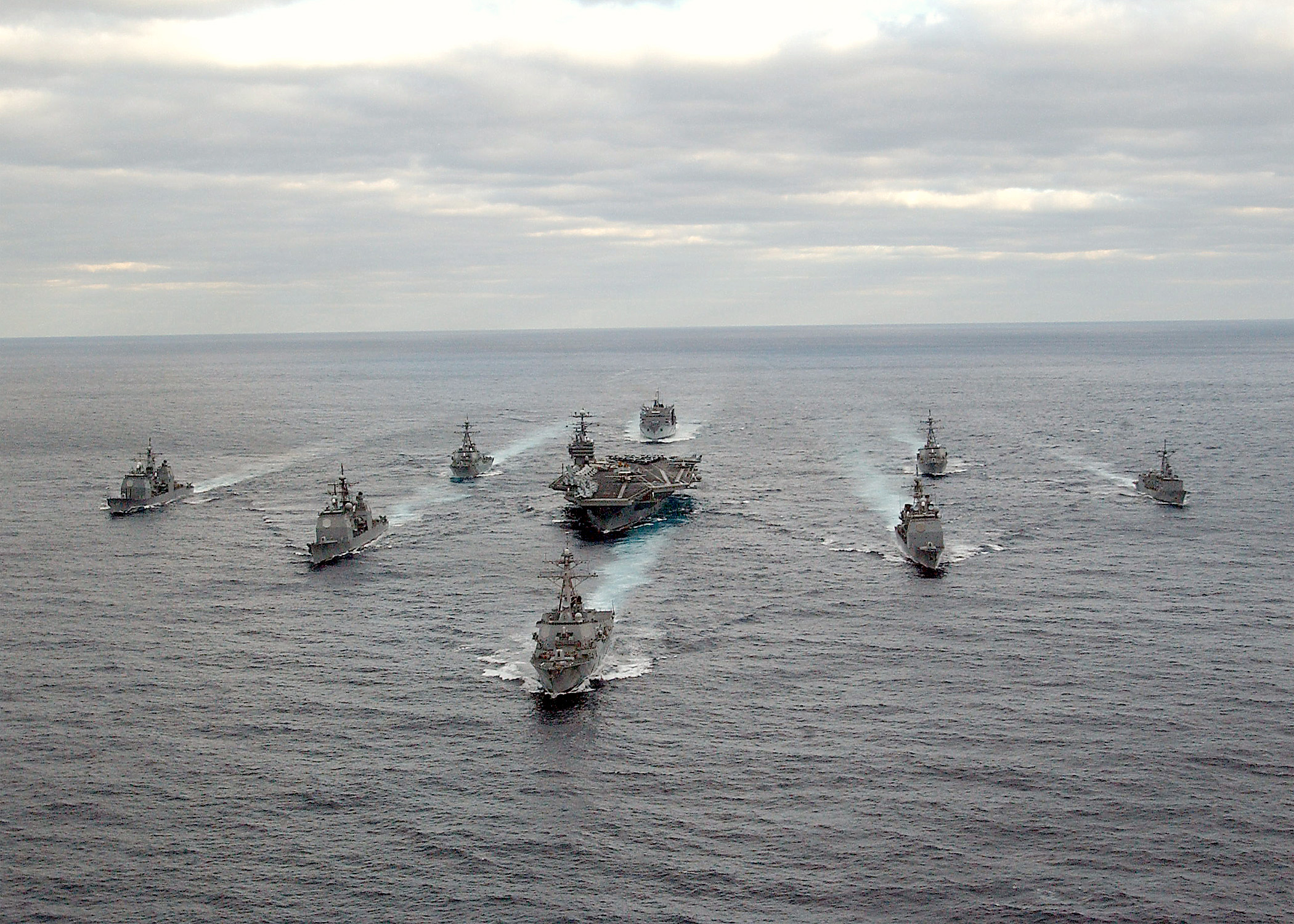
Washington, D.C. — February 14, 2026 — Parliament News — A major US military deployment was confirmed in Washington in 2026 as defense officials authorized the movement of additional naval and air assets toward the Middle East amid rising geopolitical tensions. The expanded US military deployment includes a second aircraft carrier strike group, enhanced missile defense systems, and reinforced surveillance operations, signaling a strategic shift aimed at deterrence and regional stability.
Strategic Reinforcement Announced
Defense officials described the 2026 US military deployment as precautionary, aimed at deterring escalation rather than initiating hostilities. Pentagon briefings emphasized readiness, alliance reassurance, and protection of key maritime corridors.
Military analysts note that visible force posture adjustments often serve as a stabilizing mechanism. The latest US military deployment increases rapid response capability while reinforcing commitments to regional partners.
Officials stressed that operational flexibility remains central to defense planning during periods of uncertainty.
Carrier Strike Groups Lead the Reinforcement
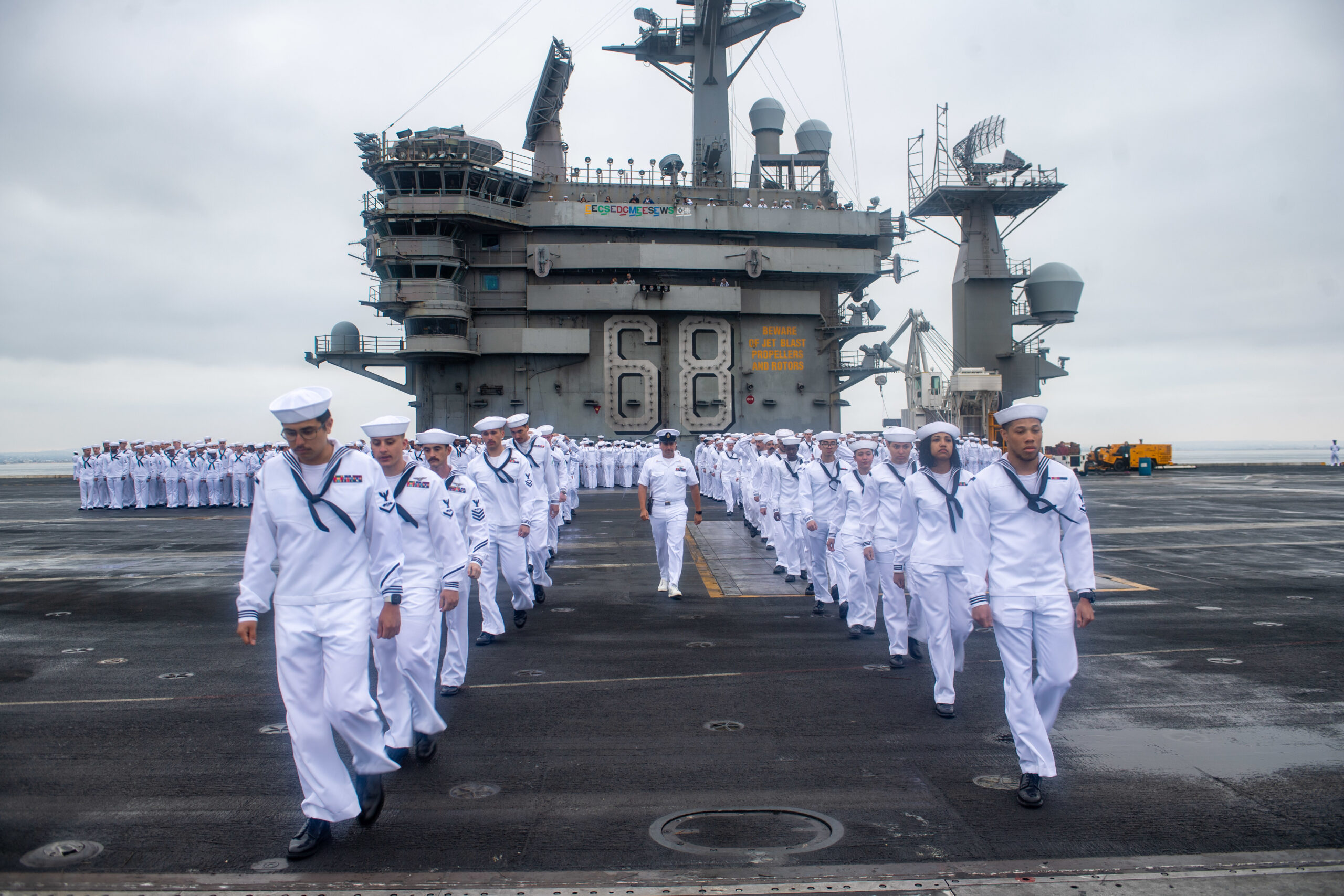
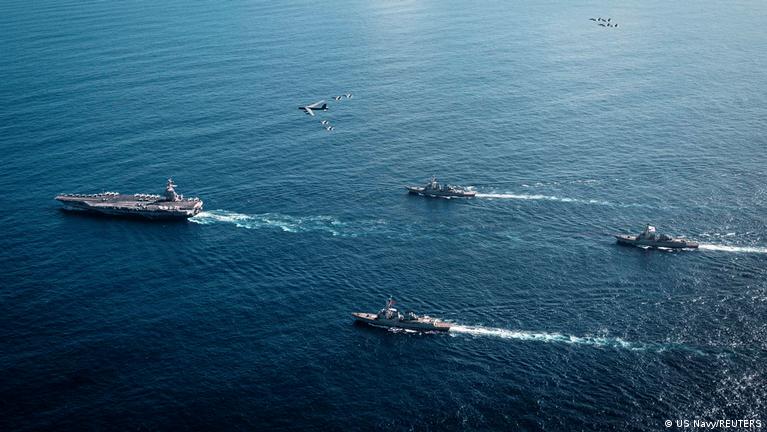
At the center of the expanded posture is the addition of a second aircraft carrier strike group. Carrier strike groups function as mobile airbases capable of sustained air operations without reliance on regional infrastructure.
The reinforced US military deployment strengthens maritime security in strategic waterways, particularly within the Persian Gulf. Naval commanders highlighted that forward positioning enhances surveillance, logistical coordination, and rapid response capacity.
Destroyers equipped with advanced missile systems accompany the carriers, providing layered defense capabilities.
Missile Defense and Air Surveillance Expansion
Beyond naval assets, the US military deployment incorporates additional air and missile defense systems. Patriot batteries and radar installations were activated to expand protective coverage.
Integrated surveillance aircraft and unmanned aerial systems provide real time monitoring. Military planners emphasized that layered defense reduces vulnerability and improves early threat detection.
The defensive architecture supports a broader strategy centered on deterrence through visible readiness.
Diplomatic Signaling and Strategic Messaging
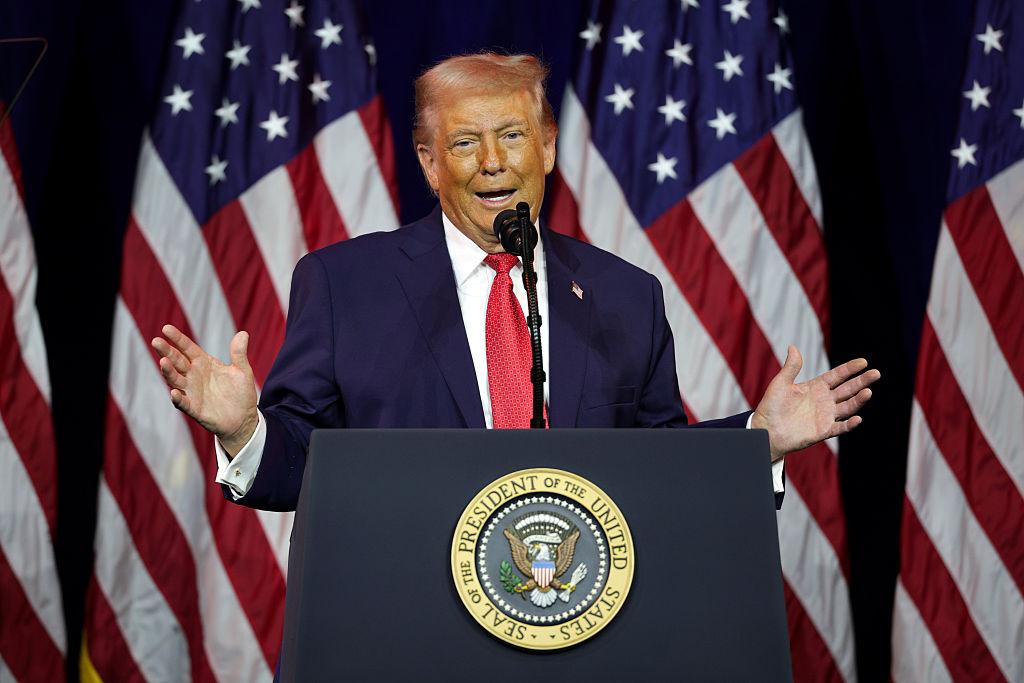
Officials framed the US military deployment as a deterrent signal rather than a precursor to combat. The administration maintains that reinforcement is designed to prevent miscalculation.
One senior defense official stated,
“Our objective is stability through strength, ensuring preparedness discourages escalation.”
This statement reflects the government’s position that defensive posture and diplomatic engagement can operate simultaneously.
Observers note that military positioning frequently shapes negotiation leverage during sensitive diplomatic discussions.
Regional Response and International Reaction
Allied governments in the Middle East expressed cautious support for the expanded US military deployment. Security partnerships remain integral to maintaining regional stability.
European leaders urged de escalation while acknowledging the importance of defense preparedness. Rival states criticized the reinforcement, though no direct confrontations have been reported.
Energy markets reacted modestly following the announcement, reflecting investor sensitivity to regional security developments.
Economic Considerations and Energy Stability
Global energy markets experienced brief volatility after confirmation of the US military deployment. Oil prices stabilized as analysts assessed the likelihood of disruption.
Shipping insurers reviewed risk assessments for vessels operating in strategic maritime corridors. Economic experts emphasize that stability in the region remains critical for international trade continuity.
Financial markets historically respond more dramatically to active conflict than precautionary reinforcement.
Domestic Political Debate
The announcement of the US military deployment prompted discussion within Congress regarding duration, strategic objectives, and fiscal implications.
Supporters argue that visible readiness reduces long term risk by deterring hostile action. Critics question extended overseas commitments and call for careful oversight.
Defense funding for fiscal year 2026 includes allocations to sustain readiness and modernization aligned with expanded operations.
Public opinion remains divided regarding long term military presence abroad.
Technological Integration in Modern Defense
The 2026 US military deployment integrates cyber defense units, satellite reconnaissance, and artificial intelligence driven analytics. Modern military operations increasingly rely on data integration to inform strategic decisions.
Unmanned aerial systems complement carrier based aircraft, expanding surveillance reach.
These technological enhancements illustrate the evolving nature of deterrence strategy in contemporary security policy.
From Gulf War Posture to Contemporary Deterrence
The history of US military deployment in the Middle East dates back to the Gulf War era of the early 1990s. Carrier strike groups became a recurring instrument of regional stabilization during that period.
Throughout subsequent decades, force posture adjustments responded to changing threats, diplomatic negotiations, and alliance commitments. Strategic reinforcements have frequently occurred during periods of heightened tension.
The 2026 US military deployment continues this historical pattern of calibrated reinforcement. Military historians observe that forward positioning often functions as both deterrent and diplomatic leverage.
Past deployments demonstrate that visible readiness can prevent escalation without immediate engagement.
International Law and Strategic Balance
International legal scholars examine military deployments within the framework of collective defense agreements and sovereignty principles. The United States maintains that its reinforcement aligns with established security partnerships.
Diplomatic communication channels remain active alongside force positioning.
Balancing deterrence with negotiation remains central to maintaining long term stability.
Long Term Strategic Outlook for 2026
Defense planners indicate that the duration of the US military deployment will depend on evolving security assessments. Continuous monitoring of regional developments will guide potential adjustments.
Strategists emphasize that deterrence requires careful calibration. Excessive visibility may heighten tensions, while insufficient readiness could invite miscalculation.
Maintaining equilibrium between strength and restraint remains a central challenge.
A Defining Security Moment in Washington 2026
The Washington, D.C. announcement on February 14, 2026 represents a pivotal moment in modern defense posture. The expanded US military deployment underscores a commitment to readiness amid uncertainty.
Allied coordination, economic monitoring, and diplomatic engagement remain integral components of broader strategy.
As 2026 progresses, policymakers will evaluate whether deterrence measures achieve their intended stabilizing effect.
In a complex geopolitical landscape, preparedness continues to serve as a cornerstone of American defense doctrine.