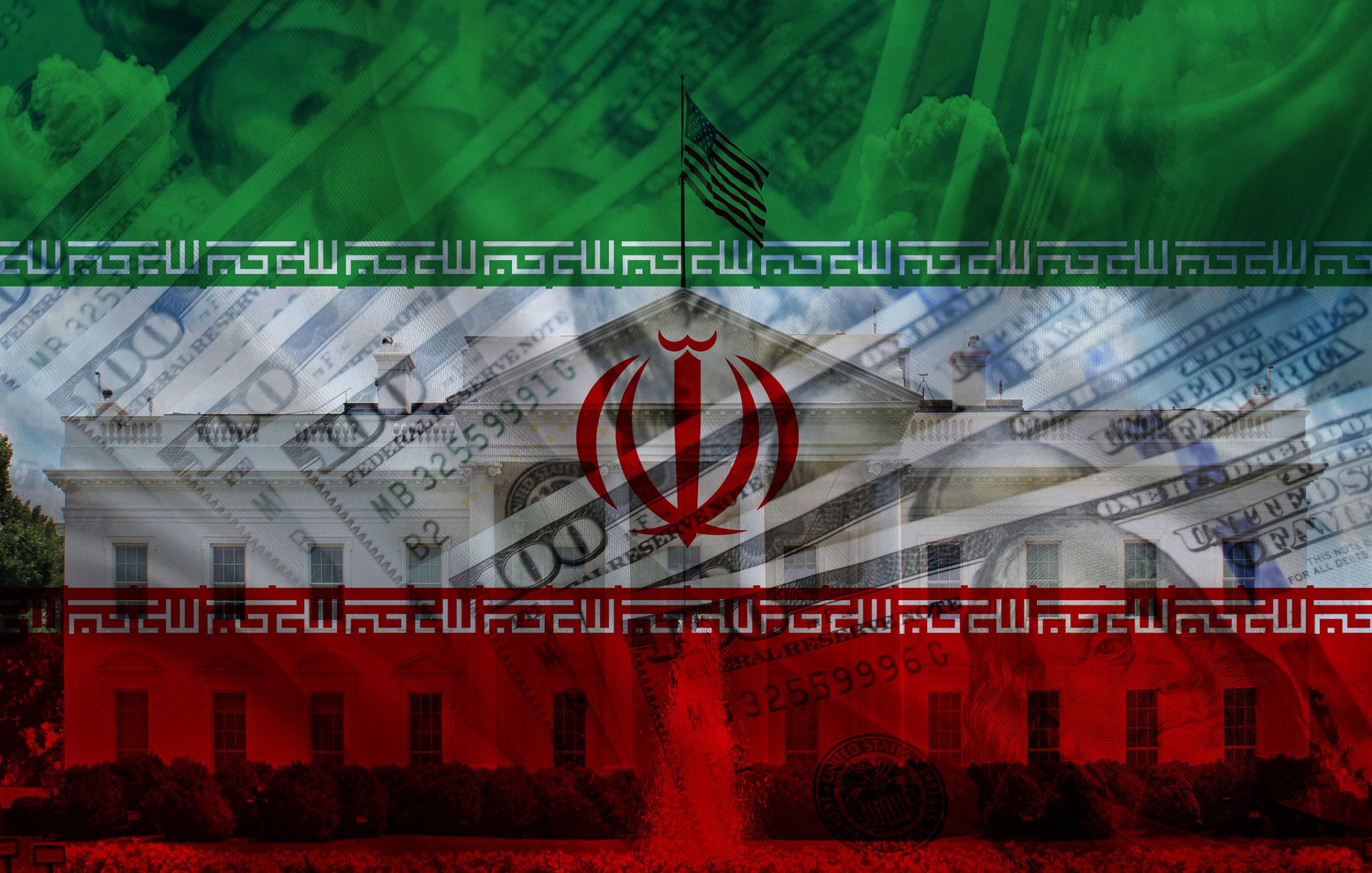
Tehran, January 30 2026 — According to parliament news that Senior officials in Iran have publicly outlined a potential Iran military response amid escalating pressure from the United States, marking one of the most direct warnings issued by Tehran in recent years. The statement reflects a broader shift in tone as diplomatic efforts struggle to contain growing mistrust and strategic rivalry between the two nations.
Iranian leaders stressed that their position remains rooted in defense rather than provocation. However, the clarity of the message signals that Tehran is preparing both domestic and international audiences for the possibility of confrontation if tensions continue unchecked.
Context Behind the Escalation
The latest warning emerges after months of strained relations involving sanctions enforcement, regional security incidents, and stalled diplomatic engagement. Iranian officials argue that sustained pressure has narrowed diplomatic space and increased the risk of miscalculation.
Within this environment, Tehran’s articulation of an Iran military response is seen as an effort to establish clear boundaries while deterring actions viewed as threatening to national sovereignty.
Official Messaging and Strategic Intent
Iran’s leadership carefully framed its position during official briefings, emphasizing strategic patience while underscoring preparedness. Officials stated that Iran does not seek conflict but will not hesitate to defend its interests.
One senior government figure said,
“Iran will act decisively to protect its sovereignty and regional security if its core interests are challenged.”
This message reinforces the notion that any Iran military response would be calculated rather than impulsive, shaped by strategic assessment rather than rhetoric.
Military Readiness and Deterrence Posture
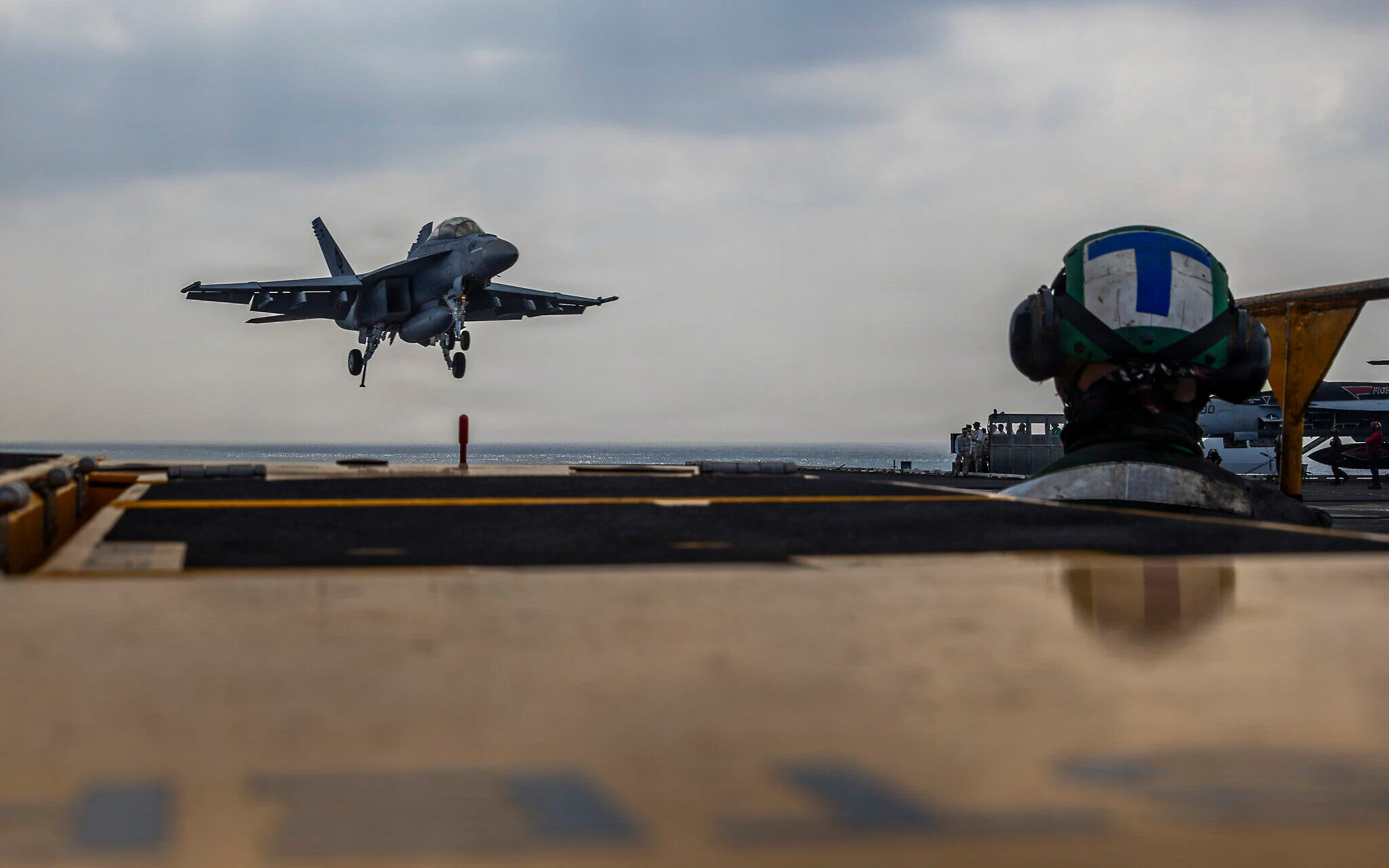
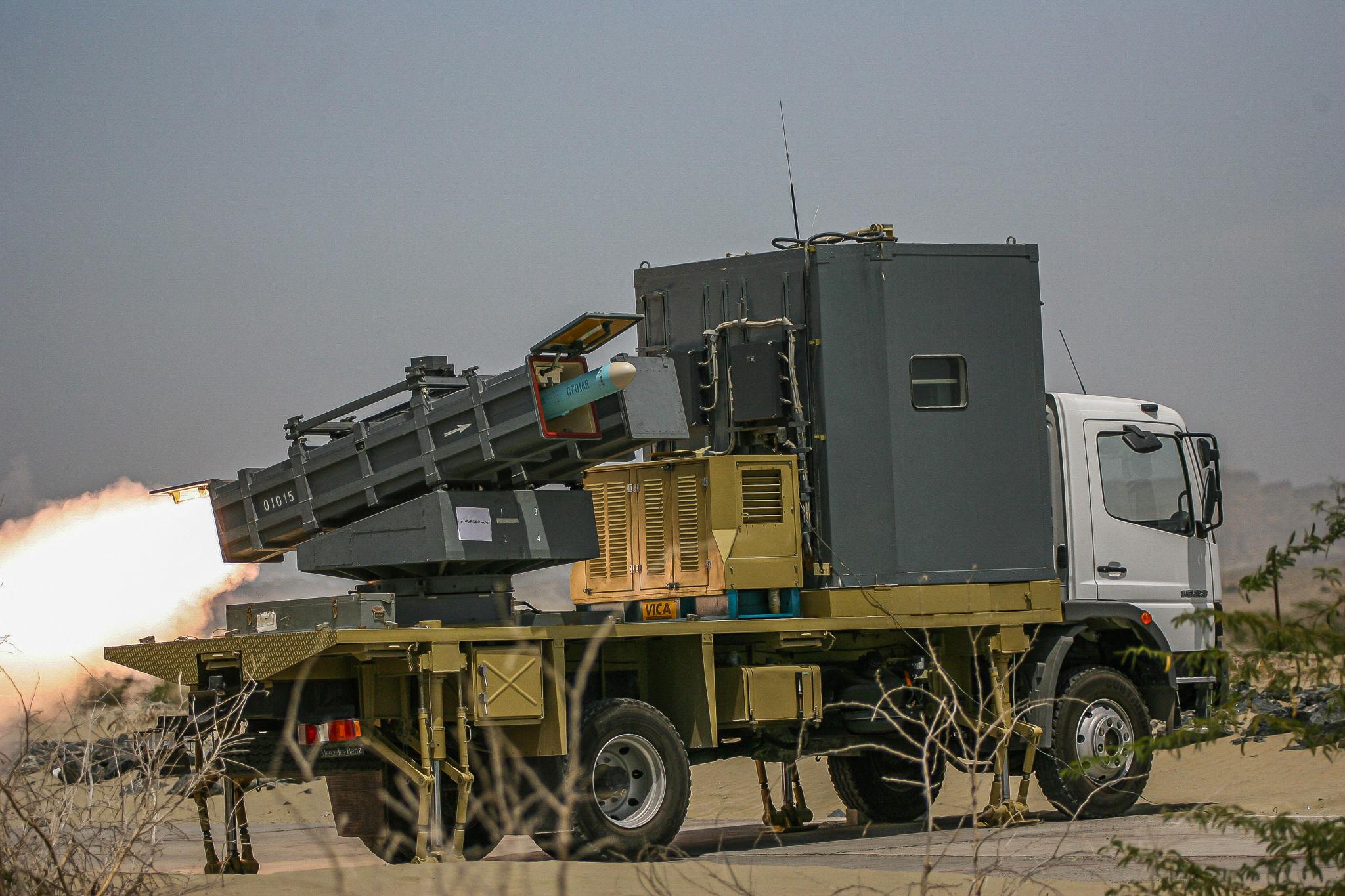
Iran has steadily increased visible military readiness in recent months. Exercises involving naval units, air defense systems, and missile forces have been presented as routine but carry unmistakable signaling value.
Defense analysts note that preparation is central to Iran’s deterrence doctrine. The visibility of these measures supports the credibility of a potential Iran military response, reinforcing the message that Tehran possesses both capability and resolve.
Regional Security Environment
The Middle East remains a complex security landscape where localized tensions can rapidly escalate. Countries across the region are monitoring developments closely, aware that instability between Iran and the United States could affect broader regional dynamics.
Officials in neighboring states have quietly increased coordination and intelligence sharing, mindful that an Iran military response could have implications extending well beyond bilateral relations.
Impact on Diplomatic Engagement
Diplomatic channels remain open but strained. International mediators continue to urge restraint, emphasizing that dialogue remains the most viable path toward stability.
Iranian officials argue that clear warnings are necessary to restore balance to negotiations. The articulation of an Iran military response is viewed by some diplomats as an attempt to reset expectations rather than abandon diplomacy altogether.
Economic and Energy Market Repercussions
Rising geopolitical tension has contributed to cautious sentiment in global markets. Energy analysts highlight the sensitivity of oil prices to developments involving Iran, given the country’s strategic position and influence over critical transit routes.
The prospect of an Iran military response has heightened concerns among investors, particularly those with exposure to energy, shipping, and regional infrastructure.
Global Powers and Strategic Calculations
Major global powers are assessing how developments may alter the strategic balance in the Middle East. Calls for restraint have been issued through diplomatic channels, reflecting concern that escalation could undermine broader international stability.
By publicly outlining an Iran military response, Tehran has ensured that its position remains central to international deliberations on regional security.
Military Doctrine and Long Term Strategy
Iran’s defense doctrine emphasizes layered deterrence and strategic depth. Military planners prioritize flexibility, allowing responses to be calibrated across multiple domains if necessary.
Within this framework, an Iran military response would likely be shaped by timing, scale, and geopolitical context rather than immediate retaliation.
Domestic Messaging and Public Perception
Inside Iran, state media coverage has focused on themes of sovereignty, resilience, and preparedness. Officials have sought to reassure the public that readiness measures are defensive and aimed at preventing conflict rather than inviting it.
The emphasis on a potential Iran military response has been framed domestically as a stabilizing signal rather than an escalation.
Legal and International Considerations
Iranian officials have referenced international law in defending their position, arguing that any response would be consistent with self defense principles. Legal experts note that framing actions within international norms remains important for maintaining diplomatic legitimacy.
This approach suggests that an Iran military response would be accompanied by efforts to justify actions through legal and diplomatic channels.
Risk of Miscalculation
Security analysts warn that heightened rhetoric increases the risk of misunderstanding. Even routine military movements can be misinterpreted during periods of tension, potentially triggering unintended escalation.
The clarity of Iran’s warning is intended to reduce uncertainty, yet the possibility of miscalculation remains a concern as the Iran military response narrative dominates strategic discourse.
Regional Alliances and Proxy Dynamics
The Middle East’s complex web of alliances and partnerships adds further uncertainty. Analysts caution that escalation could activate proxy dynamics, complicating efforts to contain conflict.
Iran’s emphasis on a structured Iran military response suggests an awareness of these risks and an effort to control escalation pathways.
International Diplomatic Efforts Intensify
Multilateral discussions involving regional and global stakeholders have intensified in recent weeks. Diplomatic efforts focus on confidence building measures and communication channels aimed at preventing escalation.
The continued emphasis on an Iran military response underscores the urgency of these initiatives.
Historical Perspective on Escalation Cycles
Past episodes of tension between Iran and the United States offer lessons on escalation and restraint. Analysts point out that clear communication has previously helped avoid direct confrontation.
The current articulation of an Iran military response reflects an attempt to apply those lessons under evolving geopolitical conditions.
Strategic Messaging Beyond the Region
Iran’s warning is also directed at audiences beyond the Middle East. By clarifying its stance, Tehran seeks to influence global opinion and shape narratives surrounding responsibility and restraint.
This broader messaging strategy reinforces the significance of the Iran military response in international discourse.
What Comes Next
As 2026 progresses, observers expect continued volatility alongside diplomatic engagement. The balance between deterrence and diplomacy will shape outcomes in the months ahead.
Whether warnings translate into action or succeed in preventing escalation remains uncertain, but the Iran military response framework now defines the strategic landscape.
A Defining Test of Restraint and Statecraft
This moment represents a critical test for regional and global leadership. The ability to manage tension without triggering conflict will determine whether stability can be preserved.
The future course of the Iran military response will depend not only on military readiness, but on diplomacy, communication, and restraint exercised by all parties involved.