
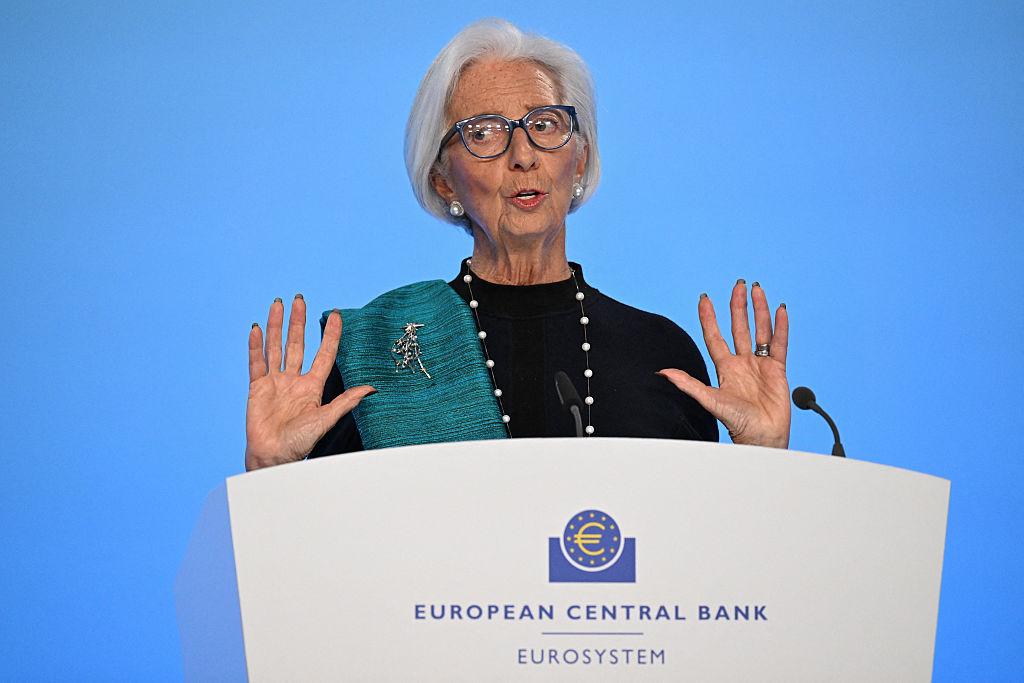
Frankfurt, Germany — February 14, 2026 — Parliament News — The European Central Bank introduced new monetary safeguards in 2026 designed to reinforce euro currency stability as global markets respond to geopolitical tensions, moderating inflation trends, and shifting capital flows.
Officials stated that coordinated liquidity tools and enhanced monitoring systems will protect euro currency stability while preserving the ECB’s long standing commitment to price control and financial resilience across the eurozone.
ECB Announces Strategic Stability Measures
The Frankfurt announcement reflects a proactive effort to maintain orderly market conditions. Policymakers emphasized that safeguarding euro currency stability remains central to supporting economic growth and protecting investor confidence.
The measures introduced in 2026 expand liquidity access for financial institutions and reinforce coordination among eurozone central banks. By strengthening these mechanisms, the ECB aims to secure euro currency stability during periods of external financial stress without deviating from inflation targeting objectives.
Market participants described the initiative as measured and consistent with established monetary strategy.

Expanded Liquidity Framework and Safeguards
A key element of the 2026 strategy involves broadening liquidity facilities that can be activated during market turbulence. These tools allow the ECB to provide temporary funding to financial institutions facing sudden liquidity shortages.
Reinforcing euro currency stability through such mechanisms reduces the likelihood of fragmentation in sovereign bond markets. Officials noted that any intervention will remain targeted and proportionate.
By ensuring that financial institutions maintain access to liquidity, the ECB strengthens euro currency stability while preserving market discipline.
Market Response and Currency Performance
Financial markets reacted cautiously but positively following the policy announcement. The euro posted modest gains against several major currencies, reflecting renewed confidence.
Investors interpret the emphasis on euro currency stability as a signal of institutional readiness. Bond yields across eurozone economies remained contained, suggesting limited market anxiety.
One senior ECB official stated,
“Our responsibility is to ensure euro currency stability while safeguarding the smooth functioning of financial markets.”
This statement encapsulates the institution’s balanced approach, combining vigilance with restraint.
Implications for Global Reserve Allocation
Central banks globally monitor euro currency stability when assessing reserve diversification strategies. A predictable euro strengthens its appeal as a global reserve asset.
Analysts believe the 2026 measures may gradually increase euro denominated holdings among international institutions. Sustained euro currency stability supports deeper integration into global trade settlements and cross border financing.
Emerging market economies particularly value consistency in exchange rate management when allocating reserves.
Inflation Control and Economic Growth Alignment
Maintaining stable exchange rates helps protect consumer purchasing power and reduce import cost volatility. By reinforcing euro currency stability, the ECB aims to provide predictable financial conditions for businesses and households.
Inflation across the eurozone has moderated compared to earlier peaks. Policymakers confirmed that the liquidity safeguards operate alongside, not in place of, inflation control measures.
Growth projections for 2026 indicate steady expansion supported by resilient labor markets and stable domestic demand.
Political Support and Institutional Coordination
European finance ministers expressed support for measures designed to protect euro currency stability. Policy alignment between monetary authorities and fiscal institutions remains essential.
Coordinated communication strengthens investor confidence and reinforces euro currency stability at both domestic and international levels.
Observers note that consistent messaging plays a critical role in reducing speculation and maintaining trust.

Risks and External Economic Pressures
Global supply chain adjustments, energy price volatility, and geopolitical uncertainty continue to present potential risks. The ECB acknowledged that external shocks may influence exchange rate dynamics.
Preserving euro currency stability requires adaptability. Officials emphasized readiness to adjust tools if market conditions deteriorate.
Financial resilience depends on the ability to respond swiftly to emerging risks.
Technological Innovation in Monetary Operations
Modern central banking increasingly relies on data analytics and digital infrastructure. The ECB has upgraded monitoring platforms to provide real time assessment of market conditions.
Enhanced forecasting capabilities support euro currency stability by enabling timely policy decisions. Automation within operational systems improves efficiency and transparency.
Technological modernization reinforces institutional credibility in a rapidly evolving financial landscape.
Lessons Learned from Past Financial Crises
The pursuit of euro currency stability intensified during the eurozone sovereign debt crisis in the early 2010s. Emergency bond purchasing programs and coordinated fiscal reforms strengthened the euro’s institutional foundation.
Subsequent global disruptions, including pandemic driven economic contraction, further refined stabilization tools. Each episode underscored the importance of maintaining euro currency stability through proactive policy responses.
The 2026 framework builds upon those lessons, emphasizing preparedness and continuity rather than abrupt change.
International Financial Outlook for 2026
Global financial institutions welcomed the ECB’s reaffirmation of euro currency stability. Analysts anticipate moderate capital inflows provided inflation remains contained.
Currency strategists expect euro currency stability to remain a focal theme throughout 2026 as geopolitical realignments influence investor behavior.
Steady exchange rate performance enhances predictability in cross border trade agreements.
Long Term Strategic Positioning of the Euro
Strengthening euro currency stability aligns with broader ambitions to elevate Europe’s economic autonomy. A stable currency enhances credibility in international negotiations and supports long term investment.
Institutional reliability fosters sustained investor interest and reinforces confidence among multinational corporations operating within the eurozone.
Observers suggest that strategic continuity rather than dramatic reform will define the ECB’s path forward.
Stability as the Cornerstone of Europe’s Financial Future
The February 14, 2026 announcement from Frankfurt highlights a deliberate and disciplined approach to monetary governance. By reinforcing euro currency stability, the ECB aims to position the euro as a reliable anchor within the international financial system.
Balanced monetary policy, coordinated fiscal discipline, and technological modernization collectively underpin this strategy. As global markets navigate uncertainty, euro currency stability remains central to Europe’s economic architecture.
The 2026 measures demonstrate that resilience in financial systems is built not through abrupt shifts but through sustained reinforcement of credible institutions and prudent policy design.

Europe’s Monetary Credibility Enters a Defining Phase in 2026
As financial markets adjust to shifting global conditions, the ECB’s 2026 measures place renewed emphasis on long term credibility and institutional resilience. Policymakers recognize that maintaining investor trust requires consistency, transparency, and disciplined execution.
The renewed focus on euro currency stability strengthens Europe’s position in international capital markets while reinforcing domestic economic confidence. Analysts suggest that predictable monetary governance remains one of the eurozone’s greatest strategic assets. Continued coordination between fiscal authorities and central banking leadership will shape outcomes in the months ahead.
Global investors are expected to closely monitor inflation data, bond market performance, and exchange rate movements. Ultimately, the effectiveness of current policies will be measured by sustained stability rather than short term fluctuations.