

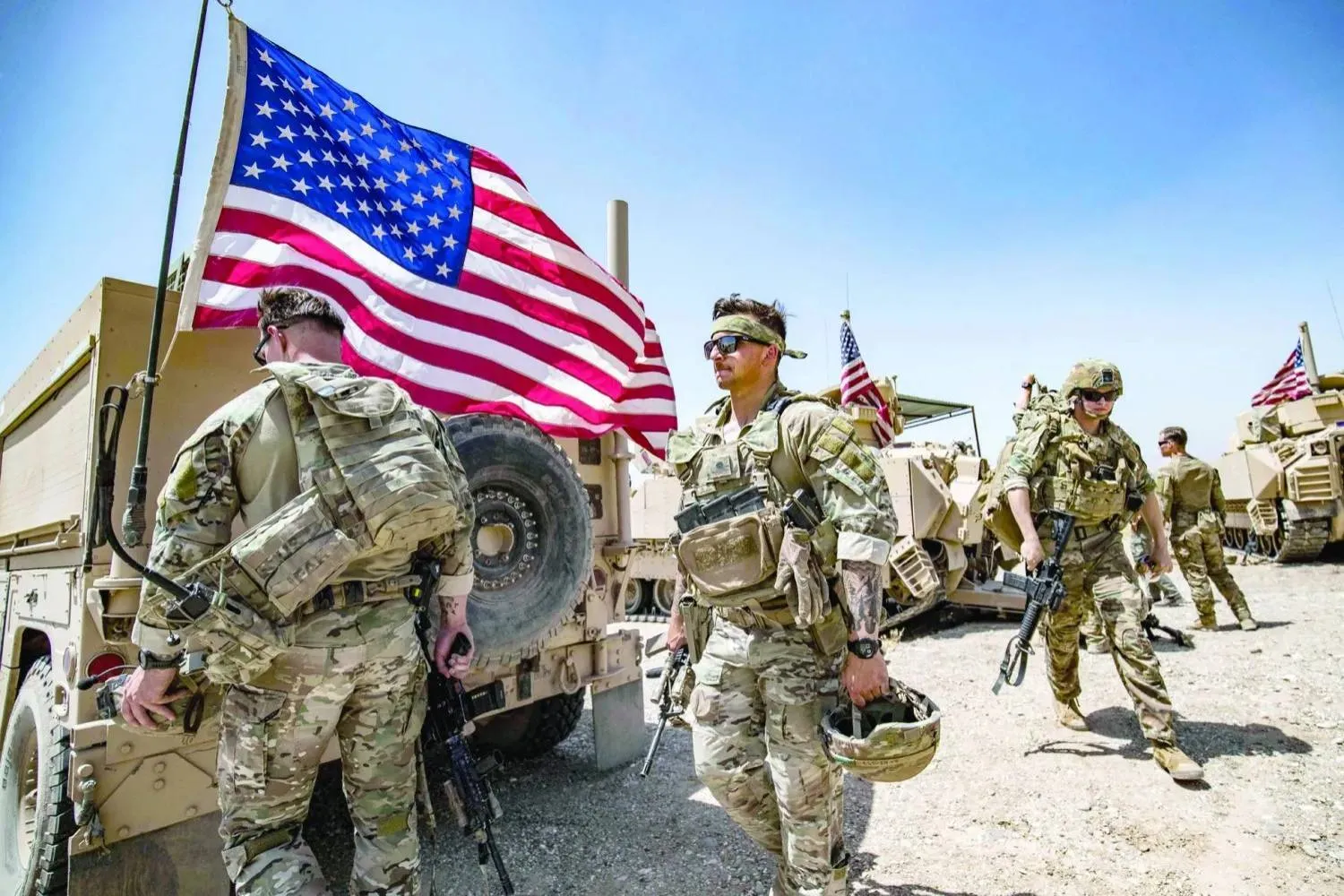
Officials stated that the transition of control at a key installation was carried out through structured communication with external forces operating nearby. These Syria security developments highlight efforts to reduce friction while reinforcing centralized command in an area that has experienced years of complex alignment among local and international actors.
The confirmation of these Syria security developments signals a recalibration rather than an abrupt transformation. Analysts note that stability in northeastern Syria often hinges on incremental shifts, negotiated arrangements, and careful management of competing interests.
Strategic Geography and Operational Significance
Northeastern Syria occupies a unique position within the country’s broader security landscape. Its proximity to border crossings, energy infrastructure, and trade routes has made it central to Syria security developments over the past decade. Control of installations in this region influences supply chains, intelligence monitoring, and territorial oversight.
Military analysts argue that consolidating authority at strategic facilities strengthens logistical efficiency. By centralizing operational management, planners can streamline communication channels and reduce ambiguity in command structures. In this sense, recent Syria security developments represent a practical adjustment aimed at enhancing coordination.
The region’s geography also complicates security planning. Desert terrain, dispersed settlements, and cross border dynamics require flexible strategies. Observers emphasize that sustainable Syria security developments depend not only on territorial control but also on maintaining dialogue among stakeholders.
Coordination and Deconfliction Mechanisms
Structured communication has become a recurring feature of Syria security developments in areas where multiple forces operate in proximity. Deconfliction channels are designed to prevent misunderstandings and accidental escalation.
Officials confirmed that the latest adjustments followed established protocols. These Syria security developments demonstrate how coordination frameworks can function even amid broader political tensions. While geopolitical narratives often dominate headlines, practical security arrangements frequently rely on technical communication between military authorities.
Security experts note that such mechanisms reduce operational risk. In volatile environments, clarity regarding troop movements and base management is essential. The latest Syria security developments underscore the importance of maintaining these channels as part of a broader stability strategy.
Regional Balance and Power Dynamics
Shifts in control inevitably influence the regional balance of authority. Observers describe recent Syria security developments as part of a gradual process of consolidating oversight in northeastern territories.
The recalibration does not eliminate complexity. Local administrations, community leaders, and international actors continue to shape outcomes. Nevertheless, these Syria security developments may alter tactical calculations by clarifying jurisdiction over key assets.
Analysts caution that balance is delicate. Stability depends on avoiding abrupt changes that could provoke uncertainty. Measured implementation of Syria security developments may therefore prove more sustainable than dramatic moves.
Civilian Considerations and Daily Life
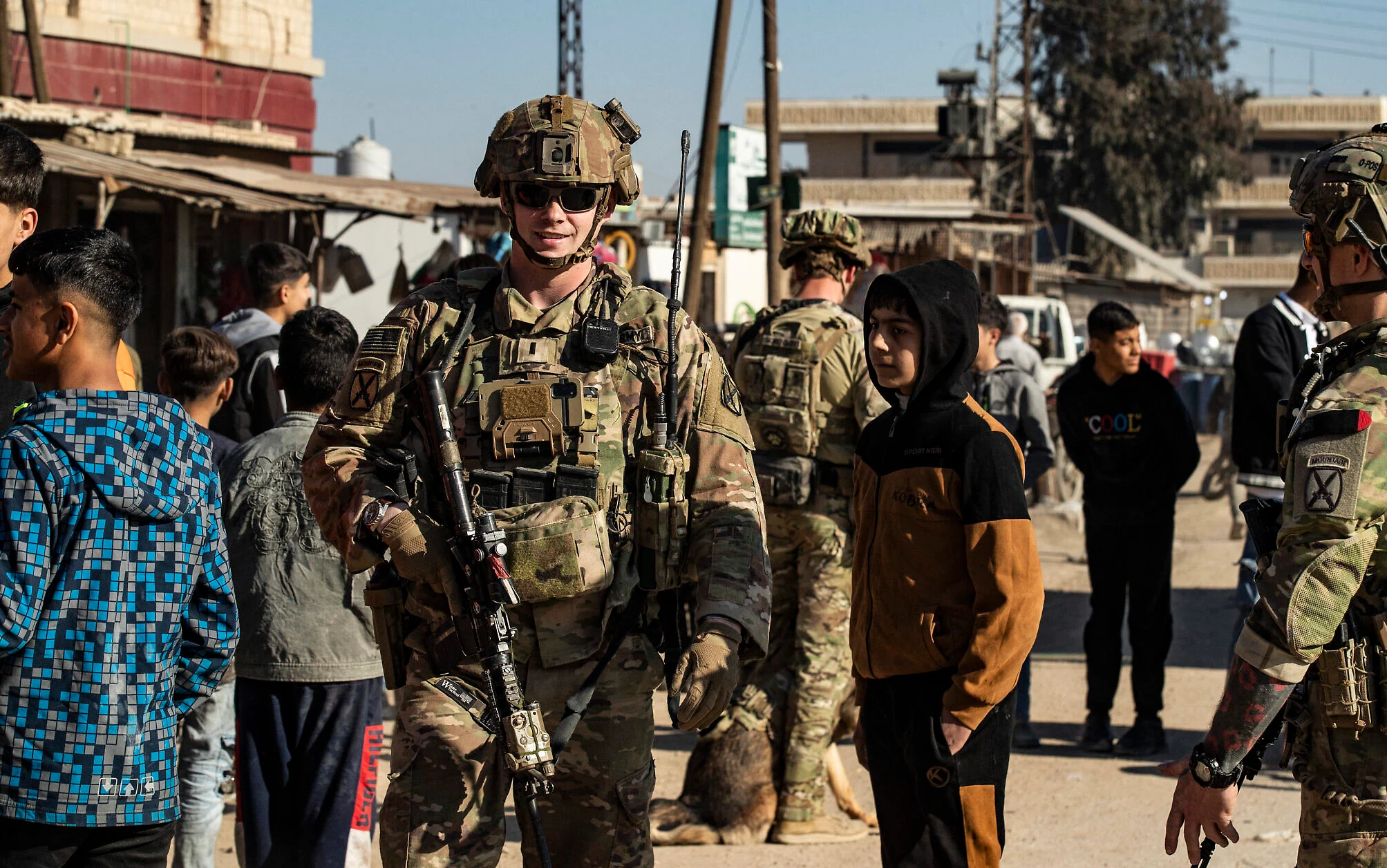
Security transitions affect more than military personnel. Residents living near installations often experience the immediate consequences of Syria security developments through altered checkpoints, patrol patterns, and transportation routes.
Authorities emphasized that essential services would remain operational. Humanitarian organizations are monitoring the situation to ensure that recent Syria security developments do not disrupt access to food supplies, healthcare, or education.
Community engagement plays a crucial role in maintaining calm. When civilians understand the rationale behind security measures, tensions may ease. Transparent communication remains a key component of effective Syria security developments.
Economic Dimensions of Stability
Economic recovery remains intertwined with security outcomes. In northeastern Syria, infrastructure restoration and trade normalization depend on predictable oversight.
Recent Syria security developments may create conditions conducive to investment in reconstruction projects. Stabilized logistics hubs can facilitate transport of goods and humanitarian aid.
However, economic revitalization requires more than secure installations. Broader reforms, access to markets, and international support are equally important. Syria security developments contribute to the foundation upon which economic rebuilding can proceed.
International Reactions and Diplomatic Signals
Global responses to these adjustments have been cautious. Regional governments and international organizations continue evaluating how Syria security developments influence broader counterterrorism cooperation and border management.
Diplomatic observers suggest that transparent coordination reduces the likelihood of misinterpretation. By framing actions within established communication frameworks, authorities aim to reassure partners that Syria security developments are controlled and deliberate.
International actors remain attentive to how these changes affect stability corridors in the wider Middle East.
Historic Comparison
The trajectory of northeastern Syria’s security landscape can be compared to earlier phases of territorial consolidation seen in other post conflict environments. Following periods of fragmentation, gradual integration often replaced abrupt confrontation.
During the post Cold War transitions in parts of Eastern Europe, for example, coordination mechanisms between local authorities and international peacekeeping forces helped reduce tension and establish clearer jurisdiction. Similarly, today’s Syria security developments illustrate how structured communication can shape stabilization pathways.
Historical precedent suggests that sustainable outcomes emerge when security transitions prioritize predictability and dialogue. The comparison underscores that durable stability is typically achieved through incremental adjustments rather than sweeping shifts.
One Expert Perspective
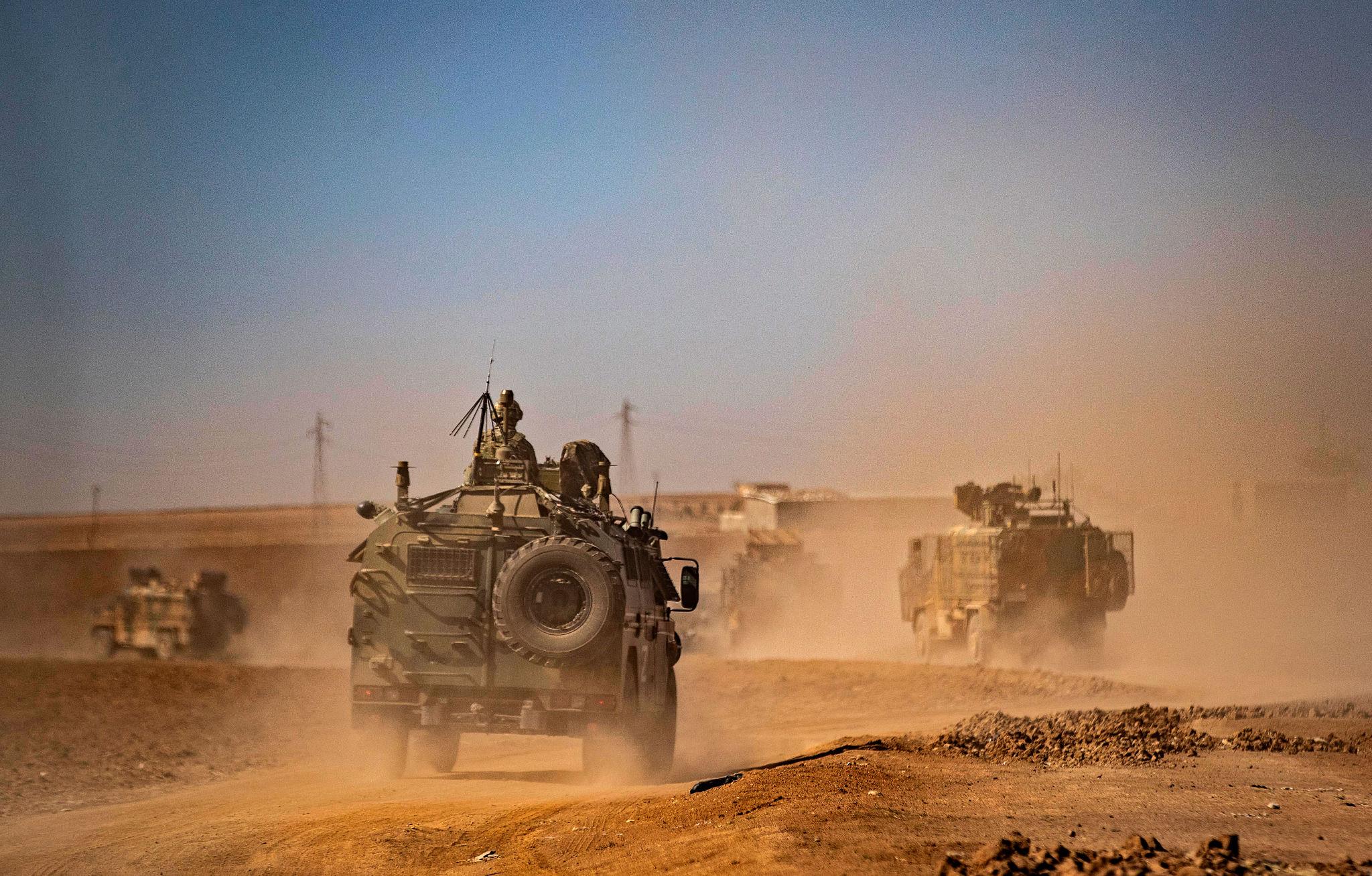
A regional security analyst based in Beirut observed,
“Sustainable stability in northeastern Syria depends less on dramatic announcements and more on consistent coordination.”
The statement captures the cautious optimism surrounding recent Syria security developments and highlights the belief that steady engagement remains essential.
Infrastructure and Operational Readiness
The installation at the center of these Syria security developments contains communication equipment, storage facilities, and logistical staging areas. Securing such infrastructure enhances operational readiness.
Officials indicated that maintenance and upgrades would continue to ensure that recent Syria security developments translate into practical capability improvements. Surveillance enhancements and perimeter reinforcement are reportedly under review.
Operational continuity remains a central objective during this transition period.
The Broader National Context
The country’s recovery efforts continue amid economic strain and reconstruction challenges. Within this environment, Syria security developments play a supporting role in reinforcing governance structures.
Strengthened oversight in northeastern provinces may signal progress toward national integration. However, analysts emphasize that political reconciliation and economic reform remain critical for long term peace.
Security consolidation alone cannot resolve underlying social and economic disparities.
Cross Border Implications
Northeastern Syria’s proximity to international borders introduces additional complexity. Border stability is closely tied to regional trade and migration flows.
Recent Syria security developments may influence coordination with neighboring states. Ensuring clear lines of authority can reduce uncertainty along transit routes.
Diplomatic engagement will likely continue as stakeholders assess cross border implications.
Monitoring and Future Adjustments
Authorities have signaled that monitoring mechanisms will remain active. Ongoing evaluation ensures that Syria security developments respond to evolving conditions.
Security planners may adjust deployment patterns if new risks emerge. Flexibility remains vital in an environment shaped by both local and international dynamics.
Observers anticipate further dialogue aimed at maintaining predictability.
Long Term Outlook for Stability
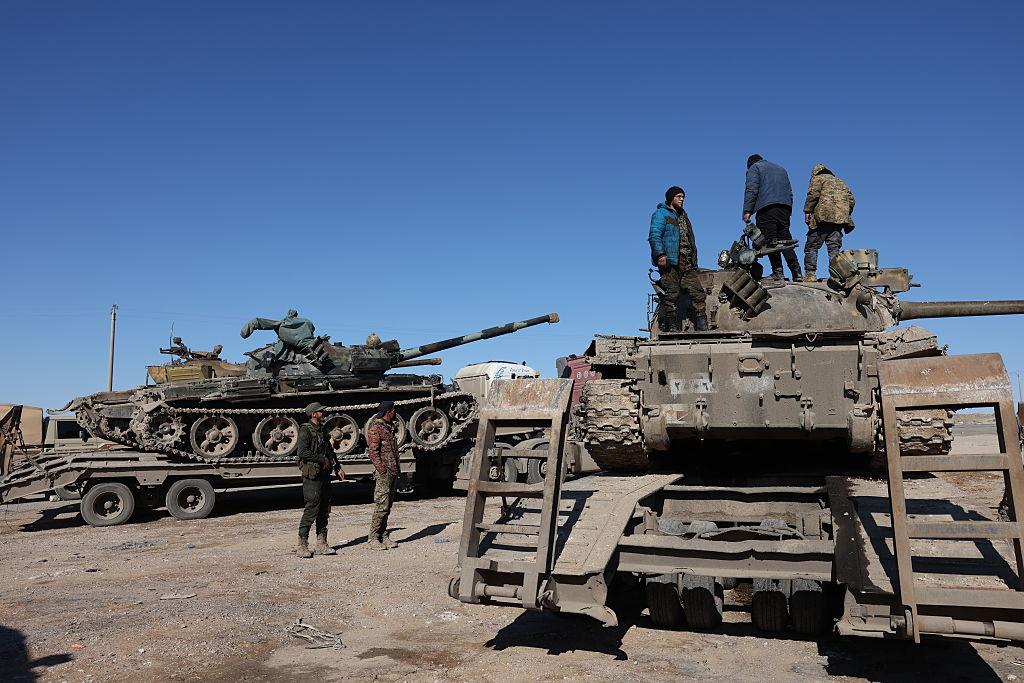
The path ahead depends on sustained engagement. Syria security developments in 2026 represent one chapter in a broader narrative of post conflict adjustment.
Experts agree that stability requires coordinated political, economic, and humanitarian strategies. While territorial consolidation strengthens oversight, durable peace depends on inclusive governance and reconstruction.
A Turning Point in Northeastern Syria
The latest transitions in Hasakah illustrate how deliberate coordination can reshape the security landscape. Syria security developments this year highlight both progress and persistent challenges.
As the region navigates its recovery trajectory, stakeholders face the task of translating operational clarity into lasting stability. The measured pace of recent adjustments suggests recognition that endurance, rather than immediacy, defines successful security strategy.
The coming months will reveal whether these Syria security developments contribute to a broader stabilization arc or require further recalibration. For now, the emphasis remains on continuity, communication, and cautious forward movement within a complex regional environment.