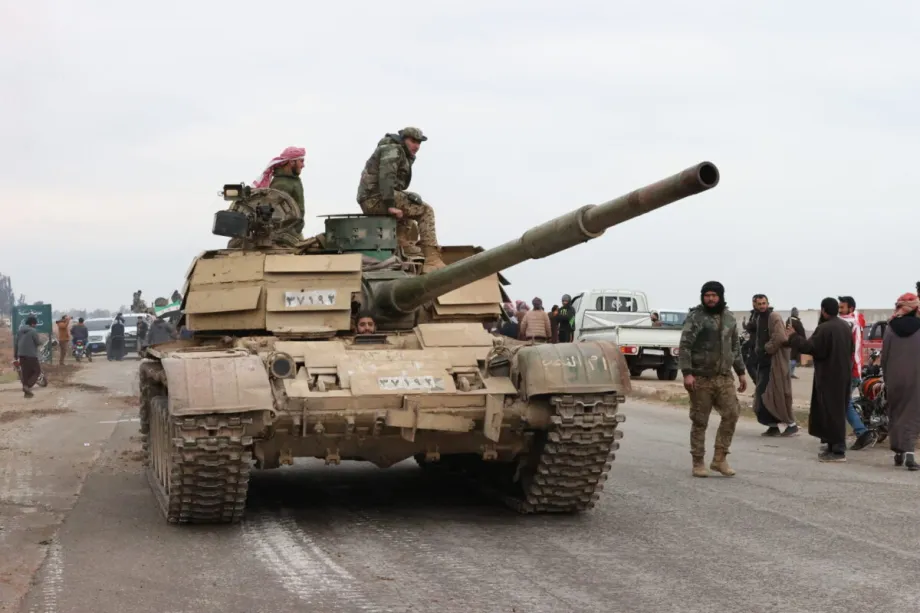
Syria – January 2026. According to parliament news, that authorities across northeast Syria are grappling with rising Syria security risks following a prison break that left dozens of ISIL-linked inmates at large. The incident has forced security agencies into high alert mode, triggered sweeping manhunts, and unsettled communities already weary from years of instability. Checkpoints have multiplied, patrols intensified, and intelligence coordination expanded as officials race to prevent further fallout.
The escape has exposed longstanding weaknesses in detention infrastructure and highlighted the broader challenge of managing extremist detainees in a post-conflict environment still marked by legal uncertainty and limited resources.
The Prison Break That Sparked Alarm
The breach occurred after coordinated unrest inside the detention facility overwhelmed internal security controls. Inmates reportedly damaged surveillance equipment and internal barriers, creating openings that allowed groups to flee amid confusion. Guards struggled to regain control as multiple sections of the facility were compromised.
As news of the escape spread, Syria security risks escalated rapidly. Reinforcements arrived within hours, but the inmates had already dispersed, forcing authorities to widen search operations across urban neighborhoods and rural terrain.
Why the Escape Matters Beyond Hasakah
The prison break is not viewed as an isolated incident. Detention centers across northeast Syria hold thousands of suspected extremists, many with combat experience and ideological ties to militant networks. Any breach raises concerns that escapees could rejoin dormant cells or inspire further unrest.
Security analysts warn that Syria security risks extend far beyond the immediate area. The presence of escapees at large creates opportunities for recruitment, logistics, and propaganda that could destabilize neighboring provinces or spill across borders.
Detention Facilities Under Sustainedain
Years of conflict have left detention infrastructure overstretched. Many facilities were never designed for long-term incarceration of high-risk detainees, yet they now house large populations under difficult conditions.
Experts say Syria security risks are compounded by overcrowding, insufficient training, and limited funding. These pressures reduce resilience during crises and increase the likelihood that disturbances can escalate into full-scale breaches.
Manhunts and Security Operations Intensify
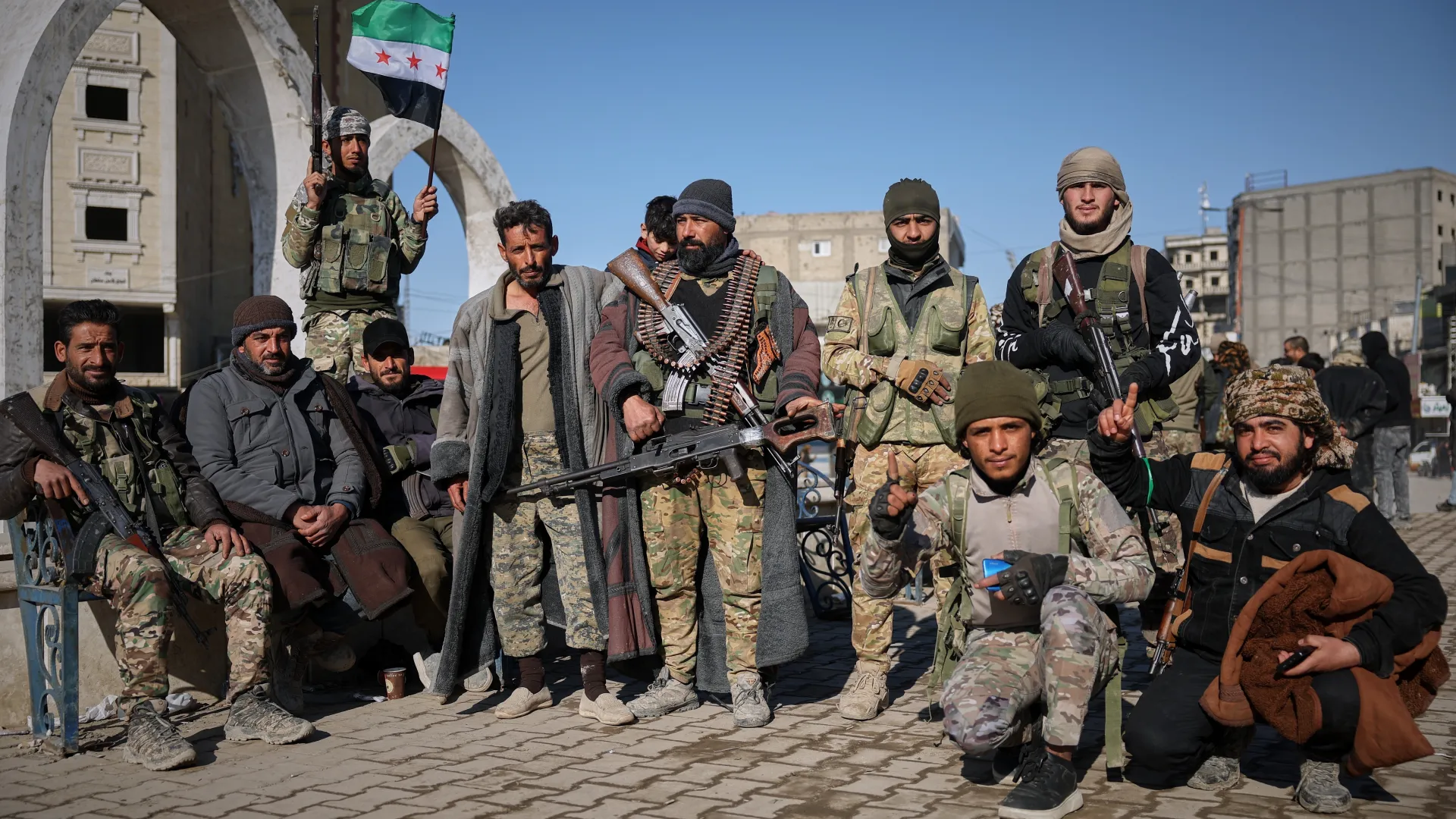
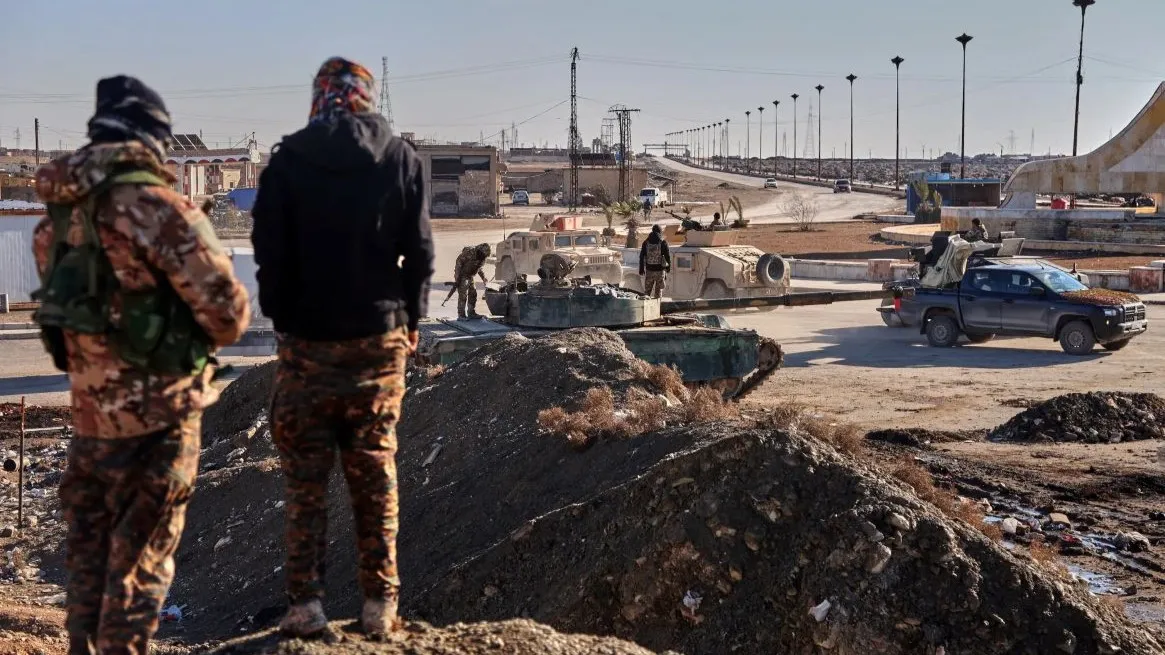
In response, security forces launched coordinated manhunts involving ground patrols, intelligence-led raids, and aerial surveillance. Roadblocks were erected on major routes, while border monitoring was tightened to prevent escapees from leaving the region.
Officials believe containing Syria security risks depends on swift apprehension before fugitives can regroup. Authorities have urged civilians to report suspicious activity while avoiding confrontation.
Impact on Civilian Life
The escape has disrupted daily life in Hasakah and surrounding towns. Schools closed temporarily, markets reduced hours, and residents limited movement amid fears of militant activity.
Community leaders say Syria security risks have taken a psychological toll, reviving memories of past violence. Visible patrols and regular briefings were introduced to reassure the public and counter rumors spreading online.
Regional and Cross Border Concerns
Neighboring regions have increased alert levels, concerned that escapees could attempt to cross borders using smuggling routes or forged documents. Infrastructure sites and population centers deemed vulnerable have received additional protection.
Analysts caution that Syria security risks could widen if militants exploit gaps in coordination between regional actors. Cross-border intelligence sharing is now viewed as critical to preventing escalation.
International Attention and Diplomatic Pressure
The incident has drawn renewed scrutiny from international partners. Governments with nationals among the detainees are under pressure to address repatriation and legal accountability.
Diplomatic sources note that Syria security risks may accelerate discussions on shared responsibility, including prosecution, rehabilitation, or resettlement options. Without international cooperation, detention challenges are likely to persist.
Legal Limbo and Governance Challenges
Many detainees have been held for years without trial, fueling frustration and unrest inside facilities. Legal ambiguity complicates both security management and humanitarian oversight.
Observers argue that Syria security risks cannot be resolved through force alone. Clear legal frameworks are needed to reduce tensions and prevent detention centers from becoming chronic flashpoints.
Humanitarian Dimensions
Heightened security has temporarily disrupted aid delivery near the prison. Families dependent on assistance faced delays as movement restrictions were imposed.
Humanitarian groups stress that Syria security risks must not lead to collective punishment. Maintaining access to food, healthcare, and education is essential to prevent further destabilization.
Information and Public Trust
In the hours following the escape, misinformation spread rapidly across social media. Authorities responded with regular updates to counter false claims and calm public fears.
Analysts say transparent communication is vital to managing Syria security risks, as unchecked rumors can undermine trust and hinder security operations.
A Single Voice From the Security Sector
One senior regional security official said,
“When detention systems fail, the danger does not stay behind bars, it spreads into the streets and beyond.”
The statement reflects the broader stakes involved.
Economic Consequences for the Region
Heightened security has affected trade and transport. Delays at checkpoints and restricted movement have hurt local businesses already struggling to recover from years of conflict.
Economists warn that prolonged Syria security risks could deepen economic hardship, creating conditions that militant groups may seek to exploit.
Youth and the Risk of Radicalization
Young people living near detention facilities face disrupted education and limited opportunities. Prolonged instability increases vulnerability to extremist narratives.
Social workers emphasize that reducing Syria security risks requires investment in education and psychosocial support alongside enforcement measures.
Lessons From Past Incidents
Previous prison-related incidents in the region show how quickly unrest can escalate if warning signs are ignored. Delayed responses have often led to prolonged violence.
Security experts argue that addressing Syria security risks now could prevent more severe crises later, provided lessons are acted upon.
What Comes Next for Detention Policy
Authorities are reviewing detention strategies, including infrastructure upgrades, staffing increases, and improved emergency protocols. International assistance is being sought to support reforms.
Officials acknowledge that preventing future incidents linked to Syria security risks will require sustained commitment rather than short-term fixes.
A Defining Test for National Stability
The Hasakah prison break has become a test of Syria’s capacity to manage post-conflict security challenges. The outcome will influence perceptions of stability nationwide.
How leaders address Syria security risks in the coming months may shape future international engagement and support.
Hasakah and the Path Forward
As operations continue, Hasakah stands at a crossroads between containment and reform. Restoring confidence will depend on securing detention facilities, resolving legal uncertainty, and supporting affected communities.
The response to rising Syria security risks will ultimately be judged not only by arrests made, but by whether durable systems emerge to prevent similar crises in the future.