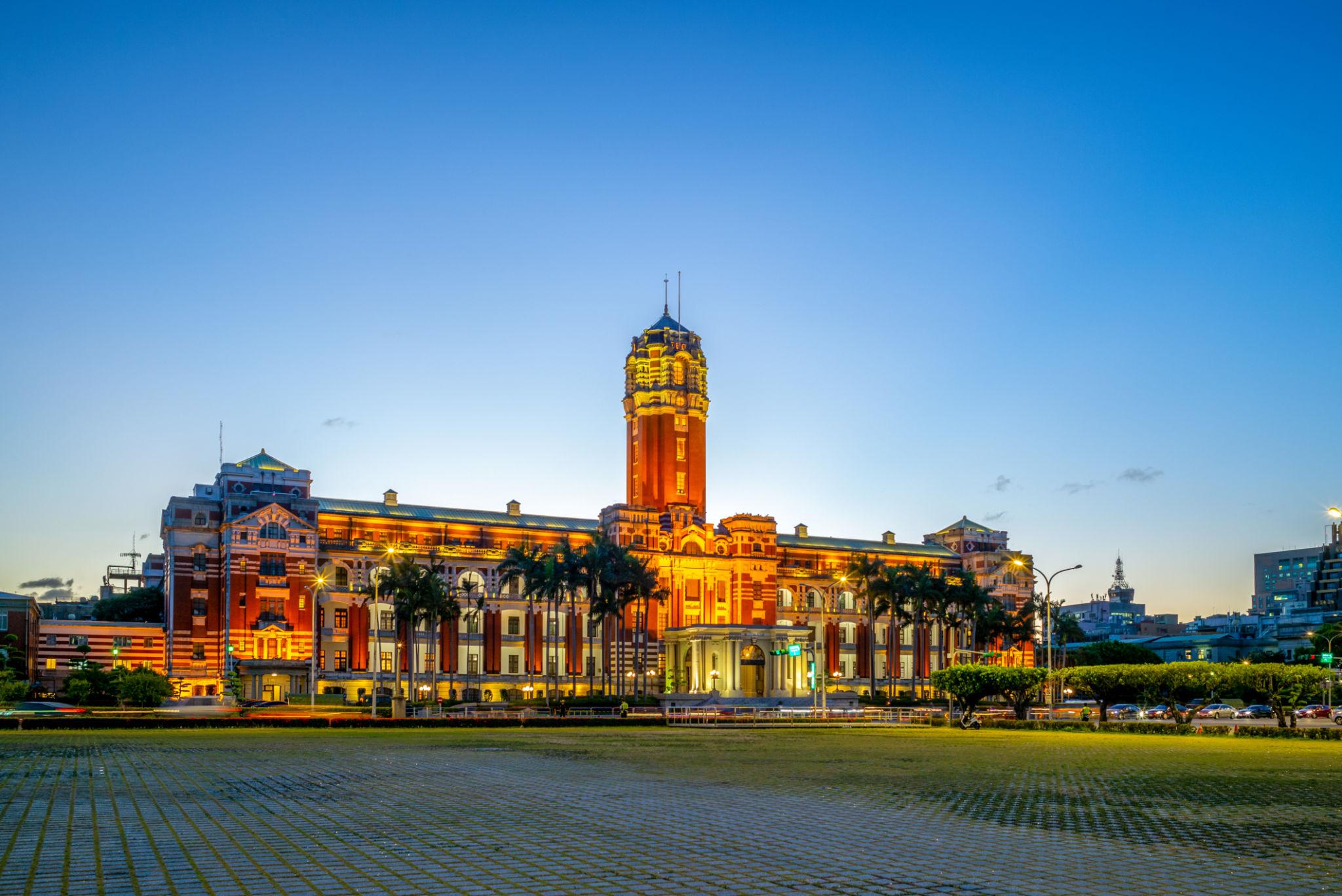
TAIPEI, February 15, 2026 — According to Parliament News, that Taiwan security policy took center stage in Taipei in 2026 as national leaders used the Lunar New Year platform to outline expanded defence reforms, modernization priorities, and a carefully calibrated regional strategy. The address placed national readiness at the forefront of governance, linking deterrence to stability and emphasizing that long term peace depends on credible preparation.
The message delivered from the Presidential Office combined tradition with strategic clarity. In a region marked by heightened geopolitical competition, Taiwan security policy is being presented as both a shield and a stabilizer. Officials stressed that strengthening defensive capabilities is not about provocation but about preserving democratic continuity, economic confidence, and regional calm.
Government representatives indicated that 2026 will be a year of consolidation rather than dramatic change. The roadmap reinforces existing defence planning frameworks while accelerating reforms designed to enhance resilience. Analysts describe the speech as firm yet measured, signaling continuity in doctrine while adapting to evolving security conditions.
Strategic Framework for 2026
The foundation of Taiwan security policy rests on deterrence, preparedness, and institutional resilience. Authorities emphasized that these pillars are interconnected. Deterrence requires credible capability. Capability requires modernization. Modernization requires sustainable funding and public support.
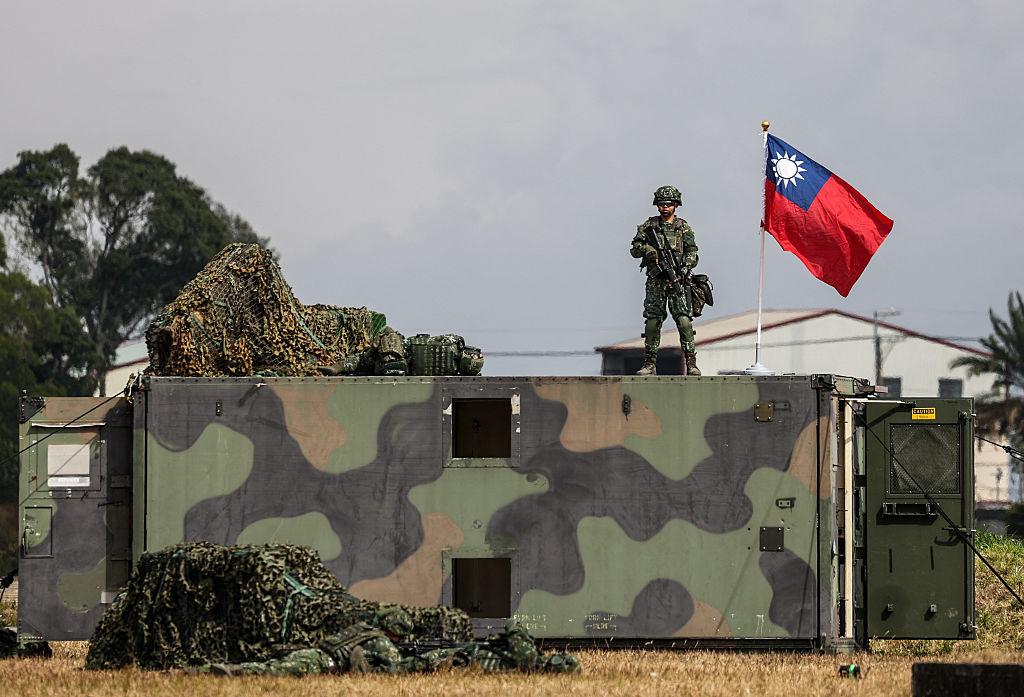
In 2026, defence planners are focusing on integrated command structures and rapid response readiness. Military leadership has expanded joint exercises, enhancing coordination between naval, air, and ground forces. The reforms are not framed as a shift in philosophy but as a refinement of existing strategic goals.
Officials also stressed transparency. By clearly communicating intentions, Taiwan aims to reduce miscalculation risks while maintaining strength. Transparency is presented as a confidence building measure in an environment where misinterpretation could escalate tensions.
Military Modernization and Force Readiness
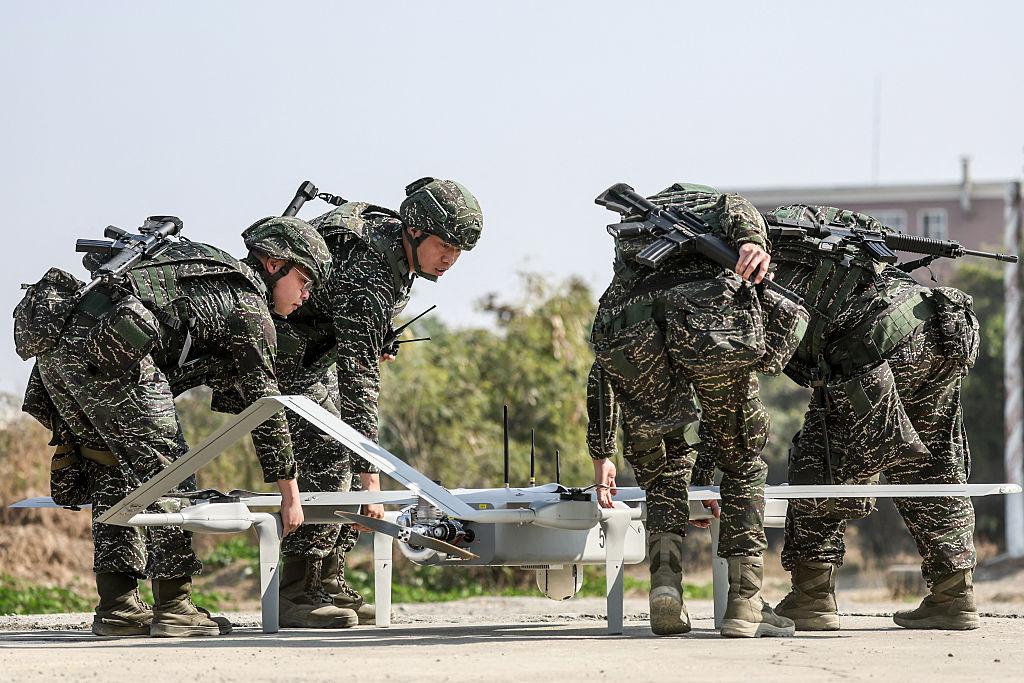
A significant portion of the 2026 agenda revolves around upgrading operational capabilities. Taiwan security policy prioritizes asymmetric defence strategies, emphasizing agility over scale. This includes enhanced missile systems, coastal defence mechanisms, and expanded naval patrol capacity.
Air force modernization programs have accelerated. Fighter jet maintenance cycles have improved, and pilot training programs have expanded. Radar networks and early warning systems have been upgraded to strengthen surveillance coverage.
Naval forces are also undergoing modernization. Investments in fast response vessels and maritime patrol systems reflect a strategic emphasis on protecting critical sea lanes. These waterways are vital not only for Taiwan but for global commerce.
Defence officials confirmed that indigenous development remains central. By investing in domestic production, Taiwan reduces dependency and strengthens industrial resilience.
Economic Resilience and Strategic Security
Taiwan occupies a crucial role in global semiconductor manufacturing and advanced technology exports. Leaders made clear that defence preparedness underpins economic stability. Taiwan security policy is therefore closely tied to safeguarding critical infrastructure.
Energy grids, communication networks, and logistics hubs are now integrated into broader security planning. Protective measures have been strengthened to ensure continuity during potential disruptions.
Investors reacted with relative calm to the 2026 address. Markets interpreted the speech as reinforcing stability rather than introducing uncertainty. Analysts note that predictable defence frameworks contribute to investor confidence.
Economic resilience is framed as both a cause and consequence of security. Stability enables growth. Growth enables sustainable defence investment.
Diplomatic Messaging and Regional Balance
The speech delivered in Taipei balanced firmness with reassurance. Taiwan security policy was described as defensive and responsible. Leaders reiterated commitment to dialogue across the Taiwan Strait and to cooperation with regional partners.
Observers across Asia noted that the address avoided inflammatory rhetoric. Instead, it emphasized deterrence as a tool for preserving peace. This approach aligns with previous messaging that frames strength as a stabilizing force.
International partners continue to monitor developments closely. Informal defence dialogues and cooperative exchanges remain part of Taiwan’s broader external engagement strategy.
Civil Preparedness and Public Support
Public support remains a critical component of national readiness. Surveys conducted in late 2025 indicated broad consensus on the importance of defence modernization. Taiwan security policy is increasingly viewed as a shared responsibility rather than solely a military concern.
Civil defence initiatives have expanded. Emergency response training programs now reach more communities. Communication campaigns aim to inform citizens about preparedness protocols without generating alarm.
Educational outreach programs emphasize resilience. Authorities argue that informed communities contribute to national stability.
Legislative Oversight and Budget Priorities
The 2026 defence budget reflects incremental growth aligned with modernization goals. Parliamentary committees reviewed procurement plans to ensure accountability and fiscal responsibility.
Funding increases target advanced surveillance systems, reserve force training enhancements, and cyber defence expansion. Lawmakers stressed that transparent oversight strengthens public trust.
Predictable budgeting cycles are considered essential. Defence planners argue that long term projects require stable funding frameworks.
Cybersecurity and Emerging Risks
Digital threats have become a central concern. Taiwan security policy includes expanded cybersecurity programs designed to protect government institutions and private sector infrastructure.
Training exercises now simulate cyberattack scenarios, testing response capabilities across agencies. Officials confirmed partnerships with technology experts to enhance digital resilience.
Cyber defence is increasingly seen as a frontline domain. Experts emphasize that modern security environments require multidimensional readiness.
Supply Chain Protection and Infrastructure Security
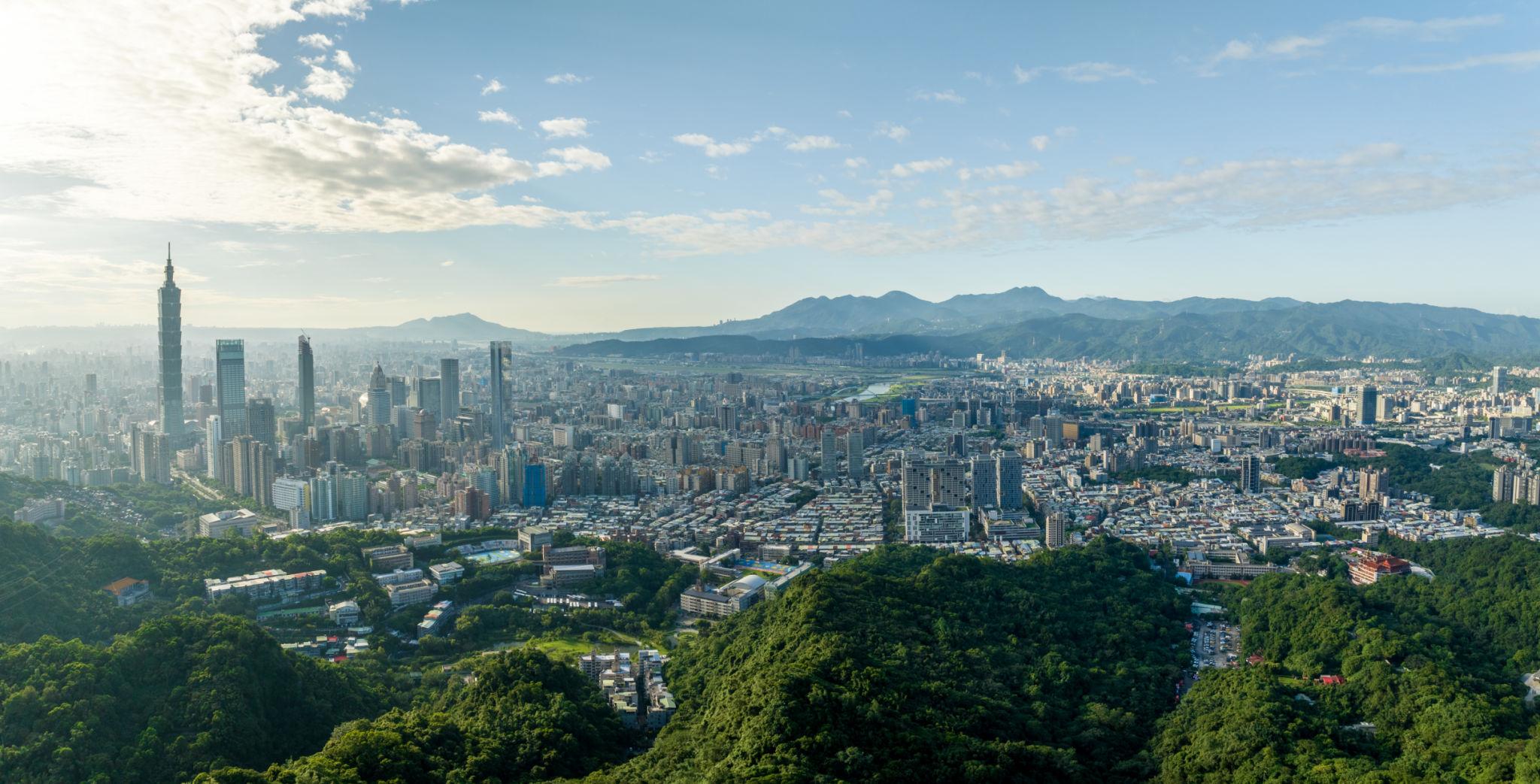
Taiwan’s advanced manufacturing base depends on uninterrupted supply chains. Protective measures now extend to ports, transportation corridors, and industrial clusters.
Infrastructure hardening initiatives aim to mitigate risks from natural disasters and potential security disruptions. Leaders argue that resilience planning must account for both traditional and nontraditional threats.
Authorities highlighted the importance of safeguarding semiconductor production facilities. Global markets rely heavily on Taiwan’s technological output, making stability a shared international interest.
Regional Military Activity and Strategic Calculations
The Indo Pacific region has witnessed increased military maneuvers in recent years. Taiwan security policy responds to these developments by reinforcing deterrence without escalating rhetoric.
Analysts note that strategic calculations involve careful balancing. Demonstrating readiness must be accompanied by consistent messaging emphasizing peace.
The leadership reiterated that defensive reforms are proportional and necessary given the broader environment.
Historic Comparison
Security experts often compare current reforms with earlier periods of transition. In the 1990s, Taiwan’s defence posture underwent significant adjustments as cross strait tensions fluctuated. The evolution of Taiwan security policy today reflects similar adaptation, though under vastly different technological conditions.
During earlier decades, emphasis was placed on conventional force expansion. In contrast, 2026 reforms prioritize mobility, precision systems, and digital capabilities. This shift illustrates how defence doctrine evolves alongside technological innovation and geopolitical dynamics.
Historical context demonstrates that incremental strengthening has long characterized Taiwan’s approach. Rather than abrupt transformation, leaders favor steady progression.
International Trade and Maritime Stability
Global trade routes intersect near Taiwan, underscoring the strategic importance of maritime security. Taiwan security policy includes enhanced naval patrols and maritime domain awareness initiatives.
Shipping lanes in the region handle a significant portion of global commerce. Ensuring safe navigation benefits international markets and regional economies.
Officials emphasized that maritime stability remains a cornerstone of economic continuity.
Strategic Communications and Public Diplomacy
Clear communication plays a vital role in national security planning. Leaders seek to avoid misinterpretation while maintaining credibility. Taiwan security policy messaging emphasizes transparency, proportionality, and commitment to peace.
Diplomatic representatives continue outreach to regional partners, explaining modernization measures and reaffirming stability goals.
Strategic communications efforts aim to strengthen understanding at home and abroad.
Leadership Perspective and One Direct Quote
During the address, the president delivered a single defining statement:
“Our responsibility is to ensure that strength preserves peace, not undermines it.”
The remark captured the core philosophy guiding Taiwan security policy in 2026.
The quote reflected a broader narrative that deterrence serves as insurance against instability. Officials argue that credible capability discourages conflict.
Long Term Strategic Vision
Beyond immediate reforms, planners envision a multi year trajectory focused on sustainability. Taiwan security policy will continue evolving as technological and geopolitical landscapes shift.
Research and development initiatives aim to strengthen domestic defence industries. Partnerships with academic institutions support innovation.
Long term planning emphasizes resilience over reaction. Authorities believe that measured adaptation offers the most stable path forward.
Economic Outlook and Investor Confidence
Markets continue to monitor regional developments closely. Taiwan security policy has been framed as reinforcing economic continuity rather than disrupting it.
Financial analysts note that stability messaging reassures global investors. Confidence in Taiwan’s governance structures contributes to market resilience.
Economic vitality and defence planning remain interconnected priorities.
Where Resolve Meets Stability
As 2026 progresses, Taiwan security policy stands as the central organizing principle of national strategy. The Taipei address signaled strength without escalation and preparedness without provocation.
Leaders maintain that credible defence ensures diplomatic space for peaceful engagement. By reinforcing institutions, upgrading capabilities, and communicating transparently, Taiwan seeks to maintain equilibrium in a complex regional environment.
The year ahead will test strategic patience and adaptability. Yet the framework outlined in Taipei reflects continuity rather than volatility. Stability remains the objective, and readiness remains the method.