
BEIJING, China – February 16, 2026, According to Parliament News, that The global debate over AI generated video regulation entered a decisive phase in 2026 as policymakers, technology firms and media companies gathered in Beijing to address mounting concerns over copyright protection, digital manipulation and platform accountability. With rapid advancements in artificial intelligence reshaping content creation, officials acknowledged that regulatory frameworks are struggling to keep pace.
In Beijing this week, regulators emphasized that AI generated video regulation must balance innovation with responsibility. The discussions come amid rising scrutiny of AI tools capable of producing realistic synthetic media within seconds.
Governments Confront a Growing Policy Gap
Lawmakers from multiple countries are reviewing existing copyright statutes to determine whether they adequately address AI produced content. Many current legal frameworks were drafted before generative video systems became commercially accessible.
Experts argue that AI generated video regulation requires clarity on three key questions: who owns AI created material, who is liable for infringement and how platforms should prevent misuse. Without defined standards, disputes between technology developers and rights holders are likely to intensify.
Officials in Beijing stressed the urgency of coordinated policy. While some nations are introducing preliminary guidelines, comprehensive international alignment remains limited.
Industry Leaders Call for Balanced Oversight
Technology companies caution against overly restrictive rules that could slow research and limit economic growth. They argue that innovation thrives when regulation provides clear guardrails rather than rigid prohibitions.
During panel discussions, executives noted that AI generated video regulation should encourage transparency while protecting legitimate creative experimentation. Companies have proposed measures such as watermarking AI content and building automated copyright filters.
One technology executive attending the Beijing forum stated,
“Responsible development depends on clear standards that protect creators without stifling innovation.”
The comment reflects a broader industry consensus that collaboration with regulators is preferable to reactive enforcement.
Copyright Protection at the Center of the Debate
Intellectual property remains the most contentious issue. Film studios and content creators fear that AI systems trained on copyrighted material may reproduce distinctive elements without authorization.
Legal analysts say AI generated video regulation must define how training data is sourced and how derivative works are identified. Some jurisdictions are considering mandatory disclosure requirements detailing datasets used in model development.
Beijing based scholars emphasized that regulation should not assume malicious intent but must provide tools for rights holders to seek redress. Courts worldwide are already reviewing cases that could shape future enforcement standards.

The Challenge of Deepfakes and Public Trust
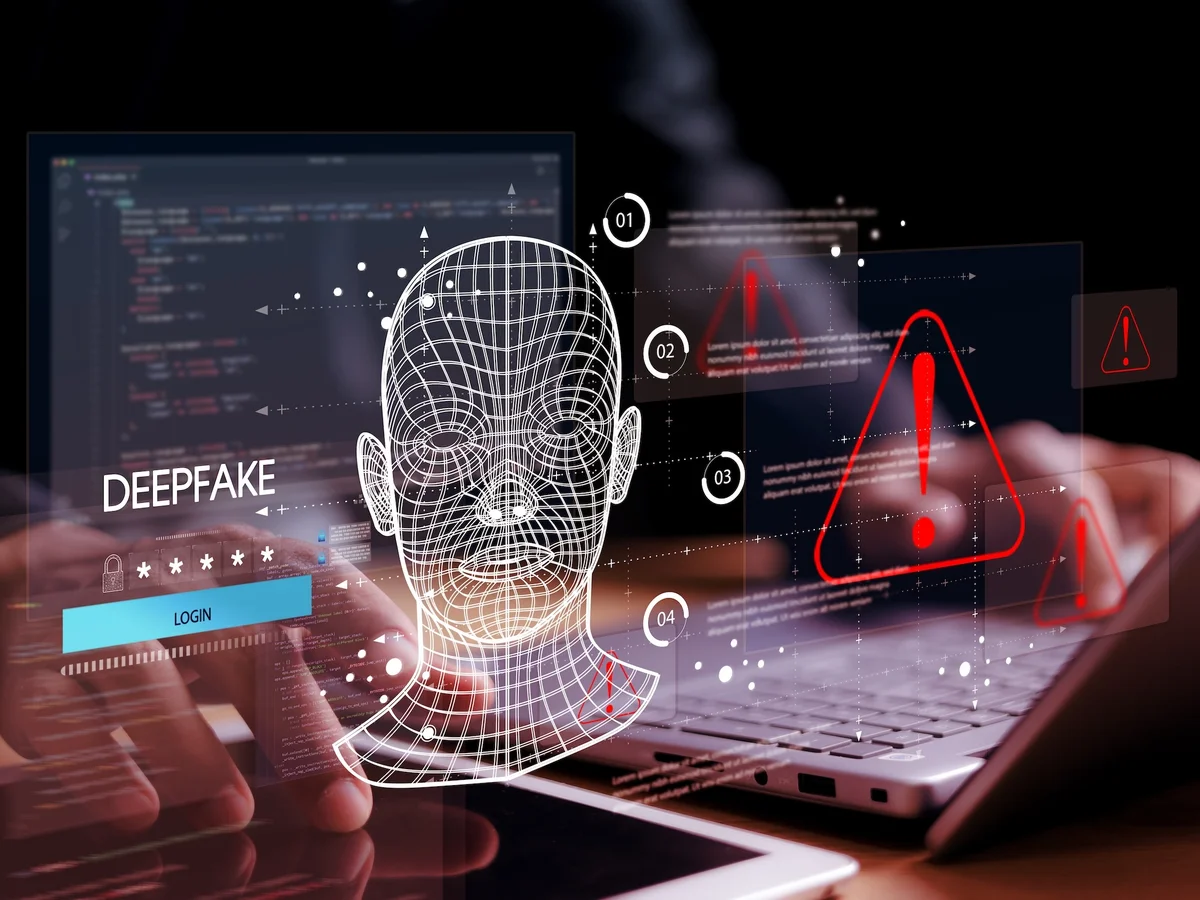
Beyond copyright, synthetic media poses risks related to misinformation and identity manipulation. Hyper realistic AI videos have the potential to influence elections, damage reputations and spread false narratives.
Policymakers in Beijing highlighted that AI generated video regulation must address misuse in political and social contexts. Proposals include mandatory labeling of synthetic media and stricter penalties for malicious distribution.
Public trust remains fragile. Surveys indicate that consumers struggle to distinguish authentic footage from AI produced visuals. Regulators believe that clear disclosure frameworks can help preserve confidence in digital media.
Economic Stakes for the Technology Sector
The financial implications of stricter compliance rules are substantial. China’s AI industry represents billions in investment, with video generation tools emerging as a fast growing segment.
Analysts say thoughtful AI generated video regulation could strengthen market credibility by reassuring investors that legal risks are manageable. Conversely, inconsistent enforcement may create uncertainty.
Startups in Beijing have expressed cautious optimism, arguing that predictable standards allow businesses to plan long term strategies. Large technology firms, meanwhile, are investing heavily in compliance infrastructure.
International Coordination Efforts
Delegations from Europe, North America and Asia participated in the 2026 Beijing forum, signaling recognition that regulation cannot remain isolated within national borders.
Because AI tools operate globally, AI generated video regulation must consider cross border enforcement challenges. Content created in one country can be distributed instantly worldwide.
Some experts advocate for multilateral agreements modeled after existing intellectual property treaties. Others warn that geopolitical differences may complicate unified frameworks.
Despite these hurdles, officials agreed that dialogue is preferable to fragmented rules that could hinder international trade and technological exchange.
Technical Safeguards and Platform Responsibility
Technology developers are experimenting with compliance features embedded directly into AI systems. These include automated recognition of copyrighted characters and restrictions on generating certain branded imagery.
Engineers explained that AI generated video regulation will increasingly rely on proactive technological solutions rather than purely legal remedies. By integrating safeguards into the design phase, companies can reduce infringement risks before content reaches public platforms.
Transparency dashboards and user reporting tools are also being enhanced. Regulators believe that combining technical filters with legal oversight may offer the most sustainable approach.
Education and Creator Awareness
Content creators represent another critical stakeholder group. Many independent artists use AI tools to enhance productivity without fully understanding copyright implications.
Experts at the Beijing conference emphasized that AI generated video regulation should be accompanied by educational initiatives. Clear guidelines can help users avoid accidental infringement.
Workshops and certification programs are being proposed to teach responsible AI usage. Industry groups argue that empowering creators with knowledge is as important as enforcing compliance rules.
Legal Precedents Taking Shape
Courts in several countries are beginning to address disputes involving synthetic media. Early rulings are expected to influence how liability is assigned between users, developers and distributors.
Legal scholars note that AI generated video regulation will evolve as case law develops. Judicial interpretation may clarify ambiguous statutory language and establish precedent for future enforcement.
Beijing’s policy forum acknowledged that litigation outcomes could shape global standards in unpredictable ways. Policymakers are closely monitoring these developments.
Public Opinion and Ethical Considerations
Ethical questions extend beyond legal compliance. Many citizens express concern about authenticity in media environments increasingly saturated with AI content.
Advocates argue that AI generated video regulation must prioritize ethical transparency. Labeling requirements and public awareness campaigns could mitigate fears of manipulation.
At the same time, artists and technologists emphasize the creative potential of generative tools. Balancing ethical caution with artistic freedom remains a delicate challenge.

Looking Ahead to the Next Phase
As discussions concluded in Beijing, officials pledged to continue refining proposals throughout 2026. Draft frameworks are expected to undergo public consultation before formal adoption.
Observers say the next year will be critical in determining whether AI generated video regulation evolves into a coherent global system or remains fragmented across jurisdictions.
Industry leaders predict that compliance technology will mature rapidly. Governments, meanwhile, face pressure to deliver clarity without suppressing economic growth.
When Synthetic Images Met Sovereign Law
The 2026 Beijing summit may ultimately be remembered as a turning point. In a world where artificial intelligence can generate lifelike scenes within moments, policymakers are racing to define the boundaries of responsible innovation.
As regulators, developers and creators continue negotiations, AI generated video regulation stands at the intersection of law, technology and culture. The decisions made now will shape how societies perceive authenticity, creativity and trust in the digital era.
From courtrooms to coding labs, the path forward demands cooperation. What began as a technological breakthrough has evolved into a defining governance challenge of the AI age.