

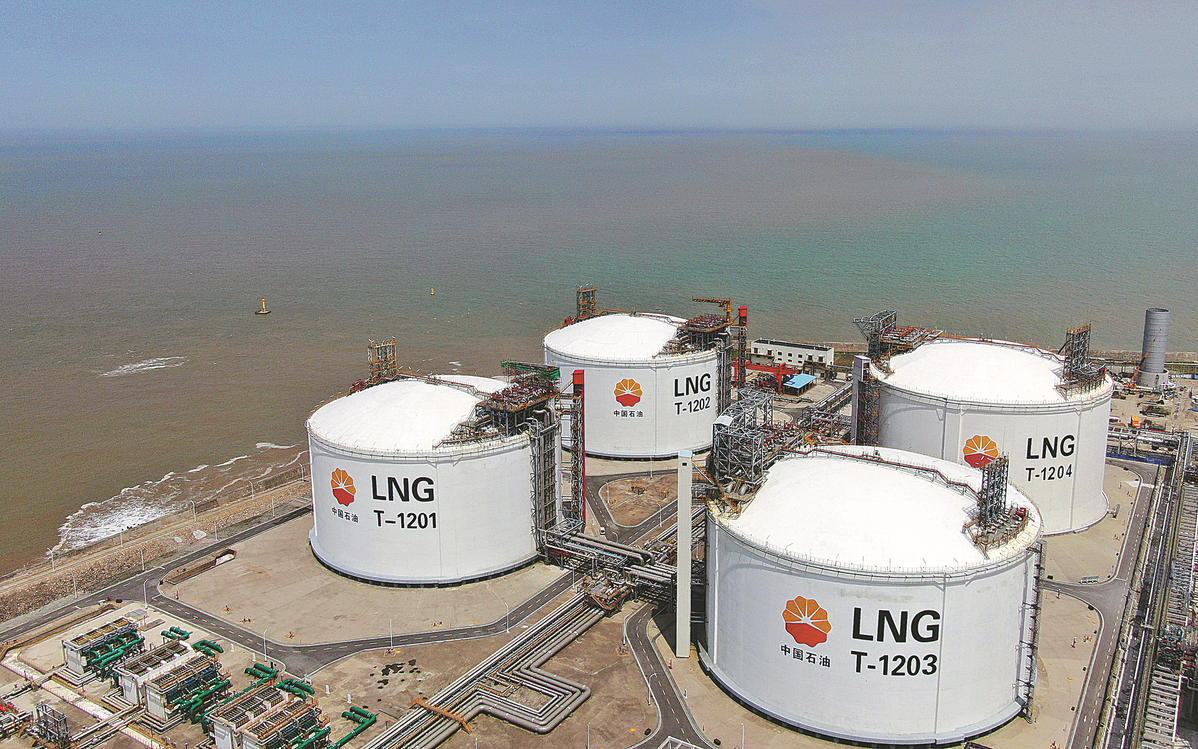
Durban, South Africa, February 16, 2026 — According to Parliament News, that The Durban port energy project has entered a decisive phase as investors and government stakeholders move closer to final approvals for a large scale liquefied natural gas powered facility near the country’s busiest harbor. The proposal, valued at approximately three billion dollars, is designed to reinforce regional electricity supply while supporting industrial expansion in KwaZulu Natal province.
Officials familiar with the development say the initiative could play a significant role in stabilizing the grid, particularly in areas linked to logistics, manufacturing, and export driven industries. The coastal location provides strategic access to international LNG shipments and positions the port as a future energy hub for southern Africa.
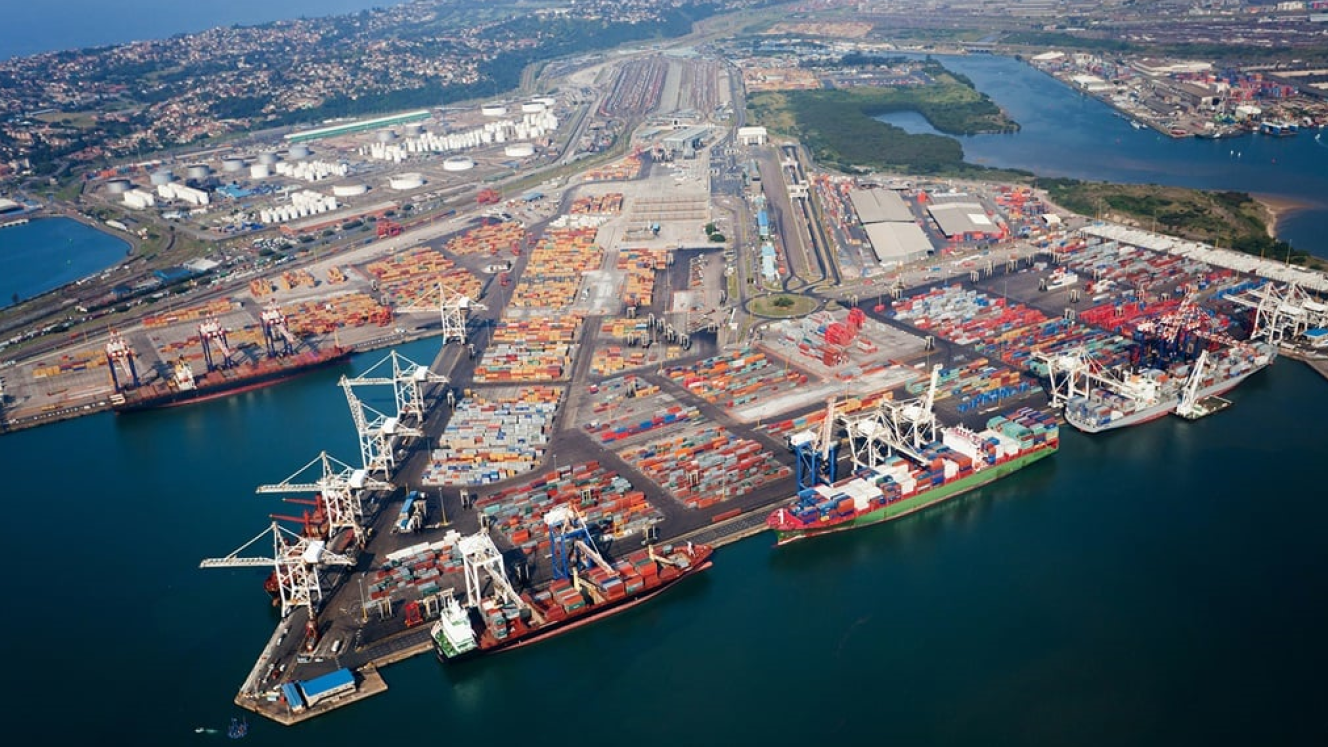
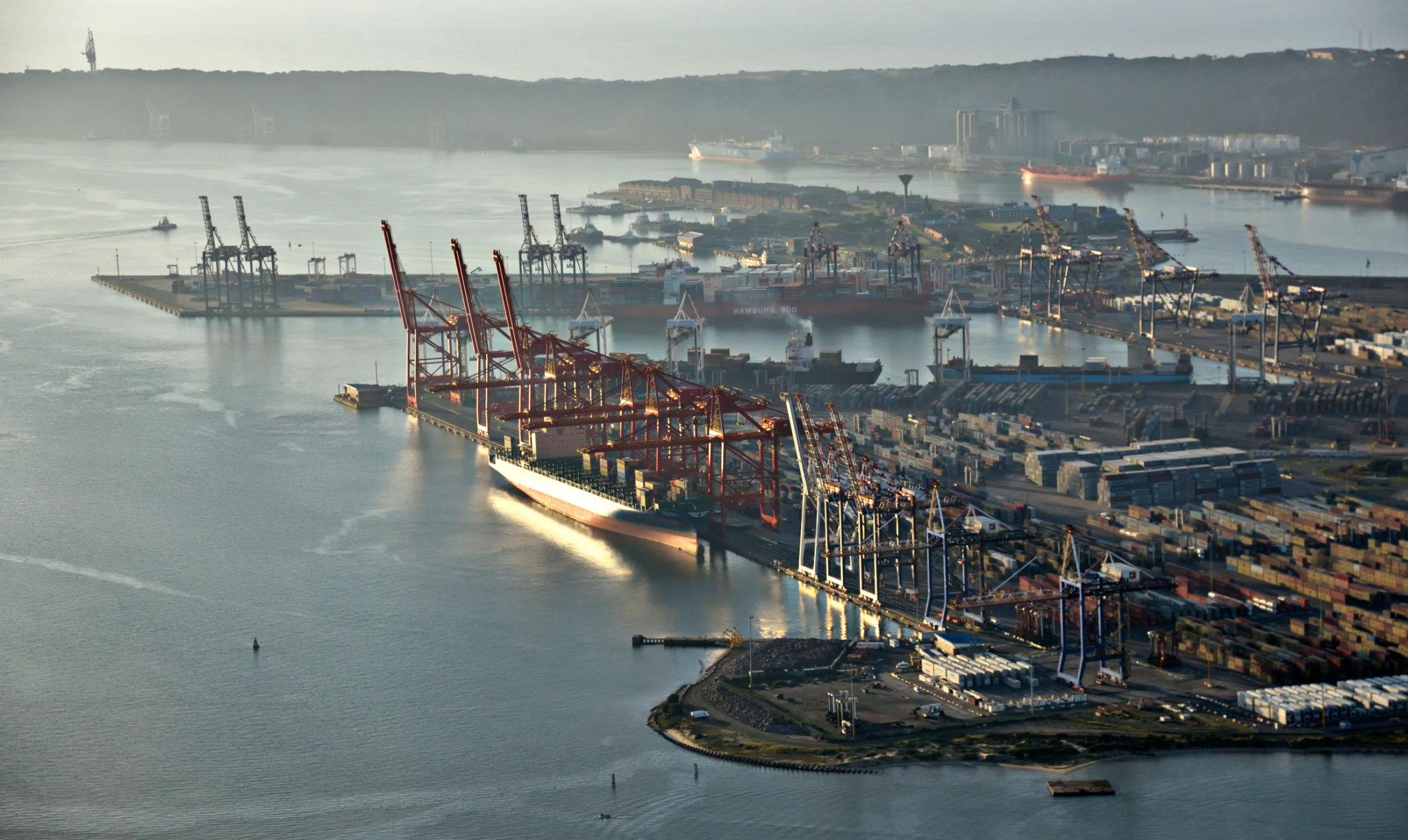
Durban port handles the majority of South Africa’s containerized trade and serves as a critical gateway for imports and exports across the continent. Any disruption in energy supply can slow cargo movement, delay shipments, and impact national economic performance.
The Durban port energy project seeks to address these vulnerabilities by situating new generation capacity close to core infrastructure. Analysts note that proximity reduces transmission losses and improves reliability for port operations.
By integrating power production with logistics infrastructure, the project aligns energy planning with trade efficiency. As global shipping volumes fluctuate, consistent electricity supply remains essential for cranes, refrigeration systems, customs operations, and warehouse management.
LNG as a Transitional Energy Source
Liquefied natural gas has emerged as a transitional fuel in countries seeking to reduce dependence on coal while maintaining grid stability. Gas fired turbines can ramp up quickly to meet peak demand, offering flexibility not always possible with older coal facilities.
The Durban port energy project incorporates high efficiency combined cycle technology, which uses both gas and steam turbines to maximize output. Industry specialists say this approach can significantly lower emissions compared with traditional coal plants.
Although LNG is still a fossil fuel, policymakers increasingly view it as a bridge solution that complements renewable expansion. South Africa has invested heavily in wind and solar projects, yet intermittent supply requires backup capacity to prevent blackouts.
Economic Impact and Job Creation
The financial scale of the Durban port energy project signals strong investor confidence in South Africa’s long term growth. Construction is expected to create thousands of temporary jobs, ranging from engineering to marine logistics and civil works.
Once operational, the facility would support permanent technical positions, including turbine maintenance, safety management, and energy systems monitoring. Local suppliers may benefit from contracts linked to materials, transportation, and support services.
Economic analysts believe improved power reliability could stimulate broader industrial investment in KwaZulu Natal. Manufacturing plants often cite electricity stability as a determining factor in expansion decisions. With a dedicated energy facility near Durban, businesses may gain renewed confidence in production continuity.
Regulatory and Environmental Oversight
Large scale infrastructure projects in South Africa must undergo comprehensive environmental impact assessments. Coastal developments are subject to strict marine protection guidelines, particularly regarding fuel storage and shipping operations.
Developers behind the Durban port energy project are expected to work closely with environmental agencies to ensure compliance with air quality standards and coastal safety regulations. Public consultations will likely form part of the approval process.
Environmental groups have raised concerns about long term reliance on gas, emphasizing the importance of accelerating renewable capacity. Government officials, however, argue that a diversified energy mix strengthens national resilience.
Grid Stability and National Energy Policy
South Africa’s electricity system has faced years of strain due to aging coal plants, maintenance challenges, and rising demand. Rolling outages have affected households and industries alike, underscoring the urgency of new generation capacity.
Energy experts suggest the Durban port energy project could provide critical support to the national grid by delivering dispatchable power during peak periods. Gas turbines can respond rapidly to fluctuations, making them suitable for balancing renewable sources.
The project aligns with broader energy policy goals aimed at diversification, modernization, and reduced emissions intensity. By leveraging private investment, authorities seek to ease fiscal pressure while advancing infrastructure development.
Investment Structure and Global Partnerships
The financing model behind the Durban port energy project reflects collaboration between international energy traders, infrastructure funds, and domestic stakeholders. Such partnerships distribute risk while enabling access to global LNG supply chains.
Durban’s location offers flexibility in sourcing LNG cargoes from multiple exporting nations. This diversification enhances energy security and reduces vulnerability to geopolitical disruptions.
One senior industry executive involved in discussions stated,
“This project represents a practical step toward restoring confidence in South Africa’s power sector while supporting sustainable industrial growth.”
That single statement underscores the broader ambition of aligning economic development with energy reliability.
Community Engagement and Local Benefits
Beyond economic metrics, the Durban port energy project carries implications for surrounding communities. Infrastructure upgrades associated with the plant could improve roads, utilities, and communication networks in adjacent areas.
Training programs linked to technical operations may enhance workforce skills, particularly among young professionals seeking careers in energy and engineering sectors.
Community engagement initiatives are expected to focus on transparency, safety standards, and environmental stewardship. Developers have indicated their intention to prioritize local procurement where feasible.
Regional Influence Across Southern Africa
Energy infrastructure in Durban has potential ripple effects beyond South Africa’s borders. Neighboring countries often rely on cross border electricity trade to supplement domestic supply.
If successful, the Durban port energy project could serve as a blueprint for similar coastal LNG facilities elsewhere on the continent. Ports in Mozambique, Namibia, and Tanzania have explored comparable concepts, though none match Durban’s scale.
Strengthening power reliability in southern Africa may enhance regional competitiveness, attract foreign investment, and promote integrated trade networks.
Market Response and Energy Sector Outlook
Financial markets reacted with measured optimism as updates emerged about the Durban port energy project, with analysts emphasizing its capacity to improve grid reliability and reduce dependence on costly diesel powered backup systems.
Energy economists say the development could help stabilize electricity pricing over time by introducing additional dispatchable generation capacity. A more predictable supply environment is expected to reduce volatility that has historically disrupted industrial output.
Business leaders across manufacturing and export sectors have welcomed progress tied to the Durban port energy project, noting that reliable electricity directly impacts production schedules, operating margins, and international competitiveness.
Investment firms and infrastructure funds are also monitoring developments closely. Projects supported by long term power demand contracts are widely regarded as stable assets, particularly in emerging markets where electricity shortages create sustained demand for new capacity.
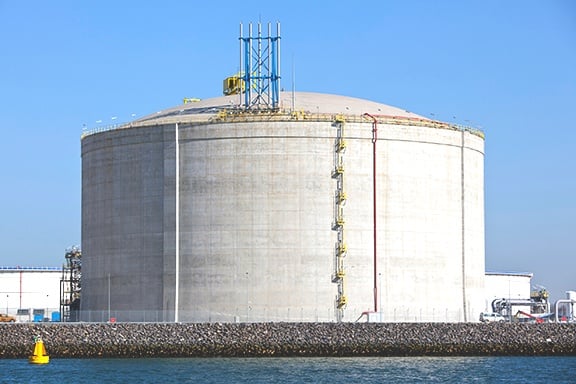
With global LNG consumption continuing to rise, Durban’s coastal position enhances its strategic appeal. Access to multiple international gas suppliers may strengthen South Africa’s standing within evolving global energy trade routes.
A Strategic Shift in Coastal Energy Planning
The Durban port energy project is increasingly viewed as part of a broader modernization effort rather than a standalone facility. Policymakers are aligning logistics infrastructure with power generation to create a more resilient economic framework.
Integrating energy production directly within a major port zone allows for operational efficiency and reduced transmission risk. This approach also supports industrial clusters located near shipping terminals, where electricity reliability is critical for maintaining export timelines.
Energy planners describe the initiative as a pivotal step in South Africa’s transition strategy. By combining gas based generation with expanding renewable capacity, authorities aim to balance environmental objectives with the immediate need for grid stability.
As environmental assessments move forward and financial commitments solidify, attention now turns to construction timelines and regulatory approvals. The coming months will determine how quickly the Durban port energy project advances from planning to implementation.
Durban Emerging as an Energy Gateway
Should development proceed as projected, Durban could emerge as one of Africa’s most strategically positioned energy hubs. The port’s transformation reflects a wider recognition that infrastructure must serve both commerce and power generation in tandem.
The harbor, long associated with cargo throughput and maritime trade, is now central to discussions about national energy resilience. The Durban port energy project highlights how coastal assets can evolve beyond traditional logistics roles.
As 2026 progresses in Durban, South Africa, the initiative signals a shift in how the country approaches long term electricity security. The scale and ambition of the plan suggest that modern ports may become anchors for broader industrial and energy ecosystems.
If realized at full capacity, the Durban port energy project could reshape economic prospects not only for KwaZulu Natal but for the wider southern African region, reinforcing the harbor’s status as both a trade artery and a driver of sustainable power development.