

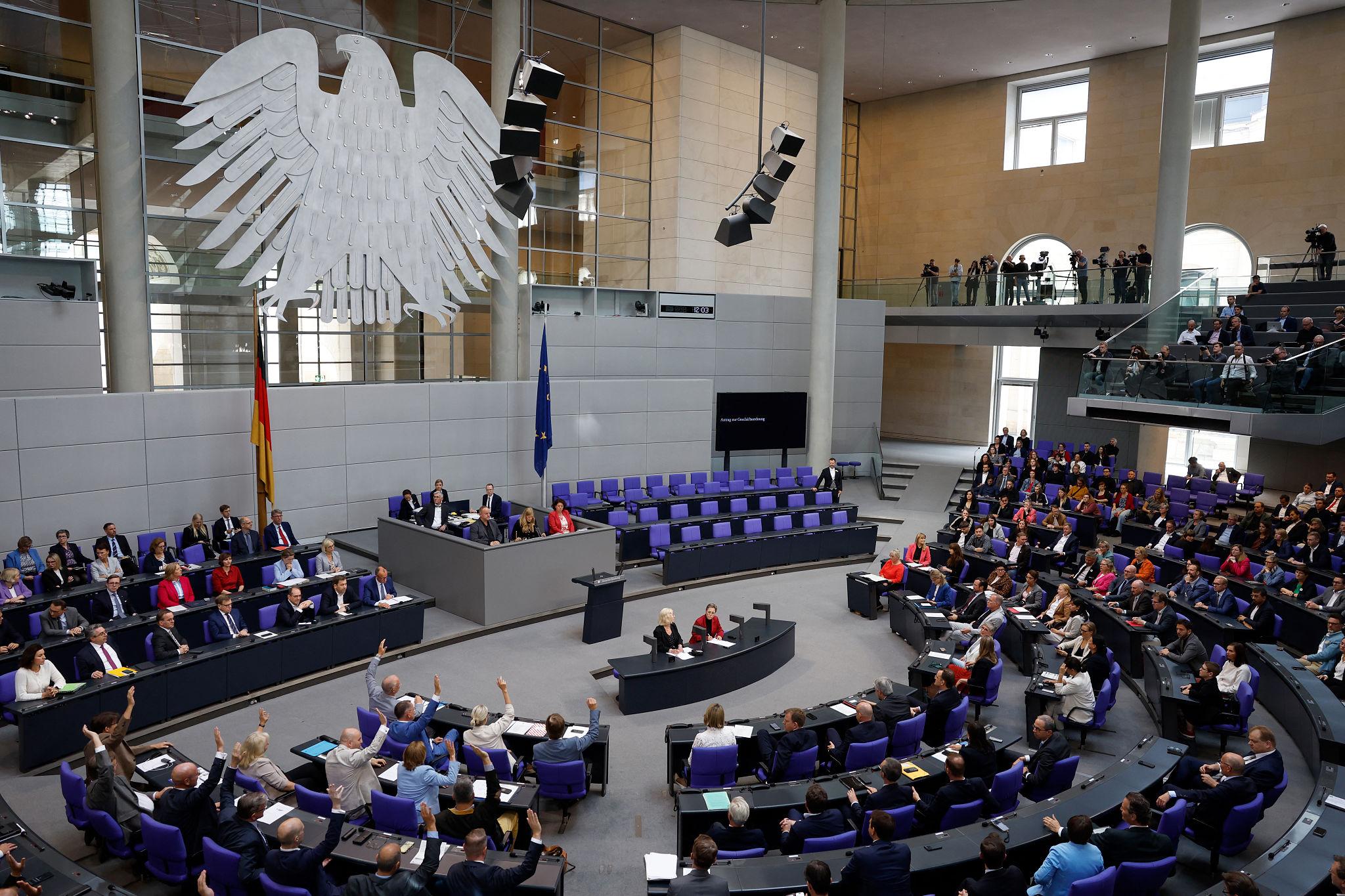
Berlin, February 16, 2026, According to Parliament News, that Berlin 2026 has placed Germany digital policy at the center of national debate as political leaders consider stricter rules governing children’s access to social media platforms. The discussion intensified after a prominent Social Democrat aligned publication urged lawmakers to accelerate protective legislation. The renewed focus signals a broader shift in how Europe’s largest economy approaches digital oversight in an era defined by rapid technological change.
The debate is unfolding at a time when public concern over online safety has grown steadily. Parents, educators, and health professionals are calling for clearer standards. Germany digital policy is increasingly viewed not only as a regulatory framework but as a reflection of social responsibility in protecting minors from digital harm.
Political Momentum Builds in Parliament
Lawmakers across party lines have acknowledged that the current regulatory environment may not sufficiently address risks facing young users. Germany digital policy proposals now include potential age verification requirements, stricter advertising controls, and clearer accountability for platform algorithms.
Supporters argue that the government must act decisively. They point to rising reports of cyberbullying, exposure to harmful content, and addictive design features. Critics caution that overregulation could undermine digital freedoms and place excessive burdens on technology companies.
Despite these divisions, momentum is building. Parliamentary committees are reviewing draft proposals that could redefine Germany digital policy for years to come.
Public Health Concerns and Scientific Evidence
Medical professionals have increasingly framed excessive screen time as a health issue rather than merely a parenting challenge. Researchers have linked prolonged social media use among adolescents to anxiety, sleep disturbances, and attention difficulties.
Advocates believe that a stronger Germany digital policy could reduce exposure to harmful online environments during critical developmental stages. Policymakers are examining international research to determine whether legislative measures can produce measurable improvements in youth wellbeing.
One Berlin based child psychologist summarized the stakes by saying,
“Clear boundaries in digital spaces can support healthier development without restricting meaningful communication.”
Her statement reflects the balancing act facing regulators as they refine Germany digital policy to address both safety and freedom.
European Context and Regulatory Alignment
Germany’s debate does not occur in isolation. The European Union has already implemented significant digital regulations, including privacy and platform transparency requirements. Observers note that Germany digital policy may align with broader EU initiatives aimed at protecting minors online.
France and other member states have experimented with restrictions on smartphone use in schools. German officials are studying these measures closely. Coordinated European action could strengthen enforcement mechanisms and reduce regulatory loopholes.
Alignment with EU frameworks would ensure consistency across borders, an important consideration given the global nature of digital platforms.

Industry Reaction and Economic Considerations
Technology companies operating in Germany have emphasized their existing safety tools, including parental controls and content moderation systems. Industry representatives argue that innovation and digital literacy should not be compromised by excessive constraints.
However, proponents of reform insist that voluntary measures have not sufficiently addressed systemic issues. Germany digital policy is increasingly viewed as a mechanism for ensuring that commercial incentives do not outweigh public interest.
Economic implications remain part of the discussion. Germany’s digital sector contributes significantly to national growth. Policymakers must consider how adjustments to Germany digital policy might influence investment and competitiveness.
Education Sector Voices
Schools across Germany are grappling with the practical effects of smartphone use in classrooms. Teachers report increased distractions and challenges maintaining student focus. Some educational institutions have introduced their own device restrictions.
Education leaders believe that clearer national standards under Germany digital policy could support consistent implementation. Without federal guidance, schools often adopt varied approaches, creating uneven experiences for students.
Youth advocates also emphasize digital literacy education. They argue that regulation alone cannot solve complex online challenges. Balanced Germany digital policy may require combining restrictions with robust educational programs.
Legal Framework and Constitutional Balance
Germany’s constitutional protections for free expression shape every regulatory discussion. Legal scholars stress that Germany digital policy reforms must be carefully tailored to withstand judicial scrutiny.
Age specific measures aimed at protecting minors differ from broad censorship. Policymakers are exploring narrowly defined regulations that address harm without limiting adult access to lawful content.
The drafting process involves close consultation with constitutional experts. Ensuring that Germany digital policy remains aligned with democratic principles is considered essential for long term legitimacy.

Public Opinion and Civic Engagement
Public surveys indicate growing support for stronger oversight of online platforms, particularly when children are involved. Town hall meetings and public consultations have provided citizens opportunities to voice concerns.
Parents often describe feeling overwhelmed by rapidly evolving digital environments. Many view Germany digital policy reform as necessary to restore balance between technological opportunity and family wellbeing.
Civic organizations are preparing policy briefs outlining recommended safeguards. The engagement of civil society suggests that digital governance has become a mainstream issue rather than a niche topic.
International Implications
As one of Europe’s most influential economies, Germany’s regulatory decisions carry weight beyond national borders. A revised Germany digital policy could set precedents for neighboring countries considering similar measures.
Global technology firms may adjust compliance strategies based on German standards. Analysts note that Germany often plays a leading role in shaping EU wide regulations.
Observers in other regions are monitoring developments closely. If Germany digital policy successfully balances protection and innovation, it may serve as a model for democratic governance in the digital age.
Implementation Challenges Ahead
Even if legislation advances, practical enforcement remains complex. Age verification technologies must protect privacy while preventing circumvention. Regulatory agencies will require resources to monitor compliance.
Experts warn that poorly designed systems could create unintended consequences. Policymakers acknowledge that refining Germany digital policy is only the first step. Effective implementation will determine whether objectives are achieved.
Collaboration between government agencies, educators, parents, and industry will likely be essential. The evolving digital landscape demands adaptable strategies.
Toward a Safer Digital Generation
The debate unfolding in Berlin 2026 reflects broader societal questions about responsibility in the digital era. Germany digital policy stands at a crossroads between preserving innovation and strengthening safeguards for vulnerable users.
Lawmakers face the challenge of crafting solutions that protect minors without undermining open communication. The outcome of this debate may influence how future generations interact with technology.
As discussions continue, Germany’s approach will shape not only national standards but potentially the European regulatory landscape. The coming months will reveal whether consensus can be achieved around a balanced framework.

Beyond Regulation A Digital Responsibility Moment
The current debate represents more than legislative adjustment. It signals a cultural recognition that digital environments require intentional governance. Germany digital policy has evolved from technical oversight into a central pillar of social strategy.
The decisions made in Berlin 2026 could redefine expectations for technology companies and public institutions alike. While challenges remain, the national conversation underscores a commitment to aligning digital progress with human wellbeing.
Germany’s digital future is being shaped in real time. Whether through incremental reform or comprehensive legislation, the trajectory of Germany digital policy will likely influence Europe’s approach to online child protection for years to come.