

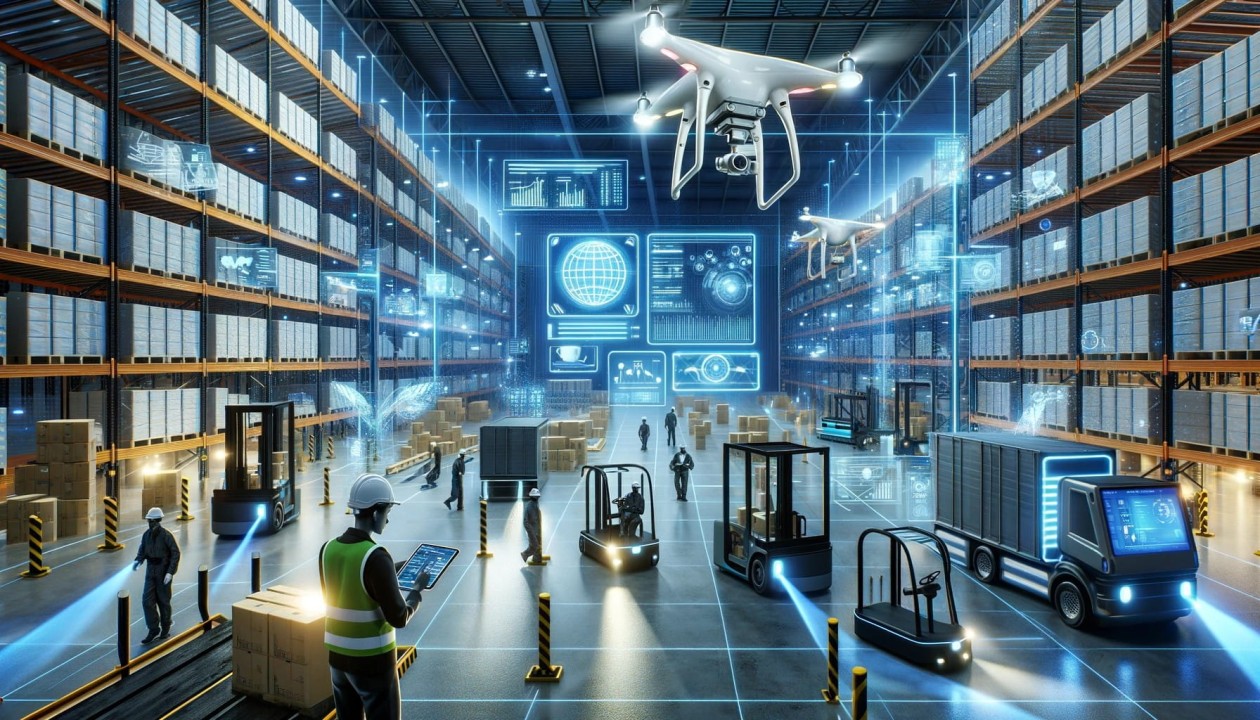
New York, February 17, 2026 — According to Parliament News, that Supply chain technology growth is accelerating at a pace few analysts predicted just a few years ago. From automated warehouses to predictive analytics platforms, businesses across industries are investing heavily in digital systems designed to strengthen resilience and efficiency. Financial markets are closely watching supply chain technology growth as it becomes a defining theme of industrial transformation this year.
Executives, investors, and policymakers gathered in New York this week to discuss how digital infrastructure is reshaping global commerce. The message was consistent: companies that fail to modernize logistics operations risk falling behind in an increasingly data driven economy.
Digital Transformation Reshapes Global Logistics
The expansion of supply chain technology growth reflects broader digital transformation trends. Traditional logistics systems built on manual tracking and fragmented data are being replaced by integrated platforms that provide real time visibility across entire networks.
Cloud based management systems connect suppliers, manufacturers, distributors, and retailers. Artificial intelligence tools analyze purchasing patterns and forecast demand shifts. Internet of Things sensors monitor shipments continuously, reducing delays and minimizing losses.
As supply chain technology growth continues, businesses are able to respond more quickly to disruptions, whether caused by natural disasters, geopolitical tensions, or shifting consumer behavior.
Artificial Intelligence Driving Efficiency Gains
Artificial intelligence stands at the center of supply chain technology growth in 2026. Machine learning models analyze historical sales, seasonal patterns, and economic indicators to predict inventory requirements with greater accuracy.
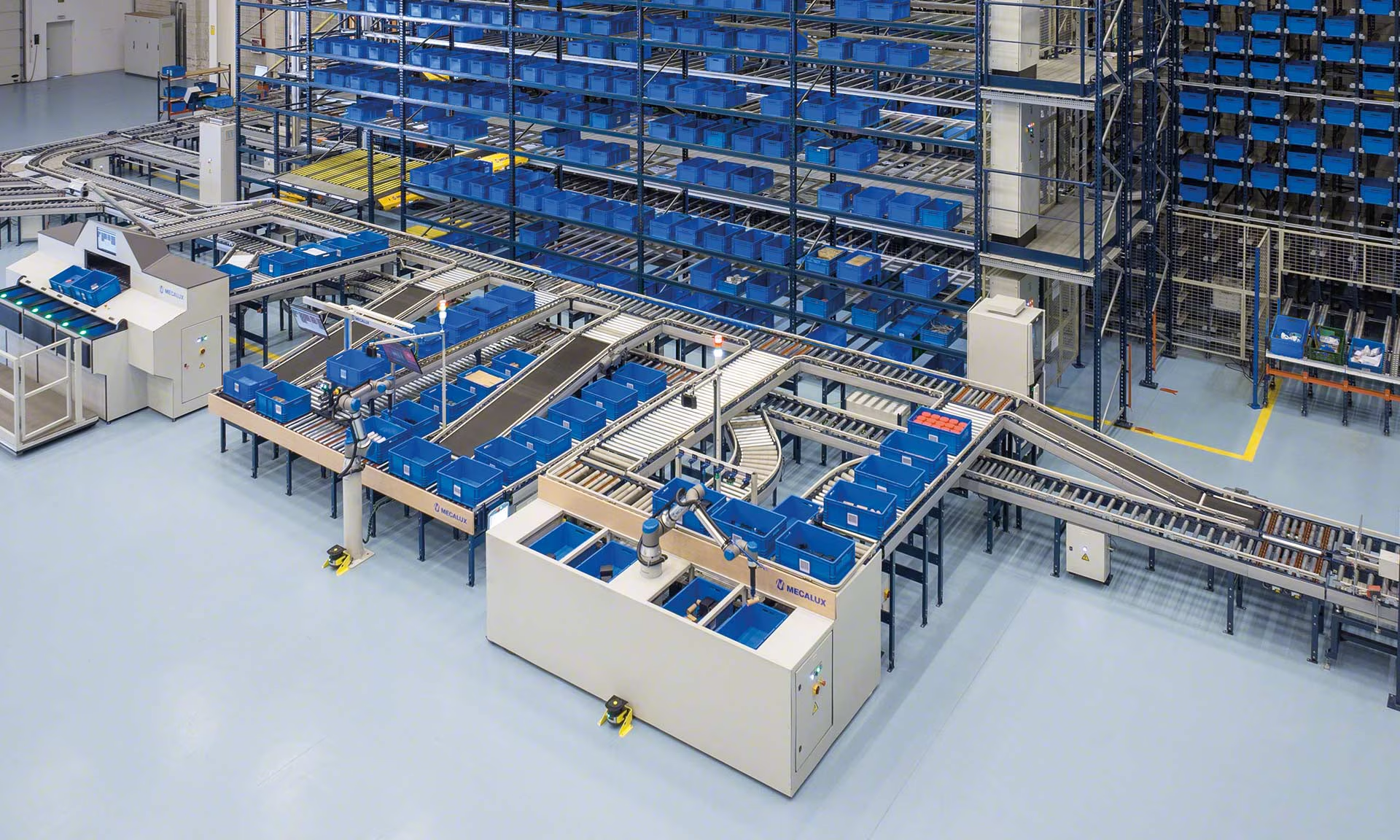
AI powered routing systems calculate optimal transportation paths, cutting fuel costs and delivery times. Warehouses equipped with robotics systems automate sorting and packaging tasks, reducing errors while increasing throughput.
Industry analysts note that AI integration is not just improving efficiency. It is fundamentally changing how logistics decisions are made, shifting from reactive management to proactive forecasting.
Automation and Smart Warehousing Expansion
Smart warehousing has become one of the most visible indicators of supply chain technology growth. Facilities once dominated by manual labor now feature automated guided vehicles, robotic arms, and digital inventory tracking.
These systems enable companies to process higher volumes with fewer delays. Inventory updates occur instantly, and predictive restocking prevents shortages before they occur.
In urban logistics hubs such as New York, automated distribution centers are becoming standard infrastructure. The ability to meet same day delivery expectations depends heavily on digital coordination.
Investment Momentum and Market Confidence
Venture capital and institutional investors are fueling supply chain technology growth through strategic funding rounds. Technology startups focused on logistics analytics, robotics engineering, and data security are attracting significant capital inflows.
Publicly traded firms specializing in digital logistics platforms have reported rising demand from manufacturing and retail clients. Analysts interpret this investment surge as confidence in long term industry transformation.
One senior logistics strategist in New York remarked,
“The companies investing in digital infrastructure today are building the competitive backbone of tomorrow’s economy.”
This single perspective reflects a broader belief that modernization is no longer optional but essential.
Global Trade and Infrastructure Modernization
Supply chain technology growth is closely linked to evolving global trade dynamics. Ports, airports, and rail networks are integrating digital systems to improve efficiency and transparency.
Smart port technologies now use automated cranes, blockchain documentation, and AI scheduling tools to reduce congestion. International trade corridors benefit from real time cargo tracking that minimizes customs delays.
Governments are increasingly supporting digital infrastructure upgrades as part of economic resilience strategies. These public private partnerships are expected to accelerate modernization through the end of the decade.
Data Security and Cyber Resilience
As digital systems expand, cybersecurity has become a priority within supply chain technology growth initiatives. Logistics platforms handle sensitive commercial data that must be protected against cyber threats.
Companies are deploying encryption protocols, multi factor authentication, and continuous monitoring tools to safeguard operations. Cyber resilience planning is now integrated directly into digital logistics strategies.
Experts warn that as interconnected systems expand globally, proactive security measures will remain critical to maintaining trust and operational stability.
Sustainability and Environmental Impact
Environmental considerations are also shaping supply chain technology growth. Data driven logistics platforms help companies measure carbon emissions and identify opportunities for greener transportation routes.
Optimized routing reduces fuel consumption. Smart inventory management minimizes overproduction and waste. Electric vehicle fleets integrated with digital scheduling systems further reduce environmental impact.
Sustainable logistics strategies align with corporate responsibility goals and investor expectations, reinforcing long term industry commitment to modernization.

Workforce Transformation and Skills Development
Technological transformation requires workforce adaptation. Supply chain technology growth has increased demand for data analysts, robotics technicians, and systems integration specialists.
Training programs are expanding to equip employees with digital skills necessary for managing advanced platforms. Educational institutions are collaborating with industry leaders to prepare future logistics professionals.
While automation reduces repetitive tasks, it also creates new high skill roles focused on oversight and strategic planning.
Economic Outlook Through 2031
Forecasts suggest that supply chain technology growth will continue steadily through 2031. Analysts expect double digit annual investment increases across multiple regions.
Emerging markets are adopting digital systems rapidly to integrate with global trade networks. Developed economies are upgrading legacy systems to maintain competitiveness.
The convergence of artificial intelligence, automation, blockchain, and predictive analytics is expected to redefine operational standards worldwide.
Financial experts emphasize that supply chain technology growth is not a short term trend. It represents structural evolution within global commerce.
Challenges Facing Rapid Expansion
Despite strong projections, challenges remain. Implementation costs can be substantial, particularly for small and medium sized enterprises.
Integrating new digital systems with existing infrastructure requires careful planning and phased execution. Resistance to organizational change may slow adoption in some sectors.
However, long term efficiency gains and risk mitigation benefits often outweigh initial hurdles. Strategic partnerships and scalable technology solutions can ease the transition process.
Strategic Implications for Global Businesses
Supply chain technology growth is influencing boardroom strategy discussions worldwide. Executives are reassessing procurement models, supplier relationships, and inventory management practices.
Digital transparency enables stronger collaboration across supply networks. Real time data sharing enhances coordination and reduces miscommunication.
Companies embracing innovation early position themselves to outperform competitors in resilience and responsiveness.

Beyond Efficiency A Structural Shift in Global Commerce
The acceleration of supply chain technology growth signals more than operational improvement. It represents a structural shift in how goods are produced, distributed, and delivered worldwide.
As digital integration deepens, supply networks become more interconnected and adaptive. Decision making evolves from instinct driven approaches to data informed strategies.
In 2026, New York stands as a focal point of this transformation, reflecting broader global change. Supply chain technology growth is redefining the rhythm of commerce itself, shaping a future where agility and intelligence determine competitive advantage.
The trajectory through 2031 suggests that digital logistics will become the standard framework for global trade. Businesses prepared to invest strategically today are likely to shape the economic landscape of tomorrow.