

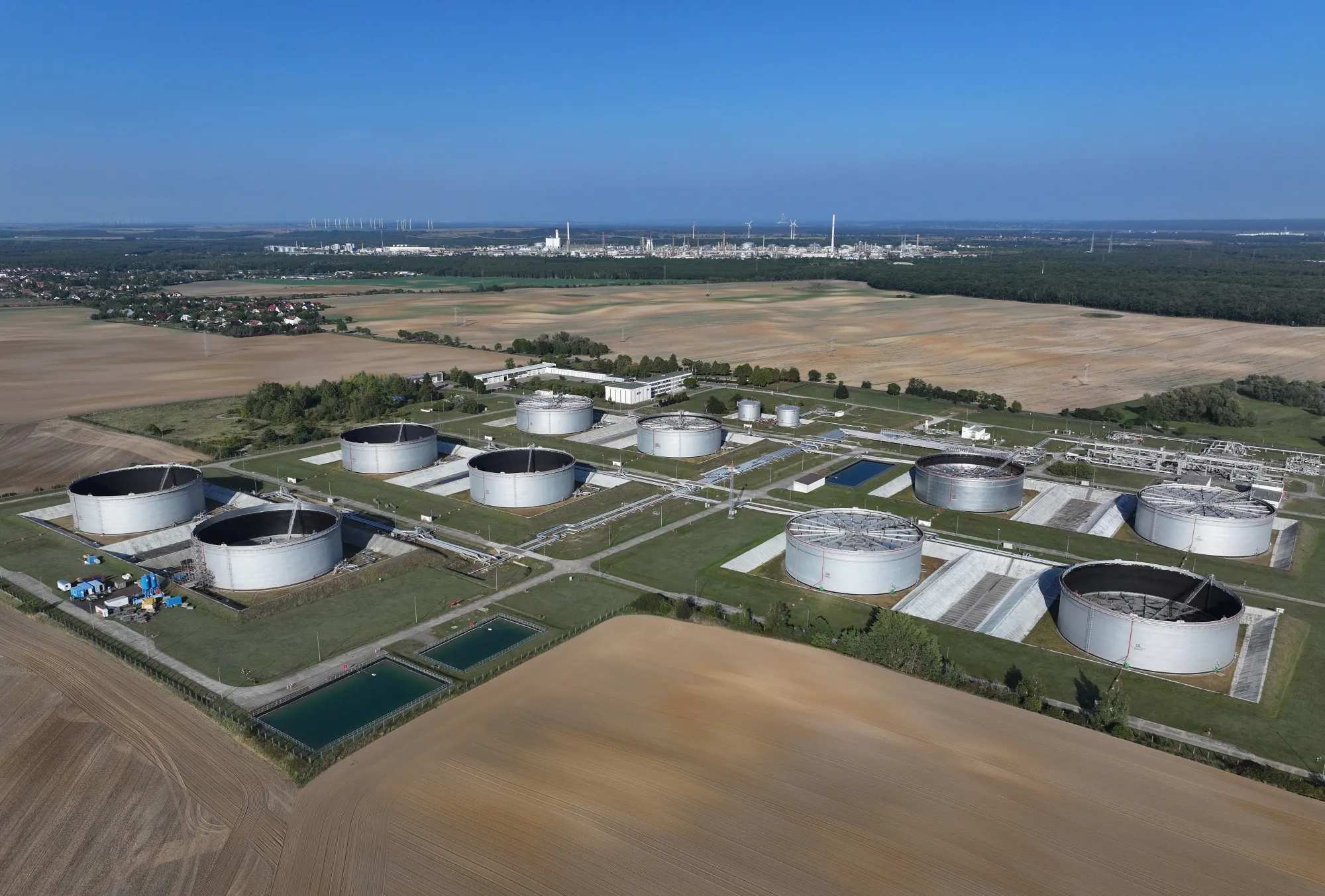
Geneva, Switzerland – February 17, 2026 – According to Parliament News, that In a year marked by fragile recovery and geopolitical recalibration, global energy markets are facing renewed scrutiny as policymakers gather in Geneva to address mounting diplomatic and economic challenges. The 2026 meetings in Switzerland arrive at a time when crude oil stability, natural gas supply security, and inflation management are tightly interconnected across continents.
Energy traders, financial institutions, and government officials are watching developments closely. The convergence of diplomatic engagement and commodity pricing has once again highlighted how sensitive global energy markets are to both political signals and structural supply shifts.
Oil benchmarks have fluctuated within a contained range, but analysts caution that stability may be temporary. Even small policy adjustments can alter forward pricing models, influencing investor behavior worldwide.
Oil Price Stability Masks Underlying Fragility
Crude oil futures have traded in a narrow corridor over recent sessions, suggesting temporary equilibrium. However, industry observers warn that the appearance of calm may conceal deeper structural vulnerabilities.
Within global energy markets, pricing stability often reflects a balance between cautious optimism and latent risk. Traders are weighing potential outcomes from Geneva discussions, adjusting positions without committing to decisive long term bets.
Supply remains broadly aligned with demand projections, but uncertainties persist regarding future export flows and sanction frameworks. Markets remain poised for rapid adjustment should diplomatic signals shift unexpectedly.
Diplomatic Negotiations and Commodity Sensitivity
Diplomatic engagement in Geneva has introduced a new variable into energy forecasting models. Analysts emphasize that tone and timing matter as much as formal agreements.
Because global energy markets respond quickly to geopolitical developments, negotiators are aware that their statements influence trading behavior almost instantly. Even subtle changes in language can alter price expectations.
Investors understand that diplomacy can either ease or intensify pressure on supply chains. As a result, energy pricing now reflects anticipation rather than confirmation.
Natural Gas Dynamics and Regional Supply
Natural gas markets have also displayed cautious movements. European storage levels remain adequate, while Asian import demand shows moderate growth.
The diversification of supply sources has improved resilience across global energy markets, yet geopolitical tensions continue shaping long term investment strategies.
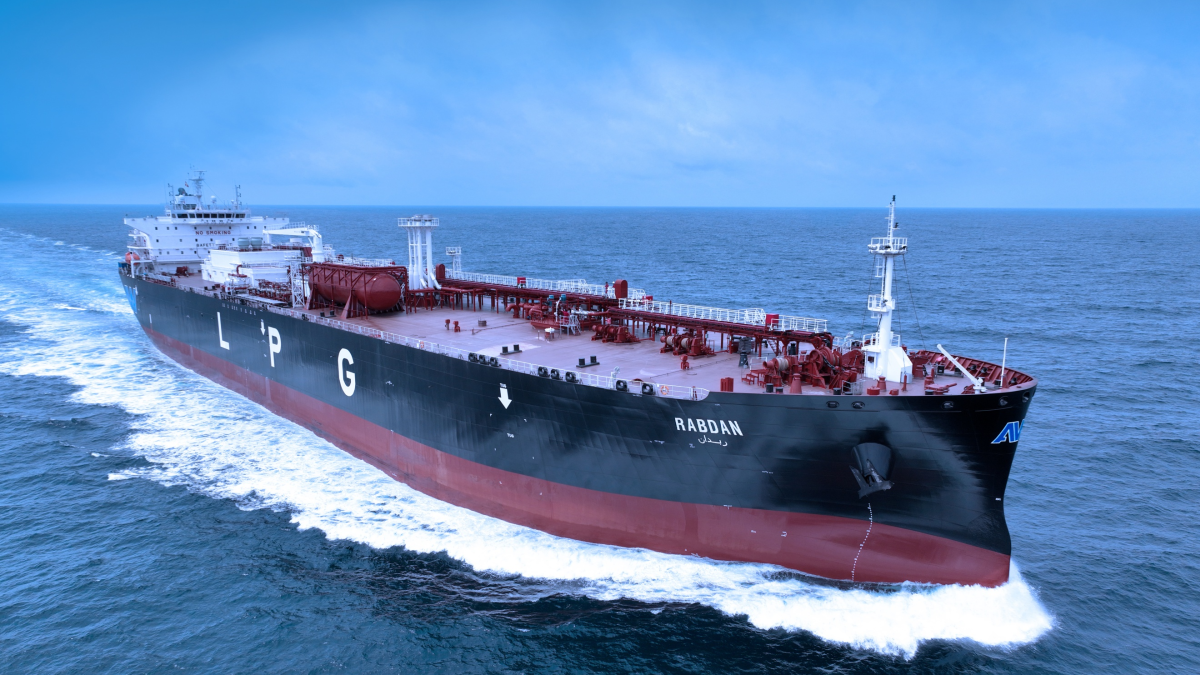
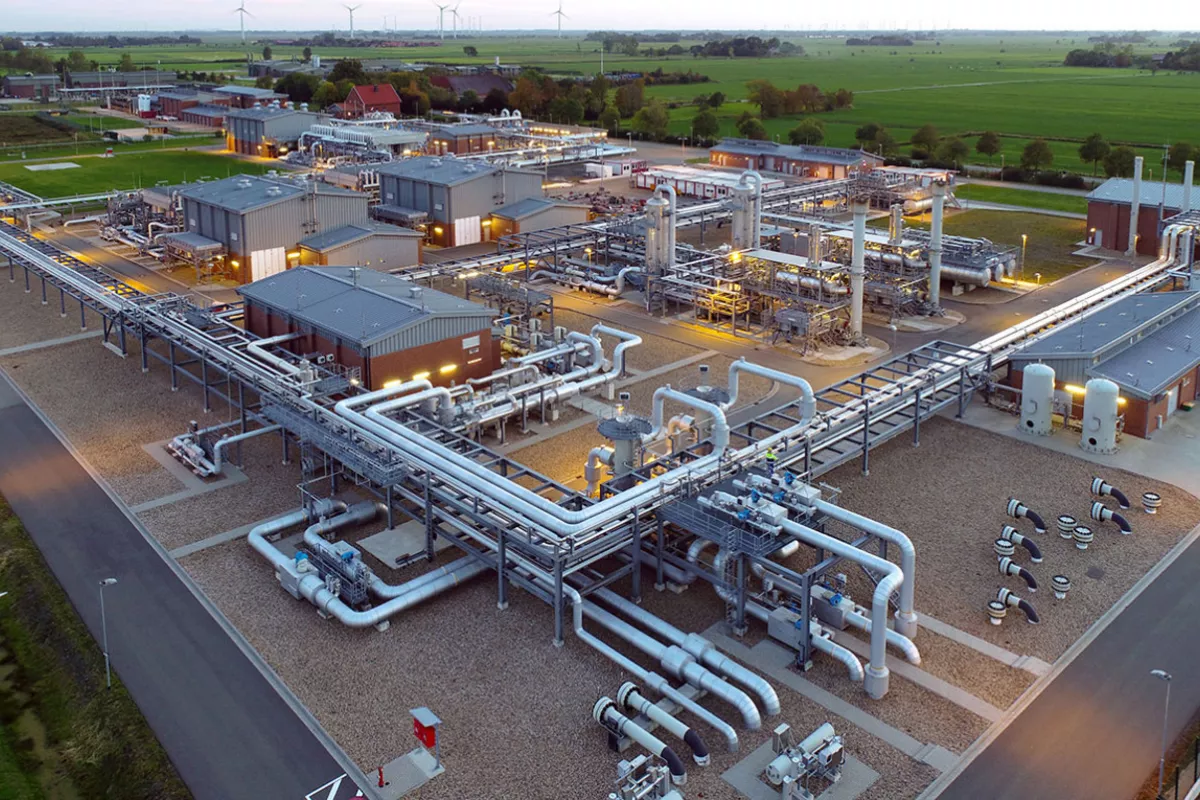
Infrastructure investments in liquefied natural gas facilities and cross border pipelines have strengthened flexibility, but disruptions in any major corridor could ripple outward rapidly.
Financial Market Correlation and Risk Appetite
Equity markets have responded cautiously to energy developments. Major stock indices reflect moderate gains, supported by stable crude pricing.
In modern financial systems, global energy markets function as a barometer for investor confidence. Rising oil prices can trigger inflation concerns, while falling prices may signal weakened demand.
Currency markets in energy exporting nations remain particularly sensitive. Exchange rates adjust swiftly to commodity price movements, influencing fiscal projections and trade balances.
Production Discipline and Export Strategies
Major exporting countries have maintained output discipline to prevent oversupply. Coordinated production strategies have contributed to recent price stability.
Such discipline within global energy markets reduces extreme volatility but requires constant calibration. Exporters must balance revenue targets with market share preservation.
Policy statements from energy ministries emphasize commitment to responsible supply management. These assurances aim to stabilize expectations amid diplomatic uncertainty.
Inflation Pressures and Consumer Impact
Fuel pricing directly affects transportation costs, industrial production expenses, and household budgets. Stable crude prices can ease inflationary trends, while spikes often intensify them.
As policymakers assess inflation outlooks, global energy markets remain central to economic forecasting. Central banks factor commodity stability into interest rate decisions.
Consumers worldwide monitor fuel costs closely, recognizing their influence on daily expenses. The interplay between energy pricing and consumer sentiment underscores the broad reach of market fluctuations.
Investment Trends and Renewable Expansion
Investment flows into renewable energy projects continue expanding. Solar, wind, and hydrogen initiatives are accelerating across regions seeking diversification.
Despite these developments, global energy markets remain deeply anchored in hydrocarbon supply. The transition toward cleaner energy sources is gradual, requiring sustained capital allocation.
Financial institutions increasingly hedge exposure across both traditional and renewable sectors, reflecting strategic adaptation rather than abrupt transformation.
Risks That Could Shift the Balance
Several potential risks threaten stability. Geopolitical escalation, extreme weather events, or unexpected production outages could disrupt equilibrium.
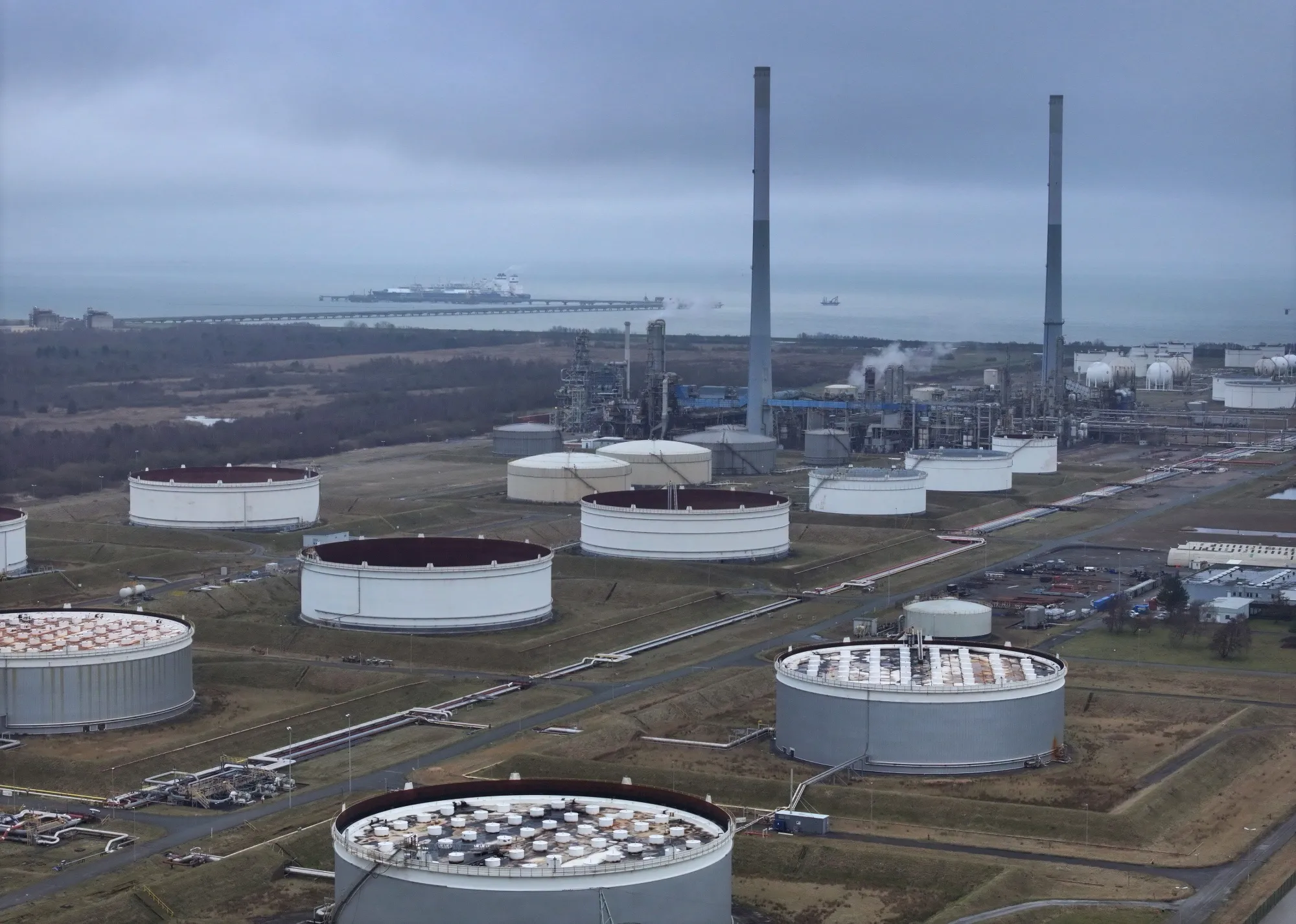
Because global energy markets are highly interconnected, localized incidents often carry international consequences. Shipping bottlenecks or refinery maintenance delays can influence benchmark prices far beyond their origin.
Risk management strategies, including hedging instruments and diversified supply contracts, have become essential tools for market participants.
Historic Comparison
A historic comparison reveals recurring patterns in commodity pricing. In previous decades, energy markets experienced similar periods of diplomatic uncertainty combined with price consolidation. The early twenty first century demonstrated how negotiations, sanctions, and production coordination shaped long term supply frameworks.
Examining earlier phases of global energy markets shows that resilience often depends on adaptability. Market participants who diversified supply sources and strengthened strategic reserves were better positioned during periods of volatility.
History also illustrates that diplomatic engagement frequently reduces uncertainty premiums. While breakthroughs are rare, sustained communication has historically prevented extreme escalation.
One Voice from the Trading Floor
A senior commodity strategist in Geneva summarized the prevailing sentiment during the opening session, stating,
“Markets are not panicking, but they are alert, and alertness often precedes decisive movement.”
The observation reflects cautious anticipation rather than fear.
Strategic Trade Routes and Maritime Security
Energy transit routes remain critical to supply continuity. Key maritime corridors facilitate the movement of crude and liquefied natural gas across continents.
Stability in these corridors reinforces confidence within global energy markets, while disruptions could amplify price volatility.
Security cooperation agreements and naval patrol coordination have strengthened protection measures. However, geopolitical tensions still introduce uncertainty into logistical planning.
Economic Outlook for the Second Half of 2026
Forecasts for the latter half of 2026 suggest moderate growth in energy demand, aligned with steady industrial expansion.
Analysts predict that global energy markets will remain range bound unless disrupted by unforeseen events. Supply discipline and diplomatic engagement may sustain current pricing corridors.
Inflation trends, currency performance, and fiscal policy adjustments will also influence energy consumption patterns.
Geneva’s Role in Shaping Expectations
Switzerland’s diplomatic environment has historically encouraged structured dialogue. The Geneva meetings symbolize commitment to communication rather than confrontation.
As discussions continue, global energy markets appear to be pricing in stability. Even without dramatic breakthroughs, the act of sustained negotiation reduces uncertainty premiums.
Investors prefer clarity over ambiguity. The continuation of talks provides a framework within which pricing expectations can remain anchored.
A Critical Juncture for 2026 Stability
The convergence of diplomacy and commodity economics defines this moment in 2026. Energy pricing reflects equilibrium, yet the underlying system remains sensitive.
For policymakers and investors alike, global energy markets represent both opportunity and vulnerability. Stability fosters growth, while volatility undermines planning.
As Geneva discussions progress, the balance between supply management and diplomatic engagement will determine whether critical pressure intensifies or eases.
The coming months will test the durability of current equilibrium. While calm persists for now, the architecture of international energy stability depends on continued cooperation, disciplined production, and measured policy decisions