

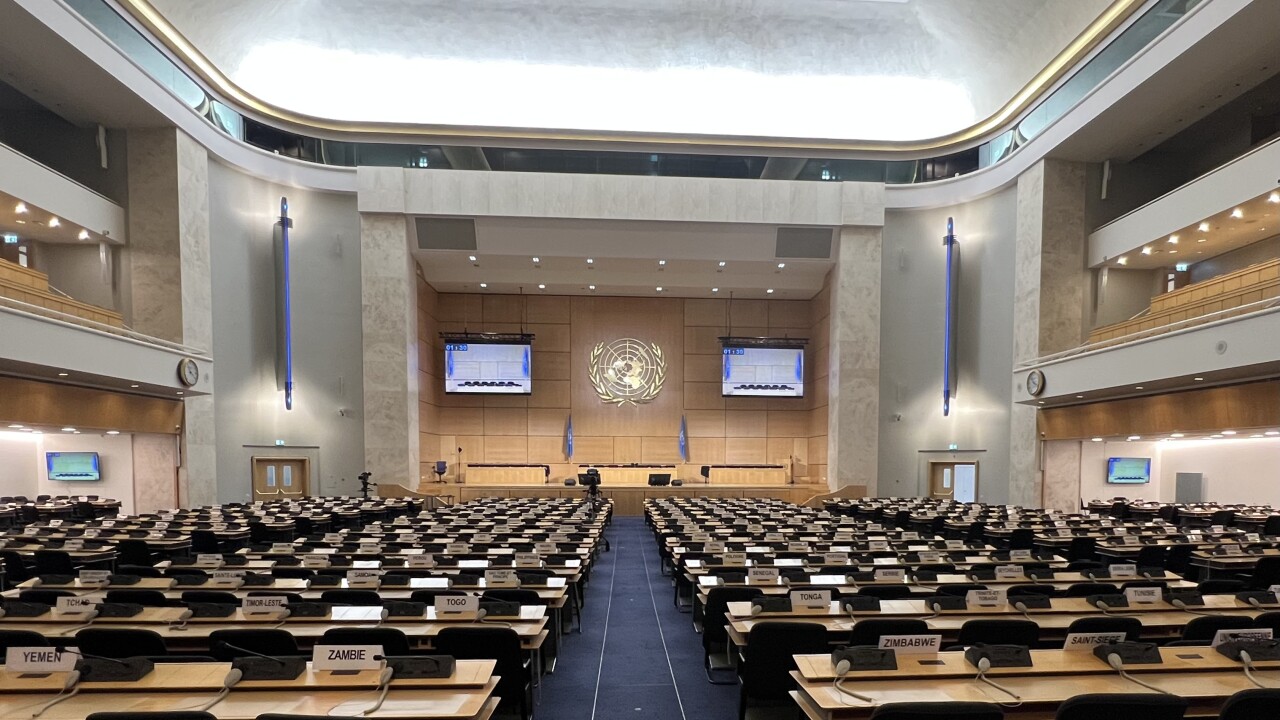
Geneva, Switzerland – February 17, 2026 – According to Parliament News, that In a development drawing worldwide attention, Middle East diplomacy has reemerged as a defining theme of international politics as senior officials convened in Geneva for renewed negotiations. The 2026 meetings, hosted in Switzerland’s long standing diplomatic hub, signal an attempt to stabilize a region whose political trajectory continues to shape global markets, security frameworks, and economic forecasts.
The gathering at the Palais des Nations represents more than a bilateral exchange. It reflects a broader recalibration of foreign policy strategies among global powers navigating inflationary pressures, volatile energy markets, and evolving alliances. Analysts note that when Geneva becomes the stage for high level engagement, expectations often extend beyond immediate policy disputes.
At the heart of the discussions lies the recognition that prolonged instability carries global consequences. From shipping routes to commodity pricing, the ripple effects of regional tension can extend far beyond national borders.
Strategic Context Behind the 2026 Negotiations
The road to Geneva in 2026 has been marked by fluctuating rhetoric, indirect communications, and regional mediation efforts. Over the past year, diplomatic channels remained open even as public statements hardened. Quiet consultations laid the groundwork for formal engagement.
Experts argue that Middle East diplomacy in its modern form requires balancing deterrence with dialogue. Governments involved in the current talks face domestic audiences demanding firmness, yet they also confront economic realities that favor stability. The interplay between these pressures shapes every communiqué and press briefing.
International observers suggest that economic interdependence has increased incentives for cooperation. The region remains central to energy supply, maritime transit, and strategic partnerships. As such, even incremental diplomatic progress can influence broader geopolitical calculations.
Economic Pressures and Energy Market Sensitivity
Energy markets reacted cautiously as news of renewed engagement surfaced. Oil futures experienced measured fluctuations, reflecting investor anticipation of potential supply adjustments. Financial analysts emphasize that diplomatic tone often affects pricing expectations before formal agreements are reached.
In this environment, Middle East diplomacy operates not only as a political process but also as an economic variable. Traders monitor language closely, interpreting subtle shifts as indicators of possible sanctions changes or export policy revisions.
Beyond energy, global equities and currency markets responded with moderate adjustments. Safe haven assets saw temporary demand, while industrial sectors tied to global growth displayed guarded optimism. The financial community recognizes that diplomatic outcomes can ease or intensify inflationary pressures worldwide.
Regional Security Considerations
Security remains a central component of the Geneva discussions. The region’s strategic geography, including vital maritime corridors and proximity to major population centers, underscores the stakes.
Historically, Middle East diplomacy has required layered security assurances and verification frameworks. Agreements have often included inspection regimes, phased implementation timelines, and multilateral oversight mechanisms.
In 2026, negotiators are again confronting questions related to compliance standards and monitoring protocols. Diplomats involved in the process acknowledge that trust must be reinforced through measurable actions rather than symbolic gestures.
Political Calculations at Home and Abroad
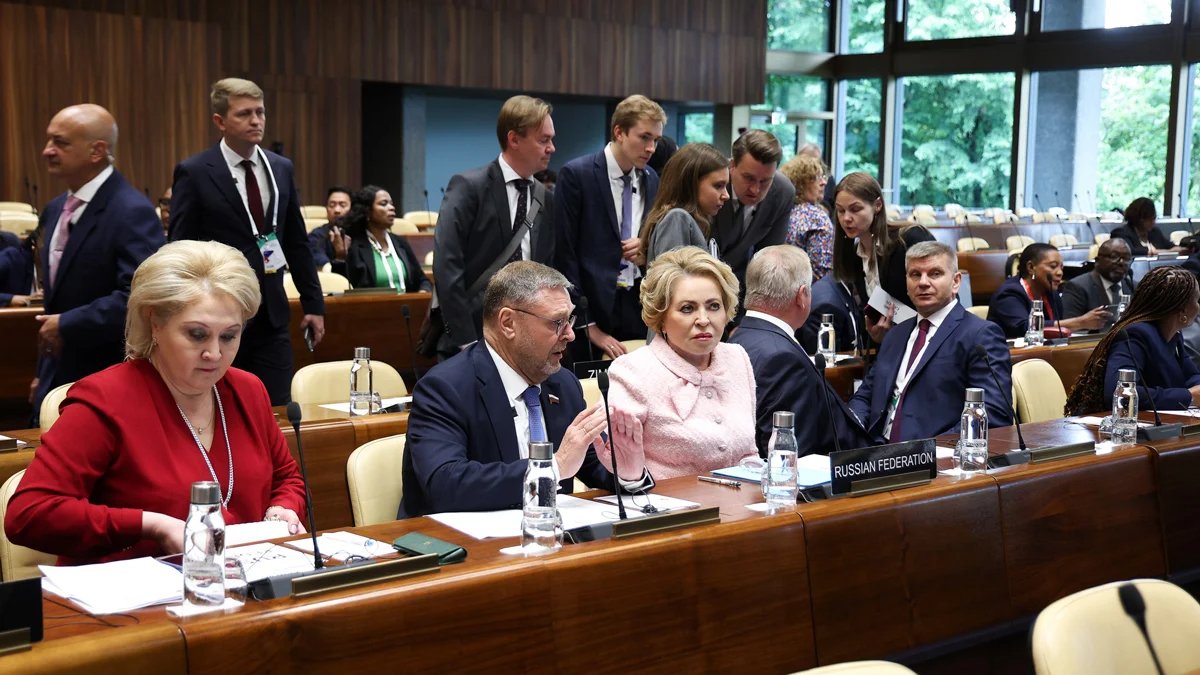
Leaders participating in the Geneva talks operate within complex domestic political environments. Public opinion, legislative dynamics, and economic performance all influence diplomatic flexibility.
Observers note that Middle East diplomacy often involves managing perceptions as carefully as negotiating technical details. Political narratives can shape how agreements are received, potentially affecting their durability.
In Geneva, officials have adopted cautious language, emphasizing constructive engagement while avoiding definitive predictions. Such phrasing reflects awareness that premature optimism or pessimism can unsettle markets and domestic constituencies alike.
Multilateral Engagement and International Institutions
Switzerland’s neutral platform once again provides a venue designed to encourage compromise. The Palais des Nations carries symbolic weight as a site associated with dialogue and conflict resolution.
The renewed emphasis on Middle East diplomacy has drawn attention from international institutions seeking to reinforce multilateral norms. Legal frameworks and treaty obligations play critical roles in shaping potential outcomes.
Diplomats involved in the negotiations stress that transparency and verification remain central principles. Without credible oversight, even carefully drafted agreements may struggle to gain international acceptance.
One Quote That Reflects the Moment
During a briefing following the opening session, a senior European mediator summarized the prevailing sentiment in a single statement:
“Diplomacy is the bridge between uncertainty and stability, and in moments like these, that bridge must be strong.”
The comment encapsulates the broader expectation that sustained dialogue can mitigate risks that would otherwise ripple across economies and security systems worldwide.
Market Volatility and Investor Outlook
Financial institutions continue to analyze each development emerging from Geneva. While initial reactions have been measured, volatility remains a possibility.
The relationship between Middle East diplomacy and investor sentiment is longstanding. Commodity traders, equity strategists, and currency analysts all incorporate geopolitical assessments into risk models.
Should negotiations yield confidence building measures, markets may gradually stabilize. Conversely, abrupt setbacks could renew uncertainty premiums embedded in asset prices.
Verification Mechanisms and Technical Frameworks
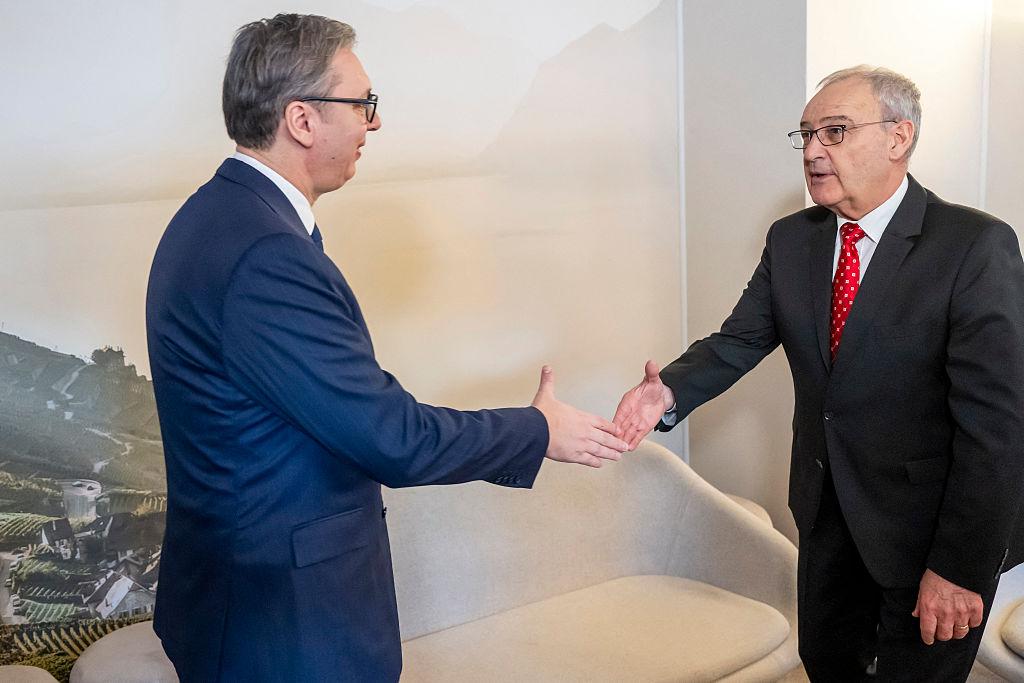
Technical working groups are reportedly addressing detailed aspects of compliance, enrichment limitations, and inspection access. Such discussions, though less visible than public statements, often determine the viability of broader agreements.
Past experiences demonstrate that Middle East diplomacy requires patience and precision. Negotiators must reconcile scientific standards with political constraints.
Phased implementation plans are under consideration, allowing incremental progress while maintaining accountability. Experts note that gradual steps may build trust more effectively than sweeping declarations.
Humanitarian and Social Dimensions
Beyond geopolitics and economics, prolonged instability has affected civilian populations. Economic hardship, limited foreign investment, and disrupted trade have contributed to regional challenges.
Advocates argue that effective Middle East diplomacy could open pathways for economic revitalization and cross border cooperation initiatives. While immediate outcomes may focus on security frameworks, long term benefits could extend into broader social and economic development.
Global Supply Chains and Strategic Trade Routes
The Middle East occupies a pivotal role in global logistics networks. Shipping corridors and energy transit routes connect producers and consumers across continents.
Renewed engagement in Geneva highlights how Middle East diplomacy intersects with maritime security and supply chain resilience. Governments and corporations alike are assessing potential implications for trade flows.
Even modest improvements in stability could reduce insurance costs and enhance investor confidence in regional infrastructure projects.
Diplomatic Messaging and Media Narratives
Media coverage has amplified the significance of the Geneva meetings. Headlines emphasize potential breakthroughs, while analysts caution against overinterpretation.
In an era of instantaneous information flow, Middle East diplomacy unfolds under intense public scrutiny. Statements issued in Geneva reverberate across digital platforms within moments.
Diplomats are therefore calibrating communication strategies carefully, aware that perception can influence both domestic politics and market responses.
Historic Comparison
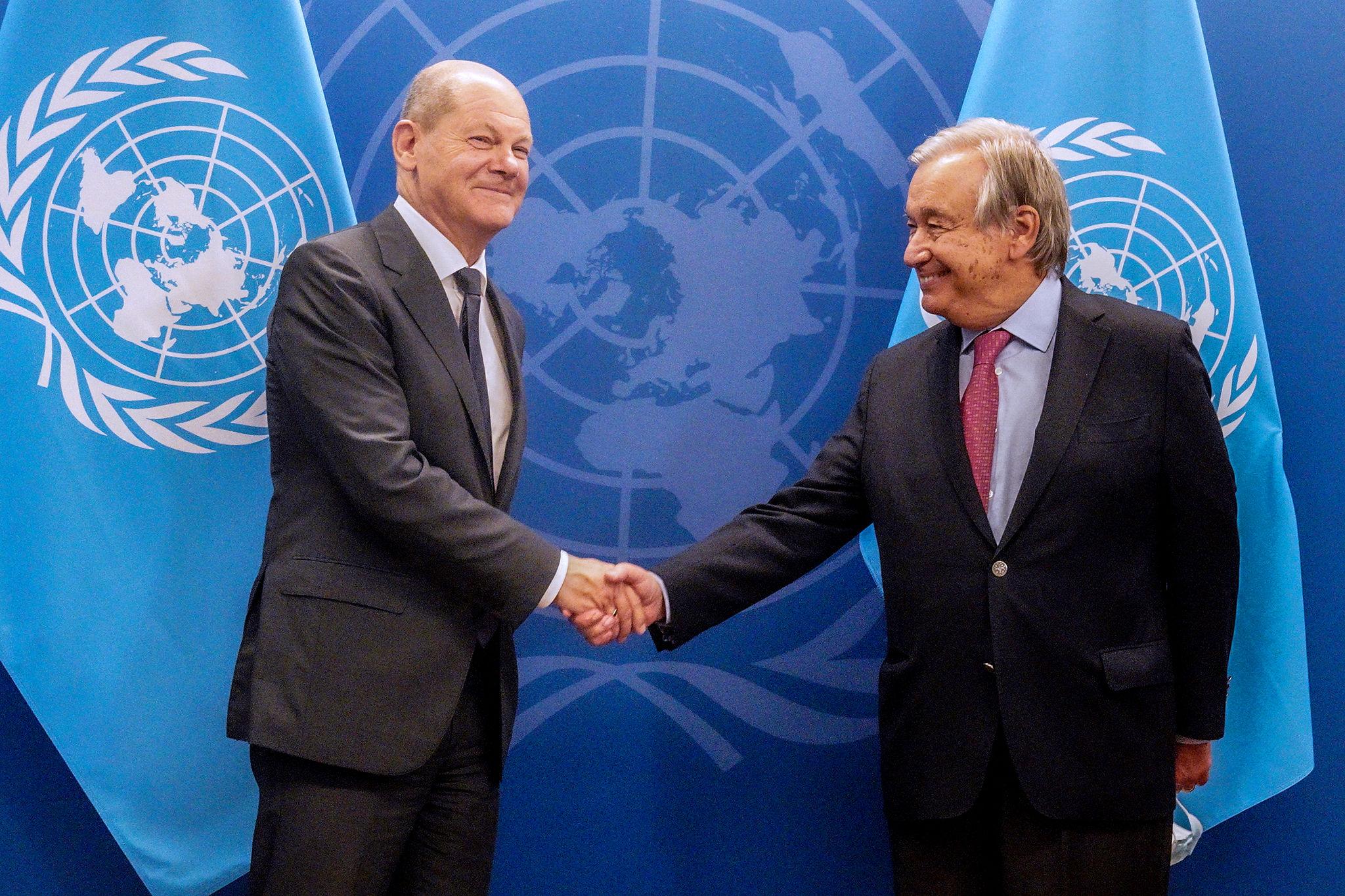
A historic comparison reveals recurring patterns in regional negotiations. Previous agreements often emerged after prolonged periods of tension, followed by phased confidence building measures. Diplomatic efforts in the early twenty first century demonstrated both the potential for breakthrough and the fragility of consensus.
Examining earlier cycles of Middle East diplomacy provides context for current expectations. While circumstances differ, underlying themes remain consistent: verification, phased compliance, and multilateral endorsement.
History suggests that durable outcomes depend on sustained engagement rather than singular dramatic announcements. Observers caution that patience and incremental progress are more realistic benchmarks than immediate resolution.
Domestic Economic Considerations in 2026
Economic performance remains a driving force behind policy decisions. Inflationary pressures and fiscal challenges influence diplomatic calculations.
Renewed emphasis on Middle East diplomacy coincides with efforts to stabilize commodity prices and maintain investor confidence. Policymakers recognize that prolonged volatility can weaken economic resilience.
As such, negotiations in Geneva are unfolding within a broader macroeconomic context that underscores the interconnectedness of geopolitics and growth prospects.
Regional Alliances and Strategic Balancing
Allied governments across the region are evaluating potential outcomes. Strategic partnerships may shift depending on the trajectory of the Geneva talks.
Analysts argue that Middle East diplomacy often requires balancing national sovereignty with regional security frameworks. The 2026 discussions highlight this delicate equilibrium.
Neighboring states have signaled cautious optimism, emphasizing that transparency and compliance will determine the sustainability of any agreement.
The Role of Energy Transition
While fossil fuels remain central to regional economics, global energy transitions are gradually reshaping strategic calculations.
In this evolving landscape, Middle East diplomacy intersects with broader debates about renewable energy investment and long term demand projections. Governments are considering how diplomatic stability might facilitate diversification initiatives.
Energy transition strategies may influence negotiating positions, particularly as nations seek to align economic development with environmental commitments.
Prospects for Incremental Progress
Diplomatic experts suggest that initial outcomes may focus on limited confidence building measures rather than comprehensive accords. Incremental agreements can establish momentum.
The ongoing emphasis on Middle East diplomacy reflects recognition that sustained dialogue is preferable to prolonged confrontation. Even partial steps can reduce uncertainty.
Observers remain attentive to official communiqués, searching for language that signals compromise or renewed divergence.
Global Implications Beyond the Region
The Geneva talks carry implications extending far beyond regional borders. From Europe to Asia, governments monitor developments closely.
Financial systems, energy markets, and security alliances are influenced by the trajectory of Middle East diplomacy. The interconnected nature of the global economy amplifies the significance of regional negotiations.
As 2026 unfolds, policymakers worldwide are assessing how diplomatic progress or setbacks might reshape strategic planning.
Geneva’s Enduring Diplomatic Legacy
Switzerland’s reputation as a neutral venue reinforces the credibility of the process. The Palais des Nations symbolizes continuity in international engagement.
The renewed focus on Middle East diplomacy underscores Geneva’s enduring role in facilitating dialogue. Diplomatic architecture developed over decades provides a framework for contemporary negotiations.
Whether the 2026 talks culminate in lasting agreements remains uncertain. However, the act of engagement itself signals recognition that dialogue remains essential.
A Measured Path Forward in 2026
As discussions continue, expectations remain balanced between cautious optimism and pragmatic realism. Diplomatic progress often unfolds gradually, shaped by political will and technical precision.
The renewed prominence of Middle East diplomacy in Geneva reflects a broader understanding that stability benefits not only the region but the global community. Markets, governments, and citizens alike await further developments.
For now, Geneva stands once again at the intersection of negotiation and uncertainty, where outcomes may influence global trajectories in the months and years ahead.