


London, United Kingdom – February 17, 2026 – According to Parliament News, that Energy market analysis presented in London 2026 indicates a complex and shifting global environment shaped by geopolitical recalibration, supply discipline and evolving consumption patterns. Policymakers, commodity strategists and institutional investors gathered in the capital to evaluate oil benchmarks, macroeconomic indicators and production forecasts that will define pricing through the remainder of the year.
The current energy market analysis reflects a delicate balance. Supply chains appear stable but remain vulnerable to diplomatic disruption. Demand forecasts show resilience in transportation and industry, yet global growth signals remain uneven. Market participants describe the environment as cautious but constructive, emphasizing preparedness over speculation.
Early trading sessions in 2026 have demonstrated how quickly sentiment can turn. Oil futures have reacted sharply to both diplomatic developments and economic releases, reinforcing the interconnected nature of modern commodity markets.
Geopolitical Stability and Supply Sensitivity
One of the primary drivers shaping current pricing conditions is geopolitics. Energy market analysis continues to highlight the impact of regional tensions on production and shipping routes. Even incremental diplomatic progress can reduce perceived risk premiums embedded in futures contracts.
Shipping security in key maritime corridors remains central to supply confidence. Traders closely monitor updates from producing nations and international agencies to assess potential disruptions. While several regions have experienced reduced friction in early 2026, markets remain sensitive to unexpected developments.
The present environment illustrates how supply risk perception influences price movement as much as actual output volumes. Investors price in expectations rapidly, often before confirmed changes materialize.
Production Discipline and Coordinated Output
Global production strategies have played a stabilizing role in recent months. Major exporters continue to adjust output carefully to maintain equilibrium between supply and demand. This coordinated approach has helped prevent excessive inventory accumulation.
Energy market analysis suggests that production restraint has supported price floors even during periods of weaker macroeconomic data. At the same time, producers are wary of tightening supply too aggressively, which could incentivize alternative production elsewhere.
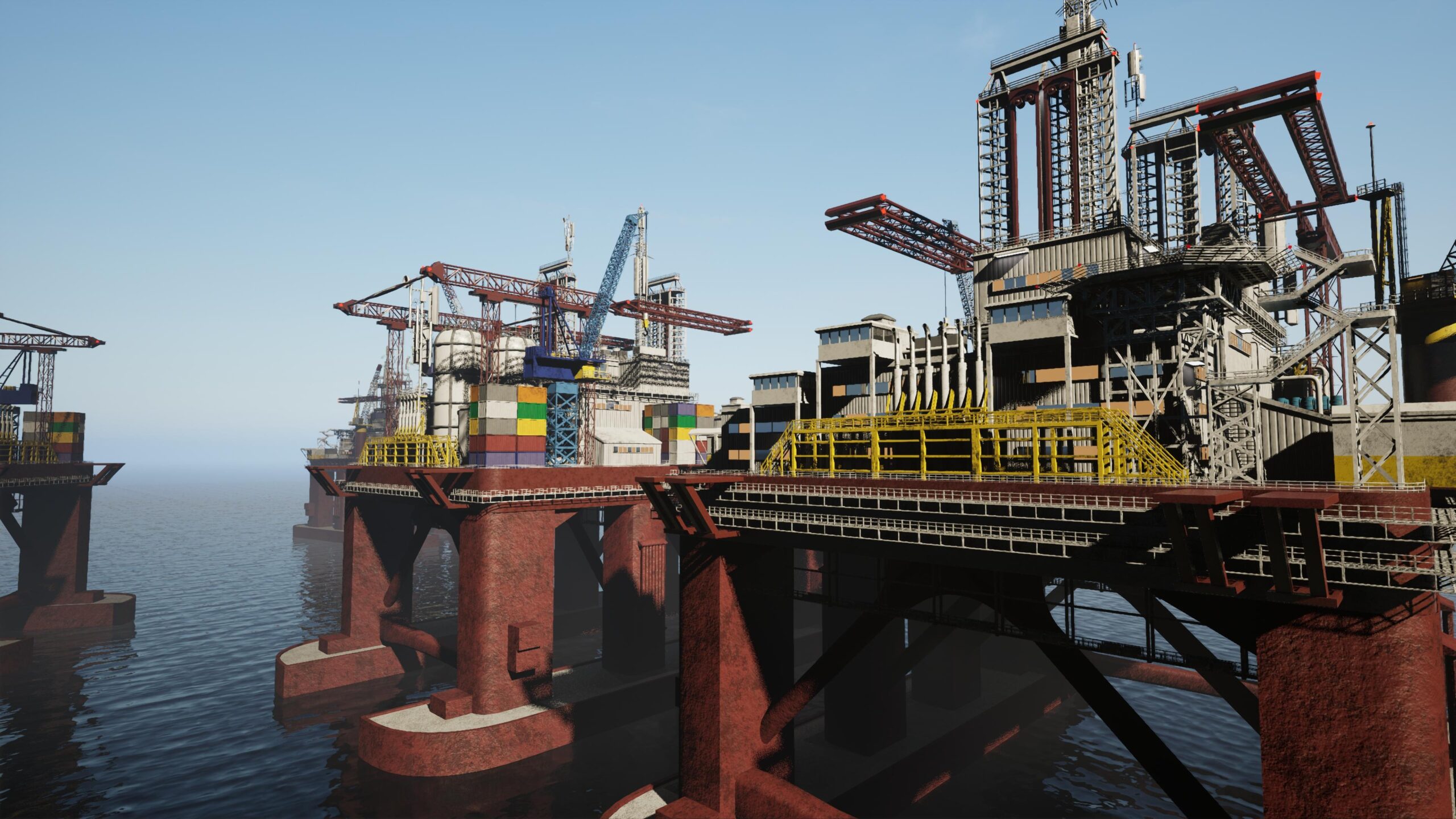
Technological improvements in offshore drilling and shale extraction continue to expand production flexibility. Operators can increase or decrease output more efficiently than in previous decades, enhancing responsiveness to market signals.
Demand Dynamics Across Major Economies
Oil consumption patterns are evolving in response to economic shifts. Transportation fuel demand remains strong in emerging markets, supported by urbanization and expanding logistics networks. Meanwhile, some advanced economies show moderated industrial consumption due to efficiency gains.
Energy market analysis reveals that aviation recovery has contributed significantly to demand stabilization. Freight movement tied to global trade also supports baseline consumption levels.
However, economic slowdowns in certain regions introduce uncertainty. Inflationary pressures and currency volatility may influence purchasing power, potentially moderating short term demand growth.

Financial Market Interactions and Investment Flows
Commodity markets operate within a broader financial ecosystem. Institutional investors allocate capital across asset classes based on risk appetite and macroeconomic expectations. Energy futures are often influenced by currency trends, bond yields and equity performance.
Energy market analysis demonstrates that speculative positioning can amplify price swings. Algorithmic trading systems respond instantly to headlines, magnifying short term movements.
Risk management strategies among hedge funds and pension funds increasingly incorporate scenario modeling that accounts for geopolitical risk, climate policy shifts and production adjustments.
Strategic Reserves and Government Intervention
National governments maintain petroleum reserves as a safeguard against supply shocks. Decisions regarding reserve releases or replenishment influence trader expectations.
Energy market analysis incorporates these policy tools into predictive frameworks. Announcements of reserve utilization can temporarily ease upward pressure, while commitments to replenish stockpiles may support pricing stability.
Governments emphasize that such measures are designed to prevent market panic rather than shape long term price trajectories.
Infrastructure Investment and Supply Chain Modernization
Investment in pipelines, refineries and port facilities continues to reshape supply chains. Modernized infrastructure reduces bottlenecks and improves efficiency, enhancing global distribution networks.
Energy market analysis increasingly accounts for logistical resilience. Improved infrastructure can mitigate localized disruptions and prevent minor incidents from escalating into widespread shortages.
Digital monitoring systems now provide real time tracking of shipments and production levels, allowing faster response to emerging risks.
Renewable Integration and Structural Evolution
The global push toward renewable energy adds complexity to the oil outlook. Governments are investing heavily in solar, wind and battery storage. Electric vehicle adoption is gradually reshaping transportation demand patterns.
Energy market analysis reflects this structural shift while acknowledging that oil remains critical for aviation, shipping and petrochemicals. The transition is gradual rather than abrupt, creating a period of coexistence between traditional and renewable sources.
Energy companies are diversifying portfolios to adapt to policy incentives and investor expectations focused on sustainability.
Corporate Strategy and Capital Discipline
Major energy firms have adopted disciplined capital allocation frameworks. Shareholder returns and balance sheet strength are prioritized alongside selective exploration.
Energy market analysis indicates that companies are cautious about aggressive expansion unless supported by durable demand signals. Efficiency improvements and cost optimization remain central to maintaining profitability during volatility.
Strategic partnerships and joint ventures help distribute risk and accelerate technological advancement.
Consumer Impact and Inflationary Considerations
Energy prices influence household budgets and corporate operating costs. Fluctuations in crude benchmarks affect transportation expenses, heating costs and manufacturing inputs.
Energy market analysis underscores the ripple effect of oil pricing across inflation metrics. Policymakers monitor these trends closely to inform monetary decisions.
Moderate pricing stability supports economic planning, while abrupt spikes can trigger broader financial stress.
Historic Comparison: Lessons From Past Energy Cycles
Historical cycles provide perspective on current conditions. During previous decades, energy markets experienced sharp supply shocks triggered by geopolitical crises and coordinated embargoes. Those events led to dramatic price surges and prolonged economic disruption.
Energy market analysis today reveals a more interconnected and responsive system. Technological advancement, diversified production sources and enhanced data transparency reduce the likelihood of prolonged shocks comparable to earlier eras.
Nevertheless, the historical record reminds policymakers that complacency can amplify risk. Strategic diversification and disciplined output remain essential safeguards.
A Single Voice From the Market
One veteran commodity strategist summarized the present environment by stating,
“Comprehensive energy market analysis shows that resilience in supply chains matters more than short term speculation.”
This perspective reflects broader consensus among industry leaders that stability depends on structural strength rather than reactive trading.

Outlook Through the Remainder of 2026
Forecast models project moderate price ranges provided that diplomatic progress continues and global growth remains steady. Unexpected disruptions remain the primary wildcard.
Energy market analysis anticipates periodic volatility but not extreme dislocation. Balanced output and diversified sourcing are expected to contain severe swings.
Market participants emphasize vigilance, integrating economic data releases and geopolitical updates into daily trading decisions.
The Convergence of Risk and Resilience in Modern Energy Systems
As London 2026 continues, the broader narrative centers on adaptation. Energy market analysis captures a world in transition where geopolitical negotiation, technological progress and environmental priorities converge.
Energy systems are no longer defined solely by supply volume. They are shaped by governance frameworks, investment strategy and cross border cooperation. The resilience of these systems will determine how effectively markets navigate uncertainty.
In this evolving environment, informed evaluation and disciplined planning remain critical. While volatility is inevitable, structural strength and coordinated oversight provide a foundation for stability in the global energy landscape.