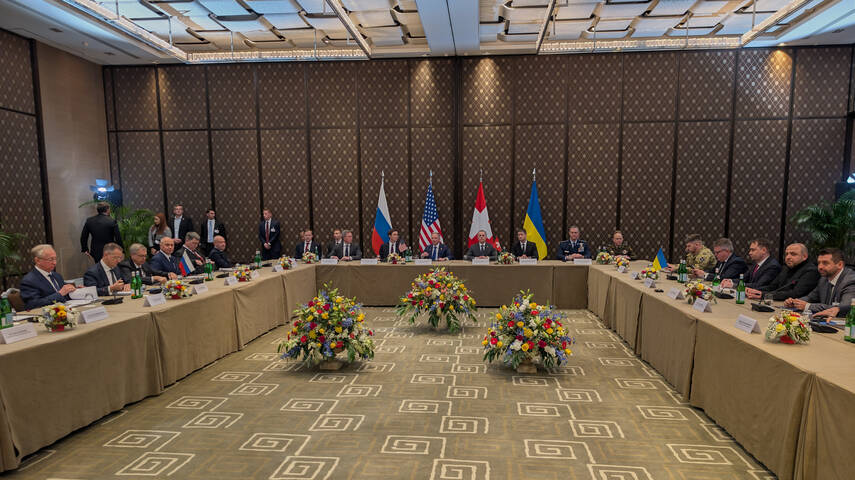
Geneva, Switzerland – February 18, 2026 | Parliament News — The Ukraine Russia peace talks entered a critical second phase on Wednesday in Geneva, where diplomats continued negotiations aimed at easing tensions and seeking a structured path toward de escalation. The meetings in 2026 come at a moment of heightened political pressure on Kyiv and renewed global attention on whether diplomacy can shift the course of Europe’s most destabilizing conflict.
Behind the heavy wooden doors of the Palais des Nations, delegations resumed structured discussions early in the morning. While no sweeping agreements have been announced, officials confirmed that dialogue remains active and that technical working groups are reviewing specific proposals tied to security arrangements, humanitarian protections, and territorial governance.
The continuation of negotiations signals cautious determination from both sides to keep communication open, even as differences remain significant.
Structured Diplomacy Returns to Geneva
The Ukraine Russia peace talks are unfolding in a city long associated with neutrality and multilateral negotiation. Switzerland’s diplomatic legacy provides a setting designed to encourage careful dialogue rather than public confrontation.
On the second day, negotiators focused on narrowing differences in specific policy areas. Diplomatic sources described the atmosphere as measured and professional, with fewer public statements and more emphasis on practical outcomes.
Observers say that simply maintaining sustained engagement represents progress compared to earlier periods of stalled communication. International mediators are working to ensure that discussions remain productive and shielded from external political theatrics.
Pressure Builds Around Kyiv’s Position
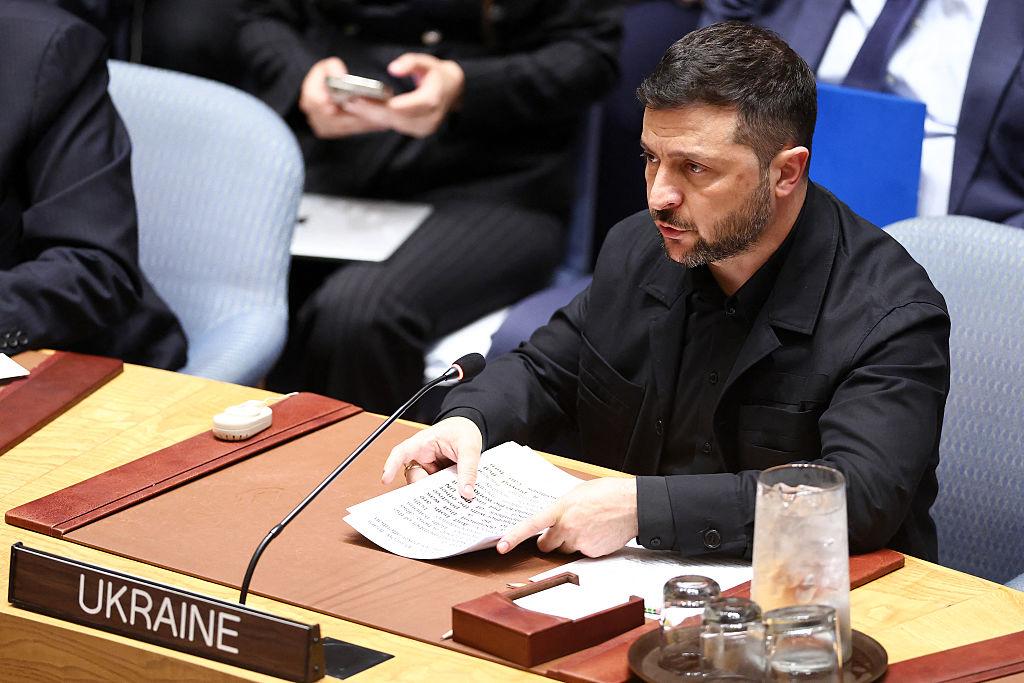
As the Ukraine Russia peace talks advance, Kyiv faces mounting expectations from both domestic audiences and international partners. Ukrainian officials continue to assert that sovereignty and territorial integrity are foundational principles that cannot be compromised.
At the same time, economic strain and humanitarian realities have intensified calls for pragmatic diplomacy. European leaders have privately encouraged flexibility while publicly affirming support for Ukraine’s long term security.
A senior European diplomat present in Geneva stated,
“Every negotiation carries weight, but the priority must remain the protection of civilians and the stability of the region.”
Balancing these pressures remains one of the most delicate challenges facing Ukraine’s delegation.
Moscow’s Strategic Framing
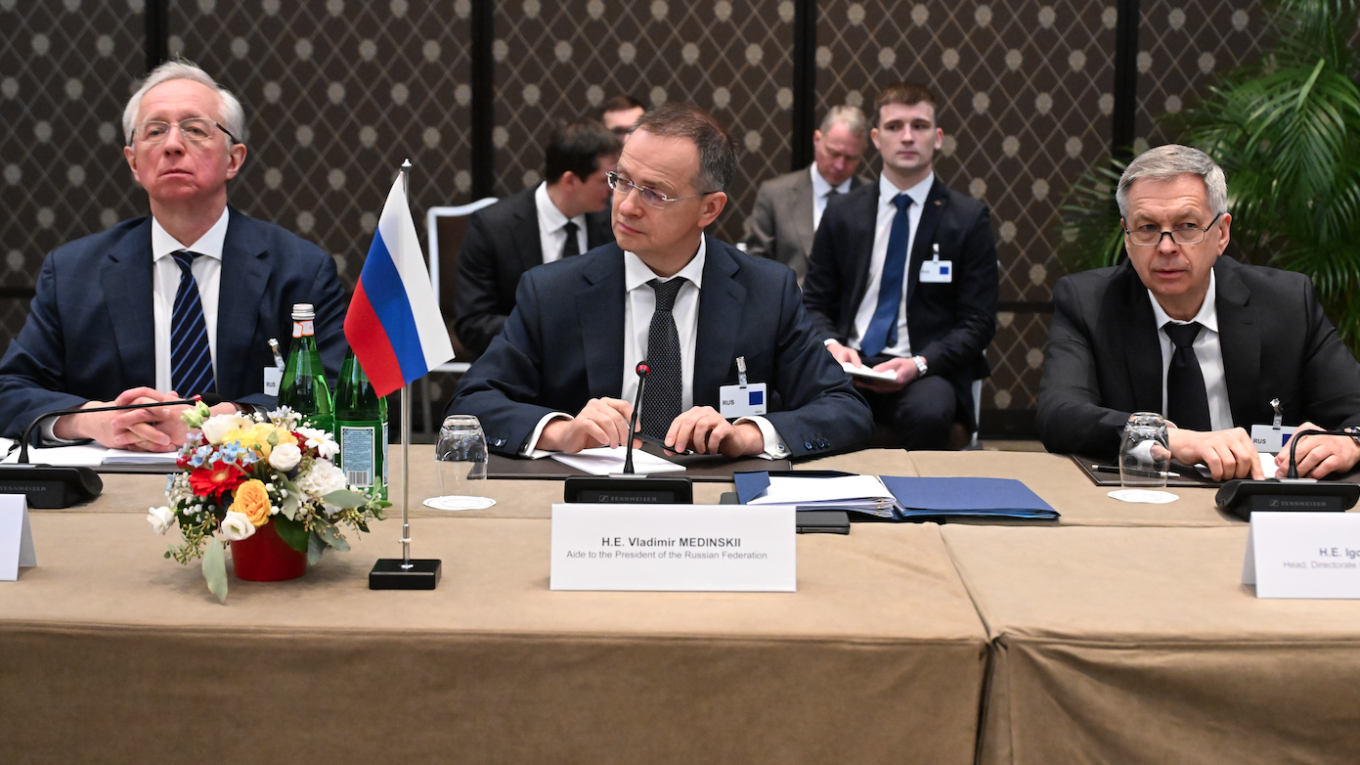
Russian representatives have framed their participation in the Ukraine Russia peace talks as part of a broader reassessment of European security architecture. Officials emphasize what they describe as the need for legally binding security guarantees.
While rhetoric remains firm in public messaging, negotiators are reportedly exploring phased de escalation models. Discussions include mechanisms for reducing troop deployments and increasing transparency around military activities.
Analysts caution that translating conceptual proposals into enforceable agreements will require extensive technical drafting and verification procedures.
Humanitarian Priorities Dominate Early Sessions
One of the central themes in the Ukraine Russia peace talks is the urgent need to address humanitarian concerns. Delegations have reportedly discussed expanding prisoner exchanges and securing additional corridors for aid delivery.
International relief agencies have urged negotiators to prioritize access to essential supplies, especially as winter conditions complicate logistics for displaced populations.
A United Nations official familiar with the talks remarked,
“Progress may be gradual, but even incremental steps can save lives when implemented effectively.”
Such measures could serve as confidence building actions, laying groundwork for broader political discussions.
Economic Reverberations Beyond Europe
The global economic impact of the conflict continues to shape the urgency surrounding the Ukraine Russia peace talks. Energy markets, agricultural exports, and commodity pricing remain sensitive to developments in the region.
Financial analysts in major capitals are monitoring Geneva closely, viewing sustained diplomacy as a stabilizing factor even if immediate breakthroughs remain unlikely.
Reconstruction funding frameworks have reportedly surfaced as a topic of informal discussion. International institutions are preparing contingency planning should negotiations eventually lead to a durable ceasefire.
Security Guarantees and Legal Frameworks
Among the most complex issues in the Ukraine Russia peace talks are security guarantees and legal definitions of contested territories. Ukraine seeks enforceable commitments that deter future aggression, while Russia insists on addressing what it calls long standing security concerns.
Legal scholars advising mediators are examining precedents from past international agreements. However, applying historical templates to present realities presents substantial challenges.
The success of negotiations may hinge on creative diplomatic solutions capable of satisfying core concerns without undermining sovereignty.
The Role of European and Global Mediators
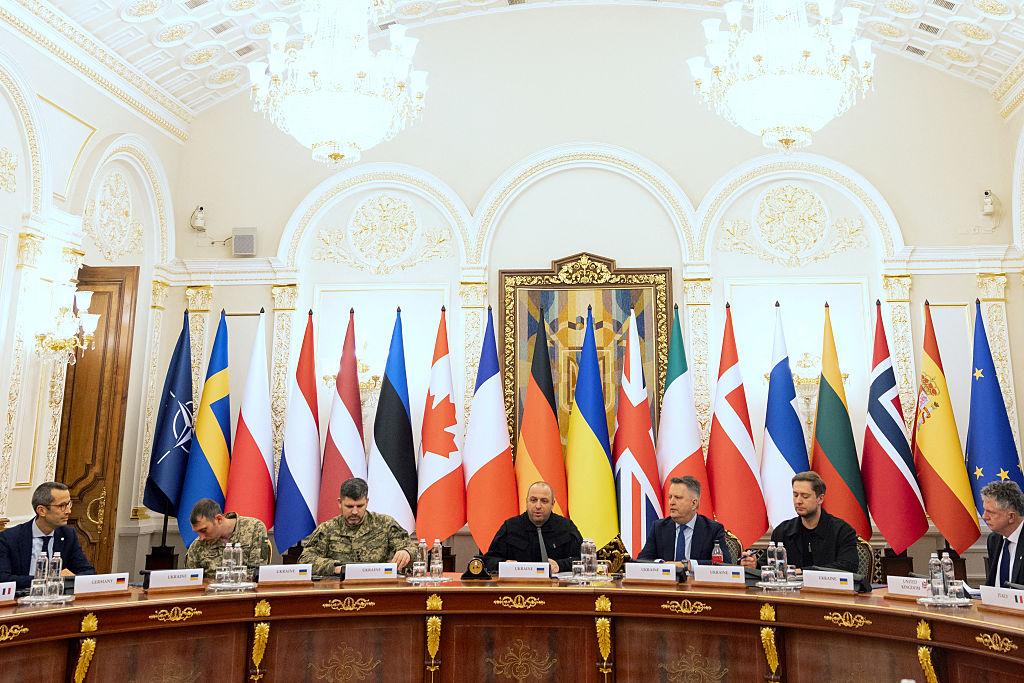
European diplomats have played a central role in facilitating the Ukraine Russia peace talks, coordinating closely with international partners to maintain structured dialogue.
Mediators have organized discussions into smaller technical committees to streamline complex topics. This approach allows subject matter experts to address detailed provisions without escalating political tensions.
Switzerland’s neutral environment provides logistical and symbolic support for the process, reinforcing the seriousness of the negotiations.
Public Sentiment and Political Constraints
Public opinion in both Ukraine and Russia remains deeply shaped by years of conflict. Leaders participating in the Ukraine Russia peace talks must consider domestic audiences that demand firm positions.
Managing expectations presents a strategic challenge. Premature announcements risk backlash, while excessive secrecy may erode trust.
Analysts suggest that gradual communication, emphasizing humanitarian progress, may help maintain public confidence in the process.
History of Diplomatic Engagement Between Kyiv and Moscow
The current Ukraine Russia peace talks represent the latest chapter in a complex diplomatic history stretching back decades. Previous negotiations have included ceasefire agreements, multilateral accords, and bilateral discussions that achieved varying degrees of implementation.
Some earlier frameworks collapsed under political pressure or shifting military realities. Others produced limited but meaningful humanitarian outcomes.
Understanding this historical context is essential to assessing present negotiations. Diplomacy between Kyiv and Moscow has often advanced in incremental steps rather than dramatic transformations.
Regional Security and Long Term Stability
European security architecture has evolved significantly since the onset of hostilities. Defense spending, alliance coordination, and strategic planning have all shifted.
The Ukraine Russia peace talks may influence future NATO positioning and European Union security policy. Even partial agreements could recalibrate defense priorities across the continent.
Long term stability will likely depend not only on formal agreements but also on sustained international oversight and verification mechanisms.
Communication Strategy and Media Coverage
Both delegations have limited public commentary during the Ukraine Russia peace talks. Official briefings emphasize process rather than specifics.
Media outlets in Europe and beyond continue to track developments closely. The careful management of information reflects awareness that public perception can influence negotiation dynamics.
Diplomatic experts argue that measured communication helps preserve space for compromise.
Incremental Progress Versus Comprehensive Settlement
Negotiators acknowledge that comprehensive settlement may require extended dialogue beyond the current sessions. The Ukraine Russia peace talks are structured to address immediate priorities first, followed by more complex political matters.
Phased implementation models are reportedly under discussion. These could include temporary measures designed to build trust before tackling long term territorial and security questions.
The approach underscores recognition that durable peace often develops through successive agreements rather than a single grand accord.
The Human Dimension Behind Closed Doors
Beyond legal frameworks and geopolitical strategy, the Ukraine Russia peace talks carry profound human consequences. Families affected by displacement, economic hardship, and loss look to Geneva for signs of relief.
Diplomats participating in the sessions describe the weight of responsibility they carry. Decisions made in negotiation rooms ripple outward into communities across the region.
While political calculations remain central, humanitarian urgency continues to shape the tone of discussions.
Diplomatic Calculus in a Critical Year
In 2026, geopolitical alignments and domestic political cycles add complexity to the Ukraine Russia peace talks. Leaders must weigh negotiation outcomes against broader strategic considerations.
International partners emphasize the importance of sustaining dialogue regardless of immediate outcomes. The continuation of discussions itself reduces the risk of miscalculation.
The coming days will reveal whether current momentum can translate into tangible commitments.
Geneva at the Center of Global Attention
Geneva’s skyline overlooking Lake Léman stands in contrast to the gravity of conversations taking place inside diplomatic chambers. Yet symbolism matters.
The city’s legacy of hosting transformative negotiations lends credibility to the Ukraine Russia peace talks. Neutral ground can provide psychological reassurance that dialogue remains possible.
Whether 2026 becomes remembered as a turning point will depend on the substance of agreements reached in these sessions.
A Fragile Window for Peace
As negotiations continue, optimism remains cautious. Diplomatic insiders caution against premature celebration while acknowledging incremental progress.
The Ukraine Russia peace talks have not yet produced definitive outcomes. However, sustained engagement suggests recognition from both sides that prolonged instability serves no strategic interest.
For now, Geneva remains the focal point of international diplomacy, where quiet conversations carry the potential to reshape Europe’s future. The world watches closely, aware that fragile opportunities can either fade or evolve into lasting change depending on the choices made in these pivotal moments.