

Science society convention 2026 convenes in Chicago with global participation.
Researchers address funding, innovation, and public trust in science.
Policy, diversity, and technology shape discussions across disciplines.
Chicago, United States — February 18, 2026 — Parliament News — The science society convention 2026 officially opened in Chicago this week, bringing together thousands of researchers, academic leaders, and policymakers from around the world. The annual gathering, widely regarded as one of the most influential forums in global science, combines research presentations, policy dialogue, and institutional planning sessions.
The science society convention 2026 arrives at a time when scientific institutions face heightened scrutiny over funding, public communication, and representation within research communities. Organizers emphasized that this year’s agenda seeks to balance scientific rigor with meaningful dialogue about the broader role of science in society.
Attendance exceeded initial expectations, reflecting sustained international interest in interdisciplinary collaboration.
Breakthrough Research Takes Center Stage
The science society convention 2026 showcased cutting edge research across multiple disciplines, including artificial intelligence, biomedical innovation, climate modeling, renewable energy systems, and quantum computing.
Keynote speakers presented findings aimed at accelerating climate resilience strategies and expanding medical treatment options through precision diagnostics. Poster sessions filled expansive exhibition halls, enabling early career scientists to share discoveries with senior researchers.
The event’s scientific focus reinforced its longstanding mission to promote collaboration and accelerate innovation. Participants described the atmosphere as intellectually dynamic and globally diverse.
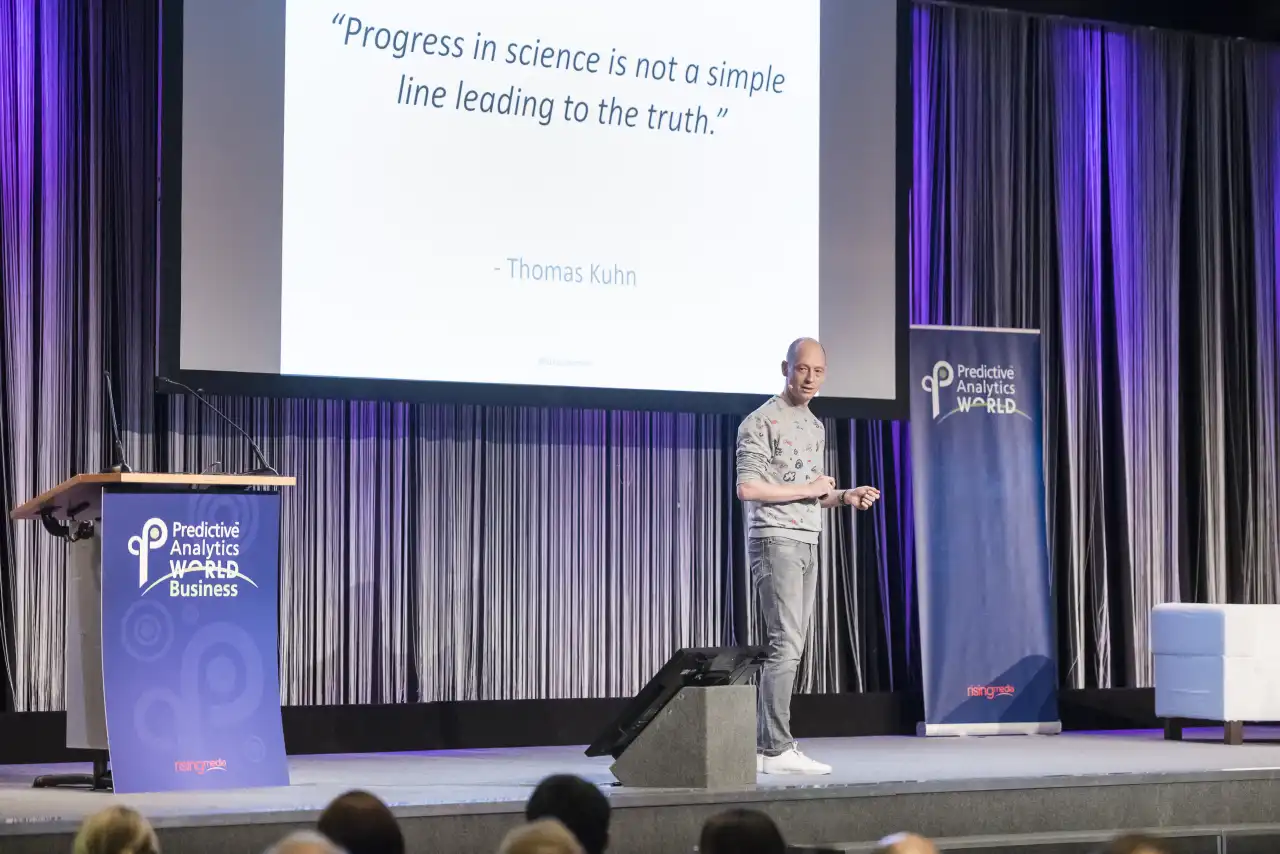
Policy Dialogue and Funding Priorities
The science society convention 2026 included structured sessions addressing research funding stability and federal policy alignment. Experts examined how budget allocations influence scientific discovery and institutional planning.
Panels explored the intersection of science and public policy, highlighting how legislation shapes grant distribution and regulatory oversight. Participants discussed strategies to maintain bipartisan support for research funding.
One policy panelist stated,
“Scientific advancement depends on consistent investment and transparent governance.”
The quote reflected broader consensus that policy frameworks play a decisive role in shaping research trajectories.
Inclusion Initiatives and Representation in STEM
Diversity equity and inclusion efforts were visible components of the science society convention 2026. Workshops focused on expanding access to underrepresented communities within science technology engineering and mathematics.
Organizers highlighted mentorship programs and institutional accountability measures designed to broaden participation. Attendees debated how best to align representation goals with academic excellence standards.
While perspectives varied, discussions remained constructive. Many participants emphasized that inclusive practices enhance innovation by incorporating diverse viewpoints.
Industry Partnerships and Technological Innovation
Corporate exhibitors and university research teams collaborated during the science society convention 2026 to explore commercialization pathways for emerging technologies. Demonstrations included robotics prototypes, climate simulation software, and biomedical diagnostic platforms.
Private sector representatives described the event as a bridge between academic research and market application. Partnerships formed during the convention are expected to accelerate technology transfer and product development.
Innovation hubs within the exhibition area illustrated the convergence of academia and industry.
International Collaboration and Cross Border Dialogue
The science society convention 2026 welcomed delegates from more than fifty countries, reinforcing its global character. Multilingual sessions facilitated cross border dialogue on shared scientific challenges.
Participants addressed issues such as global health coordination, environmental sustainability, and digital transformation. International researchers emphasized the importance of maintaining open collaboration channels amid geopolitical tensions.
Academic leaders underscored that global challenges require collective scientific effort beyond national boundaries.
Public Trust and Science Communication
Public communication strategies emerged as a central theme during the science society convention 2026. Panels examined how researchers can better engage with communities and media outlets.
Scientists acknowledged the importance of transparency when communicating complex findings. Training workshops equipped attendees with tools to present data clearly and responsibly.
An education specialist remarked,
“Clear communication strengthens public confidence in scientific institutions.”
The comment reflected ongoing efforts to bridge gaps between research communities and the broader public.
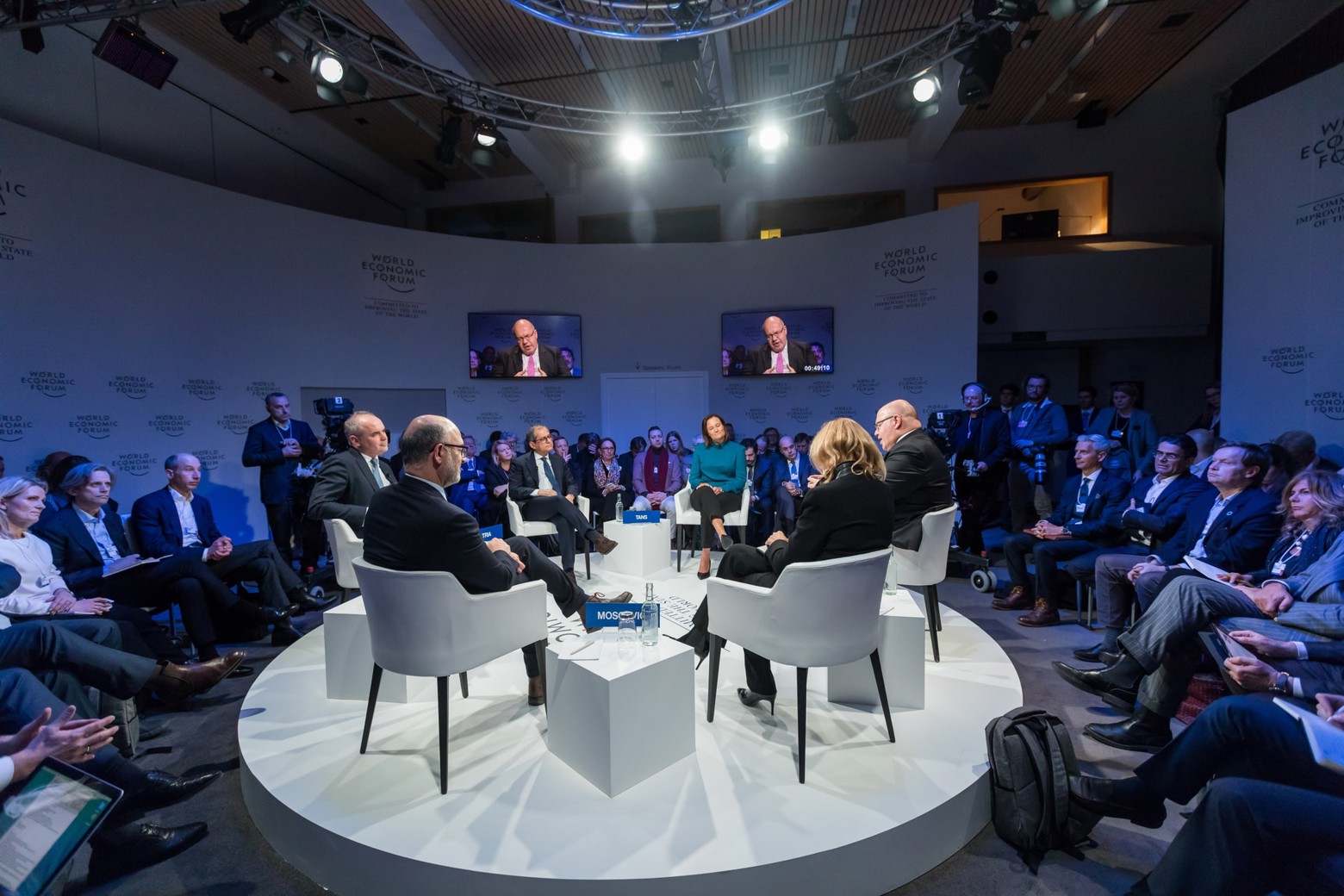
Economic Impact on Chicago
Hosting the science society convention 2026 generated measurable economic activity for Chicago. Hotels and local businesses reported increased occupancy and consumer spending during the week long gathering.
City officials expressed appreciation for the international visibility the event provided. Collaborative planning ensured smooth transportation logistics and security arrangements.
The convention underscored Chicago’s status as a premier destination for global academic assemblies.
Historical Legacy of Scientific Conventions
The science society convention 2026 builds upon a century long tradition of scientific assemblies that have shaped modern research landscapes. Early 20th century gatherings laid the groundwork for cross institutional collaboration and peer review standards.
Chicago itself has hosted landmark conferences that influenced scientific policy and discovery. Historical milestones include interdisciplinary forums that fostered cooperation during pivotal technological transitions.
The continuity between past and present conventions demonstrates how collective dialogue advances scientific understanding over time.
Technological Infrastructure and Digital Integration
Digital tools played a prominent role in the science society convention 2026. Virtual participation platforms enabled remote access for researchers unable to travel.
Artificial intelligence systems assisted with session scheduling, attendee networking, and data visualization. Digital abstracts and mobile applications streamlined information sharing.
Organizers described these tools as enhancements that expand accessibility and reduce logistical barriers to participation.
Youth Engagement and Future Scientists
The science society convention 2026 prioritized engagement with students and early career researchers. Special programming included mentorship circles, scholarship announcements, and career development seminars.
University representatives promoted internship opportunities and research fellowships. Young scientists described the experience as inspiring and professionally transformative.
Investing in future researchers remains central to sustaining innovation pipelines.
Environmental Sustainability at the Event
Sustainability initiatives were visible throughout the science society convention 2026. Organizers implemented waste reduction measures, digital program distribution, and energy efficient venue operations.
Sessions addressing climate research emphasized practical solutions for reducing carbon emissions. Participants explored how scientific findings translate into actionable environmental policies.
The event’s sustainability focus mirrored broader scientific priorities in addressing global climate challenges.

Balancing Research and Societal Dialogue
The science society convention 2026 illustrated the complex balance between advancing research and engaging with societal issues. While scientific discovery remained central, discussions often extended into policy, ethics, and institutional responsibility.
Some attendees expressed concern that excessive politicization could distract from empirical inquiry. Others argued that science cannot remain isolated from societal context.
Organizers maintained that open dialogue strengthens rather than weakens institutional credibility.
Long Term Outlook for Research Institutions
Looking ahead, the science society convention 2026 concluded with forward thinking panels addressing funding resilience, interdisciplinary collaboration, and digital transformation.
Academic leaders emphasized adaptability in navigating evolving economic and political landscapes. Strengthening partnerships across universities, governments, and private enterprises emerged as a recurring theme.
Participants left Chicago with renewed commitment to collaborative innovation.
A Defining Moment for Global Scientific Collaboration
The science society convention 2026 ultimately represents a defining moment in the evolution of international research communities. By convening in Chicago in 2026, the gathering reinforced the importance of dialogue, discovery, and institutional accountability.
Scientific conventions have long served as catalysts for collaboration and progress. This year’s meeting continued that tradition while confronting contemporary challenges related to funding stability, public trust, and representation.
As researchers return to laboratories worldwide, the conversations initiated during the convention are expected to influence research agendas and policy discussions throughout the coming year. The event underscores that science advances not only through experimentation, but also through shared dialogue and collective responsibility.