


Minnesota immigration enforcement faces a pivotal federal court challenge in St Paul 2026.
A judge is weighing whether enforcement actions should be temporarily paused.
The decision could reshape state and federal immigration policy nationwide.
ST PAUL, Minnesota — February 18, 2026, According to Parliament News, that In St Paul, St Paul, the debate over Minnesota immigration enforcement intensified this week as a federal judge heard arguments on whether recent actions should be temporarily halted. The case arrives at a politically sensitive moment in 2026, as national and state leaders grapple with immigration policy, public safety concerns, and constitutional limits.
Attorneys representing community organizations argue that current operations have exceeded legal boundaries. Federal officials counter that enforcement measures are lawful and necessary. The court’s pending decision may determine whether activities continue uninterrupted or face a judicial pause while litigation proceeds.
Background of the Policy Dispute
At the heart of Minnesota immigration enforcement is a broader national conversation about how federal law should be applied at the state level. Supporters of the current strategy argue that stricter oversight ensures compliance with immigration statutes and enhances public safety. Critics say coordination gaps and aggressive tactics have led to confusion and fear in affected communities.
Minnesota’s role in federal enforcement efforts has evolved in recent years. Cooperation agreements between local agencies and federal authorities have been strengthened, and resources have been redirected to prioritize compliance. However, civil liberties advocates contend that these adjustments have not always been implemented with sufficient transparency.
Legal scholars note that disputes over enforcement authority often hinge on constitutional interpretation. The balance between federal supremacy and state implementation has been debated in courts for decades, making this case part of a longer legal tradition.
Courtroom Arguments and Legal Questions
The lawsuit challenging Minnesota immigration enforcement argues that certain actions may violate due process protections. Plaintiffs assert that individuals were not provided adequate notice or opportunity to challenge detentions. Defense attorneys respond that procedures were followed and that public safety remains a legitimate governmental interest.
The presiding federal judge focused closely on whether emergency relief is justified. A temporary restraining order would not settle the underlying case but would pause implementation until a full review can occur. That review could extend for months.
One attorney involved in the proceedings stated,
“The court must carefully weigh the constitutional rights at stake while recognizing the government’s responsibility to enforce the law.”
Observers inside the courtroom described the hearing as detailed and methodical, with the judge asking pointed questions about operational oversight and accountability measures.

Federal Oversight and National Attention
The case has drawn attention beyond Minnesota. President Donald Trump has signaled support for strict enforcement policies nationwide, reinforcing federal involvement in state level initiatives.
The White House has defended Minnesota immigration enforcement as consistent with national priorities, emphasizing border integrity and uniform application of federal statutes. Administration officials argue that uneven enforcement across states can create inconsistencies and undermine legal frameworks.
At the same time, state leaders have expressed varying views. Some lawmakers welcome federal support, while others caution that community trust must remain a priority. These differing perspectives reflect the broader political divide shaping immigration policy in 2026.
Economic and Workforce Considerations
Business associations across the state have raised concerns about labor market disruptions. Minnesota’s economy relies on agriculture, healthcare, manufacturing, and service industries, all of which depend on a stable workforce.
Business groups warn Minnesota immigration enforcement could unintentionally affect lawful employees or create uncertainty for employers navigating compliance rules. Some companies have requested clearer guidelines to avoid operational disruptions.
Economists suggest that sudden policy shifts may influence investment decisions and consumer sentiment. While enforcement priorities are ultimately legal matters, their ripple effects can extend into regional economic performance.
Community Impact and Public Response
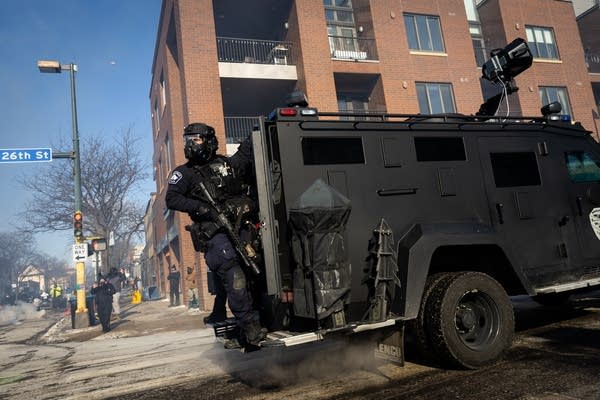
Across neighborhoods in St Paul and the wider metropolitan region, Minnesota immigration enforcement has generated deep concern among many families. Advocacy groups say calls for legal guidance have increased, with residents seeking clarity about their rights and available protections. Community centers and local organizations have expanded outreach efforts, distributing informational materials and hosting forums to explain how current policies may affect individuals and businesses.
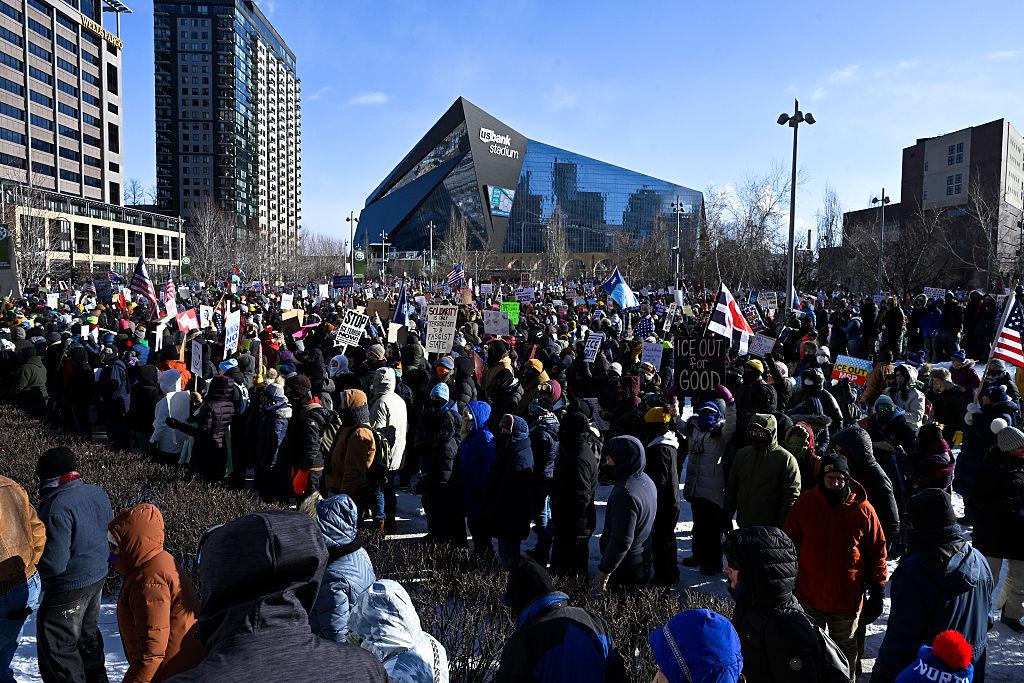
Town hall gatherings have drawn large crowds, reflecting a desire for open discussion. At these meetings, residents have asked detailed questions about due process, enforcement priorities, and how agencies coordinate their actions. Organizers say the goal is to replace fear with accurate information and lawful awareness.
Faith leaders and nonprofit representatives have urged policymakers to pursue thoughtful dialogue. They stress the importance of balancing security objectives with humanitarian considerations, emphasizing that community stability depends on trust. Law enforcement officials, meanwhile, maintain that interagency cooperation under Minnesota immigration enforcement is guided by established legal standards and oversight procedures.
Public demonstrations connected to Minnesota immigration enforcement have remained mostly peaceful. Participants have called for transparency, consistency, and fairness. Even residents who support stricter enforcement say they want clear communication about how policies are applied. Across differing viewpoints, many agree that public trust is strengthened when government actions are openly explained.
Political Implications in an Election Year
As election season intensifies, Minnesota immigration enforcement has become a prominent campaign issue at local, state, and federal levels. Candidates are addressing the topic in debates and policy platforms, recognizing that immigration remains a decisive factor for many voters.
Supporters argue that Minnesota immigration enforcement reflects a commitment to uphold federal law and maintain order. Critics contend that implementation methods deserve closer review to ensure constitutional protections are fully respected. These contrasting perspectives are shaping campaign messaging across party lines.
Political analysts note that immigration policy has historically influenced voter engagement and turnout patterns. In 2026, the issue continues to shape national political conversations, and Minnesota’s ongoing legal proceedings are being closely monitored outside the state. Observers suggest the outcome may influence how other states approach cooperation with federal authorities.
Within the legislature, discussions are underway regarding potential adjustments depending on the court’s decision. Lawmakers have introduced proposals aimed at clarifying agency responsibilities and improving communication channels between local officials and federal partners. The evolving debate signals that Minnesota immigration enforcement will likely remain central to policy discussions in the months ahead.
Judicial Independence and Constitutional Balance
Legal scholars emphasize that courts are tasked with interpreting the law rather than crafting political solutions. The current proceedings highlight the judiciary’s role in reviewing executive actions to ensure they align with constitutional standards.
If the judge grants temporary relief, it may reflect concerns about procedural safeguards within Minnesota immigration enforcement. If the request is denied, enforcement operations are expected to continue while the broader case moves forward. Either scenario could lead to appeals, extending the legal process into higher courts.
Minnesota has confronted complex federal policy questions before, yet few have attracted such sustained public and political focus. The present case underscores how constitutional balance is maintained through judicial review, particularly when policy debates intersect with individual rights and governmental authority.
What Comes Next
If the court pauses Minnesota immigration enforcement, agencies may need to reassess operational strategies and compliance mechanisms. A temporary halt could provide time for negotiations or policy refinement. If enforcement continues, plaintiffs are expected to pursue additional legal avenues.
The judge has indicated that a written ruling will be issued soon. Analysts predict that regardless of the immediate decision, the broader constitutional questions will remain under review well into the year.
Community leaders are urging calm as the process unfolds. They emphasize that legal systems are designed to address disputes through structured deliberation rather than political confrontation.
A Turning Point in State Federal Relations
Ultimately, Minnesota immigration enforcement may become a benchmark case for how states collaborate with federal authorities in 2026 and beyond. The court’s analysis could clarify procedural expectations, define operational limits, and influence similar cases nationwide.
The situation illustrates the enduring tension between enforcement authority and individual rights. While policymakers debate strategy, the judiciary’s responsibility is to ensure that actions align with constitutional standards.
As residents await the ruling, one reality remains clear: decisions made in the courtroom this year could shape immigration governance for years to come.