


Microsoft Renewable Energy Strategy expands in Redmond 2026 with full renewable electricity matching.
The company confirms continued investment in wind and solar projects worldwide.
Industry analysts say the move strengthens corporate climate leadership and long term sustainability goals.
Company leaders say the Microsoft renewable energy strategy is not simply an environmental pledge but a structured operational framework designed to secure clean power at scale. As electricity needs rise, the strategy aims to ensure that renewable energy growth keeps pace with digital expansion.
A Corporate Commitment to Clean Power
The Microsoft renewable energy strategy centers on purchasing renewable energy through long term power agreements that correspond to the company’s total electricity usage. These agreements support new wind and solar projects while offsetting conventional grid electricity.
Rather than relying solely on on site generation, the Microsoft renewable energy strategy uses a portfolio approach. Renewable projects are financed across multiple regions, helping expand clean power availability in both developed and emerging markets.
Corporate sustainability officers emphasize that the Microsoft renewable energy strategy is integrated into financial planning. Energy contracts are negotiated with long term cost stability in mind, protecting the company from market volatility.
Why Energy Demand Is Rising
Microsoft’s rapid growth in cloud services and artificial intelligence tools has significantly increased electricity consumption. Data centers require continuous power to operate servers that support enterprise clients and global consumers.
The Microsoft renewable energy strategy anticipates these increases by securing renewable supply ahead of projected demand. Analysts note that advanced forecasting models help determine where new renewable agreements are needed most.
As AI adoption accelerates worldwide, technology companies face mounting pressure to align expansion with sustainability. The Microsoft renewable energy strategy addresses that challenge directly.
Financial Stability and Investor Confidence
Beyond environmental considerations, the Microsoft renewable energy strategy contributes to financial predictability. Long term renewable contracts often lock in pricing structures that reduce exposure to fossil fuel fluctuations.
Investors increasingly evaluate environmental performance as part of corporate governance standards. The Microsoft renewable energy strategy strengthens investor confidence by demonstrating measurable climate accountability.
Market analysts say renewable commitments can improve long term valuation stability. When energy supply risks are mitigated, companies are better positioned to plan capital investments.
Global Reach of Renewable Agreements
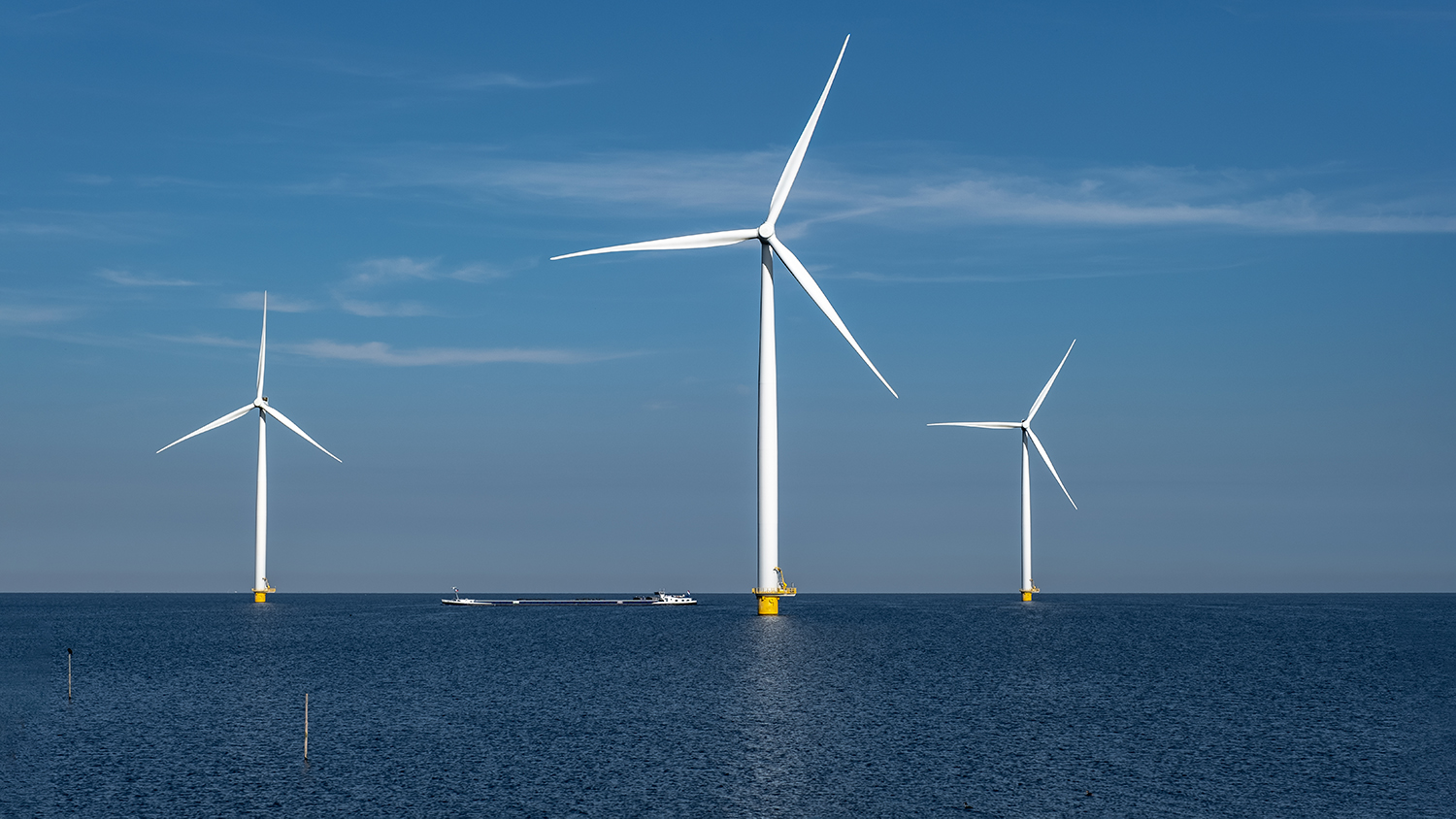
The Microsoft renewable energy strategy extends across North America, Europe, Asia, and Latin America. Renewable procurement varies by region, depending on regulatory frameworks and grid capacity.
By diversifying geographically, the Microsoft renewable energy strategy reduces dependency on any single market. This global footprint allows the company to adapt quickly to policy changes while maintaining consistent sustainability goals.
Energy experts note that multinational corporations play a pivotal role in accelerating renewable adoption. When companies of Microsoft’s scale commit to long term purchasing, developers gain financial security to build new projects.
Environmental Impact and Carbon Goals
The Microsoft renewable energy strategy aligns with broader carbon reduction objectives. Matching electricity consumption with renewable generation reduces indirect emissions associated with grid power.
While renewable matching is not identical to carbon neutrality, it is a major component of emissions reduction. The Microsoft renewable energy strategy works alongside other initiatives, including energy efficiency improvements and investment in carbon removal technologies.
Environmental researchers suggest that corporate demand for renewables has accelerated global clean energy capacity growth over the past decade.
Industry Leadership and Competitive Dynamics
Technology companies are among the largest buyers of renewable energy globally. The Microsoft renewable energy strategy reinforces competitive positioning within the industry.
Rival firms have adopted similar renewable commitments, but scale and consistency differentiate leaders from followers. By sustaining its Microsoft renewable energy strategy, the company sets a benchmark for operational accountability.
Corporate climate leadership often shapes regulatory discussions. Policymakers observe how voluntary initiatives influence market transformation and infrastructure investment.
Challenges in Implementation
Despite strong commitments, implementing the Microsoft renewable energy strategy presents challenges. Grid constraints, permitting delays, and transmission limitations can slow renewable project development.
Additionally, renewable generation depends on weather patterns. Balancing intermittent supply with constant data center demand requires careful coordination and, increasingly, energy storage solutions.
Executives acknowledge that scaling renewable matching requires constant evaluation of energy markets. The Microsoft renewable energy strategy evolves alongside technological and regulatory changes.

Community and Workforce Effects
Renewable projects financed under the Microsoft renewable energy strategy generate local economic benefits. Construction jobs, engineering services, and long term maintenance roles contribute to regional development.
Communities hosting renewable facilities often see infrastructure upgrades that improve grid reliability. Local governments may benefit from tax revenues associated with large scale projects.
By investing in renewable supply chains, the Microsoft renewable energy strategy supports both environmental and economic sustainability.
Policy Context in 2026
In 2026, global governments continue debating climate targets and clean energy incentives. The Microsoft renewable energy strategy operates within this shifting policy landscape.
Supportive regulations can accelerate renewable growth, while uncertainty may slow progress. Corporate commitments provide stability regardless of political fluctuations.
Energy economists argue that large scale renewable purchasing agreements create momentum that transcends election cycles.
A Long Term Transformation
The Microsoft renewable energy strategy reflects more than a single year’s initiative. It is part of a multi year transition toward sustainable operations.
As digital infrastructure expands, energy sourcing will remain central to corporate planning. The Microsoft renewable energy strategy demonstrates how long term environmental responsibility can coexist with technological advancement.
One senior executive summarized the company’s approach:
“Our renewable commitments are designed to grow with us, ensuring innovation and sustainability move forward together.”
Beyond Renewable Matching
While renewable energy matching is a significant milestone, the future may demand deeper decarbonization strategies. Energy storage innovation, grid modernization, and emerging clean technologies could shape the next phase.
The Microsoft renewable energy strategy positions the company to adapt to evolving standards. Continued investment and transparency will likely remain critical components.
The Energy Blueprint of the Digital Era
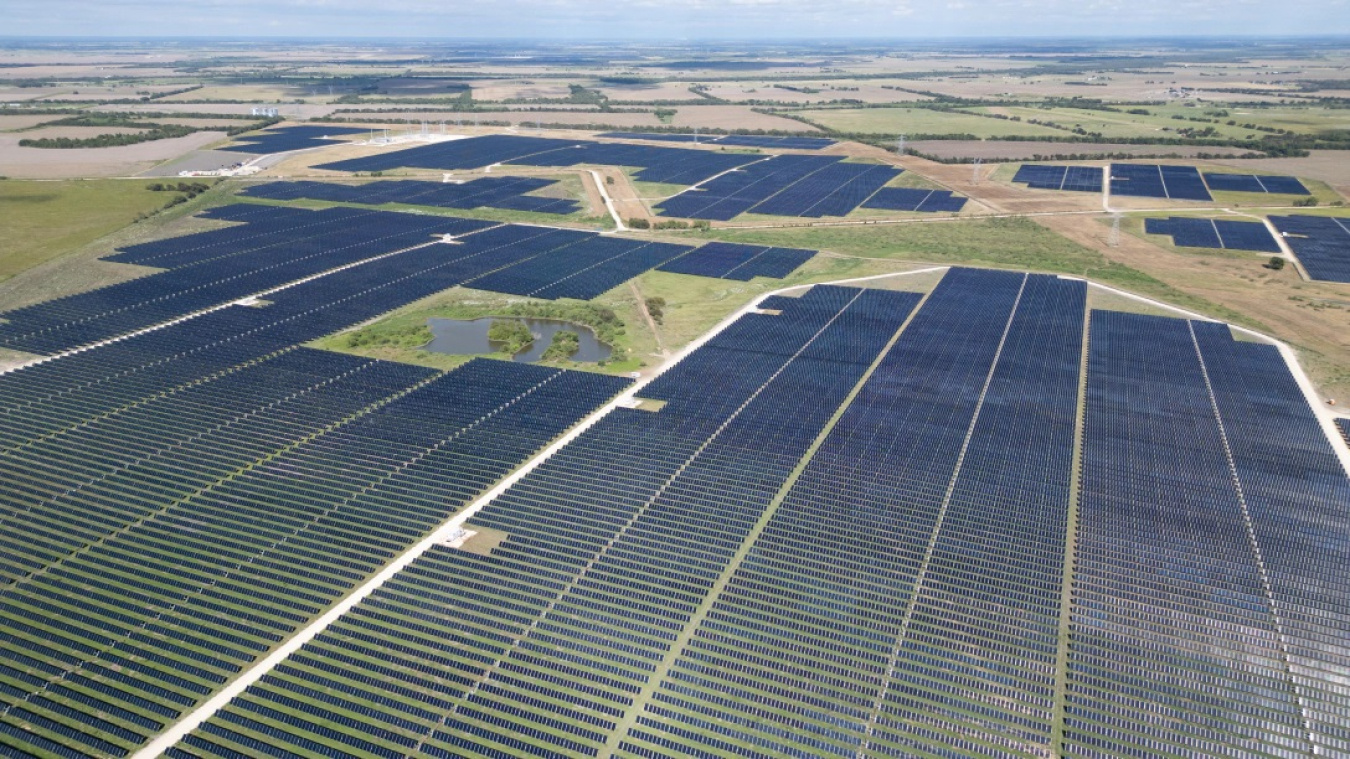
As 2026 unfolds, the Microsoft renewable energy strategy stands as a defining feature of corporate climate leadership in Redmond and beyond. By committing to match all electricity use with renewable generation, the company strengthens its environmental credibility and operational resilience.
The path forward will require collaboration among utilities, regulators, and technology firms. Yet the strategy illustrates how large scale corporate action can influence global energy transformation.
In an era where sustainability shapes economic competitiveness, the Microsoft renewable energy strategy signals that renewable power is no longer optional but foundational to long term growth.