France political tensions intensify in Paris in 2026 following the killing of a far right activist and plans for a major public march.
Authorities are increasing security while national leaders urge restraint and respect for the judicial process.
The developments highlight growing polarization and renewed debate over public safety and democratic stability.
PARIS, France, February 21, 2026 — According to Parliament News, that France political tensions have intensified sharply following the killing of a far right activist last week, setting the stage for a highly anticipated march in the capital. Authorities are preparing for significant public gatherings while urging restraint across the political spectrum. The incident has triggered debate over public safety, free expression, and the direction of national discourse during a period already marked by division.
Government officials confirmed that the investigation into the killing remains active. Organizers of the march say the event is intended as a tribute and a call for solidarity among supporters. Critics, however, fear that the demonstration could amplify existing ideological divides. Against this backdrop, France political tensions have become a defining feature of the national conversation in early 2026.
Security Preparations Across Paris
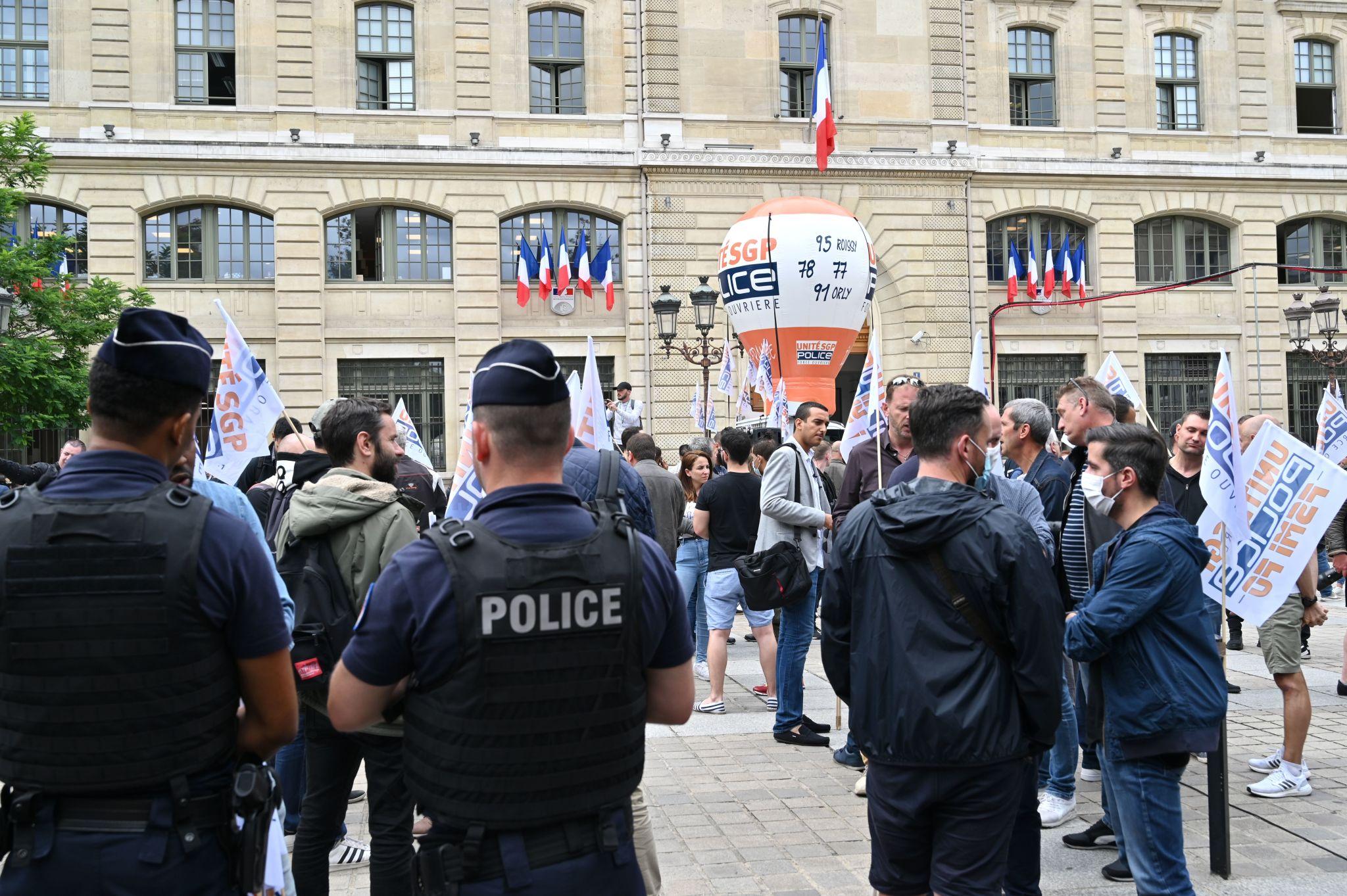
Law enforcement agencies have expanded security operations in anticipation of large crowds. Police units are being deployed to central districts, with additional patrols near government buildings and transit hubs. Officials state that preparations aim to guarantee both the right to peaceful assembly and the safety of residents.
France political tensions have prompted authorities to coordinate closely with march organizers to establish clear routes and crowd management strategies. Emergency services are on standby, and surveillance measures have been heightened to monitor potential flashpoints.
Security experts emphasize that visible policing can serve as a deterrent while reassuring the public. However, they caution that excessive force or miscommunication could inflame an already sensitive situation.
Presidential Appeal for Calm
President Emmanuel Macron addressed the nation in a televised statement urging unity and restraint. He underscored the importance of allowing judicial authorities to conduct their investigation without interference.
Macron said,
“Violence cannot answer violence, and justice must be allowed to work independently,”
The president’s remarks were designed to temper emotions and reinforce democratic norms. France political tensions, he acknowledged, have created a climate in which rhetoric can quickly escalate. By emphasizing constitutional principles, Macron sought to redirect focus toward institutional processes rather than street confrontation.
Political analysts note that presidential messaging during volatile periods plays a critical role in shaping public behavior. Clear, measured communication may help reduce the risk of unrest.
Investigation and Legal Proceedings
Prosecutors confirmed that forensic examinations and witness interviews are ongoing. Authorities have refrained from releasing detailed information pending further analysis. Officials warned against speculation, particularly on social media platforms where unverified claims can spread rapidly.
France political tensions have intensified scrutiny of the investigative process. Legal scholars stress that transparency and due process are essential to maintaining trust in institutions. Any perception of bias or delay could deepen public frustration.
The Ministry of Justice reiterated its commitment to impartiality, stating that the case will be handled strictly in accordance with national law.
Political Polarization in Context
The current episode reflects broader divisions within French society. France political tensions have been shaped by debates over immigration policy, economic inequality, security concerns, and national identity. Elections over the past decade have revealed increasingly fragmented voter alignments.
Sociologists argue that polarization often intensifies during periods of economic uncertainty or social change. The activist’s death has become a symbol within these wider debates, amplifying grievances on multiple sides.
Observers caution that while disagreement is inherent to democracy, sustained hostility can erode social cohesion. Efforts to foster dialogue and moderation may determine whether divisions widen or narrow in the months ahead.
Public Reaction and Civil Society Response
Community leaders, religious figures, and advocacy groups have called for peaceful participation in public life. France political tensions have inspired grassroots initiatives aimed at promoting dialogue between opposing factions.
Local organizations are hosting forums and town hall discussions designed to reduce misunderstandings and encourage respectful exchange. Educators have also emphasized the importance of civic literacy, particularly among younger generations navigating complex political narratives.
Civil society actors play a crucial role in mitigating conflict. Their efforts complement official security measures by addressing underlying social dynamics.
Media Coverage and Information Integrity
News outlets are covering developments extensively, aware that reporting tone can influence public perception. France political tensions demand responsible journalism that distinguishes verified facts from conjecture.
Media analysts warn that sensational headlines or incomplete reporting could exacerbate unrest. Editors across major publications have pledged to adhere to established standards of accuracy and balance.
Social media platforms face renewed scrutiny as well. Authorities have urged users to verify sources before sharing information related to the investigation or the upcoming march.
Economic and Social Ramifications
Political instability can have tangible economic consequences. France political tensions may influence investor confidence, tourism flows, and business activity if unrest disrupts daily life.
Paris remains a global financial and cultural center. Ensuring stability is therefore not only a political imperative but also an economic one. Analysts note that markets often react quickly to perceptions of disorder.
Business associations have called for calm, emphasizing the importance of maintaining France’s reputation as a stable environment for commerce and innovation.
International Attention
Developments in France are being monitored closely by European partners and international observers. France political tensions carry implications beyond national borders, given the country’s central role in European Union policymaking.
Diplomatic representatives have expressed confidence in France’s democratic institutions while encouraging peaceful resolution of disputes. The situation underscores how domestic events can resonate internationally in an interconnected political landscape.
Global media coverage has further heightened awareness, placing additional pressure on national leaders to manage events effectively.
Historic Comparison
France political tensions in 2026 invite comparison with earlier periods of unrest in the nation’s modern history. From student protests in the late twentieth century to demonstrations over labor reforms and pension policies, France has experienced recurring waves of civic mobilization.
However, contemporary dynamics differ in significant ways. Digital communication accelerates information flow, amplifying narratives and mobilizing supporters more rapidly than in past decades. Social media platforms create echo chambers that can intensify polarization.
While earlier protests were often rooted in economic grievances, current divisions reflect a complex interplay of cultural, ideological, and security concerns. The historical record suggests that France has repeatedly navigated moments of strain while preserving democratic continuity.
This comparison highlights resilience as well as vulnerability. Institutions have withstood prior crises, yet evolving technologies and global influences introduce new challenges.
Law Enforcement Strategy and Oversight
Authorities have outlined guidelines to ensure proportional response during the march. Officers have received updated training focused on de escalation techniques and crowd management best practices.
France political tensions require a delicate balance between maintaining order and respecting civil liberties. Oversight mechanisms, including independent monitoring bodies, are expected to review police conduct if incidents occur.
Public confidence in law enforcement depends on transparency and accountability. Officials have pledged to provide regular updates throughout the event.
Youth Engagement and Generational Perspectives
Younger citizens represent a significant portion of those engaged in political activism. France political tensions resonate strongly among students and young professionals who consume news primarily through digital channels.
Educational institutions are hosting discussions on democratic values and responsible participation. Youth organizations emphasize that activism can coexist with nonviolence and constructive dialogue.
Generational perspectives may shape the trajectory of political engagement in the coming years. Encouraging civic responsibility among young citizens is viewed as a long term investment in stability.
Regional Variations Across France
While Paris remains the focal point, reactions have varied across regions. France political tensions manifest differently in urban centers compared to rural communities.
Local officials in several cities have announced precautionary measures tailored to regional conditions. The decentralized nature of governance allows municipalities to adapt strategies according to local risk assessments.
Regional diversity underscores the complexity of national cohesion. Addressing grievances at both local and national levels remains essential.
Looking Ahead to the March
Authorities expect significant turnout, though exact numbers remain uncertain. France political tensions may intensify temporarily as the march unfolds, but officials express confidence in preventive planning.
Observers suggest that the tone of speeches and the behavior of participants will influence public reaction. Peaceful proceedings could help de escalate rhetoric, while isolated incidents might amplify divisions.
The coming days represent a critical test of France’s ability to channel dissent through lawful and constructive means.
Democracy at a Crossroads
France political tensions illustrate the challenges facing democracies worldwide. Balancing freedom of expression with public order requires constant vigilance.
In 2026, France stands at a crossroads. The response to this crisis may shape perceptions of institutional strength and national unity for years to come. Whether polarization deepens or dialogue prevails will depend on collective commitment to democratic norms and mutual respect.
The events unfolding in Paris serve as a reminder that stability is not automatic. It is sustained through accountability, civic engagement, and adherence to the rule of law.