

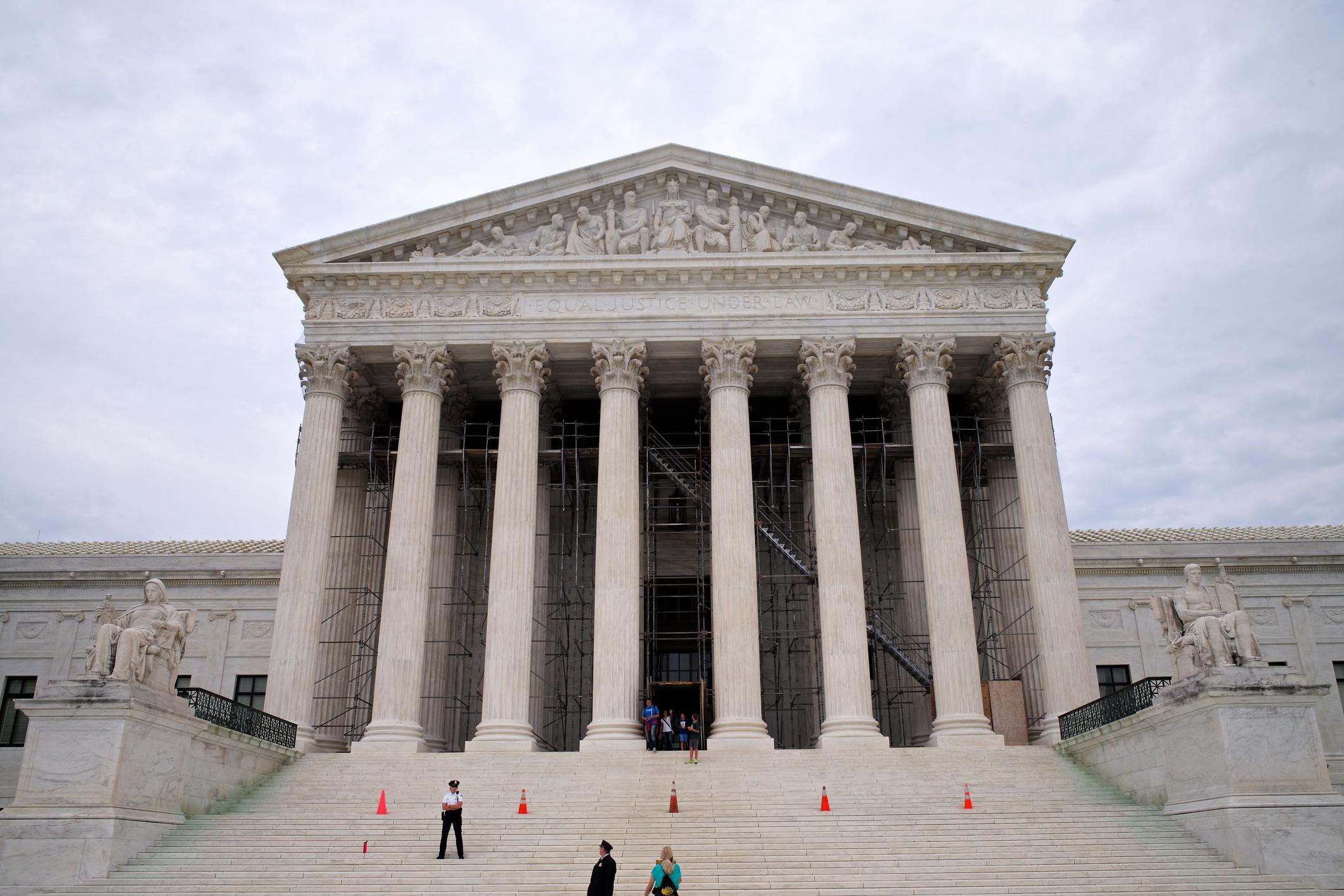
The Supreme Court ruling in Washington 2026 places renewed focus on executive power limits in trade policy.
Justices clarified the boundaries of presidential authority in the high profile tariffs case.
The decision reshapes constitutional balance and signals tighter judicial oversight moving forward.
Washington, February 21, 2026 — According to Parliament News, that In a decision that is already reshaping national debate, the United States Supreme Court issued a major ruling clarifying executive power limits in the context of presidential tariff authority. The case, rooted in trade actions taken during the Trump administration, has evolved into a defining constitutional moment that reaches far beyond economic policy.
The Court’s opinion did not eliminate presidential discretion in trade matters. Instead, it reinforced the principle that executive power limits must be respected when statutory authority intersects with constitutional boundaries. By doing so, the justices signaled that even broad congressional delegations remain subject to judicial interpretation and oversight.
Legal scholars describe the ruling as a recalibration rather than a revolution. It preserves executive flexibility while emphasizing that structural safeguards embedded in the Constitution cannot be bypassed in the name of expediency.
Origins of the Tariff Dispute
The dispute began when tariffs were imposed under national security provisions of federal trade law. These measures, justified by concerns over steel imports and supply chain vulnerabilities, were defended as necessary tools for protecting domestic industry.
Critics argued that the statutory language granting such authority had been interpreted too expansively. They contended that Congress never intended to hand the White House near unilateral power over sweeping trade measures affecting global markets.
As legal challenges mounted, lower courts delivered mixed opinions. Ultimately, the Supreme Court agreed to hear the case, focusing not only on the specifics of tariff policy but on the broader issue of executive power limits and how they function within a constitutional democracy.
What the Court Actually Ruled
The Supreme Court’s majority opinion centered on statutory interpretation and separation of powers. While acknowledging that Congress may delegate certain authorities, the justices emphasized that such delegation must include meaningful boundaries.
The ruling clarified that executive power limits remain enforceable even when Congress uses broad language. The Court determined that the administration’s interpretation of its trade authority required closer scrutiny and could not be treated as automatically valid simply because it involved national security.
Importantly, the justices avoided sweeping language that would undermine all presidential trade authority. Instead, they reinforced judicial responsibility in reviewing whether executive actions align with legislative intent and constitutional design.
Constitutional Framework Behind the Decision
The Constitution grants Congress authority over taxation and commerce. Presidents are tasked with executing laws passed by the legislature. Tension arises when statutes grant discretionary authority that appears open ended.
In this case, the Court revisited foundational separation of powers doctrine. The opinion underscored that executive power limits are not obstacles to governance but safeguards to ensure accountability.
The judiciary’s role, as described in the ruling, is to interpret statutory boundaries faithfully and prevent any branch from expanding its authority beyond constitutional confines. This interpretation strengthens the balance envisioned by the framers.
Economic Implications for Trade and Industry
Markets reacted with measured caution. Investors and business leaders evaluated how the decision might influence future trade negotiations and tariff strategies.
Some domestic manufacturers who benefited from protective tariffs may face uncertainty if future administrations adopt narrower interpretations of trade authority. At the same time, import dependent industries expressed optimism that judicial clarity could reduce abrupt policy shifts.
Economists note that while executive power limits may constrain rapid action, they can also promote stability by preventing sudden and sweeping measures that disrupt supply chains.
The broader economic effect will depend on congressional responses and how future administrations interpret the Court’s guidance.
Political Reactions Across the Spectrum
Political leaders quickly weighed in on the decision. Some praised the Court for defending constitutional principles and reinforcing checks and balances. Others criticized what they perceived as judicial interference in executive discretion.
One constitutional scholar remarked,
“This ruling reminds every branch of government that authority is not unlimited and that executive power limits are essential to maintaining the integrity of the constitutional system.”
The quote reflects the central theme emerging from Washington: the decision transcends partisan debate and speaks to institutional responsibility.
Congressional Role in Clarifying Authority
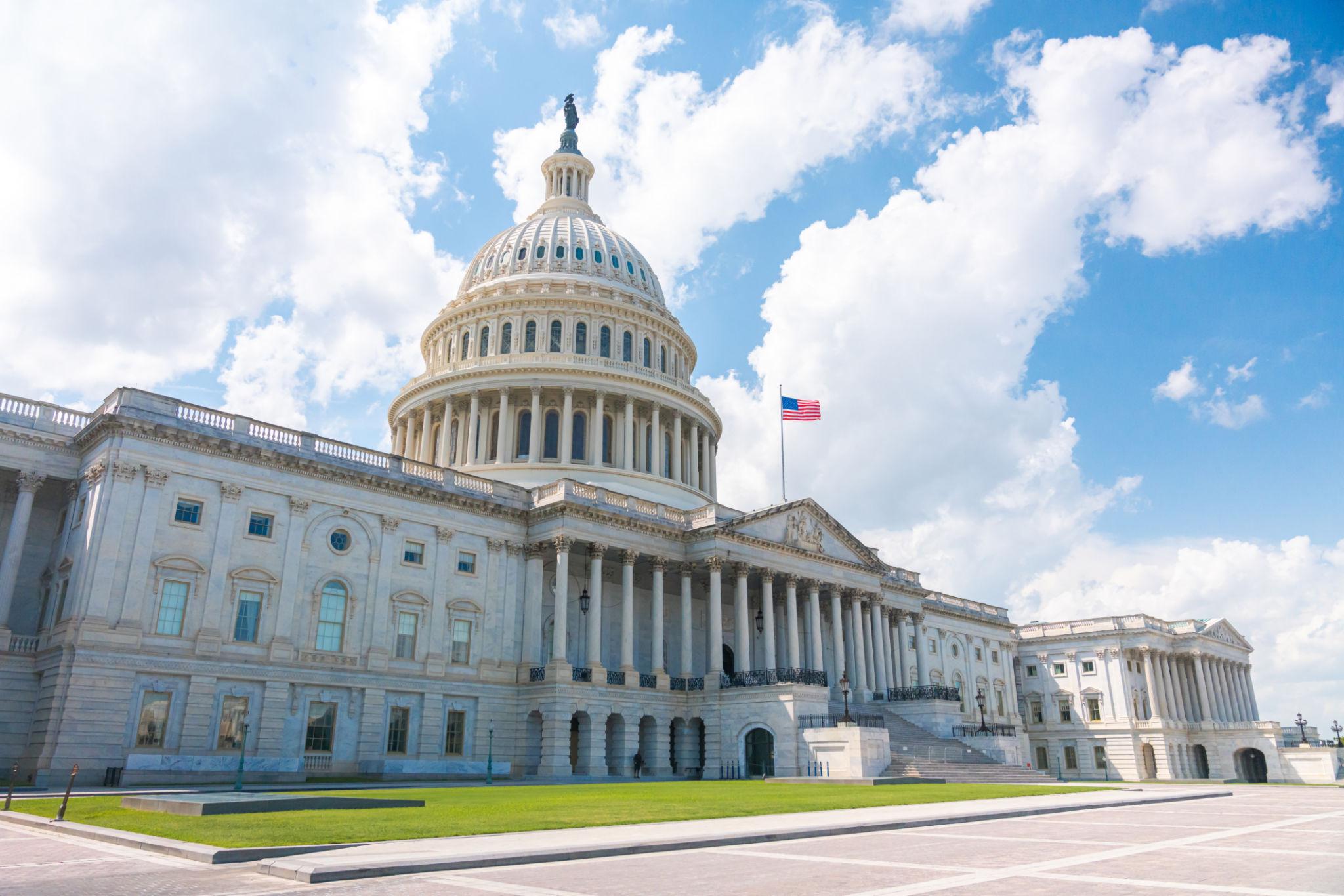
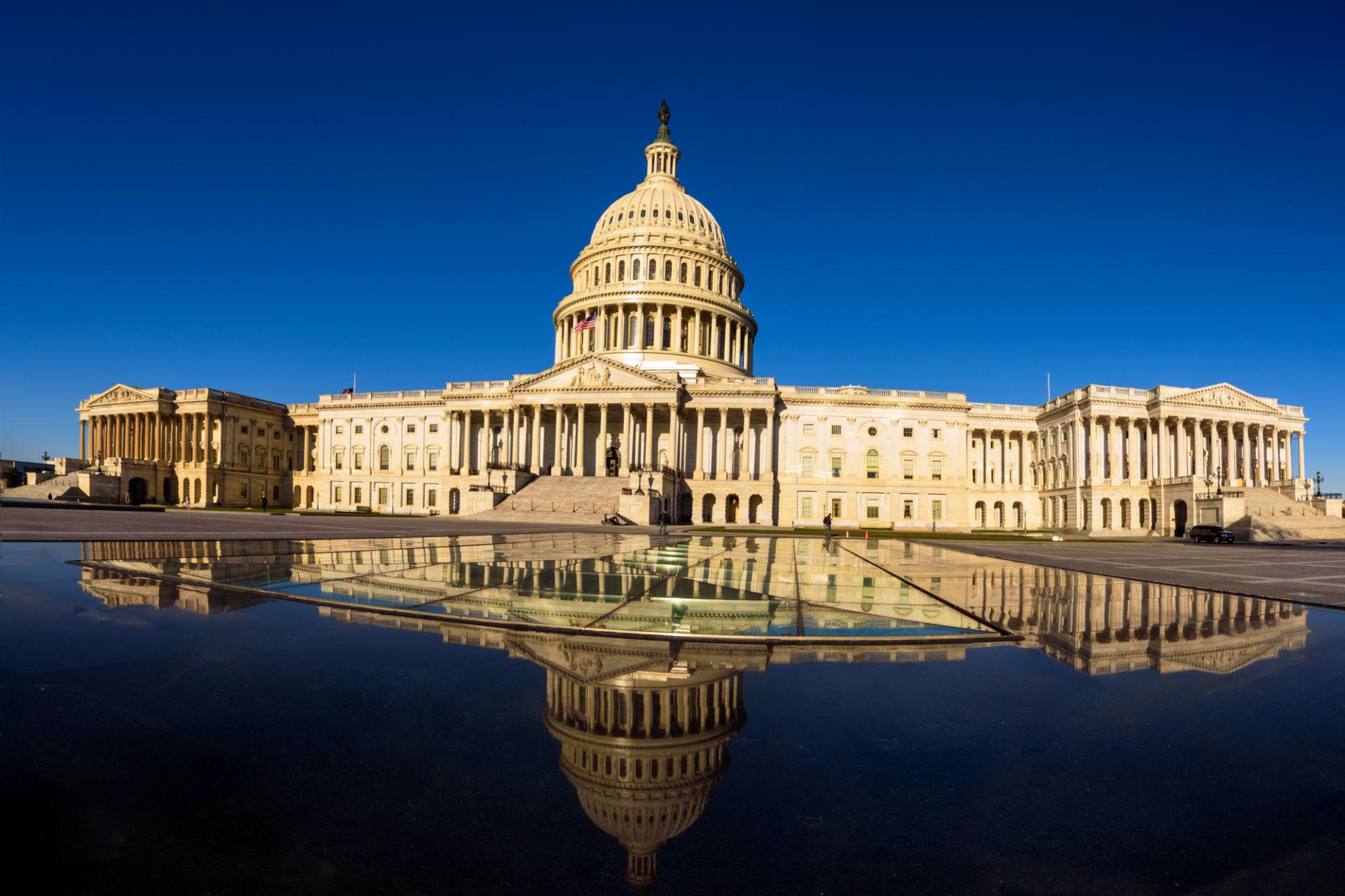
Following the ruling, attention shifted to Capitol Hill. Lawmakers now face pressure to clarify trade statutes and define more precise parameters for presidential action.
If Congress wishes to preserve flexibility for responding to economic emergencies, it may amend existing laws to provide clearer guidance. Alternatively, legislators could tighten statutory language to reinforce executive power limits more explicitly.
The Court’s decision effectively invites Congress to revisit how it delegates authority and to ensure that its intent is unmistakably clear.
Impact on Future Presidents
Although the case arose from policies associated with a specific administration, its consequences will affect all future presidents. The reaffirmation of executive power limits signals that national security justifications will not shield actions from judicial review.
Presidents may now approach trade authority with increased caution, aware that expansive interpretations could face legal challenges. The ruling also suggests that courts are prepared to examine not only procedural compliance but substantive alignment with legislative purpose.
This development may influence how emergency powers are invoked in other policy domains, including immigration and environmental regulation.
Public Confidence in Institutional Checks
Public trust in democratic institutions often depends on visible enforcement of checks and balances. The Supreme Court’s willingness to engage with this dispute demonstrates that oversight mechanisms remain active.
The renewed focus on executive power limits reinforces the idea that no branch operates without accountability. For some citizens, this serves as reassurance that constitutional safeguards remain functional even amid political polarization.
Others view the decision as a reminder that governance requires constant negotiation between branches rather than unilateral action.
International Ramifications
Foreign governments closely monitor shifts in American trade authority. The ruling may alter perceptions of U.S. negotiating power and legal predictability.
By clarifying executive power limits, the Court signals that trade policy decisions are grounded in a stable constitutional framework. While this may slow rapid unilateral measures, it also enhances credibility by ensuring that policies are legally sustainable.
Diplomats and trade partners will need to assess how this recalibration influences ongoing negotiations.
Historic Comparison
The current ruling invites comparison with earlier landmark cases in which the Supreme Court confronted assertions of executive authority. During the Truman administration, the Court famously rejected the seizure of steel mills during wartime, emphasizing constitutional boundaries. In the Nixon era, judicial intervention reinforced limits on executive privilege.
These precedents underscore a consistent theme: moments of tension between branches often clarify executive power limits rather than eliminate them. The 2026 Washington decision fits within that historical pattern, serving as another chapter in the evolving interpretation of presidential authority.
Legal Scholars Weigh In
Constitutional experts suggest that the decision may shape litigation strategies for years to come. Attorneys challenging executive actions now have clearer guidance on how courts interpret statutory delegation.
The Court’s reasoning emphasizes that executive power limits apply even when statutes appear broad. This interpretive approach may influence cases beyond trade, affecting regulatory authority and administrative decision making.
Academic commentary highlights the decision as part of a broader judicial trend toward reinforcing structural safeguards.

The Broader Debate Over Emergency Powers
The tariffs case intersects with ongoing national conversations about emergency powers. In recent years, presidents have invoked emergency authority in diverse policy areas, raising questions about scope and duration.
The Court’s opinion implicitly addresses those concerns by reiterating that executive power limits cannot be circumvented through expansive readings of legislative language.
This principle may guide future courts when evaluating declarations tied to economic crises, public health emergencies, or national security threats.
Media Coverage and Public Discourse
Media outlets across the political spectrum framed the ruling differently. Some emphasized its constitutional significance, while others focused on potential economic consequences.
Public discourse reflects the complexity of the issue. Supporters argue that the reinforcement of executive power limits strengthens democracy. Critics caution that reduced flexibility could hinder swift responses to global trade disputes.
Regardless of perspective, the ruling has catalyzed renewed discussion about how power is allocated and exercised in Washington.
Long Term Legal Significance
Legal historians predict that the 2026 decision will be cited in future Supreme Court opinions. By articulating clear standards for reviewing delegated authority, the Court has provided a reference point for subsequent disputes.
The reaffirmation of executive power limits may shape judicial reasoning in cases involving immigration enforcement, environmental regulation, and financial oversight.
Over time, the decision could become a foundational precedent in constitutional law curricula and legal scholarship.
A Constitutional Inflection Point
The Supreme Court’s ruling represents more than a trade policy adjustment. It reflects a broader commitment to preserving constitutional balance amid evolving political and economic challenges.
In Washington during 2026, debates over tariffs transformed into a deeper examination of institutional authority. The reaffirmation of executive power limits underscores the enduring relevance of separation of powers in modern governance.
As policymakers, business leaders, and citizens absorb the implications, the central message remains clear: effective leadership must coexist with constitutional boundaries. The durability of American democracy depends on that equilibrium.