


Nissan Gear Issue Recall impacts 643000 SUVs across the United States in 2026 following federal safety findings.
Regulators cite potential transmission irregularities that could affect gear performance under certain conditions.
Owners are urged to verify their VIN and schedule free dealership inspections as part of the nationwide safety action.
DETROIT, United States — February 19, 2026 — According to Parliament News, that The Nissan gear issue recall has expanded across the American automotive market after federal regulators confirmed that approximately 643,000 Nissan sport utility vehicles are being recalled for potential transmission and engine related defects. The action, filed with the National Highway Traffic Safety Administration, affects select high volume SUV models sold nationwide and reflects one of the largest manufacturer safety campaigns of the year.
The recall centers on possible transmission gear irregularities that could lead to hesitation, abnormal shifting, or reduced engine performance under certain driving conditions. Although officials have not confirmed a widespread pattern of crashes tied directly to the defect, regulators concluded that preventative action was necessary to maintain compliance with federal motor vehicle safety standards.
This development has prompted immediate responses from dealerships, consumer safety groups, and automotive analysts, all of whom are closely monitoring the impact of the Nissan gear issue recall on drivers, resale markets, and corporate accountability.
Models and Production Scope
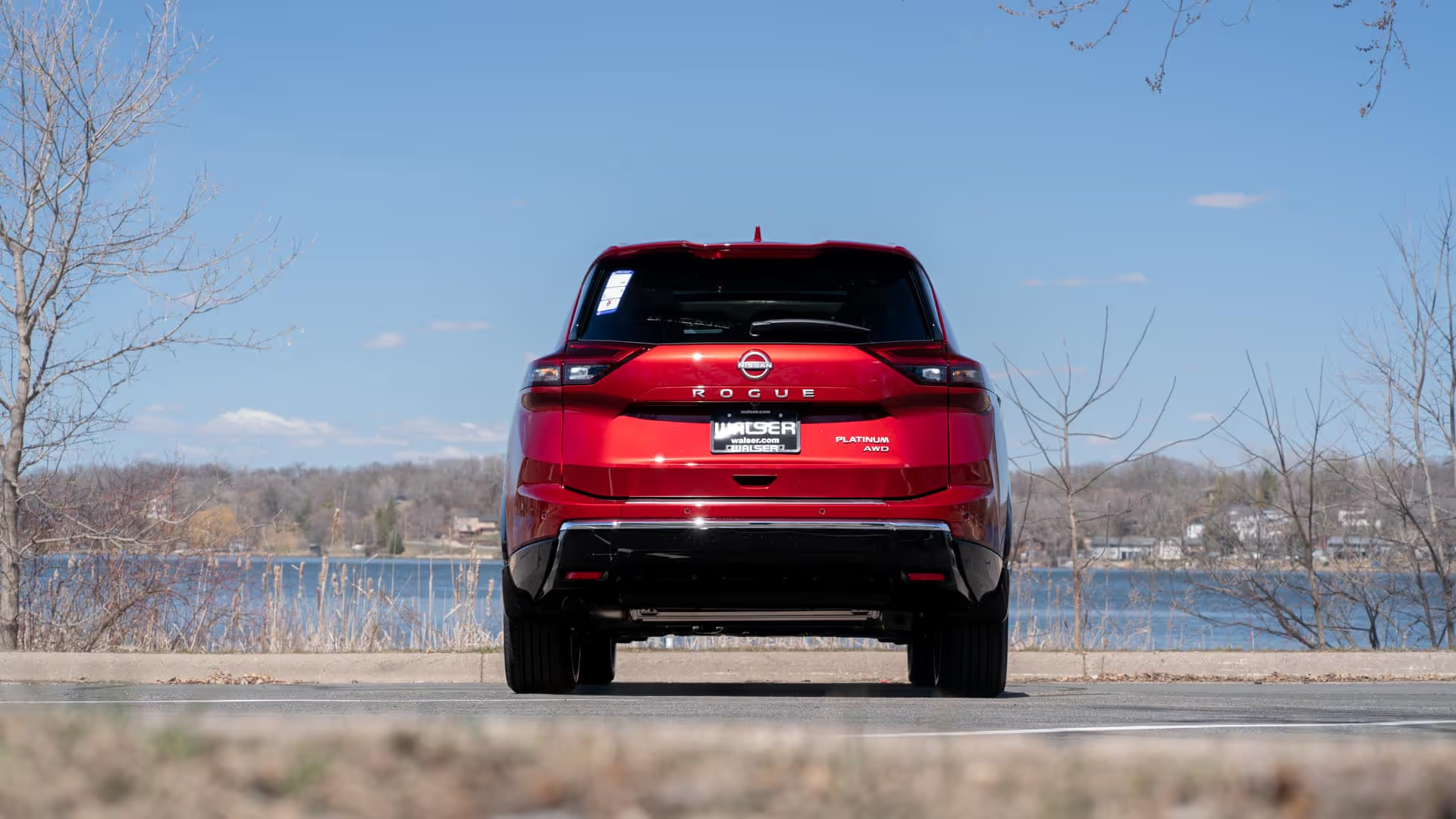
The Nissan gear issue recall involves certain production years of popular SUV models distributed across the United States. These models represent a significant share of the company’s domestic SUV sales volume, which explains the scale of the recall.
Dealerships have received detailed technical service bulletins outlining diagnostic steps and repair guidelines. Vehicle identification number verification remains the primary method for determining recall eligibility, and owners are encouraged to confirm their status through official channels.
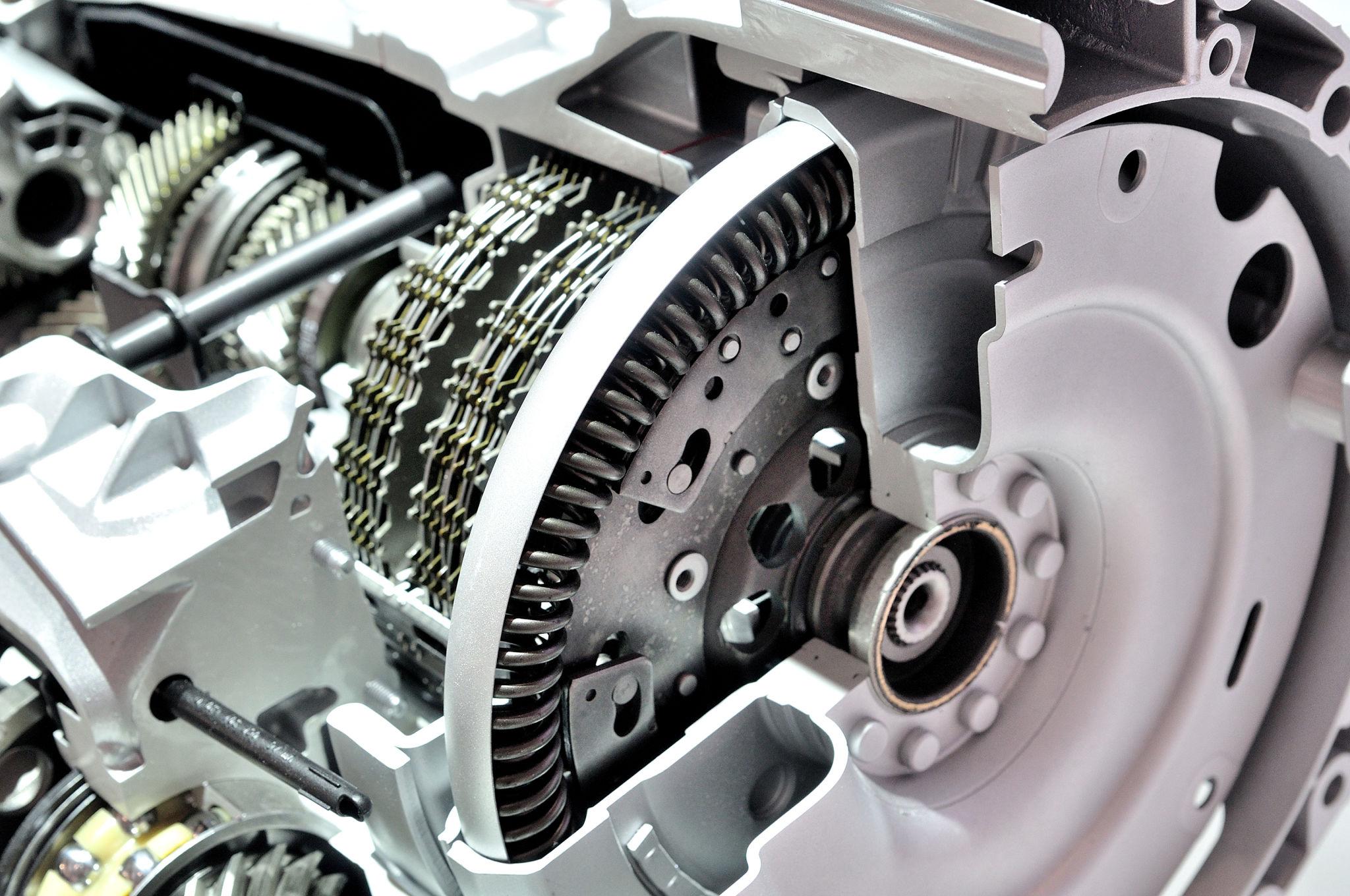
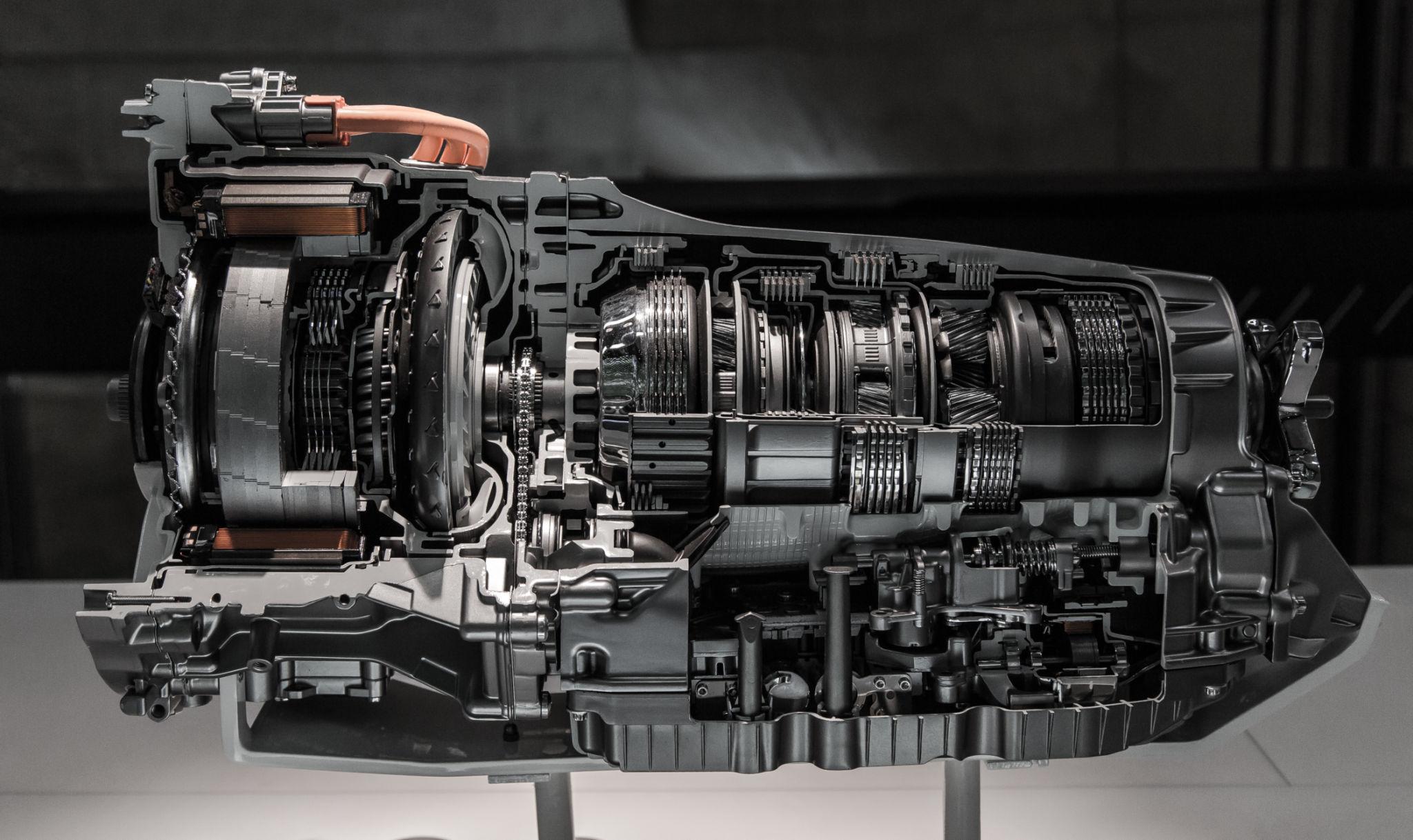
Automotive supply chains involve thousands of precision manufactured parts. When irregularities occur at a component level, they can affect broad production runs. Industry analysts note that modern transmission systems integrate mechanical and electronic controls, increasing complexity but also increasing the potential for isolated defects.
Symptoms Drivers May Notice
Drivers affected by the Nissan gear issue recall may experience delayed acceleration, abrupt gear transitions, or intermittent hesitation during shifting. These symptoms can vary depending on driving conditions, temperature, and vehicle load.
In highway settings, unexpected hesitation could present elevated risk, particularly during merging or overtaking maneuvers. However, regulators clarified that the recall was issued as a precautionary measure, not as a response to confirmed systemic accidents.
Technicians at authorized service centers will inspect the transmission system and determine whether replacement components or recalibration updates are required. In some cases, software updates may correct shifting irregularities without the need for extensive mechanical replacement.
Manufacturer Response and Commitment
In a public statement regarding the Nissan gear issue recall, a company spokesperson stated, “Customer safety remains our highest priority, and we are committed to addressing this issue quickly and efficiently for all affected owners.”
The company confirmed that repair parts have been distributed to dealerships nationwide to minimize service delays. Customers will not incur any charges related to recall inspections or corrective repairs.
Manufacturers often face logistical challenges during recalls of this size, including coordinating parts distribution and managing appointment scheduling. Nissan officials indicated that service capacity planning has been expanded to handle anticipated repair volume.
Economic Impact and Market Reaction
Large scale recalls frequently attract investor attention due to potential financial implications. The Nissan gear issue recall may generate short term costs related to parts replacement, labor reimbursement, and communication outreach.
Financial analysts are evaluating the recall’s projected expense against overall annual revenue. Historically, automotive recalls can result in temporary market fluctuations but tend to stabilize once repair completion rates increase.
From a consumer standpoint, resale values may be influenced during the initial announcement period. However, vehicles with documented recall repairs typically maintain value once corrective measures are confirmed.
The broader automotive market in 2026 remains competitive, with manufacturers investing heavily in electric and hybrid technology. Transmission system quality control remains a central pillar of reliability ratings.
Consumer Guidance and Next Steps
Owners included in the Nissan gear issue recall should confirm eligibility through official recall lookup platforms. Once verified, scheduling service at an authorized dealership is recommended.
Repair duration may vary depending on inspection findings and parts availability. Many recall repairs are completed within a few hours, though complex cases could require extended service appointments.
Maintaining documentation of completed recall repairs is important for resale and warranty purposes. Experts advise retaining dealership invoices or confirmation letters even though repairs are provided free of charge.
Drivers who have not experienced symptoms should still complete recall service promptly to prevent potential complications.
Industry Oversight and Compliance
The Nissan gear issue recall reflects the structured regulatory system governing automotive manufacturing in the United States. Federal agencies conduct defect investigations and coordinate corrective action campaigns to maintain safety standards.
Recalls are not uncommon across major automotive brands. They often involve airbags, braking systems, fuel pumps, or drivetrain components. What distinguishes each case is the speed and transparency of manufacturer response.
In recent years, reporting systems have improved, enabling faster identification of emerging mechanical patterns. Data analytics now plays a role in tracking warranty claims and field reports to detect anomalies earlier.
Historic Comparison
When reviewing the scale of the Nissan gear issue recall, analysts draw comparisons to major automotive recall events of the past decade. Several manufacturers have previously conducted recalls involving millions of vehicles due to airbag inflator defects or ignition switch irregularities.
Compared to those historic cases, this campaign is more targeted, focusing specifically on transmission components within a defined production window. Unlike earlier industry wide recalls that involved cross brand supplier issues, this recall appears limited to a specific engineering batch.
Historical precedent shows that manufacturers who address recalls transparently tend to recover consumer trust more effectively than those who delay action. Lessons learned from previous recall crises have reshaped quality assurance standards throughout the industry.
Broader Safety Context in 2026
Vehicle safety compliance in 2026 remains rigorous. Automakers are integrating increasingly sophisticated electronic control modules into transmission systems, enhancing performance while introducing greater technical complexity.
The Nissan gear issue recall highlights how even incremental component variations can trigger corrective campaigns. Engineers emphasize that modern drivetrains rely on precise calibration between mechanical gears and digital sensors.
Regulatory agencies continue to collaborate with manufacturers to strengthen quality control processes. The emphasis remains on preventative action rather than reactive enforcement.
Consumer advocacy organizations note that recall transparency has improved significantly over the past decade, giving drivers faster access to safety information.
Implications for Brand Reputation
Brand reputation often hinges on response rather than defect occurrence. The Nissan gear issue recall places attention on the company’s ability to manage large scale service coordination.
Automotive brand loyalty is influenced by reliability ratings, warranty coverage, and service experience. Timely resolution of recall campaigns can reinforce long term trust.
Marketing analysts predict that transparent communication and efficient repair logistics will mitigate potential reputational risk. Industry surveys show that most consumers understand recalls as part of complex manufacturing realities.
Engineering Accountability and Future Improvements
Manufacturing oversight evolves continuously in response to recall findings. The Nissan gear issue recall may prompt internal engineering audits and supplier process reviews to prevent similar issues in future production cycles.
Quality assurance frameworks often incorporate lessons learned from recall investigations. These refinements strengthen supply chain accountability and reinforce component testing protocols.
Automotive engineers emphasize durability testing under simulated stress conditions to identify early wear patterns. Advances in predictive analytics may further enhance defect detection before vehicles reach consumers.
A Turning Point in Modern Recall Management
The Nissan gear issue recall affecting 643,000 SUVs represents a significant but structured safety campaign within the United States automotive market. Federal regulators and company officials have coordinated to ensure owners receive prompt notification and free corrective service.
While headlines may generate concern, the recall system functions as a preventative safeguard designed to protect drivers. Historical comparisons indicate that transparent action often preserves consumer trust.
As repair completion rates increase in the coming months, industry observers will evaluate how effectively the campaign is executed. For now, drivers are encouraged to confirm eligibility, schedule service, and remain informed through official communication channels.