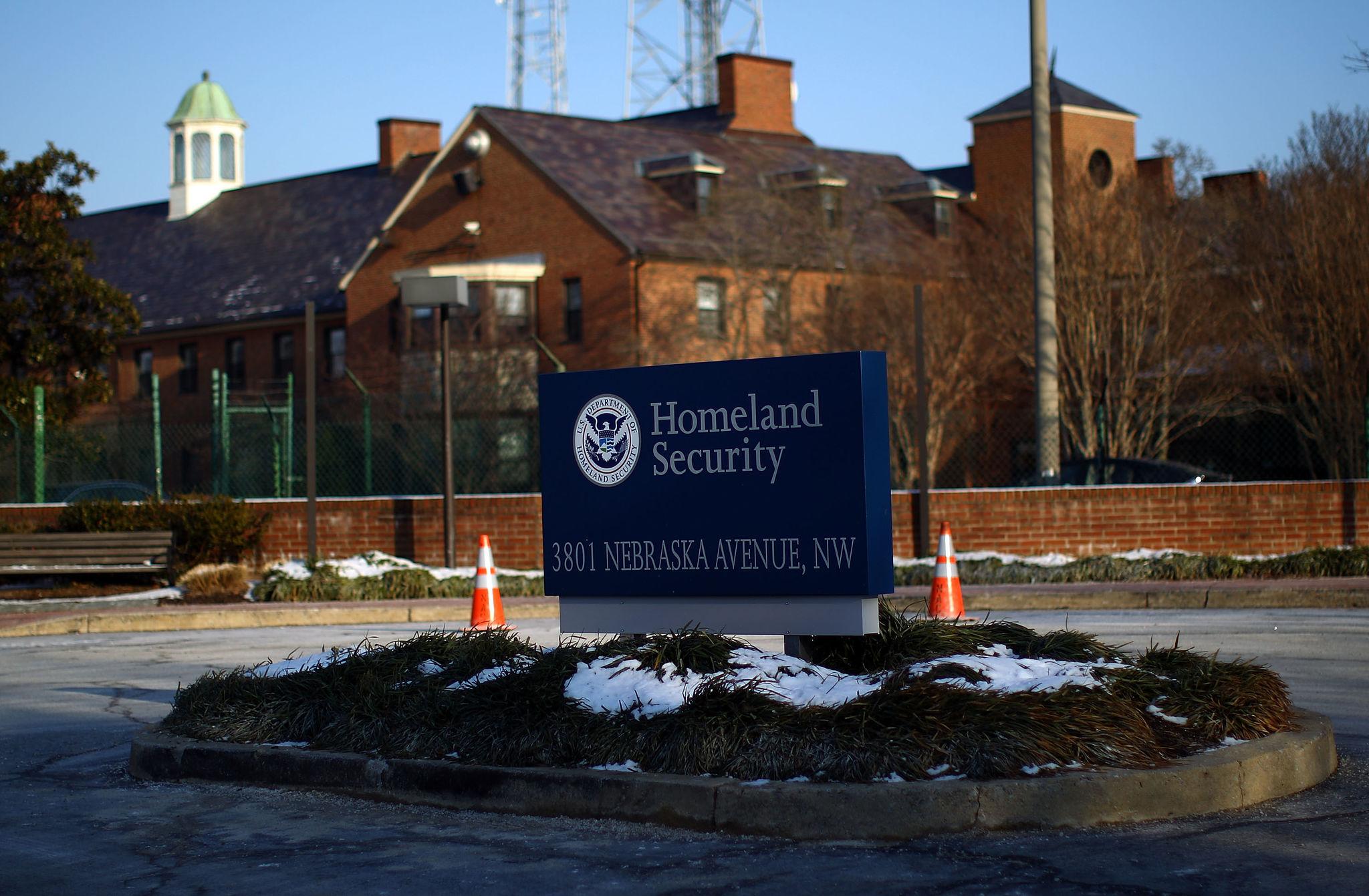
DHS shutdown travel impact is raising concerns across U.S. airports in Washington 2026 as funding uncertainty affects screening and border operations.
Airlines warn that processing delays could intensify during peak travel periods if negotiations stall.
Lawmakers face mounting pressure to resolve the shutdown quickly to protect aviation stability and traveler confidence.
Washington, United States – February 22, 2026, According to Parliament News, that DHS shutdown travel impact is emerging as a central concern in 2026 as federal budget negotiations in Washington place pressure on airport operations, aviation security systems, and border processing nationwide. With the Department of Homeland Security overseeing critical components of transportation infrastructure, any lapse in funding introduces uncertainty into a sector that depends on precision, coordination, and real time efficiency.
Airlines, airport authorities, and business groups are watching closely. Even temporary slowdowns within security screening or customs staffing can cascade across interconnected flight schedules. The DHS shutdown travel impact has therefore become more than a political talking point; it is a practical question of operational continuity for millions of travelers moving through U.S. airports each day.
Federal Funding and Aviation Infrastructure
The Department of Homeland Security supervises agencies that sit at the core of airport operations. The Transportation Security Administration manages passenger screening. Customs and Border Protection oversees international arrivals. Cybersecurity teams monitor digital systems that protect airport networks. When funding negotiations stall, these agencies activate contingency protocols, but the margin for flexibility narrows.
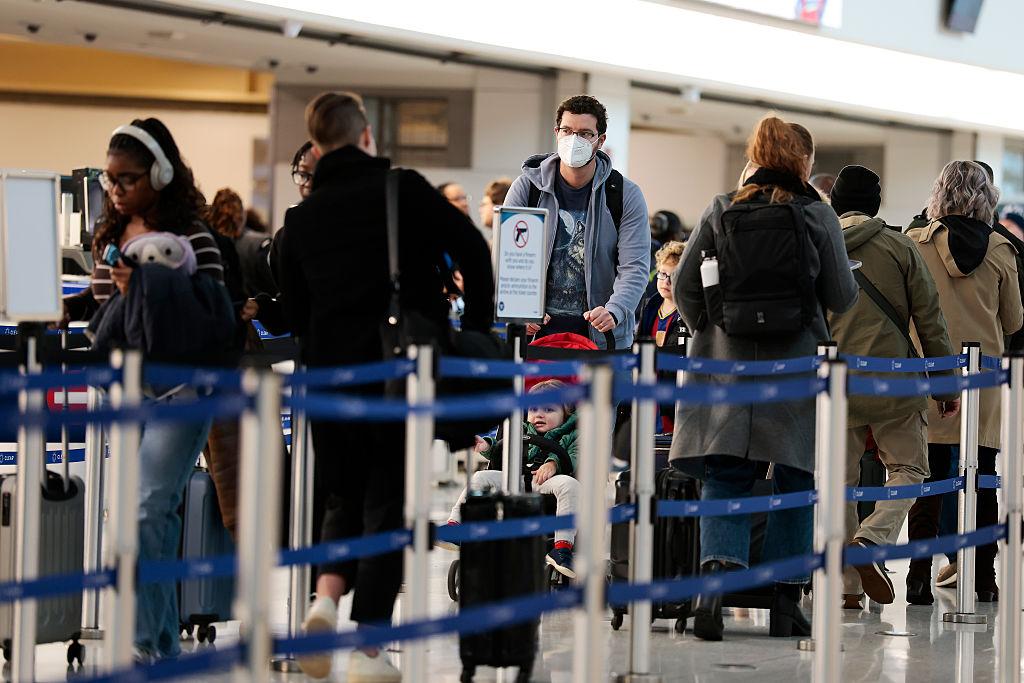
The DHS shutdown travel impact becomes most visible at checkpoints. Screening lanes may remain open, but administrative backlogs can slow enrollment systems and background verification processes. Airports are built to handle high volume throughput. Any small procedural delay, when multiplied across thousands of passengers per hour, can reshape the pace of an entire terminal.
Aviation leaders emphasize that airports function as synchronized ecosystems. Airlines, federal agencies, concession operators, and ground services operate in tandem. Disruption in one component affects all others.
Screening Operations Under Pressure
Passenger screening is designed for efficiency and safety. Officers rely on layered procedures supported by automated verification tools. When administrative funding constraints emerge, adjustments may be required.
The DHS shutdown travel impact could manifest in longer wait times for travelers accustomed to expedited processing. While security standards remain unchanged, operational strain may limit flexibility in staffing schedules or system upgrades.
Airport managers are preparing contingency plans that include reallocating personnel and increasing traveler communication. Clear signage, digital notifications, and public announcements can reduce confusion if lines lengthen unexpectedly.
International Arrivals and Border Processing
International travel introduces additional complexity. Customs officers must process passports, visas, and biometric verification for inbound passengers. During funding disruptions, staffing levels can become strained, especially at major gateway airports.
The DHS shutdown travel impact therefore extends beyond domestic terminals. International arrivals could experience extended clearance times, affecting connecting flights and overall schedule reliability. Airlines may need to adjust boarding times or rebook passengers whose connections are missed due to delays at immigration checkpoints.
Tourism dependent cities are particularly attentive to these developments. Smooth entry procedures influence traveler perceptions of efficiency and hospitality.
Airline Industry Response
Airlines have begun issuing guidance encouraging travelers to arrive earlier at airports, particularly for international departures. Carriers are also enhancing digital alerts to keep passengers informed of potential processing delays.
Executives argue that predictable federal funding is essential to aviation stability. The DHS shutdown travel impact reinforces the industry’s longstanding call for insulating critical infrastructure from prolonged political negotiations.
Carriers have limited authority over federal staffing decisions, but they can adjust internal scheduling and customer service resources. Many airlines are increasing gate agent availability to assist passengers navigating longer security lines.
Economic Consequences for Travel and Tourism
The aviation sector contributes significantly to economic activity across the United States. Hotels, rental car agencies, restaurants, and conference centers depend on consistent passenger flows. Even modest disruption can influence booking patterns.
Economists note that uncertainty affects consumer behavior. If travelers anticipate unpredictable airport experiences, discretionary trips may be postponed. Business travelers, operating on strict timelines, are particularly sensitive to potential delays.
The DHS shutdown travel impact thus intersects with broader economic resilience. Regional economies reliant on tourism may feel ripple effects if airport processing slows during peak travel periods.
Technology Systems and Operational Dependence
Modern airports rely heavily on technology. Automated passport kiosks, biometric scanning, and real time passenger tracking systems streamline operations. Funding gaps can delay maintenance updates or expansion projects tied to these technologies.
While core systems remain active, administrative support and system improvements may be paused. The DHS shutdown travel impact highlights how dependent travel infrastructure has become on both human expertise and digital integration.
Cybersecurity oversight also remains a priority. Airports are critical infrastructure, and maintaining secure networks requires coordinated monitoring.
Human Experience Inside Terminals
Beyond policy debates are the lived experiences of travelers. Families traveling for reunions, students returning to campuses, and workers attending conferences all depend on predictable airport processes.
Longer lines can heighten stress, particularly in crowded terminals. Airport authorities are focusing on communication clarity to reassure passengers. Visible staff presence and updated signage can help manage expectations.
The DHS shutdown travel impact is ultimately measured not only in statistics but in how travelers perceive reliability and efficiency.

Lessons from Previous Shutdown Episodes
Past federal shutdowns provide useful perspective. In earlier budget stalemates, airport operations continued but experienced sporadic delays and staffing strain. Over time, contingency plans improved, allowing agencies to maintain essential functions more effectively.
However, aviation volume in 2026 far exceeds levels seen in previous decades. Passenger demand has rebounded strongly, increasing the sensitivity of the system to even minor disruptions. Compared to prior shutdown episodes, today’s interconnected infrastructure magnifies operational stress.
The DHS shutdown travel impact reflects lessons learned from history resilience depends on preparation, but prevention remains preferable to adaptation.
Security Priorities Remain Intact
Federal officials consistently emphasize that safety is not compromised. Essential personnel continue working during funding lapses to maintain core security standards.
A senior transportation official stated,
“We remain fully committed to protecting passengers and maintaining operational continuity, even as budget discussions continue.”
The comment underscores the seriousness with which agencies approach their responsibilities.
Nevertheless, operational strain can affect morale and scheduling flexibility. Stable funding supports both efficiency and workforce stability.
Legislative Pressure and Policy Debate
Budget negotiations in Washington often unfold against tight deadlines. Transportation leaders and business coalitions are urging lawmakers to prioritize continuity for agencies overseeing critical travel systems.
Some policy experts advocate for dedicated contingency funding to shield aviation security from repeated shutdown cycles. Others argue that broader fiscal reforms are necessary to prevent recurring instability.
The DHS shutdown travel impact has become a focal point in these discussions, illustrating the tangible consequences of legislative stalemates.
Preparing for Peak Travel Months
Spring and summer traditionally bring surges in passenger volume. Airports must manage seasonal increases alongside routine operational demands. If funding uncertainty persists into high demand periods, congestion risks may rise.
Airport authorities are conducting scenario planning exercises to evaluate various staffing levels. Collaboration between airlines and federal agencies will be essential to maintaining throughput.
Transparent communication remains a cornerstone of preparedness. Travelers who understand expectations are better equipped to adapt calmly.
Broader Implications for National Mobility
Air travel connects communities, supports commerce, and facilitates emergency response. Disruption in major hubs can reverberate across regional airports and connecting routes.
The DHS shutdown travel impact therefore extends beyond metropolitan centers. Smaller communities dependent on air connectivity may experience schedule adjustments if cascading delays occur at larger hubs.
Maintaining mobility requires stable governance structures that support both physical and administrative infrastructure.
Financial Market Reactions
Investors monitor transportation stability as a barometer of economic health. Airline stocks, tourism sector equities, and airport operators can respond to signals of operational uncertainty.
While temporary shutdown effects are unlikely to trigger systemic market volatility, prolonged disruption could influence earnings forecasts within the travel sector.
The DHS shutdown travel impact thus occupies not only political headlines but also investor analysis.
Outlook for Resolution
Historically, federal shutdowns affecting aviation have been resolved before causing prolonged systemic breakdown. Negotiations often intensify as public pressure mounts.
Industry leaders remain cautiously optimistic that a funding agreement will be reached swiftly. In the interim, contingency planning and public communication will shape the traveler experience.
Ensuring continuity in transportation systems is widely recognized as a bipartisan priority.
Resilience in a Politically Charged Environment
The intersection of policy negotiation and infrastructure management illustrates the delicate balance between governance and operational continuity. Airports operate on minute by minute precision, while legislative processes can unfold unpredictably.
The DHS shutdown travel impact reveals how tightly linked federal decision making is to everyday travel routines. Even short term uncertainty can introduce strain into an otherwise efficient system.
Yet resilience remains a defining characteristic of U.S. aviation. Experienced personnel, adaptive protocols, and cooperative industry relationships help maintain functionality.
When Stability Becomes Strategy
In 2026, one clear lesson stands out stability is not passive, it is a deliberate strategy. Reliable airport systems support business growth, international diplomacy, tourism, and everyday family travel across the United States. When these systems function smoothly, they strengthen economic confidence and public trust.
The DHS shutdown travel impact highlights how quickly uncertainty can influence national mobility. It serves as both a warning and a reminder that operational continuity depends on more than runways and terminals. Consistent policy direction and dependable federal support are just as critical as physical infrastructure.
As lawmakers continue negotiations and agencies activate contingency measures, airports across the country remain open and operational. Still, the DHS shutdown travel impact keeps aviation leaders on alert, monitoring staffing levels and passenger flow. Whether disruptions remain temporary or deepen further will ultimately hinge on decisions made in Washington.
For travelers, preparation remains the most practical response. Staying informed, arriving early, and allowing flexibility in schedules can reduce stress. The aviation network has been designed to withstand pressure, yet the DHS shutdown travel impact demonstrates that long term resilience relies on steady governance.
At this juncture, the intersection of policy and infrastructure underscores a fundamental reality. National mobility prospers when stability is intentionally safeguarded, not simply expected to endure on its own.