
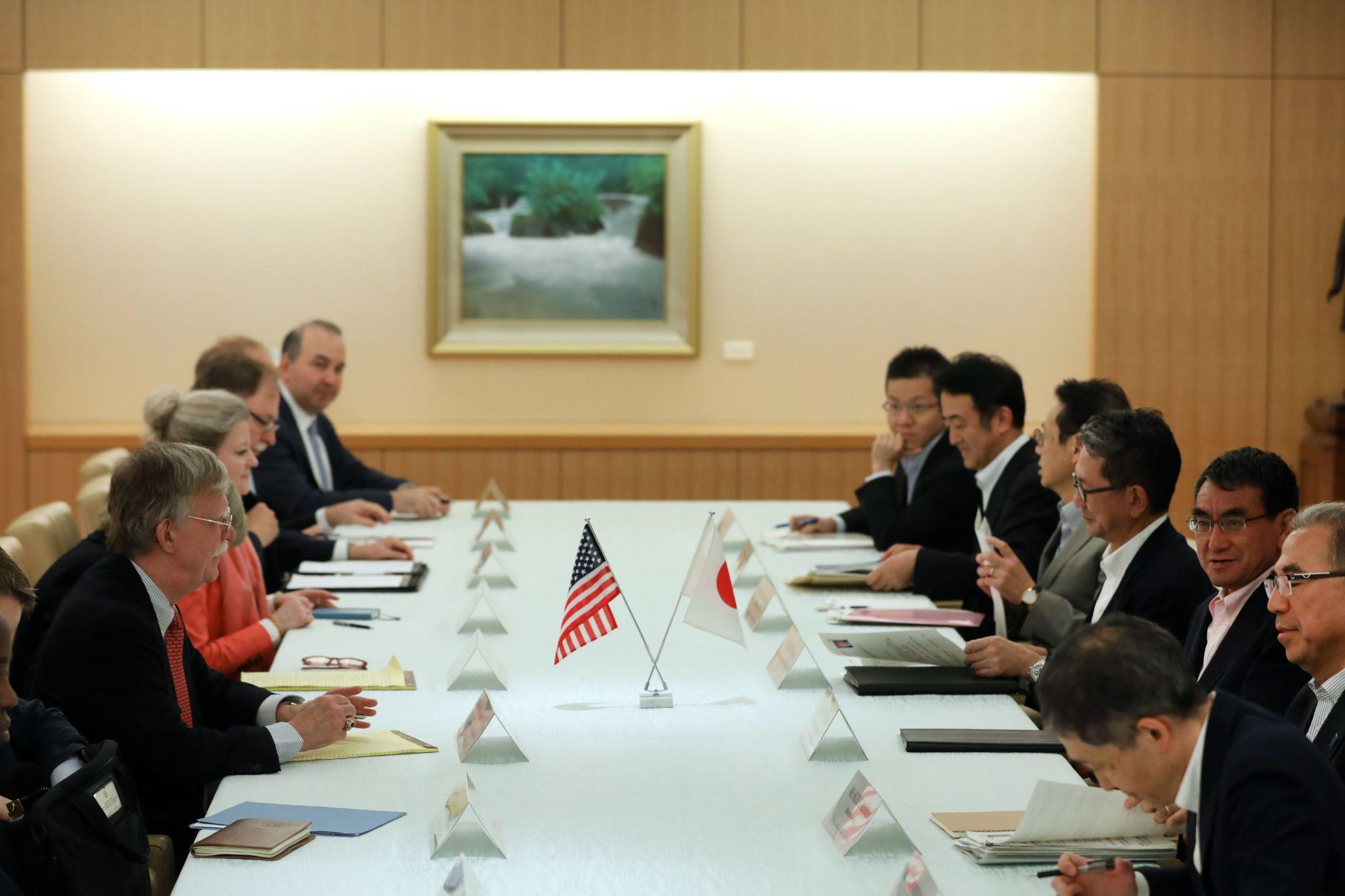
Tokyo, Japan – February 22, 2026, According to Parliament News, that US Japan energy talks are entering a pivotal phase in 2026 as senior officials from Washington and Tokyo prepare for expanded discussions centered on supply security, long term infrastructure coordination, and strategic alignment across the Indo Pacific. The meetings, scheduled to take place in Tokyo this March, reflect a renewed urgency around energy reliability amid global uncertainty.
Energy diplomacy has steadily grown into one of the most consequential elements of the bilateral relationship. In recent years, volatility in global markets, shipping route disruptions, and shifting geopolitical alliances have pushed both governments to deepen cooperation. The upcoming round of US Japan energy talks is widely viewed as part of a broader effort to stabilize supply chains and reinforce economic resilience.
Strategic Context Behind the 2026 Meeting
The current round of US Japan energy talks comes at a moment when global supply chains remain under pressure. From maritime security concerns to fluctuating commodity prices, energy markets have become more interconnected and more vulnerable to disruption. Japan, as one of the world’s largest importers of energy resources, faces heightened exposure to these risks. The United States, meanwhile, has emerged as a leading exporter of liquefied natural gas, reshaping trade flows across the Pacific.
This evolving dynamic has strengthened economic interdependence between the two nations. Energy is no longer merely a transactional commodity exchanged across oceans. It has become a pillar of strategic cooperation that influences industrial planning, defense coordination, and regional diplomacy.
In 2026, both governments are signaling that predictability and partnership must guide the next stage of policy. By hosting the meeting in Tokyo, Japan underscores its role as a central hub in the Indo Pacific energy landscape.
LNG Trade and Long Term Contracts
Liquefied natural gas remains one of the most visible components of US Japan energy talks. Over the past decade, American LNG exports have offered Japan a diversified supply source, reducing reliance on single regions and enhancing flexibility in contract negotiations. Long term agreements have provided stability for both exporters and importers.
Japanese utilities have favored predictable pricing structures, while American producers benefit from secure overseas demand. This mutual reinforcement has encouraged investment in port facilities, regasification terminals, and shipping fleets designed to handle trans Pacific trade.
During this year’s discussions, policymakers are expected to explore extending existing contracts and facilitating new infrastructure financing. Stable supply routes across the Pacific remain a shared priority, particularly given concerns over congestion and maritime risk.
Infrastructure Modernization and Investment
Beyond fuel trade, infrastructure modernization forms a core element of the dialogue. Ports in both countries are undergoing expansion to accommodate increased LNG volumes and emerging hydrogen shipments. Pipeline networks and grid systems require upgrades to integrate renewable energy more efficiently.
Energy infrastructure investments often span decades, demanding regulatory clarity and long term planning. The talks are expected to examine mechanisms for encouraging private sector participation through transparent frameworks and predictable policy environments.
Joint financing initiatives could further deepen economic ties, particularly in the development of clean energy technologies. These investments not only enhance resilience but also signal confidence in enduring bilateral cooperation.
Renewable Energy and Innovation
While fossil fuels continue to underpin industrial activity, both nations are accelerating renewable energy development. Japan has invested heavily in hydrogen research and offshore wind projects, seeking alternatives that reduce emissions while maintaining reliability. The United States continues to expand solar, wind, and battery storage capacity under a combination of federal and state initiatives.
US Japan energy talks are likely to address collaborative research in advanced battery systems, hydrogen transportation, and carbon capture technologies. Innovation partnerships between universities, private firms, and government agencies may serve as a bridge connecting environmental ambition with economic pragmatism.
Clean energy cooperation also strengthens diplomatic ties by aligning climate objectives with industrial growth. The shared pursuit of technological leadership reinforces a competitive yet collaborative spirit.
Regional Security Considerations
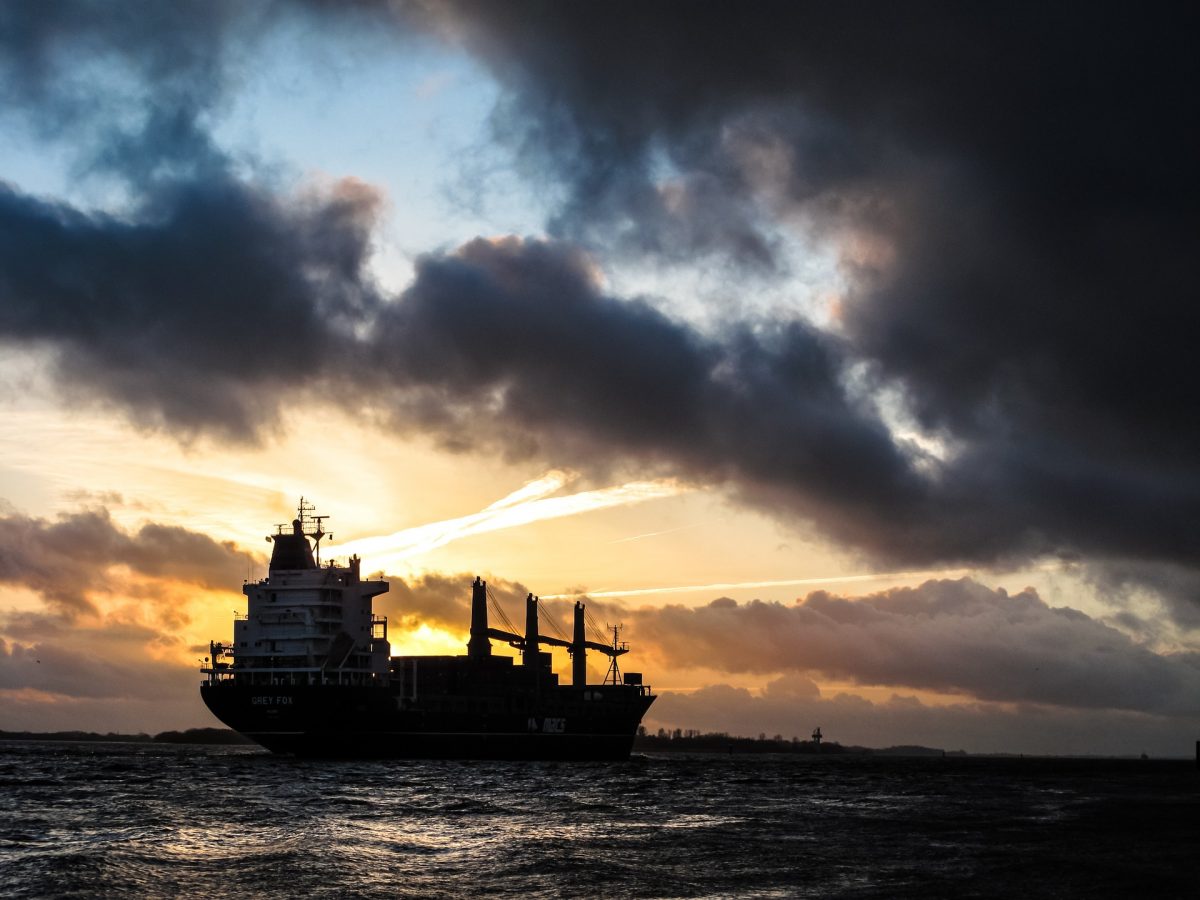
Energy trade relies on secure shipping lanes and stable geopolitical relationships. The Pacific Ocean serves as a primary conduit for transcontinental fuel transport. Any disruption to maritime routes can reverberate across global markets.
As a result, US Japan energy talks inevitably intersect with broader security discussions. Protecting sea lanes, ensuring open commerce, and maintaining regional stability are intertwined objectives. Energy infrastructure is considered critical national security infrastructure, and its protection has become a shared responsibility.
Strategic alignment in the energy sector often complements defense cooperation, creating layered partnerships that extend well beyond economics.
Economic Impact on Industry and Households
Energy stability influences more than diplomatic headlines. Manufacturing plants, technology firms, and transportation networks depend on reliable power supplies. In Japan, industrial competitiveness relies heavily on imported fuel. In the United States, energy exports contribute to domestic employment and regional economic growth.
The outcome of US Japan energy talks could affect electricity prices, corporate investment decisions, and long term capital flows. Markets tend to respond positively to predictability, particularly when governments articulate clear policy trajectories.
Communities near port facilities and shipping hubs may see increased economic activity as trade volumes expand. Infrastructure development often generates construction jobs and ancillary services that ripple through local economies.
One Perspective from Policymakers
During preparatory briefings, one senior official emphasized the practical nature of the discussions, stating,
“Our shared priority is stability and reliability for our citizens and industries, ensuring that cooperation translates into measurable economic security.”
This sentiment reflects the broader tone of the negotiations. Rather than dramatic policy shifts, observers anticipate steady reinforcement of existing frameworks, guided by realism and mutual benefit.

Historic Comparison
To understand the significance of the current moment, it is useful to reflect on previous periods of energy disruption. The oil shocks of the 1970s reshaped global economic policy and prompted Japan to diversify supply sources aggressively. In the decades that followed, technological advancements and market liberalization transformed the energy sector.
Compared to those earlier crises, today’s environment is defined less by sudden embargoes and more by structural volatility and geopolitical complexity. US Japan energy talks in 2026 reflect lessons learned from history the necessity of diversification, long term contracts, and coordinated diplomacy.
The partnership has matured from reactive crisis management to proactive planning. Historical experience underscores the importance of resilience, a principle that continues to guide contemporary strategy.
Environmental Balance and Public Expectations
Balancing reliability with sustainability remains one of the defining challenges of modern energy policy. Japan faces domestic expectations for affordability and environmental responsibility. The United States navigates similar debates regarding production levels and emissions reduction.
US Japan energy talks provide a platform for aligning short term supply needs with long term climate goals. Carbon capture initiatives, hydrogen integration, and grid modernization may feature prominently in discussions.
Public opinion in both countries increasingly demands transparency and accountability. Energy policy decisions must therefore balance economic growth with environmental stewardship.
Broader Indo Pacific Implications
The ripple effects of the meeting extend beyond bilateral cooperation. Other Indo Pacific nations observe closely, assessing how coordinated frameworks between major economies may influence regional trade norms.
Expanded cooperation may encourage multilateral initiatives or inspire parallel agreements with neighboring countries. Stability between two major economic powers often shapes expectations and standards throughout the region.
Energy diplomacy thus becomes both a symbol and a mechanism of broader geopolitical alignment.
Financial Markets and Investor Confidence
Energy markets are sensitive to policy signals. Even incremental progress during US Japan energy talks can influence investor sentiment. Long term agreements reduce uncertainty, allowing companies to allocate capital with greater confidence.
Equity markets in the energy sector may respond to announcements regarding infrastructure expansion or contract renewals. Currency markets also monitor trade flows, particularly when export volumes affect balance of payments dynamics.
While dramatic price swings are unlikely from a single meeting, cumulative policy alignment can gradually reshape market expectations.

Looking Ahead to Implementation
As March approaches, officials continue refining agendas and confirming delegation lists. Implementation mechanisms may include joint working groups and scheduled follow up sessions to monitor progress.
Observers expect continuity rather than abrupt transformation. However, steady reinforcement of cooperative frameworks often yields lasting stability.
US Japan energy talks in 2026 illustrate how strategic patience and consistent engagement can build durable partnerships.
A Defining Moment for Pacific Cooperation
Energy diplomacy continues to shape economic resilience across the Indo Pacific region. By convening in Tokyo, leaders are underscoring how critical structured collaboration has become in a period marked by supply uncertainty and geopolitical shifts.
The latest US Japan energy talks highlight a shared commitment to supply security, innovation, and long term regional stability. At a time when interconnected markets demand coordinated responses, US Japan energy talks serve as a strategic anchor for confidence and predictability across the Pacific. These US Japan energy talks are not simply routine diplomatic meetings but an effort to reinforce trust and deepen cooperation in a rapidly evolving global environment.
Beyond Transactions Toward Enduring Partnership
As delegations assemble in Tokyo, the focus stretches beyond short term contracts or temporary agreements. The broader ambition behind US Japan energy talks is to establish frameworks capable of withstanding market cycles, price volatility, and geopolitical tension. By strengthening institutional coordination, US Japan energy talks aim to create durable systems that promote stability well beyond 2026.
In this context, US Japan energy talks represent more than policy discussions. They symbolize a sustained alliance grounded in practical coordination and shared responsibility. Through consistent engagement and strategic alignment, US Japan energy talks continue to reinforce Indo Pacific stability while reflecting lessons drawn from past energy disruptions and forward looking economic planning.
