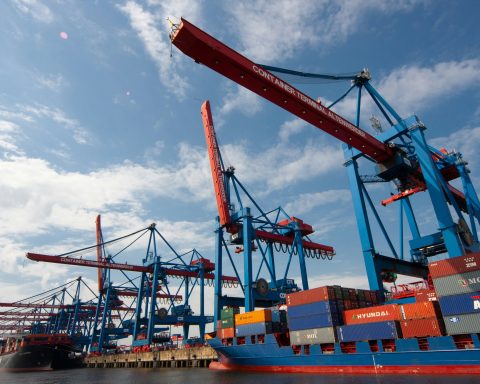

US trade policy 2026 is drawing global scrutiny as Washington weighs new tariff measures.
European and financial leaders urge constitutional clarity and economic stability.
Markets respond cautiously as global trade relationships face renewed pressure.
WASHINGTON, United States – February 22, 2026 – Parliament News – The evolving direction of US trade policy 2026 has moved to the forefront of international economic discussion as lawmakers, financial leaders, and global institutions closely examine potential tariff adjustments and constitutional considerations. The debate is unfolding at a pivotal moment for global markets that remain sensitive to geopolitical and economic uncertainty.
Across Washington, conversations inside congressional offices and federal agencies signal that trade policy decisions in 2026 may carry lasting implications for supply chains, inflation trends, and international partnerships. Observers say the renewed scrutiny underscores the importance of legal clarity and predictable governance in shaping long term economic stability.
Renewed Tariff Discussions Resurface in Washington
Policymakers are evaluating how adjustments under US trade policy 2026 could affect both domestic industries and global economic relationships. Tariffs, long considered instruments of strategic leverage, are again being examined as tools that can influence trade balances, manufacturing competitiveness, and national security priorities.
Financial analysts note that any expansion of tariffs would ripple across industries including agriculture, automotive manufacturing, technology, and consumer goods. Businesses dependent on imported components may experience higher input costs, while domestic producers competing with foreign imports could see short term advantages.
The current environment, however, differs from previous cycles. Global supply chains remain in a state of cautious realignment following pandemic disruptions and geopolitical tensions. The timing of new trade measures therefore carries heightened significance.
European Central Bank Signals Caution
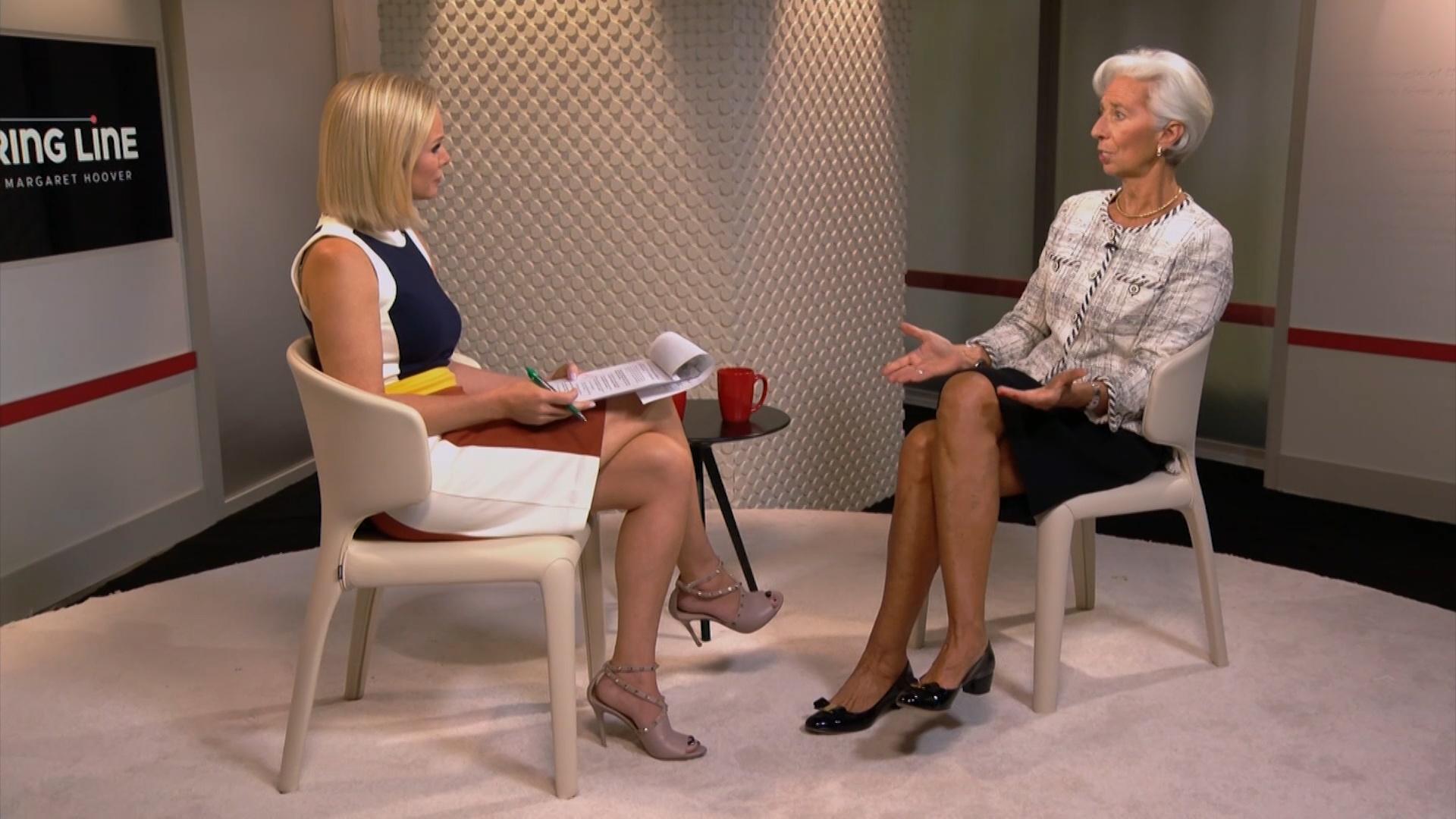
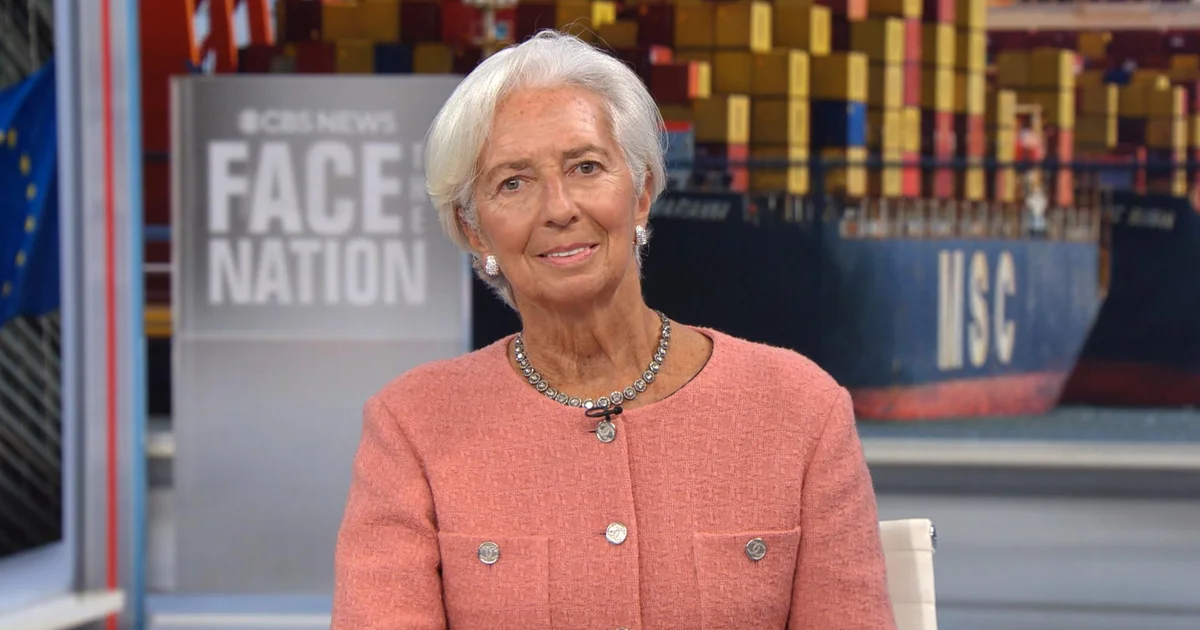
European Central Bank President Christine Lagarde addressed the subject during a televised interview, emphasizing careful deliberation and constitutional compliance. Her remarks were interpreted as a call for stability rather than confrontation.
“I hope that any new tariff initiative is thought through and complies fully with constitutional principles,” Lagarde said during her appearance.
The statement reflects international awareness that US trade policy 2026 extends beyond national borders. European economies maintain substantial export relationships with the United States, and policy adjustments in Washington can influence euro area growth projections and inflation forecasts.
ECB officials monitor global trade shifts because they affect currency valuations and cross border investment flows. A sudden policy shift may require adjustments in economic forecasting models used by central banks worldwide.
Constitutional Authority and Institutional Balance
A central element of the discussion involves the constitutional framework governing trade powers in the United States. Historically, Congress retains authority over tariffs, yet various statutes have delegated certain powers to the executive branch.
Legal scholars reviewing US trade policy 2026 are examining whether new tariff measures would rely on existing trade laws or require additional legislative authorization. This distinction matters for market stability, as policies grounded in clear legal precedent tend to carry greater durability.
One senior economic advisor in Washington noted,
“Markets value predictability. When policy decisions are clearly rooted in law, confidence improves and volatility tends to decline.”
The interplay between executive authority and congressional oversight continues to shape the broader trade narrative in 2026.
Market Sensitivity and Investor Reaction
Equity markets and currency traders have responded with measured caution as developments surrounding US trade policy 2026 unfold. The dollar has experienced modest fluctuations, while certain industrial sectors have shown increased volatility.
Investors frequently assess trade policy developments alongside inflation data, employment figures, and central bank guidance. In the current climate, even incremental policy shifts can influence expectations regarding corporate earnings and consumer pricing trends.
Portfolio managers emphasize diversification strategies during periods of policy uncertainty. Defensive sectors such as utilities and consumer staples often attract attention when geopolitical risk rises.
Despite temporary volatility, broader indices remain within stable ranges, suggesting that markets are awaiting clearer signals before making decisive moves.
Business Leaders Weigh Economic Impact
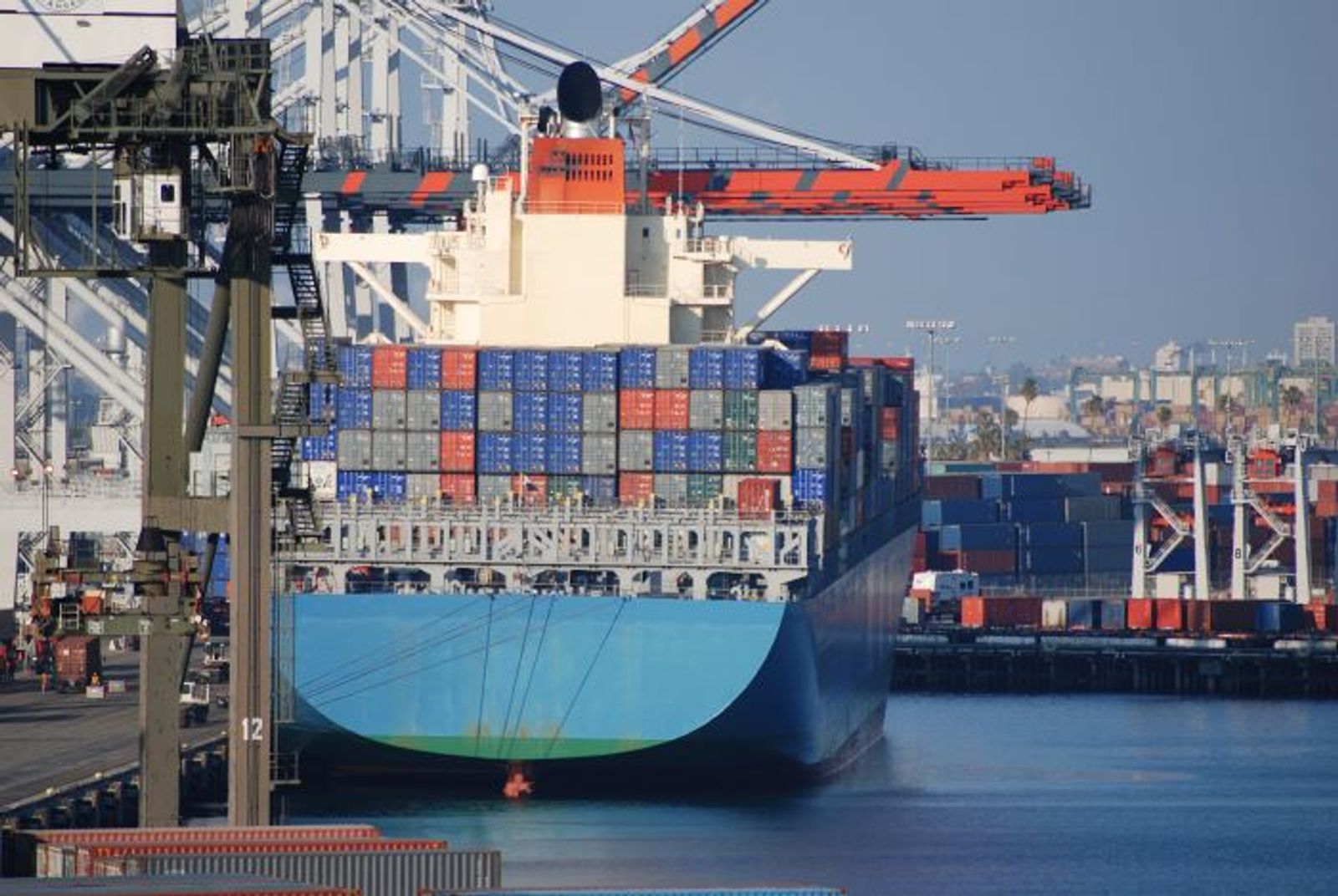
American business organizations have urged policymakers to engage in consultation before implementing major trade adjustments. Executives argue that transparent communication allows companies to prepare supply chains and adjust sourcing strategies.
Manufacturers operating globally often require months to restructure procurement contracts. Sudden tariff changes may lead to short term cost spikes and logistical complications.
A representative from a national manufacturing association commented,
“Clarity and advance notice are critical for maintaining competitiveness and protecting jobs.”
Small and medium sized enterprises are particularly sensitive to trade disruptions. Unlike multinational corporations, smaller firms may lack diversified supplier networks capable of absorbing abrupt cost increases.
Diplomatic Considerations Across the Atlantic
Diplomatic channels remain active as European officials monitor developments in Washington. Trade between the United States and the European Union represents one of the largest bilateral economic relationships in the world.
US trade policy 2026 intersects with ongoing dialogues concerning technology standards, digital taxation, and industrial subsidies. European policymakers have expressed preference for multilateral engagement rather than unilateral measures.
A senior EU official stated,
“Transatlantic cooperation strengthens economic resilience and supports shared prosperity.”
While differences in trade philosophy sometimes emerge, both sides recognize the strategic importance of maintaining open communication.
Inflation, Supply Chains, and Consumer Prices
Economists are closely evaluating how US trade policy 2026 could influence inflation trajectories. Tariffs may raise import costs, potentially contributing to price pressures if businesses pass those costs to consumers.
Inflation has moderated compared to earlier peaks, but remains a key focus for central banks. Policymakers must consider whether tariff related price increases would be temporary or structural.
Supply chain adjustments also carry cost implications. Companies may shift sourcing to alternative markets, a process that can require new investments and regulatory approvals.
The cumulative impact on consumer prices will depend on the scope and duration of any policy change.
Political Landscape and Legislative Dynamics
Trade policy debates often intersect with domestic political considerations. Lawmakers balance the interests of industrial constituencies, agricultural communities, and export dependent regions.
US trade policy 2026 is unfolding amid a politically active environment in Washington. Bipartisan negotiations may determine whether proposals advance or undergo revision.
Political analysts suggest that compromise could yield more durable outcomes. Policies supported across party lines typically offer greater stability and reduce the likelihood of rapid reversals following electoral shifts.
The legislative path forward remains closely watched by stakeholders across industries.
Historical Context of American Tariff Strategy
Throughout American history, tariffs have served as both revenue tools and instruments of economic strategy. From nineteenth century industrial protection to modern trade negotiations, tariff policy has evolved alongside global commerce.
In past decades, trade liberalization agreements sought to lower barriers and expand markets. More recently, debates have shifted toward balancing open trade with domestic industry protection.
This historical perspective underscores that US trade policy 2026 represents part of a broader continuum rather than an isolated event. Policymakers often draw lessons from previous cycles to inform contemporary decisions.
Understanding historical precedent can reduce the risk of unintended economic consequences.
Global Market Outlook for 2026
Economic forecasts for 2026 indicate moderate global growth, though risks remain. Energy prices, geopolitical tensions, and fiscal policy decisions continue to influence projections.
Financial institutions are incorporating potential adjustments under US trade policy 2026 into risk assessments. Scenario modeling helps investors evaluate potential impacts across sectors.
Central banks, including the Federal Reserve and the European Central Bank, continue monitoring developments that may affect monetary policy calibration.
Stability in trade relationships generally supports investment and expansion. Prolonged uncertainty can dampen momentum.
A Turning Point for Economic Governance
The broader significance of US trade policy 2026 extends beyond tariff percentages. It reflects questions about institutional balance, international cooperation, and long term economic vision.
Leaders across financial and political spheres emphasize that careful deliberation and legal clarity can strengthen market confidence.
Observers agree that the coming months will prove pivotal in determining whether policy adjustments foster stability or introduce renewed volatility.
As Washington deliberates and global markets respond, the trajectory of US trade policy 2026 will shape economic conditions not only in the United States but across the interconnected global economy.