


London security protocols enter intense parliamentary review in London 2026.
Lawmakers assess oversight, transparency, and protective assignment standards.
The outcome could influence future security governance across the capital.
London, United Kingdom – February 22, 2026 — According to Parliament News, that In London 2026, a comprehensive institutional review has placed London security protocols under renewed examination, prompting debate across Parliament, policing authorities, and civil society. The evaluation focuses on how protective services are assigned, how oversight mechanisms function, and whether transparency standards reflect modern democratic expectations. Officials stress that the review represents procedural strengthening rather than evidence of systemic failure, yet public interest remains intense as policymakers analyze how security resources are allocated.
The discussion unfolding in London 2026 highlights the balance between operational confidentiality and public accountability. Protective units operate in complex threat environments, but democratic governance demands consistent oversight. As committees evaluate documentation and historical authorizations, the broader objective is clear: reinforce trust in institutions responsible for safeguarding national leadership and high profile individuals.
Protective governance in the United Kingdom operates through structured legal authority and operational guidelines. At the center of the 2026 review are London security protocols, which determine eligibility criteria for protective services, deployment procedures, and reporting requirements. These frameworks evolved in response to decades of counterterrorism reforms and institutional modernization.
Security specialists emphasize that such protocols must adapt continuously to evolving risks. Threat landscapes now include not only physical dangers but also digital vulnerabilities and hybrid threats. Maintaining effective safeguards requires constant refinement of operational doctrine, yet refinement must occur within a transparent legal structure.
Institutional Oversight in Practice
The parliamentary examination underway in London 2026 scrutinizes how London security protocols are implemented in practice. Committees are reviewing deployment records, internal approval chains, and threat assessment documentation. Oversight bodies aim to confirm that decisions align with established criteria rather than discretionary interpretation.
Democratic accountability requires clarity. When protective assignments involve public funding, documentation must withstand scrutiny. Lawmakers have requested detailed briefings from senior police leadership to understand procedural safeguards and review mechanisms.
Operational Complexity and Threat Assessment
Close protection units operate in dynamic conditions requiring rapid judgment. London security protocols include structured threat assessments, intelligence collaboration, and coordination between policing and government departments. These elements ensure that assignments reflect credible risk rather than political influence.
Experts caution that operational confidentiality limits how much information can be publicly disclosed. Nevertheless, institutional legitimacy depends on demonstrating that procedures are applied consistently and fairly.
Public Trust and Transparency Expectations
Public discourse in London 2026 reflects evolving expectations about openness in government operations. Civil society groups advocate stronger audit trails and clearer public reporting frameworks. At the same time, security professionals stress that excessive transparency may compromise safety.
The ongoing review of London security protocols attempts to reconcile these perspectives. Enhanced reporting guidelines, without revealing sensitive intelligence, may strengthen public confidence while preserving operational security.
Fiscal Responsibility and Resource Allocation
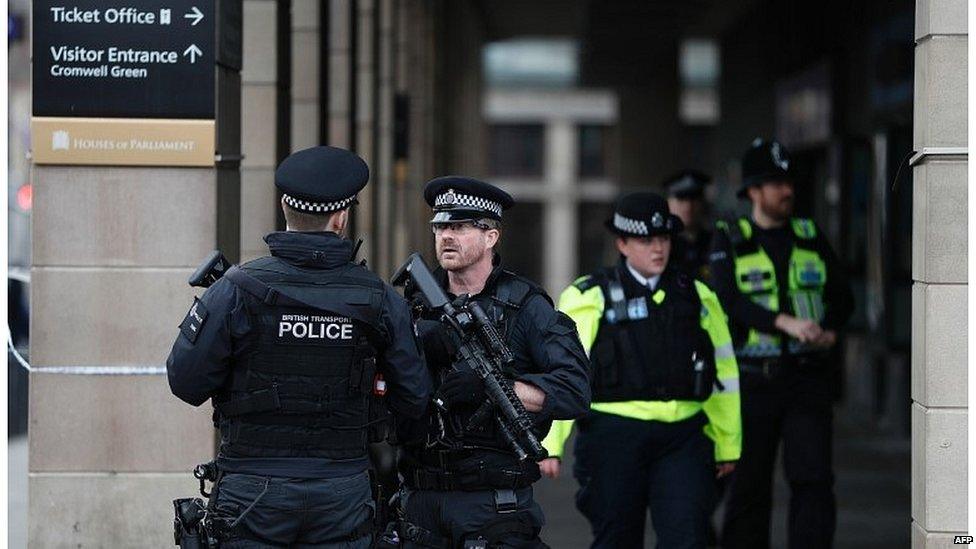
Protective services involve significant expenditure. Policymakers therefore examine whether London security protocols ensure responsible allocation of personnel and equipment. In an era of budget constraints, effective prioritization becomes increasingly important.
Financial accountability intersects with security planning. Transparent budgeting processes help reassure taxpayers that protective resources are justified by measurable risk.
Parliamentary Debate and Political Context
Political dynamics inevitably shape policy reviews. In London 2026, cross party consensus supports maintaining strong protective capacity while refining oversight mechanisms. Lawmakers from multiple parties have emphasized that the review is not partisan but institutional.
The debate has centered on whether amendments to London security protocols are necessary or whether clearer documentation alone will suffice. Parliamentary leaders have indicated that recommendations may emerge before the end of the legislative session.
International Comparisons
Global capitals face similar challenges. Washington, Paris, and Berlin maintain structured protective systems overseen by legislative bodies. Comparative analysis suggests that London security protocols align broadly with international best practices, though documentation standards vary.
International benchmarking offers valuable insight. Observers argue that adopting digital auditing tools used in other jurisdictions could further modernize record keeping in London.
Legal Foundations of Protective Authority
Statutory authority underpins protective operations. The legal architecture supporting London security protocols defines eligibility thresholds and accountability channels. Judicial review mechanisms provide an additional safeguard against misuse of authority.
Legal scholars participating in the 2026 review emphasize that clarity in statutory language strengthens both operational efficiency and public trust. Where ambiguity exists, legislative refinement may follow.
Media Coverage and Public Dialogue
Media attention has amplified the significance of the review. Headlines referencing London security protocols have drawn national and international interest. Public dialogue often focuses on hypothetical scenarios rather than documented findings, underscoring the importance of clear communication from officials.
Transparency initiatives, including public briefings and committee summaries, aim to ensure that discussions remain grounded in verified information.
Reform Proposals Under Consideration
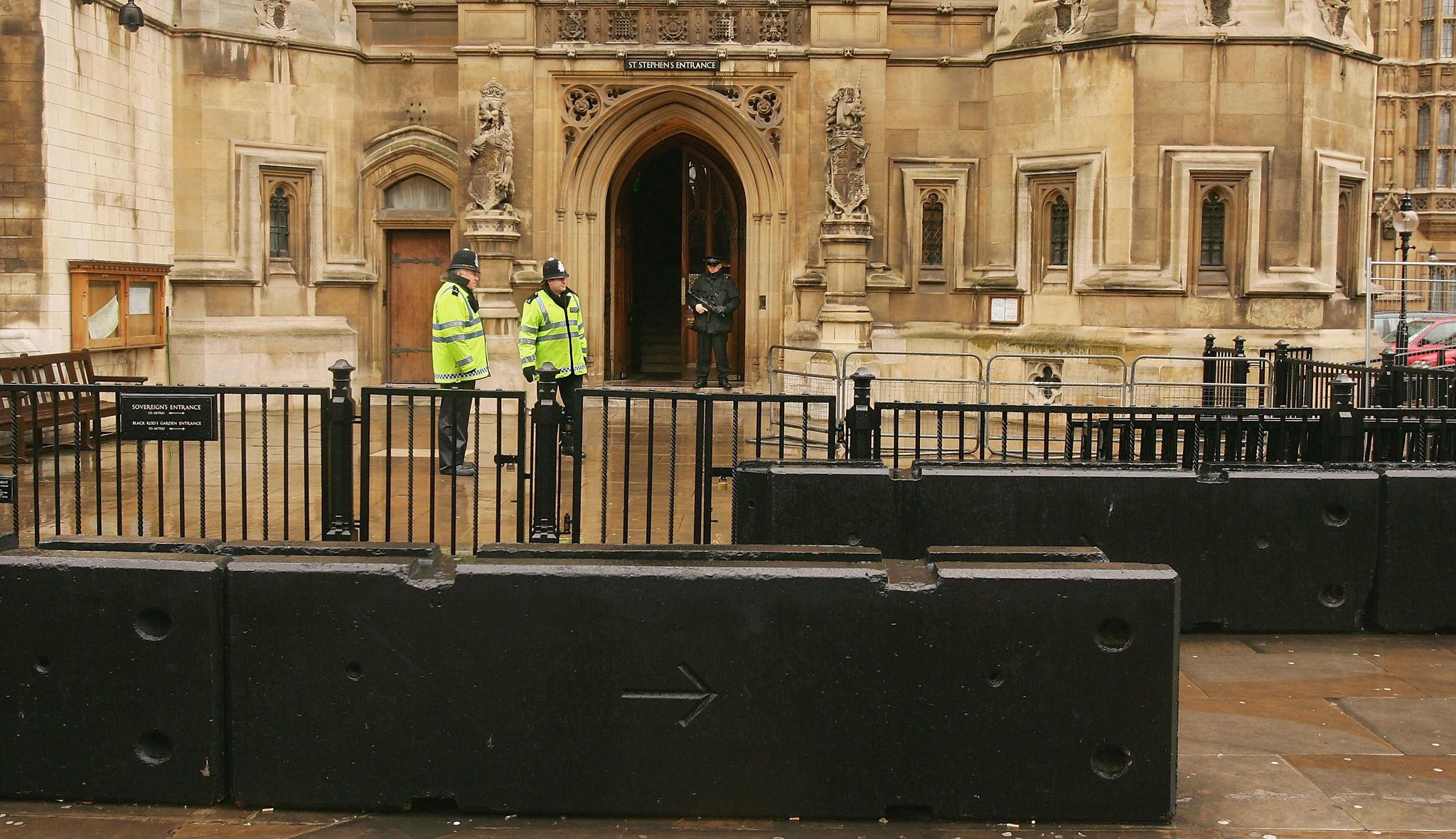
Several reform proposals have emerged. These include standardized digital logging of protective assignments, periodic independent audits, and clearer separation between public duty and private engagements. Policymakers evaluating London security protocols have expressed openness to incremental updates rather than sweeping structural overhaul.
Reform advocates argue that measured adaptation strengthens institutions without undermining morale within protective units.
Historic Comparison
Historical examination reveals that protective governance in London has evolved through periods of crisis and reform. From counterterrorism expansions in the late twentieth century to modernization efforts following technological change, London security protocols have consistently adapted to emerging threats.
Earlier reforms often followed high profile security challenges that prompted institutional introspection. Over time, these reviews strengthened operational standards and legislative clarity. The 2026 evaluation mirrors this pattern of periodic reassessment, demonstrating how democratic systems refine protective frameworks through scrutiny rather than secrecy.
The Human Dimension of Protection
Beyond institutional structures lies the human element. Protection officers operate under intense pressure, tasked with safeguarding individuals whose safety carries national significance. London security protocols guide their conduct, but professionalism and judgment remain critical.
Training programs emphasize ethics, discretion, and adherence to documented procedure. Policymakers reviewing the system acknowledge that maintaining morale and public confidence requires mutual respect between oversight bodies and operational units.
Technological Modernization
Advances in technology influence modern security management. Digital communication systems, encrypted reporting tools, and predictive analytics contribute to more efficient implementation of London security protocols.
Modernization initiatives under discussion in London 2026 include improved data integration between intelligence agencies and protective units. Enhanced technology may also support transparent auditing processes without compromising classified information.
Institutional Resilience in 2026
Institutional resilience depends on the capacity to adapt. The review of London security protocols reflects confidence in the system’s ability to withstand scrutiny and evolve constructively. Parliamentary leaders have framed the evaluation as evidence of democratic strength rather than vulnerability.
One senior parliamentary official summarized the moment by stating,
“Strong institutions welcome scrutiny because transparency reinforces public trust.”
This sentiment encapsulates the guiding philosophy behind the review process.
Broader Implications for Democratic Governance
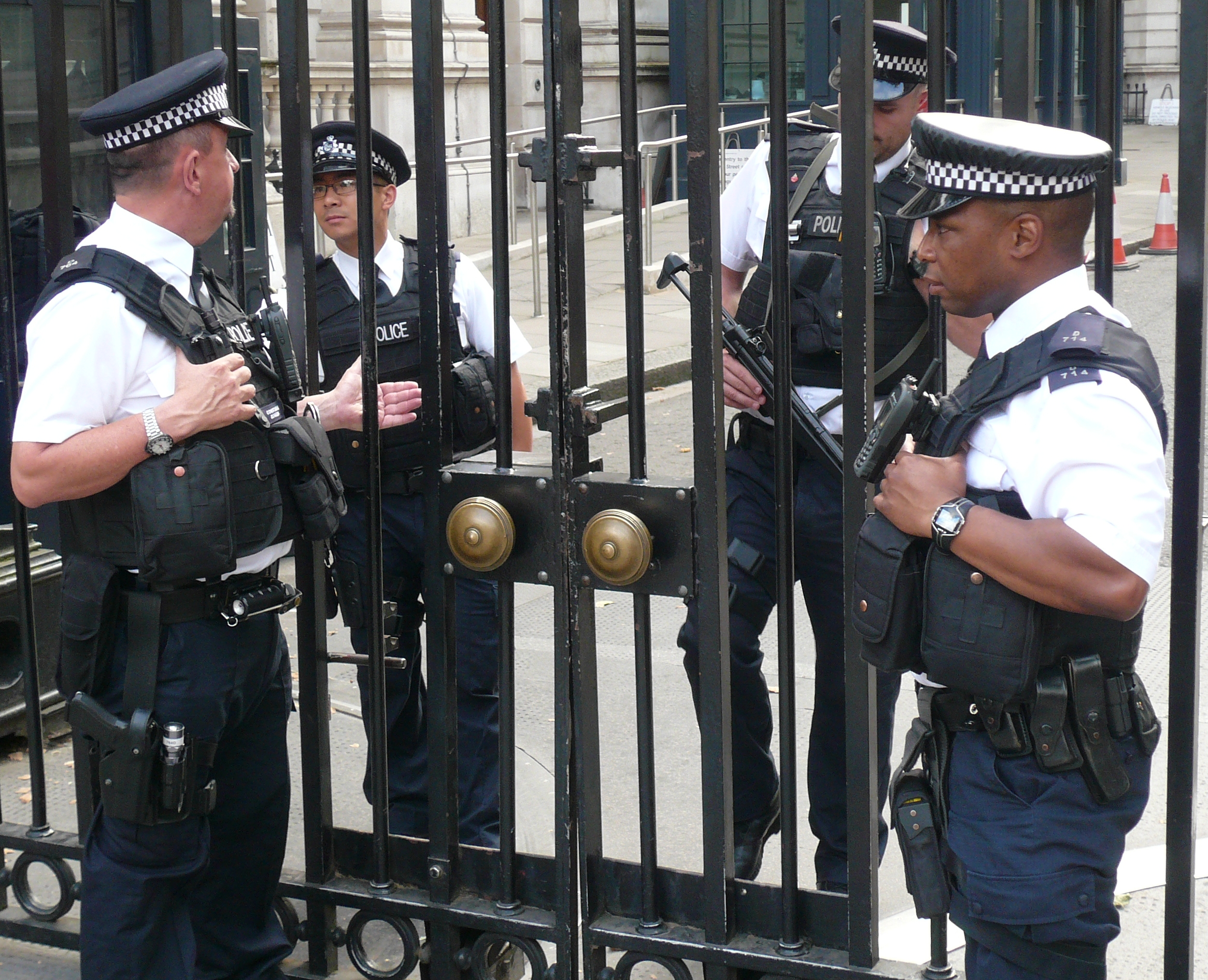
Protective governance intersects with broader questions about state authority and civil oversight. Ensuring that London security protocols remain proportionate and accountable supports the legitimacy of public institutions.
Democratic systems thrive when operational effectiveness coexists with transparent review mechanisms. The London 2026 examination may serve as a model for other jurisdictions seeking balance between confidentiality and accountability.
Future Outlook
As committees finalize recommendations, policymakers anticipate incremental refinements rather than dramatic transformation. Enhanced documentation standards and digital auditing tools are among the most likely outcomes.
The review demonstrates that London security protocols are living frameworks subject to continuous evaluation. Institutional adaptation, grounded in democratic oversight, remains the hallmark of resilient governance.
Accountability at the Crossroads of Security and Democracy
The 2026 examination of London security protocols represents a defining chapter in institutional accountability. By confronting scrutiny directly, London’s leadership underscores its commitment to balancing operational effectiveness with democratic transparency.
The review process may extend through late 2026, but its broader significance lies in reaffirming public trust. Protective services safeguard individuals and democratic continuity alike. Ensuring that these systems operate within clear legal and ethical boundaries strengthens confidence in governance itself.
As London advances through this period of reflection, the lessons drawn will likely influence policy for years to come. Institutional resilience is not measured solely by strength in crisis, but by willingness to evolve under scrutiny.