

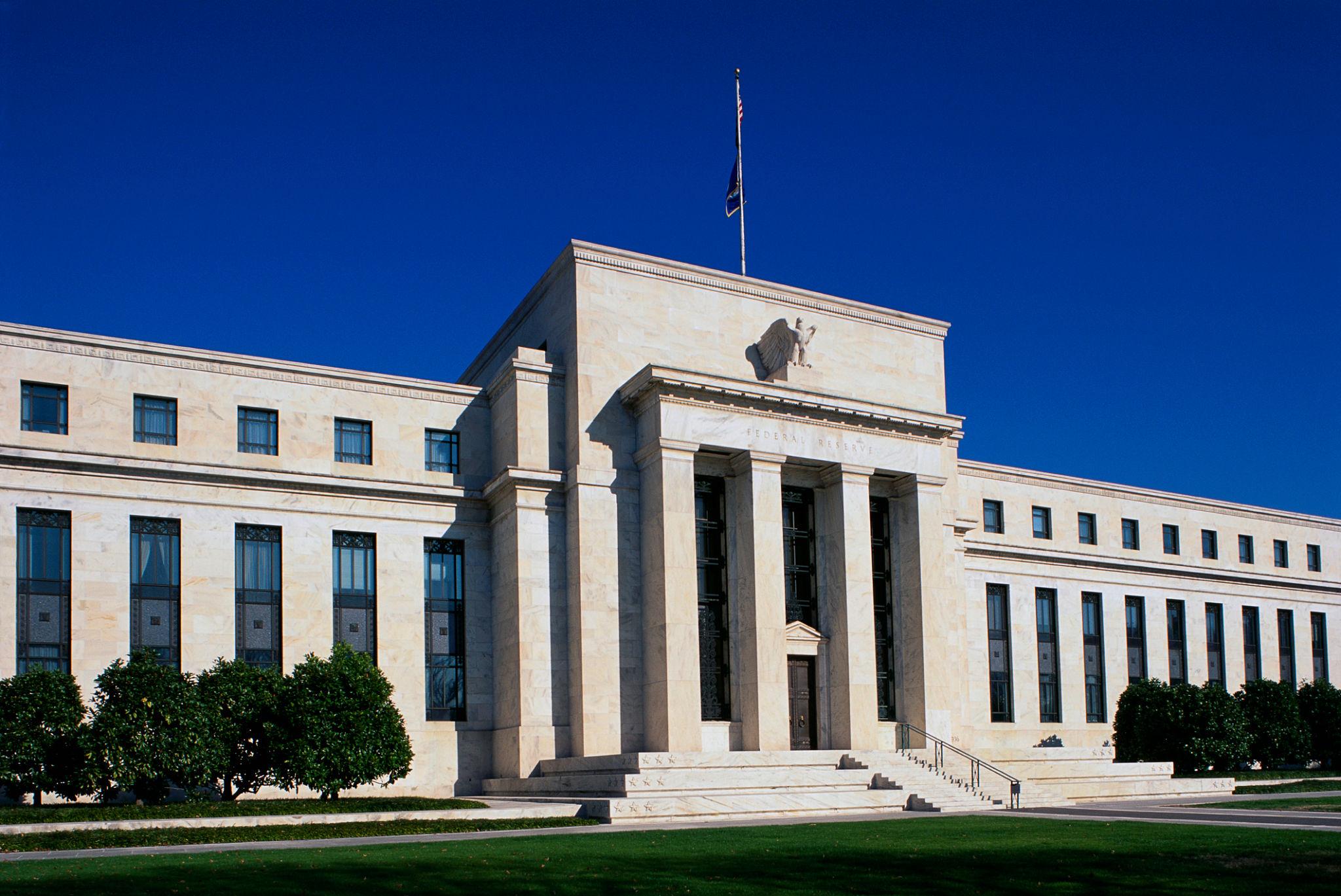
Gold investment outlook strengthens in 2026 as inflation risks and policy uncertainty reshape markets.
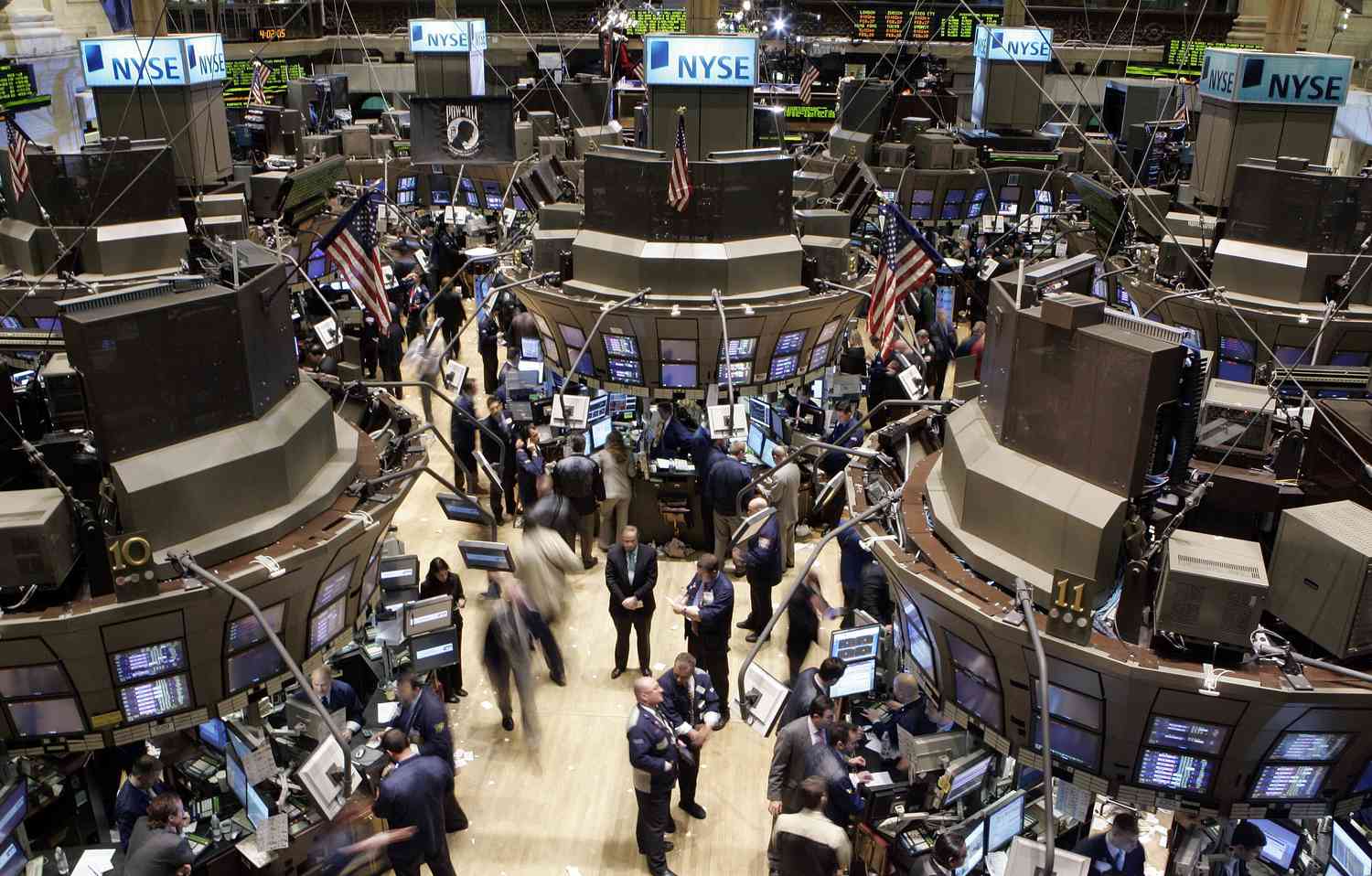
New York traders report rising demand for safe haven assets.
Investors are closely watching central bank signals and global tensions.
New York, United States – February 23, 2026 – According to Parliament News, that The gold investment outlook has taken center stage in global financial markets this year as investors reassess portfolio strategies amid persistent economic uncertainty. Trading desks in New York report renewed demand for bullion, reflecting a cautious yet calculated shift toward assets traditionally viewed as reliable stores of value. With inflation pressures, geopolitical tension, and fluctuating interest rate expectations shaping market psychology, the gold investment outlook is increasingly influencing capital allocation decisions across institutional and retail sectors.
Market Environment in Early 2026
The first quarter of 2026 has presented a complex mix of signals. Economic growth remains moderate, yet concerns linger about trade stability and monetary policy adjustments. Equity markets have experienced uneven performance, with technology shares facing intermittent pressure while defensive sectors show resilience.
Within this backdrop, the gold investment outlook has strengthened as investors seek diversification. Market participants are not reacting to a single catalyst but rather to a convergence of macroeconomic variables that collectively elevate uncertainty.
Commodity exchanges have recorded heightened activity in futures contracts linked to precious metals. Exchange traded funds backed by physical bullion have also seen steady inflows, indicating sustained interest rather than speculative spikes.
Inflation Dynamics and Real Yields
Inflation remains one of the most significant drivers shaping the gold investment outlook. While price growth has cooled compared with previous peaks, it continues to influence central bank policy decisions. Real yields, adjusted for inflation expectations, are a crucial factor.
When real yields decline or appear likely to soften, gold often becomes more attractive. Investors evaluate whether current monetary tightening cycles will persist or shift in response to economic data. The gold investment outlook reflects this balancing act between inflation risks and interest rate policy.
Should inflation remain elevated while rate hikes plateau, bullion may maintain upward momentum. Conversely, stronger economic data could temper enthusiasm.
Currency Fluctuations and Global Trade
Movements in the US dollar directly impact the gold investment outlook. A weaker dollar typically enhances gold’s appeal internationally, while dollar strength can limit upside.
In recent weeks, currency markets have displayed moderate volatility as traders digest policy commentary and trade negotiations. These fluctuations have supported bullion demand in certain sessions.
Global trade uncertainty also plays a role. Tariff discussions, supply chain realignments, and diplomatic tensions contribute to cautious investor sentiment. The gold investment outlook often strengthens during such periods because gold is not tied to the performance of any single economy.
Central Bank Activity
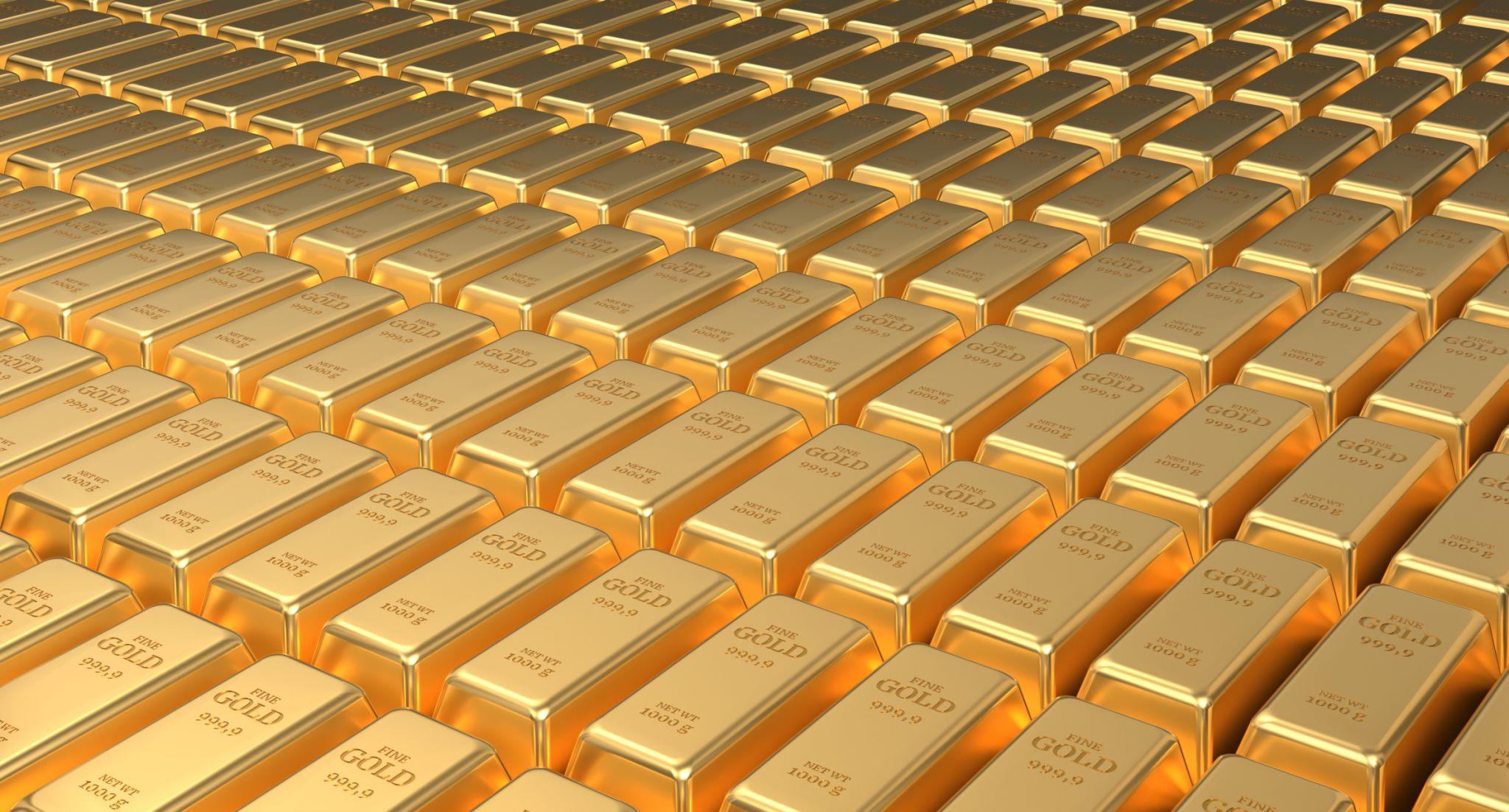
Central bank reserve diversification has become a structural theme influencing precious metals. Many institutions continue increasing bullion holdings to reduce reliance on major currencies.
This sustained institutional demand underpins the gold investment outlook beyond short term trading cycles. Unlike speculative flows, central bank acquisitions typically reflect long term strategy and risk mitigation.
Analysts suggest that reserve accumulation could provide a price floor, reinforcing confidence during periods of market stress.
Equity Market Volatility and Portfolio Diversification
Equities remain sensitive to earnings projections and macroeconomic data. Volatility in stock markets often prompts investors to rebalance portfolios toward defensive assets.
The gold investment outlook is closely linked to these rebalancing decisions. Asset allocation models frequently include gold as a hedge against equity downturns. When volatility rises, allocation percentages may increase.
Diversification strategies emphasize balance rather than reaction. For many institutional investors, gold functions as insurance rather than speculation.
Supply Constraints and Production Trends
Gold supply growth has been relatively stable, with limited major discoveries in recent years. Environmental regulations and rising extraction costs constrain rapid production expansion.
Stable supply conditions can amplify price gains during periods of elevated demand. The gold investment outlook therefore reflects both demand dynamics and supply limitations.
Mining companies continue prioritizing operational efficiency, but significant production increases appear unlikely in the near term.
Retail Investors and Digital Access
Digital platforms have democratized access to gold investment vehicles. Fractional ownership options, mobile trading applications, and gold backed funds enable retail participation.
Retail demand can intensify price movements during volatile periods. As headlines highlight uncertainty, individual investors often seek tangible assets.
This expanded participation influences the gold investment outlook by adding liquidity and diversity to market flows.
Interest Rates and Opportunity Cost
One of gold’s defining characteristics is that it does not generate yield. Consequently, interest rate levels shape opportunity cost calculations.
If real interest rates rise significantly, investors may favor yield bearing assets. However, if economic concerns prompt rate stabilization or cuts, gold’s relative attractiveness increases.
The gold investment outlook remains sensitive to these dynamics. Policy signals from central banks are therefore monitored closely.
Geopolitical Risk and Defensive Demand
Beyond economics, geopolitical developments continue shaping global markets. Diplomatic tensions, regional conflicts, and shifting alliances contribute to uncertainty.
Gold historically benefits from such ambiguity. The gold investment outlook reflects this defensive demand pattern, as capital often migrates toward perceived stability.
One senior market strategist noted,
“Gold thrives not on crisis alone, but on sustained doubt about policy clarity.”
This observation encapsulates the current environment, where ambiguity rather than panic drives positioning.
Long Term Structural Drivers
Demographic trends, expanding middle classes, and evolving global trade patterns all contribute to long term bullion demand. Jewelry markets, industrial applications, and investment flows intersect to shape price trajectories.
While short term volatility captures headlines, the gold investment outlook increasingly incorporates structural drivers. Pension funds and wealth managers often evaluate gold within multi year frameworks rather than reacting to daily fluctuations.
Strategic allocation models emphasize resilience and purchasing power preservation.
Historic Comparison
Historical analysis provides valuable perspective. During the global financial crisis of 2008 and the subsequent era of quantitative easing, gold prices surged as investors questioned monetary stability. Similar momentum emerged during periods of trade conflict in the late 2010s.
Compared with those episodes, current conditions appear less extreme yet share a common thread of uncertainty. The gold investment outlook today echoes earlier cycles in which inflation concerns and geopolitical tension converged.
However, systemic risk appears more contained than in prior crises. Banking systems are better capitalized, regulatory oversight is stronger, and monetary authorities possess more refined tools. These differences may moderate volatility while preserving demand for defensive assets.

Comparative Asset Analysis
Gold’s performance often diverges from traditional financial instruments. Bonds depend on credit quality and rate policy, equities depend on earnings growth, and currencies reflect economic strength.
The gold investment outlook stands apart because bullion is not directly tied to corporate profitability or sovereign debt sustainability. This independence explains why investors frequently use gold to diversify exposure.
Correlation studies show that gold can reduce overall portfolio volatility when included at moderate levels.
Risks to Monitor
Despite supportive factors, risks remain. Strong economic expansion, sustained dollar strength, or declining inflation expectations could limit upside momentum.
Profit taking following rapid rallies may also create short term pullbacks. The gold investment outlook is not immune to volatility.
Prudent investors evaluate both supportive catalysts and potential headwinds when assessing allocation decisions.
Policy Developments Ahead
Upcoming fiscal decisions, trade negotiations, and central bank meetings will shape market sentiment. Clarity in these areas could either reinforce or diminish defensive positioning.
The gold investment outlook will likely adjust in response to new data. Investors are particularly attentive to employment reports, consumer price indices, and policy statements.
Balanced interpretation remains essential in dynamic environments.
When Stability Becomes Strategy
As 2026 unfolds, the gold investment outlook reflects a broader search for stability within complex markets. New York trading desks continue to monitor macro signals closely, aware that shifts in sentiment can occur rapidly.
Gold’s appeal lies not merely in its price movement but in its symbolic permanence. In times when policy direction feels uncertain and economic signals appear mixed, tangible assets gain psychological strength.
If inflation moderates gradually while geopolitical ambiguity persists, gold may maintain its strategic relevance. Conversely, decisive economic improvement could temper demand.
Ultimately, the gold investment outlook underscores a timeless principle of financial markets: diversification, discipline, and perspective remain central to navigating uncertainty. Investors who balance defensive positioning with long term strategy are often better prepared to weather volatility cycles.
While no forecast guarantees outcomes, gold’s enduring role within global portfolios suggests that its relevance will continue beyond short term headlines. In an era defined by rapid change, stability itself becomes a deliberate strategy.