


New York, United States – February 20, 2026 — According to Parliament News, that Cloud computing growth has emerged as one of the defining economic and technological forces of 2026, with New York positioned at the center of financial analysis and infrastructure capital allocation. From Wall Street investment firms to multinational enterprises expanding digital operations, the acceleration of cloud computing growth is influencing strategic planning, corporate budgets, and public policy discussions worldwide.
Technology executives say the scale of expansion underway reflects a structural transformation rather than a cyclical spike. As artificial intelligence platforms expand, financial systems digitize further, and global communications networks evolve, cloud computing growth is increasingly viewed as foundational infrastructure comparable to electricity and broadband networks.
Enterprise Digital Transformation Expands Rapidly
Corporate migration to cloud based systems continues at a rapid pace. Financial institutions headquartered in New York are scaling hybrid cloud architectures to manage real time analytics, risk modeling, and secure transaction processing. Healthcare providers are modernizing patient record systems, while retailers are integrating inventory management and consumer data tools into centralized platforms.
This enterprise adoption wave is a primary contributor to cloud computing growth in 2026. Businesses cite operational flexibility, cybersecurity enhancements, and cost efficiency as key drivers. Instead of maintaining aging on premises hardware, organizations are shifting toward subscription based infrastructure models that enable predictable budgeting and scalable capacity.
Mid sized companies are also entering the market at higher rates than in previous years. Lower barriers to entry and improved service offerings have broadened participation across industries, reinforcing overall cloud computing growth across the domestic economy.
Artificial Intelligence and Compute Expansion
Artificial intelligence deployment has intensified infrastructure requirements across global markets. Large scale AI training models demand advanced graphics processors, accelerated networking hardware, and sophisticated cooling technologies. As a result, cloud computing growth is closely linked to AI compute investment.
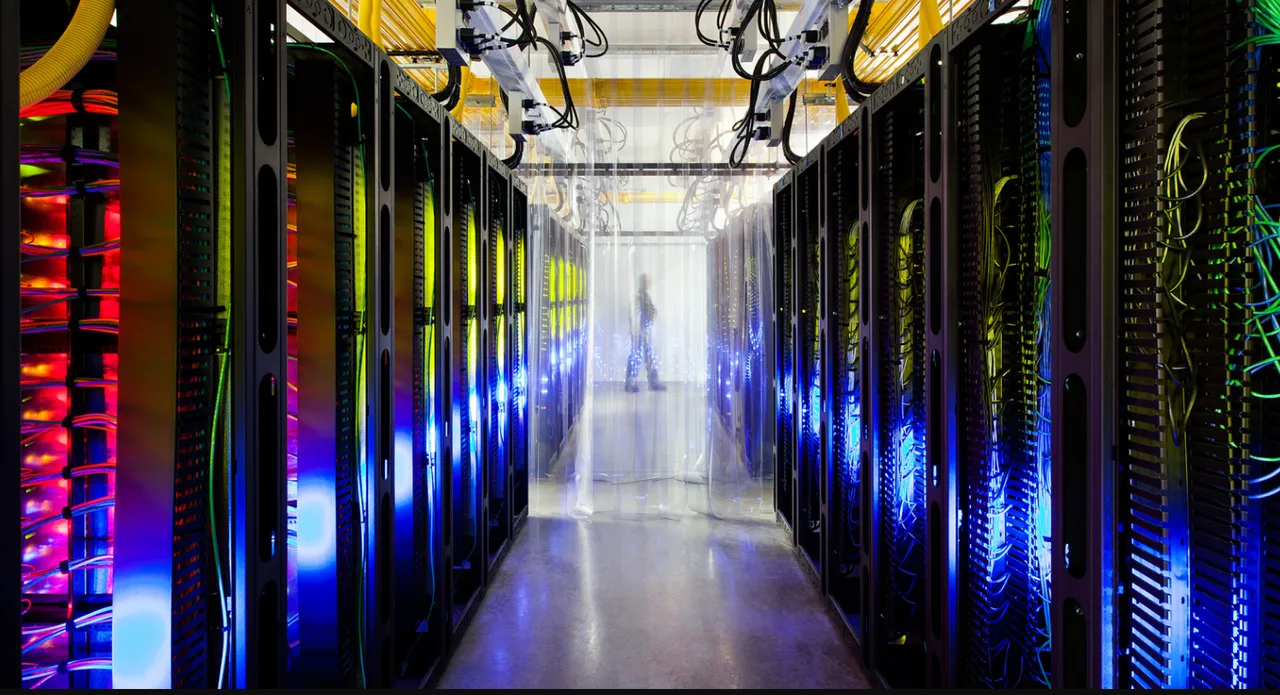
New York based investment analysts report that AI centric workloads are among the fastest expanding segments of the infrastructure market. Training generative models and deploying enterprise automation systems require vast amounts of processing power. Data centers are expanding physical footprints to accommodate these requirements.
Energy planning has become integral to sustaining cloud computing growth. AI optimized facilities consume significant electricity, prompting partnerships between technology providers and renewable energy developers. Grid resilience and sustainable sourcing strategies are being integrated into long term planning models.
Financial Markets and Capital Allocation
Institutional investors are closely evaluating digital infrastructure as a long term asset class. Billions of dollars are flowing into hyperscale data center construction, semiconductor production facilities, and fiber network expansion. Market strategists say cloud computing growth has become a proxy for broader technology sector vitality.
Publicly traded firms specializing in chips, networking equipment, and cloud software platforms have experienced heightened investor interest. Analysts caution that careful balance between capital expenditure and monetization is essential to maintain sustainable margins. Nonetheless, confidence in multi year infrastructure expansion remains strong.
Private equity firms and venture capital funds are targeting emerging technologies that complement cloud ecosystems, including edge computing, cybersecurity platforms, and advanced storage solutions. These investments collectively reinforce the broader narrative of cloud computing growth reshaping capital markets.

Global Competition and Regional Strategies
Although New York plays a pivotal financial role, expansion trends extend well beyond the United States. European governments are incentivizing domestic data center construction to strengthen digital sovereignty. Asian markets are investing heavily in semiconductor manufacturing and infrastructure modernization.
Geopolitical considerations have elevated cloud computing growth into a matter of national strategy. Governments recognize that advanced digital infrastructure underpins economic competitiveness, defense capabilities, and research innovation. As a result, public policy initiatives increasingly support private sector infrastructure projects.
Data localization requirements in certain jurisdictions are influencing regional deployment strategies. Companies must comply with regulatory frameworks governing cross border data flows, shaping the geographic distribution of new facilities.
Cybersecurity and Operational Resilience
As digital dependence intensifies, cybersecurity has become inseparable from infrastructure expansion. Enterprises are embedding encryption, multi factor authentication, and zero trust frameworks directly into their cloud strategies. Experts emphasize that sustained cloud computing growth requires robust defenses against evolving cyber threats.
High profile breaches in recent years have prompted organizations to allocate greater budgets toward proactive monitoring and incident response capabilities. Insurance providers are adjusting underwriting criteria to reflect infrastructure maturity and risk mitigation practices.
Operational resilience is also a priority. Distributed architectures and redundant systems are being designed to minimize downtime during natural disasters or network disruptions. These resilience measures contribute to long term confidence in cloud computing growth trajectories.
Workforce Development and Skills Demand
The expansion of digital infrastructure is reshaping labor markets across regions. Demand for cloud architects, network engineers, cybersecurity analysts, and data scientists continues to rise. Educational institutions in New York are partnering with private companies to align curriculum with industry requirements.
Remote work trends supported by scalable platforms have expanded employment opportunities beyond traditional urban hubs. Skilled professionals can now manage systems and collaborate globally without centralized office requirements.
Automation driven by advanced analytics tools is transforming operational roles. While repetitive manual tasks are being streamlined, new positions in infrastructure optimization and digital governance are emerging. Workforce adaptation remains a central component of sustainable cloud computing growth.
Energy, Sustainability, and Environmental Impact
Environmental considerations are increasingly influencing infrastructure strategies. Large scale facilities require advanced cooling technologies and efficient power management systems. Renewable energy sourcing agreements are becoming common among leading providers.
Industry groups are collaborating with environmental researchers to develop carbon reduction frameworks tailored to data center operations. Energy efficient chip design and liquid cooling innovations are expected to reduce long term environmental footprints.
Balancing expansion with sustainability objectives is essential to maintaining public trust. Policymakers in New York and beyond are examining regulatory frameworks that encourage responsible infrastructure development while supporting cloud computing growth.

Innovation Across Industry Sectors
Multiple sectors are experiencing transformation as digital platforms mature. Financial services firms leverage scalable analytics engines for fraud detection and portfolio modeling. Healthcare organizations deploy predictive tools to improve patient outcomes. Manufacturing companies integrate IoT data streams into centralized dashboards for operational efficiency.
Retail and logistics networks are optimizing supply chains using advanced forecasting models. These cross industry applications illustrate how cloud computing growth functions as an enabling layer across the economy.
Public sector agencies are also modernizing legacy systems. Digital government services, online permitting platforms, and data driven policy analysis tools rely heavily on secure and scalable infrastructure.
Historic Comparison
The scale of current investment has prompted comparisons with earlier technological revolutions. Observers note that railroads in the nineteenth century, electrification in the early twentieth century, and the broadband internet buildout in the late twentieth century each required sustained capital deployment and regulatory coordination. In similar fashion, cloud computing growth today represents a structural shift in how economies organize information and production systems. Just as electricity transformed factories and households, modern digital infrastructure is reshaping commerce, communication, and research.
Market Perspective and Industry Outlook
Market analysts believe that infrastructure spending patterns will remain elevated through the remainder of the decade. Demand for scalable storage, secure processing, and AI optimized compute clusters continues to expand.
One senior industry strategist stated,
“The momentum behind cloud computing growth is no longer experimental; it is the backbone of digital economies worldwide.”
That assessment reflects confidence among financial leaders that digital infrastructure has transitioned from optional enhancement to core utility.
Regulatory Landscape and Policy Evolution
Governments are updating regulatory frameworks to reflect changing technological realities. Privacy standards, cross border data transfer rules, and cybersecurity mandates are evolving alongside infrastructure expansion.
Policy clarity plays a significant role in shaping investor confidence. Clear guidelines encourage sustained capital deployment, while uncertainty can delay project timelines. Lawmakers are increasingly consulting industry experts to balance innovation with public interest considerations.
International cooperation remains essential as data flows transcend national boundaries. Multilateral discussions continue regarding standards harmonization and infrastructure resilience.
Long Term Economic Implications
Economists suggest that productivity gains enabled by scalable infrastructure may offset demographic and macroeconomic headwinds in developed markets. Automation, data analytics, and AI powered insights have potential to enhance operational efficiency across sectors.
Infrastructure investment also stimulates construction, engineering, and manufacturing activity. Data center projects generate employment opportunities and support local supply chains. As cloud computing growth continues, regional economic clusters may emerge around major facilities.
However, sustained expansion depends on maintaining semiconductor supply stability and energy reliability. Disruptions in either domain could slow momentum.
The Road Ahead
Looking forward, distributed edge computing architectures are expected to complement centralized hyperscale facilities. This hybrid approach may reduce latency for real time applications such as autonomous systems and advanced healthcare diagnostics.
Emerging technologies including quantum research and advanced materials science could further influence infrastructure design. Continuous innovation remains central to supporting long term cloud computing growth.
Industry participants emphasize collaboration among technology providers, policymakers, and environmental stakeholders to ensure balanced development. Transparency and responsible governance will be essential in sustaining public confidence.
Infrastructure as the Digital Foundation of 2026
As 2026 advances, digital infrastructure stands firmly at the center of economic modernization. Financial markets in New York continue to track investment flows, while enterprises worldwide integrate scalable systems into daily operations.
Cloud computing growth is not merely a technology headline; it represents a structural transformation shaping commerce, governance, and global communication networks. The decisions made in this period will influence how efficiently information moves, how securely transactions occur, and how innovation accelerates across industries.
The trajectory of cloud computing growth suggests that infrastructure planning today will define economic competitiveness for years to come. With sustained capital investment, evolving regulatory clarity, and continued technological breakthroughs, digital platforms are poised to remain foundational pillars of the global economy.
