Customs enforcement changes take effect in Washington 2026 after a critical Supreme Court ruling limits federal tariff authority.
Ports nationwide are updating procedures as importers and exporters adjust to the new legal framework.
The shift could reshape U.S. trade strategy, revenue projections, and global market confidence.
Washington, United States – February 23, 2026 — According to Parliament News, that Customs enforcement changes are now taking effect across the country following a landmark Supreme Court decision that redefined the limits of federal tariff authority. The ruling has prompted immediate administrative action at ports of entry, reshaping how duties are assessed, collected, and enforced. Officials confirmed that the customs enforcement changes would begin this week, setting in motion procedural updates that affect importers, exporters, shipping firms, and international trade partners.
The legal shift has triggered widespread attention within financial markets and trade policy circles. While the ruling centers on constitutional boundaries, its practical implications stretch far beyond the courtroom.
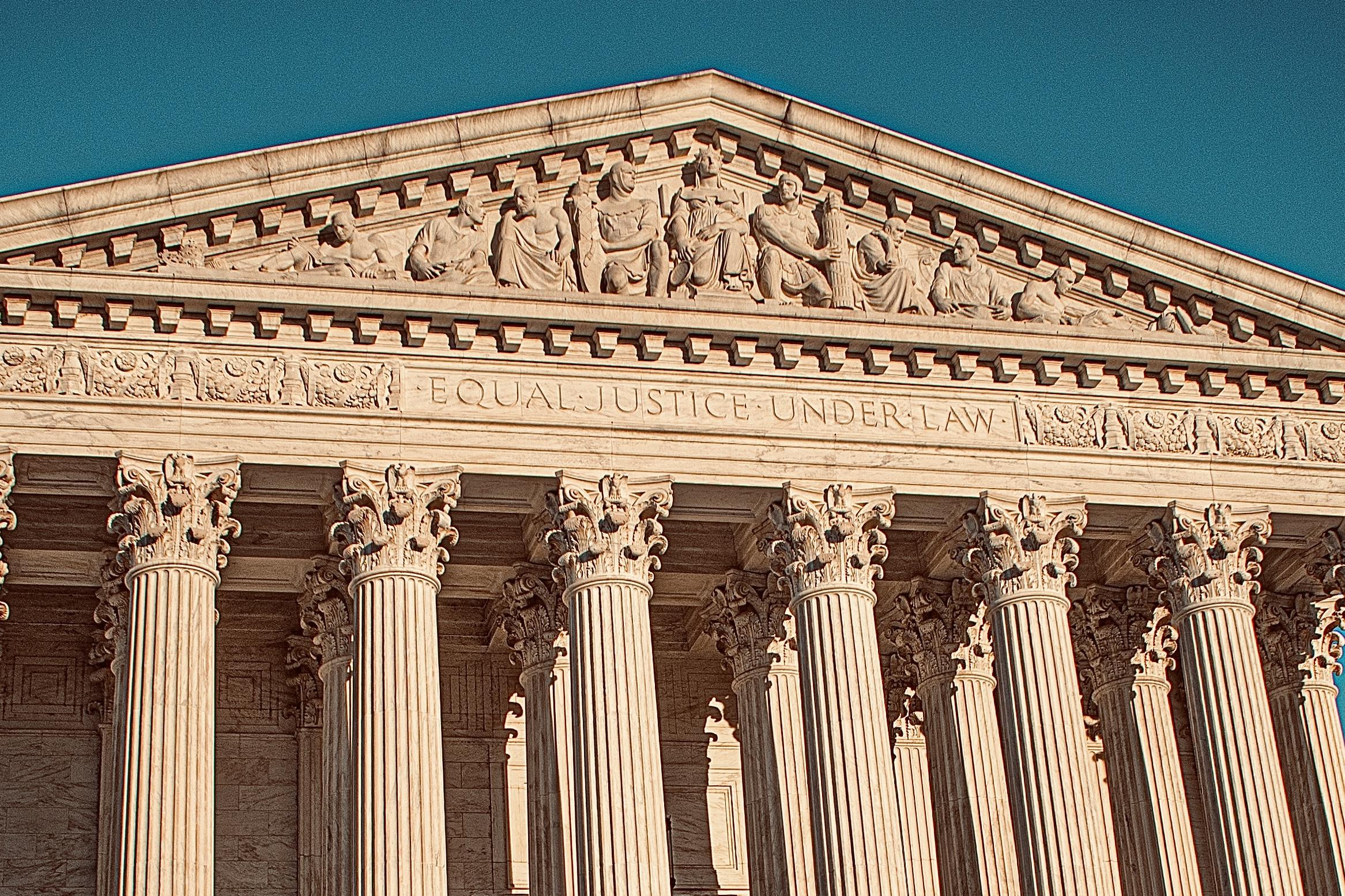
Supreme Court Ruling Redefines Trade Authority
The Supreme Court concluded that certain tariffs had been imposed beyond the scope granted by Congress. In response, agencies initiated customs enforcement changes to align procedures with statutory requirements.
Legal experts describe the decision as a significant reaffirmation of judicial oversight in economic governance. By clarifying limits on executive authority, the Court underscored the balance of power embedded in the Constitution.
For businesses that had challenged the duties, the ruling marks a turning point. The implementation of customs enforcement changes ensures that enforcement mechanisms now reflect the Court’s interpretation of federal law.
Immediate Adjustments at America’s Ports
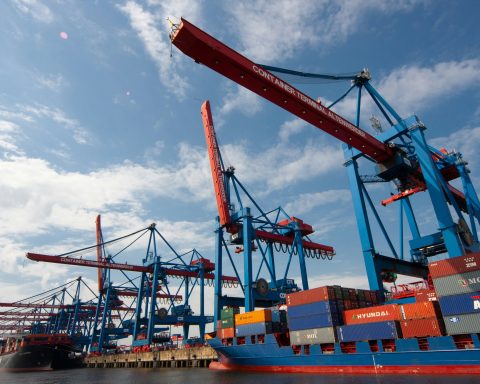
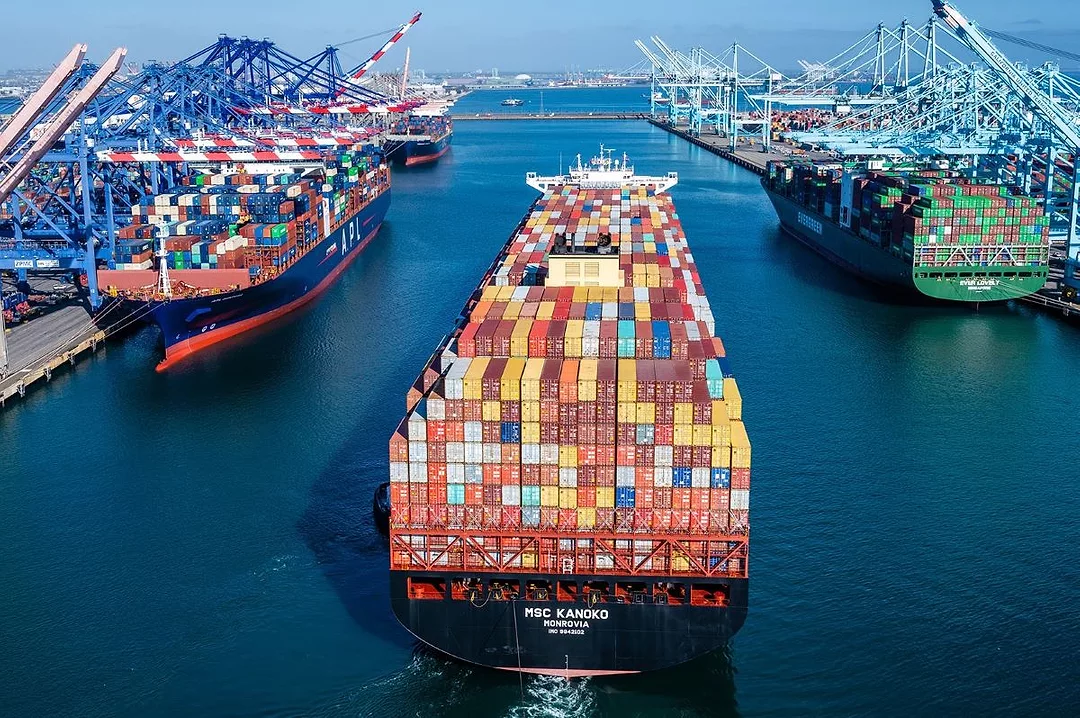
Across major gateways such as Los Angeles, New York, and Houston, officials have begun recalibrating systems to reflect the updated guidance. These customs enforcement changes include software revisions, revised documentation standards, and updated compliance protocols.
Shipping brokers are working closely with customs officers to ensure seamless transition. Although the agency anticipates minimal disruption, some temporary delays may occur as systems are synchronized nationwide.
Authorities emphasized that the customs enforcement changes are designed to maintain operational continuity while upholding the Court’s directive.
Impact on Importers and Supply Chains
For many import dependent industries, tariff assessments represent a major cost variable. The customs enforcement changes could significantly alter expense projections for manufacturers, retailers, and logistics firms.
Companies are reviewing historical payments and consulting legal advisers regarding potential refunds. Lowered duty obligations may influence pricing strategies and inventory planning for the remainder of the year.
Supply chain managers welcome the clarity provided by the customs enforcement changes, noting that predictable enforcement fosters long term planning and capital investment.
Financial Ramifications for Federal Revenue
The suspension of certain duties inevitably affects revenue forecasts. Budget analysts estimate that halted collections could reduce short term federal income, depending on trade volume and product categories involved.
Lawmakers now face decisions about whether alternative statutory frameworks should be introduced. The customs enforcement changes therefore intersect with broader fiscal policy discussions in Congress.
Supporters argue that adherence to constitutional standards ultimately strengthens economic credibility, even if immediate revenue adjustments are required.
International Trade Reactions
Trading partners have reacted cautiously but positively. The customs enforcement changes signal that American trade policy remains accountable to constitutional review.
Diplomatic observers suggest that the ruling may improve confidence among allies concerned about unilateral tariff actions. Transparent enforcement enhances trust in cross border commerce.
However, some governments may also reassess negotiation strategies, anticipating further policy refinement as Washington debates its next steps.
Administrative Authority and Constitutional Balance
The case highlights the dynamic interplay between executive agencies and the judiciary. By mandating customs enforcement changes, the Court reinforced its role as guardian of statutory interpretation.
A senior trade law scholar commented,
“These customs enforcement changes demonstrate that no agency operates beyond constitutional limits, especially in matters affecting global commerce.”
This single statement encapsulates the broader legal significance of the ruling. Administrative agencies must function within clearly defined boundaries, even when responding to evolving economic challenges.
Market Confidence and Investor Sentiment
Financial markets often respond sharply to regulatory developments. The announcement of customs enforcement changes reduced uncertainty surrounding contested tariff policies.
Investors in sectors reliant on imported materials reacted with cautious optimism. Lower compliance risk and greater clarity may contribute to improved earnings projections for some industries.
Yet markets remain attentive to potential legislative responses that could introduce alternative trade measures. Stability will depend on how policymakers proceed in the coming months.

Technology and Compliance Modernization
Modern customs operations rely heavily on digital infrastructure. Automated clearance systems, risk assessment algorithms, and electronic documentation platforms must all reflect updated legal standards.
Implementing customs enforcement changes therefore involves both legal and technical coordination. Federal IT teams are working alongside port authorities to ensure accuracy in tariff classification and valuation processes.
These updates reinforce long term modernization goals, strengthening the efficiency of border operations nationwide.
Broader Economic Implications
Economists are analyzing how customs enforcement changes might influence inflation, production costs, and trade flows. Lower tariffs can ease pressure on consumer prices, though domestic producers may face increased competition.
The broader economic impact will depend on sector specific dynamics. Industries that previously relied on tariff protection may need to adjust pricing or innovation strategies.
Nevertheless, regulatory clarity often supports investment confidence, particularly in globally integrated markets.
Political Landscape in 2026
The year 2026 presents a complex backdrop of economic recovery, fiscal debate, and international competition. Policymakers are divided on how to interpret the Court’s intervention.
Some lawmakers view the customs enforcement changes as necessary correction, restoring balance between branches of government. Others argue that the ruling could limit strategic leverage in trade negotiations.
Public discourse reflects these competing perspectives, underscoring the intersection of law and economic policy.
Historic Comparison
Throughout American history, Supreme Court decisions have periodically reshaped economic governance. From antitrust rulings in the early twentieth century to modern regulatory disputes, judicial intervention has clarified the limits of administrative authority.
The current customs enforcement changes echo those earlier moments when constitutional interpretation redefined policy direction. Just as landmark cases once recalibrated financial oversight and labor standards, this ruling establishes enduring precedent in trade enforcement.
The comparison illustrates how judicial review serves as stabilizing force, ensuring that evolving economic strategies remain anchored in statutory legitimacy.
Legislative Outlook and Future Policy
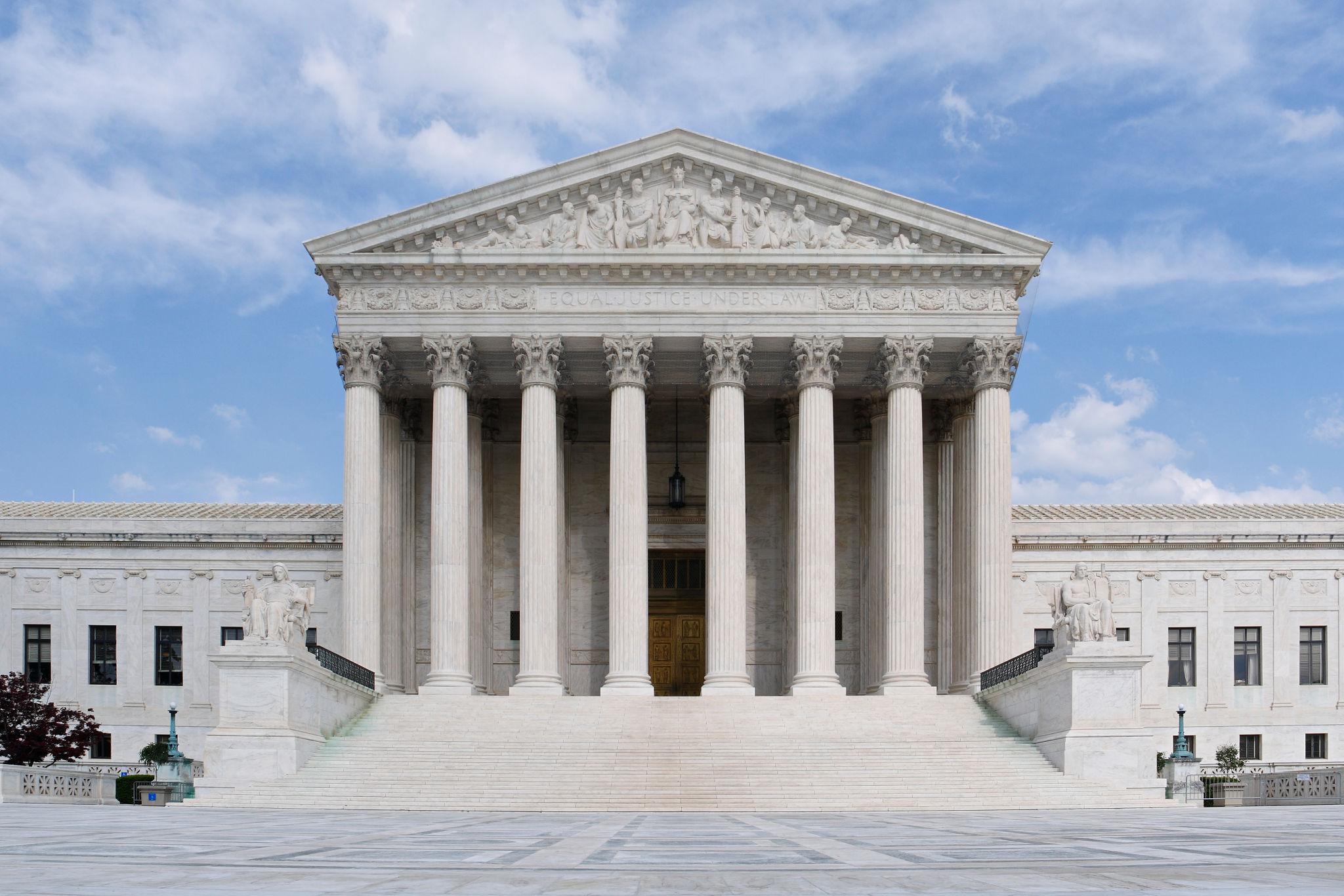
Congress now faces the task of evaluating potential legislative responses. Hearings and policy proposals are expected as lawmakers consider whether to craft new trade authority measures.
The customs enforcement changes may serve as catalyst for broader reform. Clearer statutory language could reduce future litigation and enhance predictability for businesses.
Stakeholders from industry, labor, and academia are likely to participate in shaping the next phase of policy development.
Human Dimension of Trade Policy
Behind regulatory language and fiscal projections lie real communities affected by trade decisions. Small businesses dependent on imported goods have long cited tariff costs as barrier to expansion.
The customs enforcement changes provide an opportunity for these enterprises to reassess growth strategies. Lower costs may enable hiring, product development, and competitive pricing.
At the same time, domestic manufacturers must adapt to altered competitive dynamics, emphasizing innovation and efficiency.
National Competitiveness at a Crossroads
Global commerce remains fiercely competitive. Maintaining credibility in trade governance is essential to attracting investment and sustaining growth.
The customs enforcement changes underscore the importance of rule of law in shaping economic leadership. Transparent enforcement fosters confidence among domestic and international partners alike.
As Washington navigates this transition, the balance between strategic trade policy and constitutional adherence remains central.
A Defining Moment for Border Governance
The events unfolding in Washington during 2026 represent more than administrative adjustment. Customs enforcement changes reflect a recalibration of authority, accountability, and economic strategy.
Ports of entry continue operating efficiently, yet their procedures now align more closely with judicial interpretation. Businesses are adapting swiftly, while policymakers deliberate future options.
In the broader narrative of American trade policy, customs enforcement changes mark a significant chapter. They demonstrate how constitutional principles guide economic governance, even amid complex global pressures.
As implementation proceeds nationwide, the long term impact will depend on legislative action, market response, and continued adherence to the rule of law. For now, the transition stands as testament to the enduring strength of institutional checks and balances in shaping the nation’s economic future.