


Climate finance investment is accelerating across global markets in 2026, with London emerging as a central hub for sustainable capital flows.
Institutional investors are expanding allocations to green bonds, renewable infrastructure, and sovereign sustainability linked funding.
Analysts say the shift reflects a structural transformation in how markets integrate environmental risk into long term financial strategy.
London, United Kingdom – February 23, 2026 — According to Parliament News, that Global capital markets are entering a defining era as sustainable funding accelerates across financial centers, with London emerging as a central hub for structured environmental capital. Institutional investors, sovereign funds, and multilateral lenders are increasing allocations to climate aligned assets at a pace that signals structural transformation rather than temporary momentum. Analysts across Europe describe 2026 as a watershed year for climate finance investment, reflecting deep integration of environmental risk into mainstream portfolio construction.
London at the Center of a Capital Shift
London has long served as one of the world’s primary financial nerve centers, linking capital flows between North America, Europe, Asia, and emerging markets. In 2026, that connectivity is being redirected toward sustainable outcomes. Major asset managers headquartered in the United Kingdom are launching new funds dedicated to renewable infrastructure, biodiversity protection, resilient urban development, and sovereign environmental restructuring programs.
The acceleration of climate finance investment in London reflects not only regulatory encouragement but also a recalibration of risk perception. Climate exposure now influences credit ratings, asset valuations, insurance pricing, and long term sovereign stability. Investors increasingly recognize that environmental volatility can disrupt economic systems as profoundly as geopolitical shocks.
Institutional portfolios are therefore evolving. What was once categorized as a niche ESG allocation is now embedded within diversified strategies. Pension funds managing trillions in assets are gradually increasing exposure to sustainability linked instruments, seeking stable, long horizon returns that align with environmental objectives.
Drivers Behind the 2026 Expansion
Several forces are converging to propel climate finance investment into the financial mainstream.
First, regulatory clarity has improved. European and UK authorities have strengthened sustainability disclosure requirements, enabling investors to compare environmental metrics across assets with greater confidence. Clear taxonomy frameworks reduce ambiguity and help prevent mislabeling of products.
Second, physical climate risks have intensified. Severe flooding, extreme heatwaves, and supply chain disruptions have underscored vulnerabilities within infrastructure systems. These events translate directly into financial losses, reinforcing the necessity of preventive investment.
Third, global policy commitments remain influential. Governments have reaffirmed carbon reduction targets and biodiversity protection goals, signaling sustained political backing for environmental capital allocation. While implementation varies by region, the long term trajectory appears durable.
As a result, climate finance investment is increasingly viewed as a foundational pillar of risk management rather than a discretionary overlay.
Expanding Asset Classes
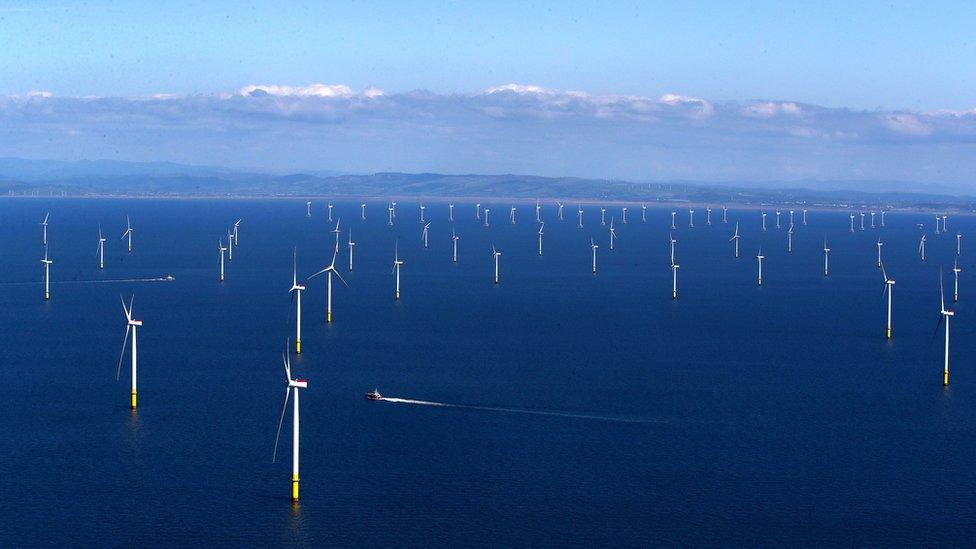
The structure of climate aligned funding has diversified considerably. Early efforts centered largely on renewable energy. While wind and solar remain critical, today’s sustainable capital flows encompass a broader spectrum.
Green bonds finance urban transit modernization, water treatment systems, and flood defenses. Sustainability linked loans tie corporate borrowing costs to emission reduction benchmarks. Private equity funds support battery storage technology, grid modernization, and sustainable agriculture innovation.
In addition, sovereign transactions are evolving. Some emerging market governments are restructuring debt in exchange for legally binding conservation commitments, supported by international development guarantees. These mechanisms illustrate how climate finance investment intersects with macroeconomic stability.
The result is a complex ecosystem in which public institutions, commercial banks, insurance companies, and asset managers collaborate across multiple layers of capital structure.
Institutional Investor Perspective
From the standpoint of large pension schemes and insurers, the appeal of climate finance investment lies in long term stability. Infrastructure assets often operate under multidecade contracts, generating predictable revenue streams. Renewable facilities typically benefit from policy support and long term purchase agreements.
Moreover, aligning portfolios with sustainability objectives helps mitigate reputational and regulatory risk. Beneficiaries increasingly demand transparency regarding environmental exposure. By incorporating sustainability metrics into allocation decisions, institutional managers address both fiduciary and social expectations.
Risk modeling techniques have also advanced. Scenario analysis tools allow investors to evaluate potential financial outcomes under various climate trajectories. This analytical sophistication enhances confidence in capital deployment.
Sovereign Engagement and Emerging Markets
Developing economies play a pivotal role in environmental preservation. Many host extensive forests, wetlands, coral reefs, and biodiversity corridors that function as global carbon sinks. However, these nations often face heavy debt burdens that constrain conservation funding.
Through structured agreements, climate finance investment is supporting refinancing arrangements tied to environmental commitments. In such cases, portions of sovereign debt are restructured under improved terms in exchange for measurable conservation targets.
These arrangements provide fiscal relief while safeguarding natural assets. Independent oversight mechanisms monitor compliance, ensuring credibility. The model reflects a growing recognition that global ecological stability depends on collaborative financial architecture.
Transparency and Accountability Standards
One of the most critical factors underpinning growth in climate finance investment is transparency. Investors demand rigorous reporting standards that quantify environmental impact.
Projects typically disclose emission reductions, biodiversity preservation metrics, or resilience improvements. Third party verification enhances reliability. Regulatory agencies in London have emphasized consistency in reporting frameworks to preserve investor trust.
Without credible measurement, sustainable capital markets risk reputational damage. Consequently, asset managers invest heavily in data analytics, satellite monitoring systems, and independent auditing processes.
These innovations ensure that environmental performance claims are substantiated by verifiable evidence.
Technology and Data Integration
Technological advancements are reshaping how climate finance investment is evaluated and monitored. Satellite imagery now tracks deforestation patterns in near real time. Artificial intelligence models assess physical climate exposure across property portfolios.
Digital platforms aggregate environmental data across regions, enabling cross border comparability. These tools reduce information asymmetry and improve capital allocation efficiency.
For investors, data driven insights strengthen decision making and reduce uncertainty. As technology evolves, integration between environmental science and financial modeling becomes increasingly seamless.
Market Liquidity and Capital Scaling
Liquidity remains essential for sustained expansion. Secondary markets for green bonds have deepened, improving price discovery and investor confidence. Structured funds offer diversified exposure across geographies and asset classes.
In London during 2026, capital raising for sustainable vehicles has reached multi billion dollar levels. Institutional appetite appears resilient despite broader economic fluctuations. Analysts note that climate finance investment continues to attract commitments even during periods of macroeconomic volatility.
This durability suggests that environmental capital allocation is transitioning from trend to structural norm.
Risk Considerations
Despite positive momentum, climate finance investment faces ongoing risks. Political instability in certain jurisdictions may complicate implementation. Currency fluctuations can affect returns on cross border transactions.
Additionally, skepticism persists regarding potential overvaluation of certain green assets. Maintaining disciplined underwriting standards is critical to preserving long term viability.
Regulatory bodies emphasize vigilance against greenwashing practices. Clear definitions and consistent disclosures remain central to sustaining credibility.
Social and Community Dimensions
Environmental funding initiatives often produce social spillovers. Renewable energy projects generate employment. Sustainable agriculture programs enhance food security. Urban resilience investments reduce health risks associated with extreme weather.
Climate finance investment thus intersects with broader social objectives. Inclusive project design can amplify community benefits while strengthening political support for sustainability measures.
Local participation in oversight committees ensures that initiatives reflect community priorities. This participatory approach enhances long term success.
Climate Finance Investment Redefines Global Capital Strategy
In 2026, climate finance investment is no longer viewed as a peripheral allocation but as a central pillar of institutional capital strategy. Major financial centers such as London are witnessing a measurable expansion in climate finance investment across green bonds, renewable infrastructure, and sovereign sustainability linked instruments.
This surge in climate finance investment reflects deeper recognition that environmental risk directly influences credit stability, asset valuation, and long term portfolio performance. As regulators strengthen disclosure standards and investors demand measurable impact, climate finance investment is becoming embedded in mainstream financial architecture, signaling a structural shift in how global markets define value, resilience, and economic security.
Historic Comparison
The expansion of climate finance investment in 2026 invites comparison with earlier financial transformations. During the late twentieth century, globalization reshaped capital flows through trade liberalization and technological integration. In the aftermath of the global financial crisis, regulatory reforms redefined risk management frameworks.
Today’s environmental capital shift mirrors those structural inflection points. Like prior transitions, it reflects evolving risk perception and institutional adaptation. However, unlike previous cycles driven primarily by economic factors, the current transformation is deeply intertwined with ecological constraints.
The integration of sustainability metrics into core portfolio strategies marks a distinctive departure from historical precedent.

Market Voices
Market participants increasingly frame sustainability as a financial imperative rather than moral aspiration. One London based portfolio strategist summarized the mood by stating,
“The integration of environmental metrics into mainstream allocation is no longer experimental; it is foundational to preserving long term market stability.”
This perspective captures the prevailing sentiment across financial institutions.
Policy Environment and Global Coordination
Government policies continue to shape capital allocation patterns. Carbon pricing mechanisms, renewable subsidies, and biodiversity frameworks influence project viability. International cooperation strengthens cross border funding channels.
In London, policymakers emphasize maintaining competitiveness while upholding rigorous environmental standards. Balancing innovation with prudence remains central to sustaining investor confidence.
As global forums refine sustainability benchmarks, harmonization across jurisdictions may reduce fragmentation and enhance capital mobility.
Outlook for the Remainder of the Decade
Looking ahead, analysts anticipate further growth in climate finance investment as climate adaptation needs intensify. Infrastructure modernization, grid upgrades, water resilience systems, and ecosystem preservation require substantial funding.
Institutional investors appear prepared to expand allocations, provided transparency and return expectations remain credible. Data driven oversight and regulatory clarity will likely determine the pace of expansion.
The coming years may reveal whether sustainable capital allocation becomes fully embedded within standard financial architecture.
The Convergence of Markets and Environmental Reality
As 2026 progresses, London’s influence as a global sustainability hub highlights the scale of change unfolding across international markets. What once occupied a niche corner of responsible investing has now moved into the core of asset allocation strategy, with climate finance investment playing a decisive role in institutional planning and capital deployment.
Financial systems are evolving to account for climate related risks while also capturing opportunities linked to renewable energy, resilient infrastructure, and biodiversity protection. Market participants increasingly acknowledge that durable economic performance depends on environmental balance and long term resource security.
This transformation reflects a sustained realignment rather than short term enthusiasm. Through stronger disclosure rules, improved data analytics, and aligned regulatory frameworks, modern capital markets are embedding environmental considerations directly into strategic models.
The acceleration visible in London throughout 2026 demonstrates more than increased sustainable funding volumes. It reveals a structural recalibration of financial priorities, where stability, growth, and environmental responsibility are becoming interconnected pillars of global economic strength.