

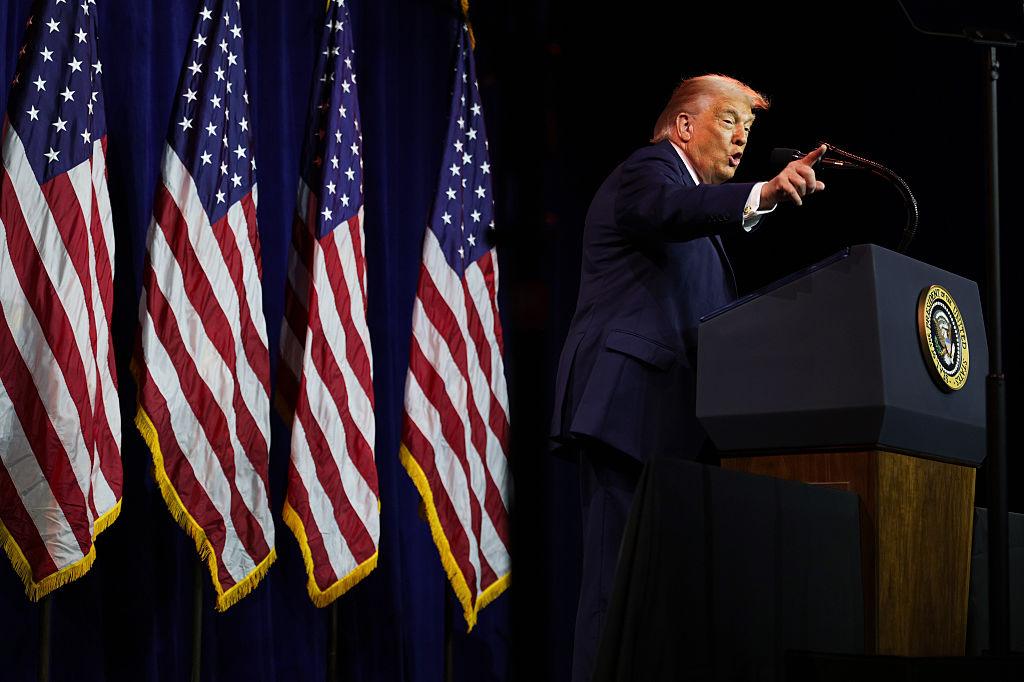
State of the Union highlights 2026 delivered in Washington DC outline the administration’s economic and national security agenda.
Lawmakers reacted along party lines as debates over border policy and inflation intensified.
The address sets the tone for legislative battles in the months ahead.
WASHINGTON DC — February 25, 2026 — Parliament News presents coverage of the annual presidential address delivered before a joint session of Congress at the United States Capitol. The speech laid out domestic and international priorities expected to dominate policy discussions in the months ahead.
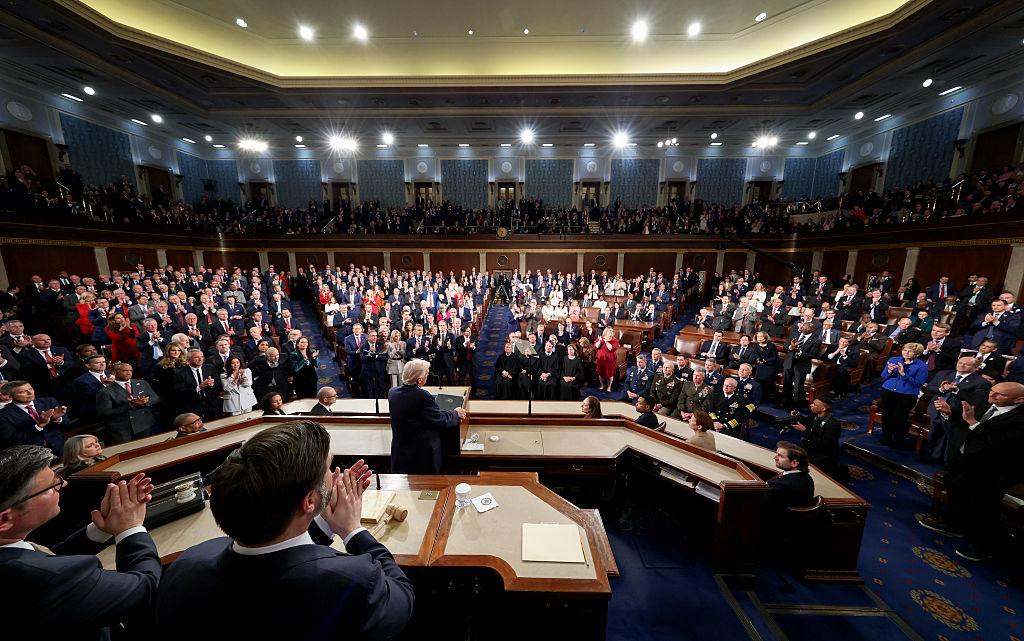
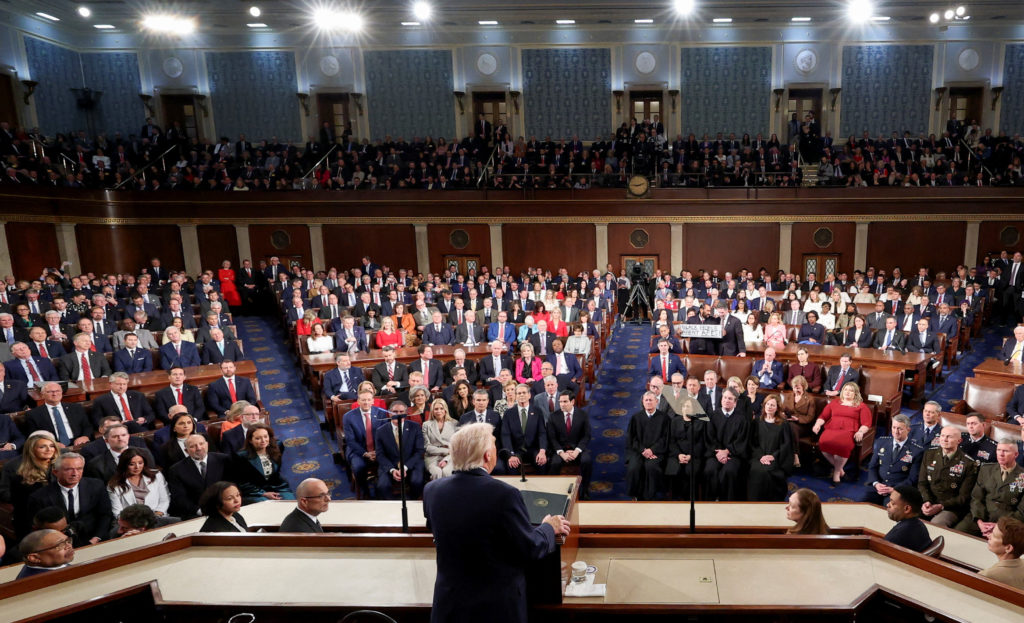
President Donald Trump spoke before lawmakers, cabinet officials, and invited guests, outlining economic initiatives, border enforcement measures, and strategic foreign policy objectives. The State of the Union highlights reflect a carefully structured agenda aimed at reinforcing stability while signaling legislative ambition.
From the opening moments, the tone emphasized resilience, sovereignty, and economic competitiveness. Applause from supporters contrasted with visible restraint among opposition members, reflecting the divided political climate in Washington.
Economic Growth and Fiscal Discipline
A central theme among the State of the Union highlights was economic performance. The President emphasized job creation, domestic manufacturing, and infrastructure investment as evidence of continued expansion.
Inflation, a key concern for voters, was addressed directly. The administration outlined a strategy built around energy production, regulatory reform, and fiscal restraint. By linking economic growth to lower costs for households, the speech sought to reassure families facing persistent price pressures.
Financial analysts noted that the State of the Union highlights presented economic policy as a long term stabilization effort rather than a short term stimulus approach. Markets responded cautiously, awaiting concrete legislative proposals.
One senior economic adviser commented after the address,
“Sustained growth depends on predictable policy and disciplined spending.”
Border Security and Immigration Enforcement
Immigration policy formed another major pillar of the evening. The State of the Union highlights included calls for expanded border patrol resources, enhanced technology at entry points, and streamlined asylum procedures.
The President framed border enforcement as essential to national sovereignty. Supporters applauded the commitment to security, while critics called for bipartisan negotiations to address humanitarian considerations.
A lawmaker from the House minority stated,
“Real reform requires collaboration that balances enforcement with compassion.”
Despite partisan differences, immigration remains one of the most debated issues of 2026. The State of the Union highlights indicate that legislative efforts in this area will continue to dominate congressional hearings.
Energy Policy and Industrial Expansion
Energy independence was positioned as a strategic objective with economic implications. The State of the Union highlights underscored expanded domestic oil and gas production alongside infrastructure modernization.
The administration argued that reliable energy supply reduces vulnerability to international disruptions while supporting manufacturing competitiveness. Energy producing states were cited as examples of economic revitalization driven by regulatory alignment.
Industry representatives expressed optimism about potential regulatory adjustments, though policy analysts cautioned that global market conditions will influence outcomes.
The State of the Union highlights connect energy production directly to employment growth and national resilience.
Foreign Affairs and National Security
Foreign policy featured prominently in the address. The State of the Union highlights emphasized strong alliances combined with expectations of shared defense responsibilities.
Trade agreements were described as leverage tools to protect domestic industries. The President also reaffirmed commitments to military readiness, presenting deterrence as foundational to diplomacy.
In a key moment during the speech, the President declared,
“America’s leadership begins with strength at home and confidence abroad.”
International observers noted that the State of the Union highlights balanced assertive rhetoric with calls for stability. Defense experts suggested that upcoming negotiations with allied nations will clarify the administration’s strategic direction.
Domestic Governance and Public Safety
The address extended beyond economic and foreign policy themes. The State of the Union highlights included commitments to increased funding for law enforcement agencies and initiatives targeting organized crime.
Education policy proposals emphasized parental involvement and curriculum transparency. Healthcare affordability was discussed in the context of regulatory efficiency and market competition.
Policy specialists observed that while the speech outlined priorities, detailed legislative frameworks will emerge through committee processes. The State of the Union highlights therefore function as strategic guidance rather than finalized policy.
Congressional Reaction and Political Dynamics
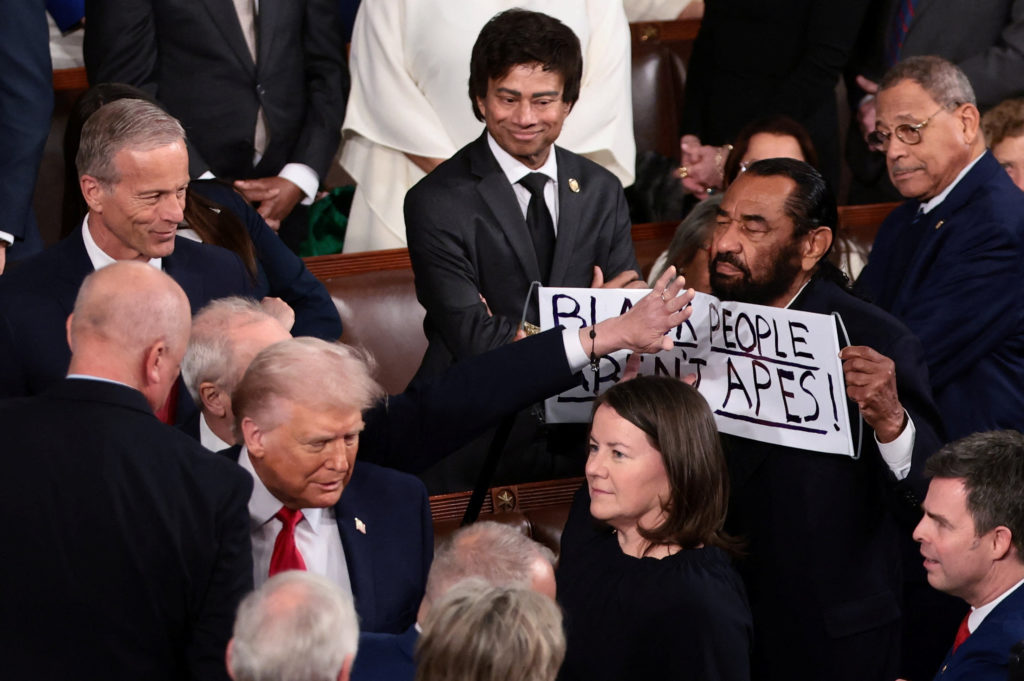
Reactions inside the chamber reflected ongoing polarization. Supporters offered standing applause during economic and border sections, while opposition members remained seated during key policy statements.
Political strategists view the State of the Union highlights as both governance messaging and electoral positioning. With legislative margins narrow, bipartisan compromise remains uncertain.
A senator noted after the address,
“The direction is clear, but translating vision into law will require negotiation.”
The speech’s structure suggests an effort to consolidate support among core constituencies while appealing to independent voters concerned about economic security.
Market and Public Response
Financial markets evaluated the address with measured caution. Investors focused on references to fiscal discipline and regulatory changes that could affect corporate earnings.
Public opinion surveys scheduled for release later this month are expected to measure immediate reaction. Historically, State of the Union addresses can influence short term approval ratings, though long term impact depends on policy outcomes.
The State of the Union highlights were delivered in a format designed for national broadcast, emphasizing concise messaging and repeatable themes.
Historical Perspective on the Annual Address
The State of the Union tradition dates back to the early republic, when presidents delivered written messages to Congress. Over time, the address evolved into a nationally televised event that shapes public discourse.
Modern State of the Union highlights serve not only as constitutional communication but also as strategic opportunities to define legislative agendas. The transformation reflects broader changes in media, governance, and political strategy.
Understanding this history provides context for the significance attached to each annual address.
Legislative Outlook for 2026
As committees begin reviewing proposals referenced in the speech, lawmakers face complex negotiations over funding and regulatory adjustments. Border enforcement measures, energy infrastructure investments, and fiscal reforms will require bipartisan support to advance.
The State of the Union highlights establish a framework for debate, but the legislative process will determine final outcomes.
Observers expect extended deliberations on budget allocations and oversight mechanisms in the coming months.
National Direction and Policy Trajectory
Beyond specific proposals, the address communicated a broader narrative about national direction. Economic competitiveness, sovereign borders, energy independence, and strategic diplomacy were presented as interconnected pillars.
The State of the Union highlights suggest that 2026 will center on balancing growth with enforcement and diplomacy with deterrence.
Whether these priorities translate into measurable legislative achievements remains to be seen. What is certain is that the themes introduced in WASHINGTON DC will shape policy debates, campaign messaging, and international perception throughout the year.