BMW announces a major electrical safety recall affecting thousands of vehicles across the United States.
Federal regulators confirm wiring concerns that may increase operational risks.
Owners are urged to verify eligibility and schedule free inspections immediately.
United States — February 25, 2026 — Parliament News — The BMW electrical defect recall has drawn national attention after federal safety authorities confirmed that nearly 59000 vehicles may contain damaged wiring harness components that could increase operational risks. The recall, filed with the National Highway Traffic Safety Administration, applies to specific models manufactured during defined production periods and sold throughout the United States in 2026.
BMW stated that the issue was identified during internal quality monitoring procedures and subsequently disclosed to federal regulators in compliance with safety requirements. Owners of affected vehicles will receive official notifications instructing them to arrange inspections at authorized dealerships.
Scope of the Safety Action Across the United States
The BMW electrical defect recall involves vehicles equipped with wiring harness assemblies that may have been improperly routed or insufficiently insulated. Over time, normal vehicle vibration or component contact could cause abrasion, potentially exposing internal wiring.
According to filings, the affected population is estimated at approximately 59000 vehicles distributed across multiple states. The recall does not apply to all BMW models currently on the road but rather to specific configurations identified during manufacturing reviews.
Federal databases have been updated to allow owners to confirm eligibility by entering their vehicle identification number.
Technical Explanation of the Wiring Concern
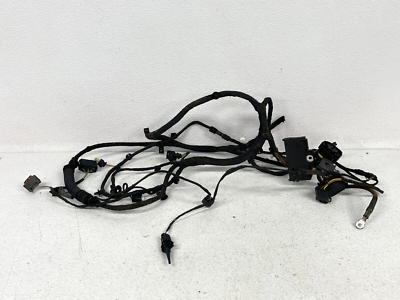
Modern vehicles depend on intricate electrical systems to manage everything from ignition timing to stability control. In the BMW electrical defect recall, engineers determined that certain harness assemblies may experience insulation wear if exposed to prolonged friction.
A wiring harness functions as a centralized network connecting sensors, electronic control units, and mechanical systems. When insulation is compromised, short circuits or intermittent signal disruptions may occur.
Potential outcomes include dashboard warning lights, inconsistent engine behavior, or temporary loss of specific electronic features. While the likelihood of severe incidents remains low, the recall aims to eliminate any elevated risk.
Federal Oversight and Compliance Measures
The National Highway Traffic Safety Administration oversees recall procedures to ensure consumer protection. Once BMW identified the defect, it initiated formal disclosure procedures under federal safety law.
The BMW electrical defect recall reflects established compliance protocols requiring automakers to provide remedies at no cost to owners. Regulators will monitor repair completion rates and confirm that dealerships follow approved corrective measures.
A spokesperson for the agency stated,
“Manufacturers are expected to act swiftly when potential safety defects are discovered, and this action demonstrates the importance of transparent reporting.”
BMW Statement on Customer Safety
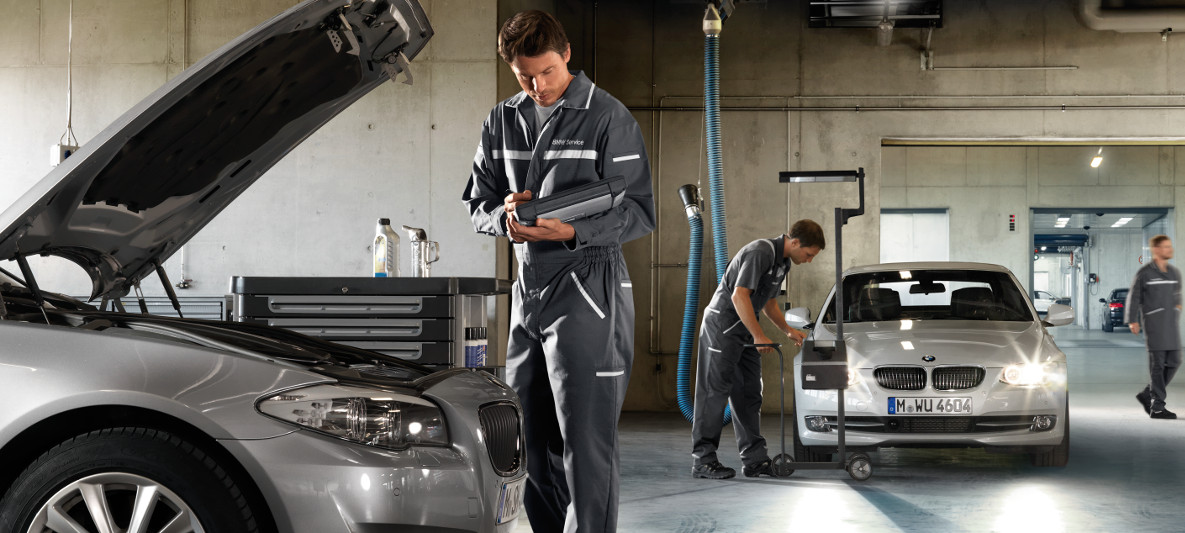
BMW emphasized that safety remains central to its brand philosophy. The company confirmed that authorized service centers will inspect wiring harness routing and replace affected components where necessary.
A company representative said,
“Our priority is the continued safety and confidence of our drivers, and we are committed to resolving this matter efficiently.”
Dealership technicians have received technical service bulletins outlining inspection procedures and repair standards.
Consumer Response and Immediate Steps
Owners included in the BMW electrical defect recall are encouraged to verify eligibility through official recall lookup platforms. If a vehicle is listed, scheduling an inspection is recommended even if no symptoms are present.
Repairs will be conducted at no cost, covering both labor and replacement parts. BMW has indicated that most inspections can be completed within a few hours, depending on service center availability.
Drivers experiencing warning indicators or unusual electrical behavior should seek immediate evaluation.
Economic Impact and Brand Implications
Recalls often carry financial implications for automakers, including repair costs, logistics, and customer communication expenses. However, analysts note that proactive safety measures can mitigate long term reputational damage.
The BMW electrical defect recall may result in short term operational expenditures, yet transparent action typically strengthens consumer trust.
Industry observers have pointed out that recall frequency has increased across manufacturers as vehicle systems become more technologically complex.
Engineering Standards and Electrical Complexity
The BMW electrical defect recall underscores the critical role of electrical architecture in modern vehicles. Advanced driver assistance systems, digital instrument panels, and emission controls all rely on uninterrupted signal transmission.
As vehicles incorporate more electronic modules, wiring harness integrity becomes increasingly vital. Manufacturers invest heavily in durability testing to ensure harnesses withstand temperature fluctuations and vibration stress.
Nonetheless, minor production variances can occasionally create vulnerabilities requiring corrective action.
History of Electrical Related Recalls in the Automotive Industry
Electrical component recalls are not unprecedented within the automotive sector. Over the past decade, multiple manufacturers have addressed similar concerns involving wiring insulation, sensor connectors, or electronic control modules.
The BMW electrical defect recall follows an established pattern of proactive defect management. As regulatory scrutiny intensified in recent years, automakers have implemented more rigorous internal audits to identify issues earlier in the production cycle.
Historically, recalls linked to electrical systems have reinforced the importance of robust engineering oversight in increasingly digitized vehicles.
Legal and Regulatory Framework
Under United States federal law, automakers must notify NHTSA within five business days of determining that a safety defect exists. The BMW electrical defect recall complied with these timelines, according to agency documentation.
Manufacturers are also required to notify dealers and registered owners promptly, outlining both the defect and remedy procedures. Failure to meet these obligations can result in penalties.
Federal regulators will continue reviewing repair data to ensure full compliance.
Supply Chain and Production Analysis
Although BMW has not disclosed detailed supply chain data publicly, wiring harness assemblies typically involve multiple suppliers. Manufacturing tolerances and installation routing precision are critical to long term durability.
The BMW electrical defect recall may prompt additional internal audits to confirm that production adjustments prevent recurrence.
Industry analysts suggest that increased automation and digital tracking systems are being adopted to minimize similar risks in future vehicle lines.
Market Reaction and Investor Perspective
Automotive recall announcements sometimes influence investor sentiment, particularly when safety issues attract national attention. Market analysts indicated that while recalls can generate temporary uncertainty, decisive corporate action often stabilizes performance.
The BMW electrical defect recall has not been associated with widespread accidents or injuries, which may help limit long term financial consequences.
Transparency and swift remediation remain central to preserving brand equity.
Technology Evolution and Risk Management
As the automotive sector accelerates toward electrification and connectivity, the reliance on high density wiring systems expands. Hybrid and fully electric platforms incorporate even more extensive harness networks than traditional combustion vehicles.
The BMW electrical defect recall illustrates the importance of continuous quality assurance in this evolving technological landscape.
Manufacturers are increasingly using predictive analytics to detect patterns in warranty claims and field data.
Public Awareness and Safety Culture
Vehicle owners play an essential role in recall completion rates. Public awareness campaigns encourage drivers to respond promptly to official notifications.
The BMW electrical defect recall serves as a reminder that recall participation directly enhances road safety outcomes.
Regulators estimate that a portion of recalled vehicles often remains unrepaired due to consumer inaction, underscoring the importance of communication efforts.
Broader Industry Trends in 2026
In 2026, global automakers face heightened regulatory oversight and increased consumer expectations. Digital transparency tools enable drivers to access recall information instantly.
The BMW electrical defect recall reflects broader industry commitment to accountability in an era where vehicle safety data is readily accessible.
Technological complexity continues to grow, requiring enhanced coordination between engineering teams and regulatory agencies.
The Path Forward for Affected Drivers
Owners included in the BMW electrical defect recall should anticipate receiving official letters detailing service procedures. Scheduling inspections promptly will ensure that any wiring vulnerabilities are corrected without delay.
BMW has assured regulators that replacement components will meet updated durability standards.
For many drivers, the recall may simply involve an inspection confirming that no damage is present.
Engineering Responsibility in a Digital Age
The BMW electrical defect recall highlights the balance between innovation and responsibility in the automotive sector. As vehicles integrate more advanced systems, manufacturers must maintain rigorous oversight to safeguard reliability.
While recalls may cause temporary inconvenience, they ultimately reinforce a culture of safety.
In 2026, regulatory frameworks and corporate transparency continue shaping how automotive risks are identified and resolved.
By addressing the wiring harness concern proactively, BMW demonstrates adherence to established safety protocols and consumer protection standards.