Moscow, Russia, February 27, 2026 — According to Parliament News, that A Russia corruption investigation has intensified following the detention of a senior executive in the country’s energy sector, authorities confirmed this week. Federal investigators stated that the individual is under formal review on suspicion of accepting improper financial benefits linked to procurement contracts.
Officials said the Russia corruption investigation began months earlier after internal financial irregularities were flagged during routine audits. Law enforcement agencies subsequently launched a broader inquiry involving document analysis, interviews, and financial tracking.
While investigators have not publicly disclosed all details, the detention signals that the case has moved from preliminary review to formal prosecution stages. The executive’s legal team has indicated that it will cooperate with judicial authorities while contesting the allegations.
The Company at the Center of the Case
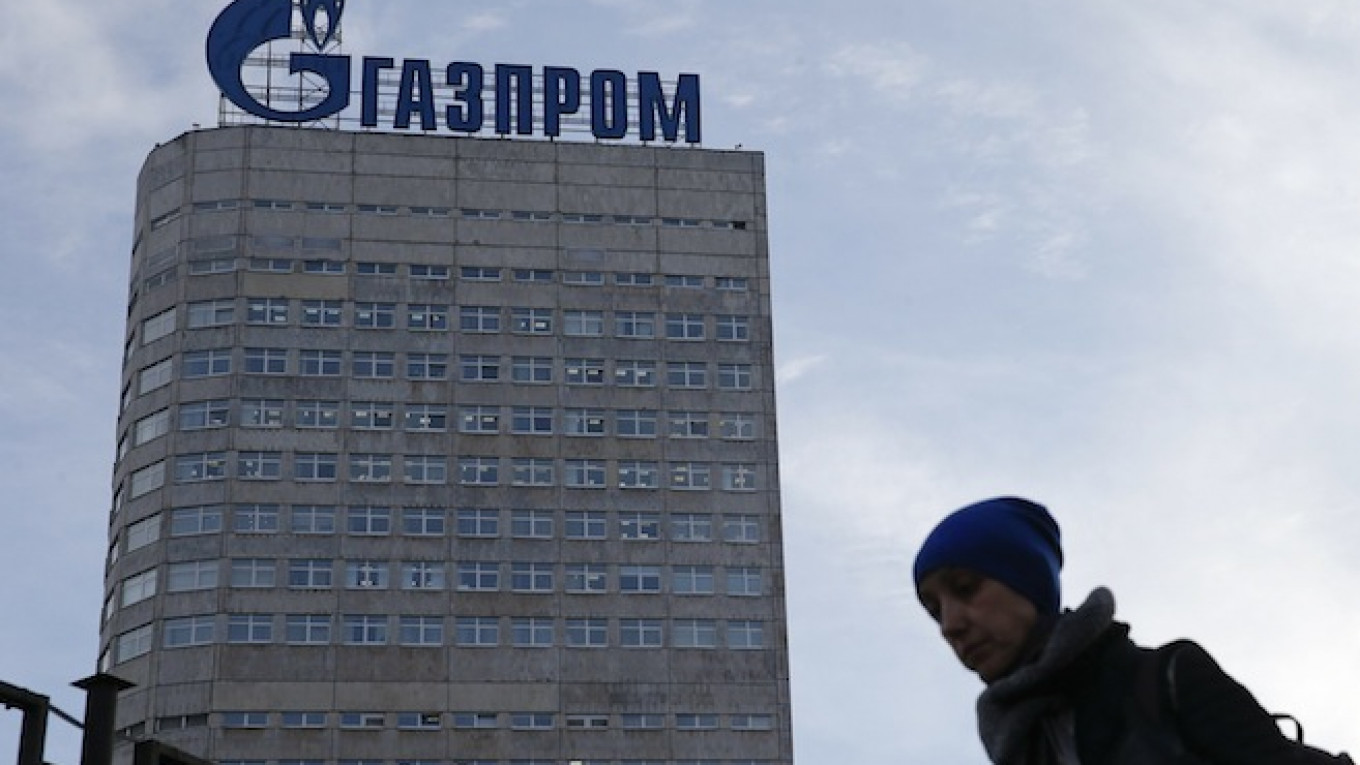
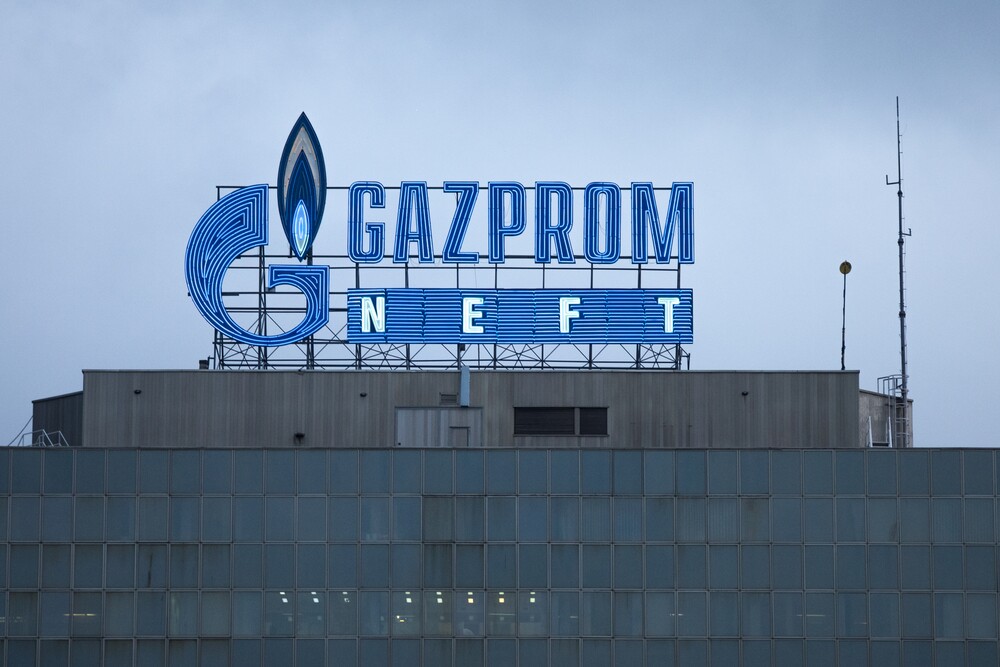
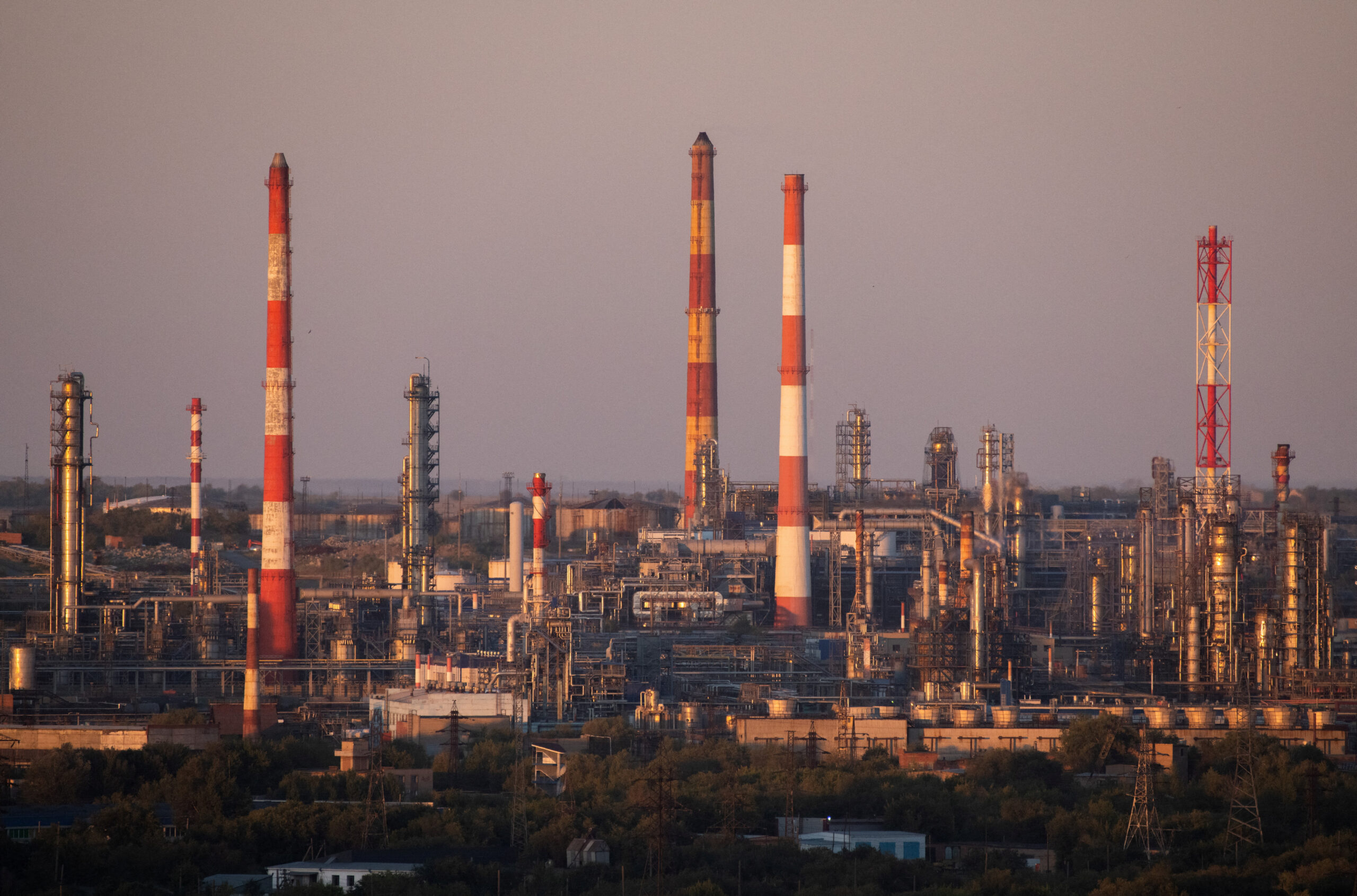
The executive is affiliated with Gazprom Neft, one of Russia’s largest oil producers and a subsidiary of Gazprom. The company plays a major role in oil extraction, refining, and export operations, making the case especially sensitive within economic and political circles.
Although the Russia corruption investigation focuses on an individual, analysts note that high ranking corporate detentions inevitably raise broader questions about oversight systems. Company representatives emphasized that operations remain stable and that compliance teams are cooperating with authorities.
Energy production and export schedules continue without reported interruption.
Allegations and Legal Standards
Investigators allege that the executive accepted payments in exchange for influencing procurement approvals and contract awards. The Russia corruption investigation centers on whether those alleged payments were directly tied to official decisions.
Under Russian criminal law, bribery charges require prosecutors to demonstrate intent, receipt of benefit, and a clear connection between financial gain and administrative action. Legal experts explain that such cases depend heavily on documentary evidence, digital communication records, and financial transaction tracing.
If the court determines that sufficient evidence exists, the case could proceed to full trial later this year.
Enforcement Climate in 2026
The Russia corruption investigation unfolds during a period of heightened attention to governance and compliance within strategic industries. Russian authorities have repeatedly stated that combating financial misconduct remains a national priority.
Energy companies, due to their scale and economic significance, often face particular scrutiny. Observers suggest that visible enforcement actions can serve both legal and symbolic purposes, reinforcing institutional oversight.
Government officials have declined to speculate on the outcome but reiterated that all proceedings will follow established judicial protocols.
Market Reactions and Investor Confidence
Following confirmation of the detention, market analysts monitored reactions across domestic energy shares. While short term fluctuations were noted, no significant operational disruptions were reported.
The Russia corruption investigation has prompted cautious commentary from financial experts who emphasize that corporate governance perceptions can influence investor sentiment. Transparency and communication are considered critical during such moments.
Industry specialists note that isolated legal cases do not automatically translate into systemic instability. However, extended proceedings can generate reputational concerns that companies must address proactively.
Public Response and Media Coverage
Public discussion surrounding the Russia corruption investigation has expanded across traditional and digital media platforms. Some commentators have described the detention as evidence of accountability, while others urge careful assessment of evidence before drawing conclusions.
The executive remains presumed innocent under Russian law until proven otherwise. Legal analysts underscore that high profile economic cases often unfold over extended timelines, particularly when complex financial records are involved.
Media coverage has largely focused on the implications for corporate governance and anti corruption policy rather than operational disruptions.
Legal Process and Judicial Oversight
Court proceedings are expected to determine pretrial measures, including potential detention extensions or bail conditions. Defense attorneys may challenge both evidentiary sufficiency and procedural aspects of the investigation.
The Russia corruption investigation will likely involve multiple hearings before any formal verdict is reached. Prosecutors must present clear evidence linking alleged payments to official acts.
A legal scholar familiar with similar cases commented,
“Economic crime investigations at this level require meticulous documentation and careful judicial review to ensure fairness and credibility.”
This single statement reflects the cautious tone adopted by legal observers monitoring the case.
Corporate Governance and Compliance Systems
Beyond the individual allegations, the Russia corruption investigation has intensified scrutiny of internal compliance structures within major corporations. Governance experts argue that preventive measures, including independent audits and procurement transparency protocols, are essential in minimizing misconduct risks.
Large energy firms typically maintain dedicated risk management teams. Analysts suggest that companies may strengthen oversight mechanisms as a precautionary measure, regardless of the final judicial outcome.
Such reforms can include enhanced reporting requirements, rotation of procurement personnel, and expanded digital monitoring of contract approvals.
International Observations
Given the global interconnectedness of energy markets, the Russia corruption investigation has drawn attention from international investors and industry observers. While the case remains domestic in legal scope, its visibility extends beyond national borders.
Energy exports play a central role in Russia’s economic framework, making governance stability a subject of global interest. Analysts emphasize that maintaining operational continuity and transparent communication will be important in sustaining international partnerships.
At this stage, no cross border legal proceedings have been announced.
Political Context and Strategic Significance
Energy policy intersects with national strategy, fiscal planning, and international diplomacy. The Russia corruption investigation highlights the importance of integrity within leadership ranks in strategically vital sectors.
Political commentators note that enforcement actions involving high ranking executives often carry broader messaging implications. Demonstrating accountability can reinforce public trust, particularly during periods of economic adjustment.
Authorities have stressed that the case should not be interpreted as indicative of systemic instability but rather as part of standard legal oversight.
Historic Comparison
High profile economic investigations have periodically surfaced in Russia’s modern history, particularly during phases of regulatory reform. Comparing earlier cases with the current Russia corruption investigation reveals recurring themes of governance tightening and institutional restructuring.
In past decades, significant corporate cases prompted revisions in procurement policies and compliance reporting frameworks. Analysts note that while each investigation is unique, broader patterns often emerge when oversight agencies seek to reinforce standards.
Historical precedents suggest that visible enforcement actions can coincide with structural improvements in transparency mechanisms.
Broader Anti Corruption Campaign
Authorities have described the Russia corruption investigation as aligned with ongoing efforts to strengthen institutional accountability. Enforcement agencies continue to emphasize financial transparency across both public and private sectors.
Experts argue that sustained enforcement, rather than isolated high profile cases, ultimately determines the effectiveness of anti corruption strategies. Long term credibility depends on consistent application of legal standards.
Whether the current proceedings expand to include additional individuals or remain limited to the detained executive remains to be seen.
Economic Stability and Sector Resilience
Despite the visibility of the Russia corruption investigation, industry leaders maintain that production, refining, and export activities remain stable. Energy infrastructure continues to operate under established management systems.
Economic analysts caution against equating individual legal proceedings with systemic operational disruption. However, they acknowledge that prolonged uncertainty can influence corporate planning decisions.
Companies often respond by reinforcing compliance communication with stakeholders and reaffirming operational commitments.

Transparency, Accountability, and Public Expectations
Modern economic governance increasingly emphasizes transparency. The Russia corruption investigation has renewed discussion about public expectations regarding ethical conduct within strategic enterprises.
Policy experts suggest that transparent judicial proceedings and clear communication can mitigate speculation. Confidence in institutions often depends on visible adherence to due process.
As hearings progress, both prosecutors and defense attorneys will present arguments that shape public understanding of the case.
Looking Ahead to Judicial Outcomes
The Russia corruption investigation is expected to continue through multiple procedural stages before any final verdict is rendered. Pretrial hearings will evaluate evidence, witness testimony, and legal arguments.
If prosecutors establish sufficient proof, a formal trial could extend into late 2026. Alternatively, insufficient evidence could result in dismissal or acquittal.
Observers across economic and political sectors will monitor developments closely, given the strategic importance of the energy industry.
The Broader Meaning of Institutional Oversight
Beyond individual accountability, the Russia corruption investigation underscores the broader importance of institutional oversight in complex economic systems. Regulatory frameworks exist to ensure that strategic sectors operate within legal boundaries.
Energy companies, given their scale and influence, are often at the center of governance debates. Strengthening compliance systems can enhance long term stability and investor confidence.
Ultimately, the case serves as a reminder that economic power and legal responsibility are closely interconnected.
When Governance Becomes a Defining Test
As 2026 unfolds in Moscow, the Russia corruption investigation may prove to be more than a single legal proceeding. It represents a test of institutional resilience, judicial transparency, and corporate accountability within one of the world’s most strategically significant industries.
While the legal process continues, operations remain stable and authorities emphasize adherence to due process. The final outcome will determine whether the case becomes a catalyst for broader reform or remains a contained episode within a complex economic landscape.
For now, the proceedings move forward under judicial supervision, with implications that extend beyond the courtroom into the broader conversation about governance, integrity, and the future of energy sector oversight in Russia.