

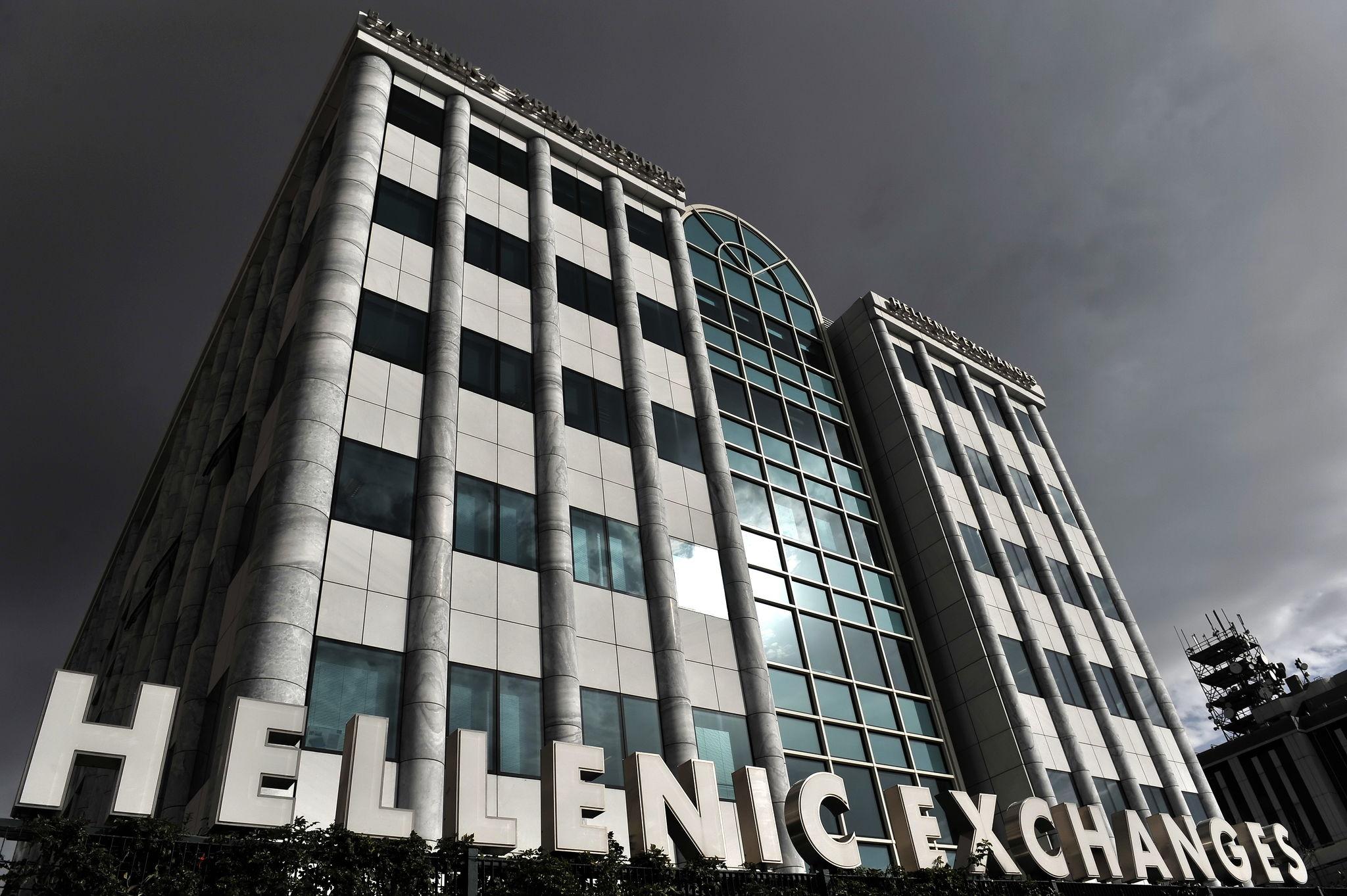
Greece Financial Markets are showing renewed resilience in Athens 2026 as banking stability, bond performance and equity gains support investor confidence.
Stronger capital flows, disciplined fiscal policy and expanding corporate earnings are reinforcing long term economic growth.
Analysts say sustained reforms and diversified investment activity are positioning Greece Financial Markets for steady expansion despite global uncertainty.
Athens, Greece – February 26, 2026 – According to Parliament News, that Greece Financial Markets are entering a defining period of measured expansion and renewed confidence. In 2026, economic policymakers, investors and institutions are closely monitoring Greece Financial Markets as capital inflows strengthen, lending activity expands and public trust in the financial system continues to improve. The year marks a significant phase in the country’s long economic recovery, demonstrating that stability and reform can coexist with forward looking growth.
While global volatility remains a factor across Europe and beyond, domestic indicators suggest that Greece Financial Markets are navigating external pressures with greater resilience than in previous cycles. Institutional oversight, improved balance sheets and diversified revenue streams have reshaped the financial landscape in Athens and across the country.
Equity Market Performance and Capital Flows
The equity segment of Greece Financial Markets has demonstrated steady upward movement during the first half of 2026. Banking institutions, energy companies and infrastructure groups have attracted sustained interest from both domestic and international investors. Trading volumes have increased moderately, reflecting renewed participation rather than speculative spikes.
Foreign capital continues to flow into Greek assets, particularly from European funds seeking diversification within the eurozone. Analysts attribute this renewed attention to disciplined fiscal management and improved corporate governance standards. Greece Financial Markets have benefited from stronger transparency practices that align closely with European regulatory expectations.
Retail investors are also gradually reentering the market. Years of cautious positioning have given way to selective engagement as household confidence improves. This balanced participation contributes to healthier market depth and liquidity conditions.
Banking System Stability and Lending Growth
A cornerstone of resilience within Greece Financial Markets is the strengthened banking system. Greek banks have spent years restructuring loan portfolios, reducing non performing exposures and reinforcing capital adequacy ratios. In 2026, these efforts are translating into sustainable lending growth.
Corporate credit demand has expanded, particularly among small and medium sized enterprises investing in modernization and export capacity. Consumer lending has also shown modest recovery, supported by improved employment conditions and stabilized property values.
Deposit inflows continue to reinforce liquidity buffers. Increased public trust in domestic institutions has lowered funding risks and strengthened the financial system’s overall footing. These developments ensure that Greece Financial Markets operate with stronger internal support mechanisms than during previous decades.
Government Bonds and Fiscal Discipline
Bond performance remains a vital signal of investor confidence. Government yields have stabilized compared to earlier periods of uncertainty, reflecting credible fiscal planning and improved debt sustainability metrics.
Recent sovereign bond issuances were met with solid demand, underscoring sustained access to international capital markets. Analysts note that Greece Financial Markets have demonstrated adaptability amid shifting European interest rate conditions.
Debt management strategies prioritize gradual refinancing and controlled exposure to rate volatility. This disciplined approach reinforces long term stability while preserving investor trust.

Corporate Earnings and Sector Strength
Corporate performance remains central to evaluating Greece Financial Markets. Energy firms, shipping companies and tourism operators have reported consistent revenue gains, supported by diversified international operations.
Shipping, a historic pillar of the Greek economy, continues to contribute foreign currency inflows and global trade integration. Tourism revenue has recovered robustly, generating employment and supporting ancillary industries such as hospitality and transport.
Listed companies emphasize cost efficiency and strategic expansion, balancing domestic activity with cross border investments. Dividend policies remain stable, appealing to income oriented investors seeking predictable returns.
Technological Innovation and Digital Finance
Digital transformation is reshaping Greece Financial Markets at an accelerating pace. Banks and brokerage firms are investing heavily in secure digital platforms, enabling faster transactions and broader customer access.
Fintech startups are emerging within Athens, fostering competition and innovation across payment systems and data analytics. These advancements improve transparency, reduce operational costs and strengthen risk assessment capabilities.
Online trading platforms have expanded retail participation, allowing investors to access market information and execute transactions with greater ease. This technological modernization enhances overall efficiency within Greece Financial Markets.
International Influences and European Integration
Global developments inevitably influence Greece Financial Markets. Energy price fluctuations, geopolitical tensions and eurozone monetary policy shifts shape investor expectations and capital allocation decisions.
The European Central Bank’s policy direction remains particularly significant. Interest rate adjustments affect borrowing costs and liquidity conditions across the eurozone, including Greece. However, structural reforms implemented domestically have improved resilience to external shocks.
European recovery funding programs continue to support infrastructure modernization and renewable energy initiatives. These investments stimulate productivity and create new opportunities within Greece Financial Markets.
Risk Assessment and Cautious Optimism
Despite positive indicators, Greece Financial Markets remain attentive to potential risks. Global economic slowdowns could influence export demand and tourism flows. Inflationary pressures, although moderated, still require careful monitoring.
Domestic challenges include maintaining fiscal discipline while encouraging growth. Policymakers emphasize sustainable expansion rather than rapid acceleration, recognizing that stability underpins long term success.
Financial regulators continue to prioritize prudent oversight. Stress testing and compliance monitoring ensure that Greece Financial Markets maintain adequate safeguards against unforeseen disruptions.

Investor Sentiment and Market Psychology
Investor confidence is influenced not only by data but by perception. In 2026, Greece Financial Markets are benefiting from a gradual shift in narrative. International observers increasingly view Greece as a recovering economy with credible institutions rather than a high risk environment.
Institutional investors highlight improved transparency and consistent financial disclosures as key drivers of renewed engagement. Asset managers emphasize diversification benefits, noting that Greek equities and bonds provide complementary exposure within broader European portfolios.
Public confidence also contributes to market stability. As households regain trust in domestic financial institutions, savings and investment participation expand.
Economic Drivers Behind Market Momentum
Several economic drivers reinforce the resilience of Greece Financial Markets. Tourism continues to serve as a major revenue engine, attracting millions of visitors annually. Infrastructure projects funded by European programs stimulate construction, logistics and energy sectors.
Renewable energy investments are gaining momentum, positioning Greece as a regional leader in solar and wind development. Export oriented industries benefit from strategic geographic positioning and improving competitiveness.
These factors collectively sustain employment growth and consumer spending, supporting domestic demand and reinforcing financial stability.
A Historic Comparison
When examining Greece Financial Markets in 2026, comparisons with the sovereign debt crisis era reveal profound transformation. During the early 2010s, capital controls, liquidity shortages and severe volatility dominated headlines. Investor confidence was fragile, and financial institutions faced significant restructuring challenges.
Today’s environment contrasts sharply. Capital adequacy ratios are stronger, regulatory alignment with European standards is well established and market access remains open. The journey from crisis to cautious growth illustrates how structural reform and disciplined governance can reshape national financial ecosystems.
This historical perspective underscores the progress achieved within Greece Financial Markets and highlights the importance of maintaining reform momentum.
A Single Voice from the Market
A senior Athens based economist reflected on the current environment, stating,
“The resilience we see today is not accidental but the result of years of disciplined reform that rebuilt trust in our financial system.”
This perspective encapsulates the broader sentiment among analysts who view current stability as the product of sustained effort rather than temporary relief.
Policy Coordination and Regulatory Strength
Coordination between domestic authorities and European institutions continues to reinforce Greece Financial Markets. Regulatory oversight aligns closely with eurozone standards, ensuring consistency and transparency.
Financial authorities emphasize compliance, consumer protection and risk management. Stress testing frameworks assess banks’ ability to withstand adverse scenarios, strengthening systemic resilience.
Policy alignment with European partners also enhances investor confidence by demonstrating commitment to fiscal responsibility and structural reform.

Sustainable Finance and ESG Integration
Environmental and social governance considerations are increasingly shaping Greece Financial Markets. Investors are allocating capital toward renewable energy projects, green bonds and sustainable infrastructure initiatives.
Banks are integrating ESG criteria into lending decisions, encouraging businesses to adopt responsible practices. These trends reflect global shifts toward sustainable finance and long term value creation.
The integration of sustainability metrics enhances competitiveness and positions Greece within evolving international investment frameworks.
Public Participation and Financial Literacy
Financial literacy initiatives contribute to stronger Greece Financial Markets by encouraging informed participation. Educational campaigns explain investment principles, risk management and digital banking tools.
As households gain greater understanding of financial products, savings patterns become more structured and diversified. Broader participation enhances market depth and stability.
Digital accessibility further democratizes investment opportunities, allowing individuals to engage with markets in a transparent environment.
Outlook for the Remainder of 2026
Looking ahead, analysts expect Greece Financial Markets to continue demonstrating measured growth. Stability remains the defining theme rather than rapid expansion.
Economic diversification, disciplined fiscal planning and technological modernization create a supportive framework for sustainable progress. External uncertainties may persist, but structural improvements provide a solid foundation.
Institutional investors emphasize long term strategy over short term speculation. This approach aligns with broader efforts to preserve stability within Greece Financial Markets.
When Stability Becomes Strategy
In 2026, the defining characteristic of Greece Financial Markets is disciplined stability. Rather than pursuing aggressive expansion, policymakers and financial leaders prioritize balanced growth and structural resilience.
This strategic emphasis reflects lessons learned from previous economic cycles. Sustainable progress depends on consistent governance, prudent oversight and diversified investment channels.
The trajectory of Greece Financial Markets suggests a maturing ecosystem capable of adapting to global dynamics while preserving domestic stability.
As Athens continues its economic evolution, the financial sector stands as a testament to the value of reform, transparency and long term vision.