


The defense technology competition is accelerating in Washington as AI, cybersecurity and military modernization take center stage in 2026.
Lawmakers and Pentagon leaders are reshaping procurement strategy to maintain global technological dominance.
Rising geopolitical pressure is pushing the United States to strengthen innovation, oversight and strategic readiness.
Washington, United States – February 27, 2026 — According to Parliament News, that The global defense technology competition has entered a defining moment in 2026 as American policymakers, military leaders and private sector innovators confront rising geopolitical pressure and rapidly advancing artificial intelligence systems. In Washington this year, budget hearings, procurement reforms and high level strategy sessions have placed emerging defense capabilities at the center of national debate.
The defense technology competition is no longer limited to hardware upgrades or traditional arms development. Instead, it now encompasses artificial intelligence, cyber defense, quantum research, satellite resilience and advanced data analytics. Each of these areas carries implications not only for battlefield readiness but also for economic strength and global influence.
Strategic Urgency in 2026
Military officials emphasize that speed is now a strategic factor. Unlike prior decades when major systems required years of development, digital tools can evolve in months. The defense technology competition reflects this accelerated tempo. Agencies must adapt procurement models to match innovation cycles while maintaining accountability and oversight.
In congressional sessions this year, lawmakers have reviewed modernization proposals focused on AI enabled command systems, autonomous logistics networks and enhanced cyber monitoring platforms. Analysts suggest these investments are intended to ensure the United States maintains leadership amid intensifying global rivalries.
Experts note that maintaining dominance in the defense technology competition requires more than funding. It demands integration of research institutions, private companies and operational commands into a unified ecosystem capable of rapid response.
Artificial Intelligence at the Core
Artificial intelligence remains central to strategic planning. Machine learning models assist with predictive maintenance, intelligence analysis and operational simulations. The defense technology competition increasingly revolves around which nation can deploy reliable and secure AI at scale.
Officials argue that AI offers force multiplication without proportionally increasing troop levels. At the same time, policymakers stress the importance of human oversight. Ethical frameworks and verification procedures are designed to prevent unintended consequences.
Technology leaders believe collaborative pilot programs will accelerate safe adoption. As AI capabilities mature, they are expected to influence everything from supply chain management to battlefield decision support.
Procurement Reform and Institutional Change
One of the most discussed issues in Washington involves acquisition reform. Traditional defense contracts often extend over long timelines, while software development thrives on iteration. Bridging that gap is essential to sustaining momentum.
The defense technology competition has prompted new proposals aimed at shortening approval cycles and expanding prototype testing programs. Agencies are evaluating modular contract structures that allow updates without restarting entire procurement processes.
Industry representatives have expressed cautious optimism that clearer regulatory pathways could encourage broader participation from innovative firms. A more flexible system may enhance resilience and stimulate additional private investment.
Cybersecurity as a Frontline Priority
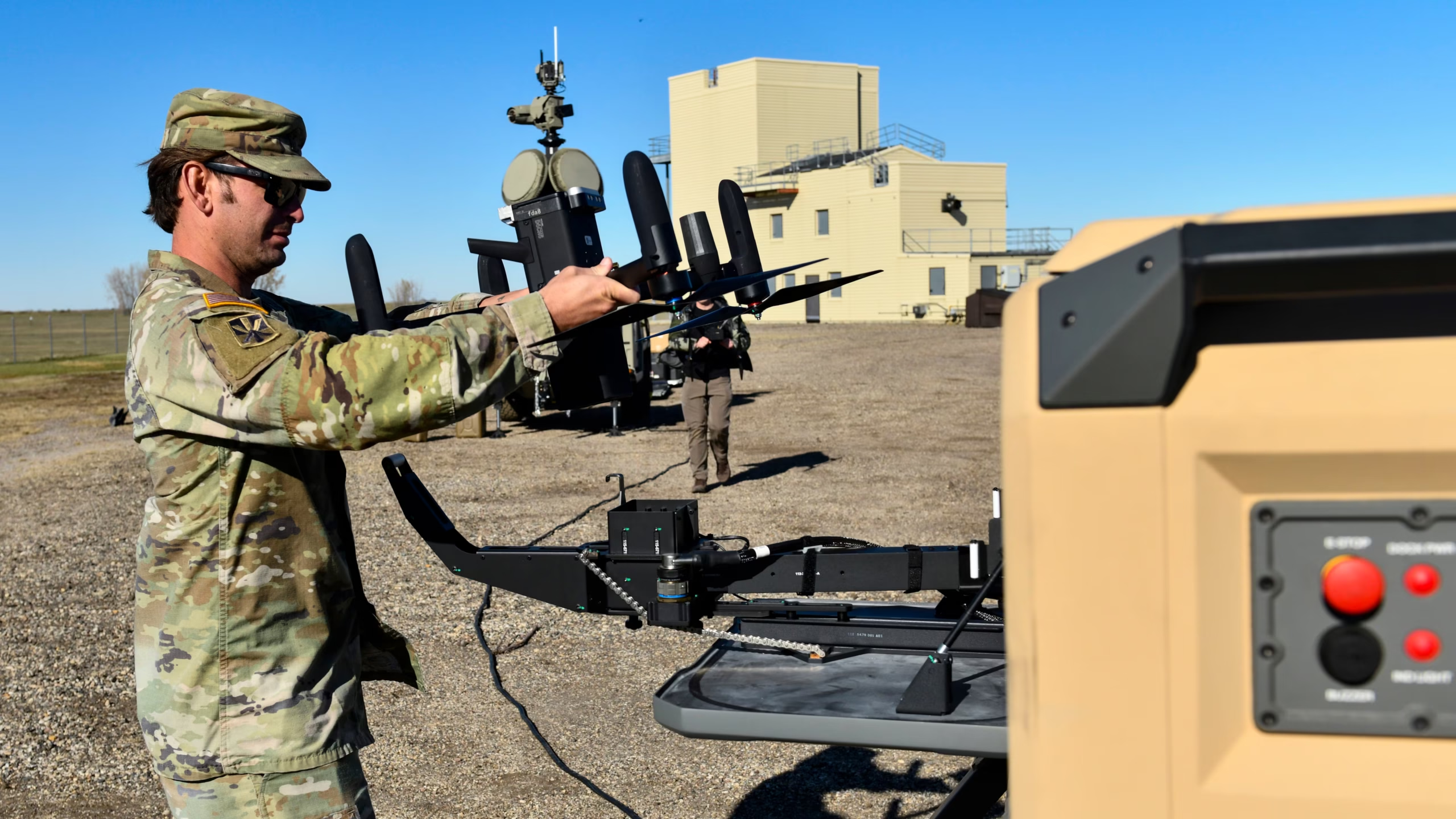
Modern conflict increasingly involves digital infrastructure. Cyber attacks targeting communications, satellites and financial networks have underscored vulnerabilities in interconnected systems. The defense technology competition therefore includes extensive emphasis on cybersecurity modernization.
Defense planners are prioritizing encryption upgrades, zero trust architecture and advanced threat detection systems. Investments in quantum resistant technologies are also gaining attention as future proofing measures.
Cyber resilience is now viewed as foundational rather than supplementary. Officials argue that maintaining secure digital networks is essential to preserving operational continuity under pressure.
Economic Ripple Effects
Federal defense spending shapes economic ecosystems far beyond military installations. Research grants, manufacturing contracts and technology partnerships stimulate regional growth. The defense technology competition has influenced venture capital patterns and university research priorities across the country.
Technology clusters in several metropolitan areas report increased hiring linked to defense modernization programs. Analysts suggest that sustained investment could reinforce domestic supply chains and reduce reliance on foreign manufacturing.
However, economists caution that budget uncertainties may affect long term planning. Stability in appropriations remains critical to ensuring consistent progress.
Ethical Frameworks and Public Trust
Advanced defense capabilities inevitably raise ethical questions. Autonomous systems and algorithmic decision support tools require clear boundaries. Policymakers in 2026 have reiterated that human oversight remains central to operational authority.
The defense technology competition includes ongoing dialogue about responsible deployment. Training protocols and compliance audits are designed to align technological advancement with established humanitarian principles.
Balancing innovation and responsibility is not simply a policy matter. It shapes public perception and international credibility.
Historic Comparison
Throughout American history, technological shifts have redefined military power. The industrial mobilization of the Second World War and the aerospace expansion of the Cold War both transformed national security strategies. The current defense technology competition represents a comparable inflection point, though driven by digital transformation rather than industrial scale alone.
In earlier eras, dominance depended on manufacturing capacity and physical infrastructure. Today, computational power and algorithmic refinement serve as primary indicators of strategic strength. The pace of digital innovation compresses timelines in ways previous generations did not experience.
Global Dynamics and Alliance Strategy
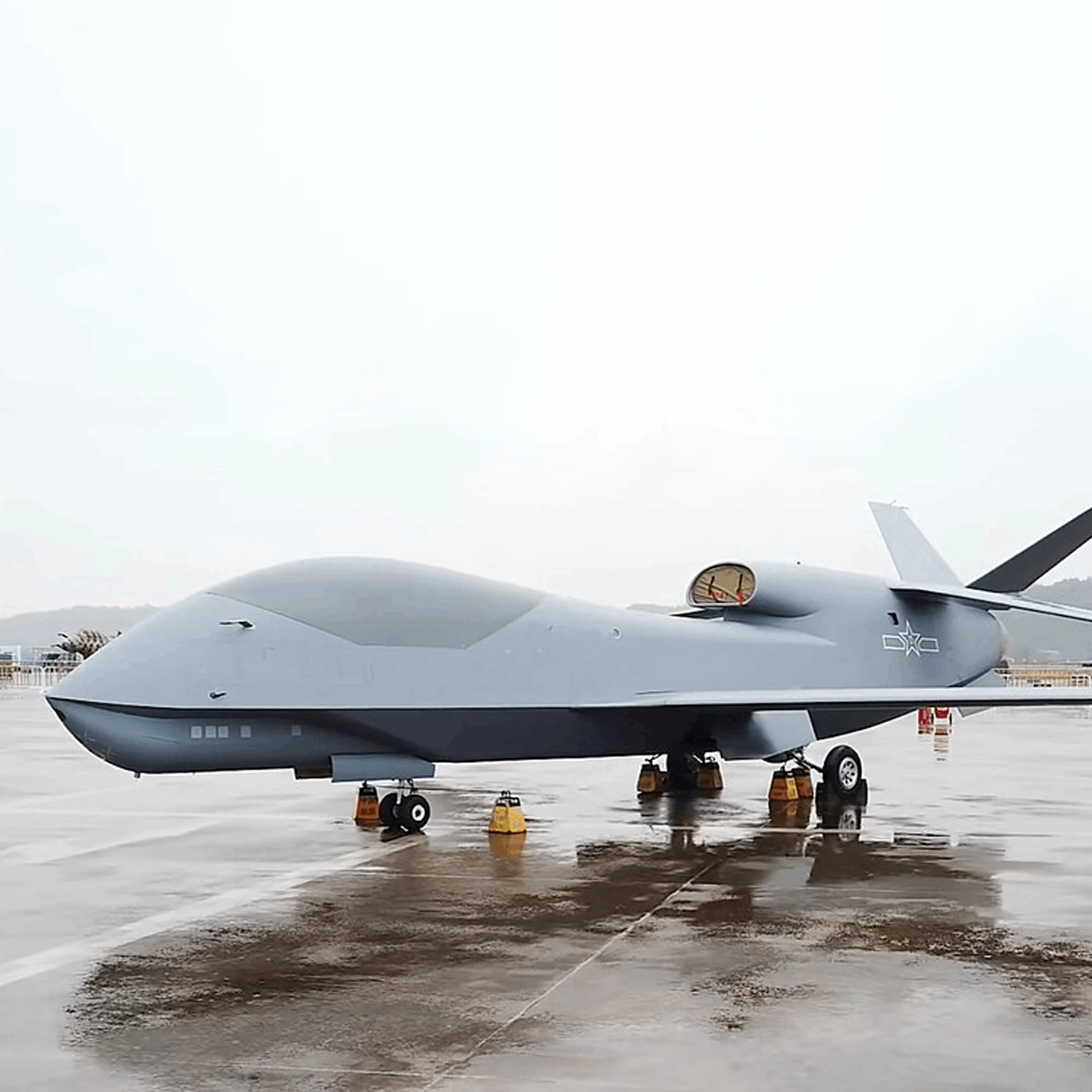
The defense technology competition unfolds within a broader international landscape. Allies are deepening cooperation on research initiatives and interoperability standards. Joint exercises increasingly incorporate AI assisted coordination and secure communications networks.
At the same time, rival powers are investing heavily in autonomous systems and advanced cyber capabilities. Analysts note that sustained leadership requires not only domestic innovation but also diplomatic coordination with partners.
Strategic alliances may influence technology sharing agreements and collaborative research funding in the coming years.
Workforce Development and Research
Human capital remains a decisive factor. Universities are expanding programs in data science, robotics and cybersecurity. Federal grants support academic partnerships aimed at translating research into deployable systems.
The defense technology competition depends on cultivating a workforce capable of adapting to rapid technological change. Training initiatives emphasize interdisciplinary expertise, blending engineering with policy awareness.
Public private collaboration is increasingly viewed as essential to sustaining long term innovation pipelines.
Budget Oversight and Accountability
Congressional oversight committees continue to examine spending proposals tied to modernization. Hearings in 2026 have focused on ensuring transparency and fiscal discipline. Lawmakers emphasize that strategic urgency must be matched with responsible governance.
The defense technology competition therefore operates under intense scrutiny. Accountability mechanisms seek to prevent cost overruns while preserving agility.
Observers say maintaining bipartisan consensus will be crucial to sustaining momentum across multiple budget cycles.
Market Signals and Investor Confidence
Private investors monitor federal signals closely. Defense oriented technology firms often rely on government partnerships for validation and revenue stability. Clear policy direction can encourage additional funding from institutional backers.
The defense technology competition has prompted renewed interest in startups specializing in cybersecurity, AI analytics and secure communications. Analysts predict continued capital flow if procurement reforms provide predictable frameworks.
Market sentiment remains sensitive to legislative developments and geopolitical events.

Innovation Culture and Strategic Vision
Beyond technical specifications, culture plays a defining role. Agencies must foster environments that encourage experimentation without compromising standards. Leaders emphasize that innovation is not solely about adopting tools but about reshaping organizational mindsets.
The defense technology competition challenges institutions to balance tradition with transformation. Internal training programs and cross sector exchanges aim to accelerate learning curves.
Strategic vision will determine whether modernization efforts achieve lasting impact.
Public Communication and Transparency
Public understanding of modernization efforts influences political support. Officials have increased outreach to explain how advanced systems enhance readiness while respecting legal and ethical norms.
The defense technology competition is frequently discussed in policy forums and academic conferences. Transparent communication helps build trust and counter misinformation.
Clear messaging may also strengthen international partnerships by demonstrating commitment to responsible innovation.
Long Term Security Outlook
Looking ahead, analysts believe sustained investment will shape operational readiness for decades. Emerging technologies such as quantum computing and advanced space systems may further transform strategic planning.
The defense technology competition is expected to remain central to national security discourse well beyond 2026. Coordination between government, industry and academia will likely determine the pace of advancement.
In one policy forum this year, a senior advisor summarized the stakes by stating,
“Innovation in national defense is no longer optional; it is the foundation of future security.”
That single observation reflects the gravity surrounding the defense technology competition and the urgency felt across Washington.
When Technology Redefines Power
The events of 2026 illustrate how technological capacity has become synonymous with strategic leverage. Industrial might once symbolized national strength. Today, data integration, secure networks and intelligent systems define influence.
The defense technology competition underscores a broader reality: global stability increasingly depends on who leads in innovation while upholding accountability. Decisions made in Washington this year will reverberate through economic systems, alliance structures and military planning.
As modernization initiatives advance, policymakers face the ongoing challenge of aligning speed with responsibility. The outcome will shape not only defense capabilities but also the trajectory of technological leadership in an interconnected world.