Pakistan Afghanistan border tension escalates after renewed clashes near a strategic crossing in Islamabad 2026.
Emergency diplomatic talks are underway to prevent further military escalation.
Trade routes and regional stability remain under pressure as security concerns persist.Islamabad.
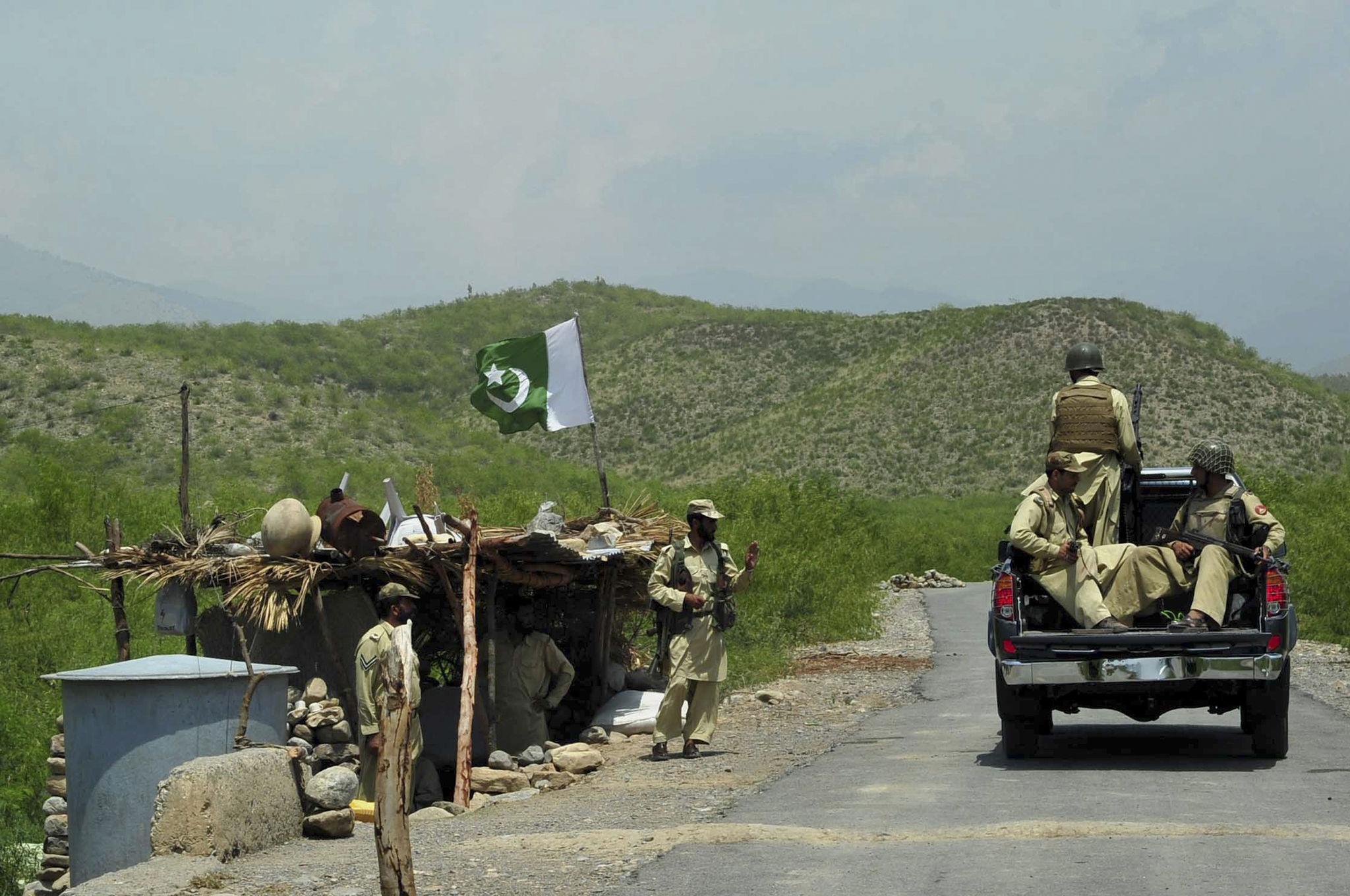
Pakistan, February 28, 2026 — According to Parliament News, that Pakistan Afghanistan border tension has once again moved to the forefront of regional security concerns after renewed exchanges of fire near a strategic crossing point. The incident, though contained within hours, highlights the fragile nature of relations between Islamabad and Kabul at a time when economic cooperation and political recalibration are critical for both nations.
Officials confirmed that security forces on both sides engaged following disagreements related to patrol activity and construction work near contested territory. While the immediate confrontation did not escalate into a broader conflict, the event reignited long standing sensitivities surrounding the frontier.
The renewed Pakistan Afghanistan border tension comes amid efforts by policymakers to stabilize cross border movement and improve trade flows. Analysts suggest that even brief incidents carry symbolic weight, especially in a region shaped by decades of political mistrust and shifting alliances.
How the Latest Incident Unfolded
According to security briefings, the clash began when patrol units encountered one another in an area where fencing and infrastructure development have been ongoing. Conflicting interpretations of territorial boundaries triggered warnings that quickly escalated into gunfire.
Local residents described a tense atmosphere, with temporary road closures and increased military presence. The exchange lasted several hours before commanders re established communication and ordered a halt to operations.
While both governments emphasized restraint, the episode underscored the persistent volatility that defines Pakistan Afghanistan border tension. Even limited engagements can spark public anxiety and international scrutiny.
Diplomatic Outreach to Prevent Escalation
Within hours of the confrontation, diplomatic channels were activated. Foreign ministry officials initiated emergency consultations to clarify the circumstances and reaffirm commitments to peaceful engagement.
One senior diplomat involved in discussions said,
“Dialogue remains our strongest tool, and we must ensure that local misunderstandings do not derail broader regional stability.”
The statement reflects a shared recognition that neither side benefits from prolonged confrontation. Economic priorities, humanitarian considerations, and security coordination depend on stable relations.
Pakistan Afghanistan border tension often tests diplomatic resolve, but rapid communication this time appears to have prevented further escalation.
The Strategic Importance of the Border Region
The frontier between Pakistan and Afghanistan is more than a geographic boundary. It serves as a lifeline for trade, cultural exchange, and regional connectivity initiatives. Major crossings facilitate the movement of goods ranging from agricultural products to construction materials.
When Pakistan Afghanistan border tension rises, commercial operations are often the first casualty. Traders report delays, insurance costs increase, and supply chains experience disruptions that ripple beyond border districts.
In 2026, economic resilience is a priority for both governments. Stability along the frontier is essential for maintaining investor confidence and advancing infrastructure projects aimed at linking Central and South Asia.
Security Concerns Driving Military Posture
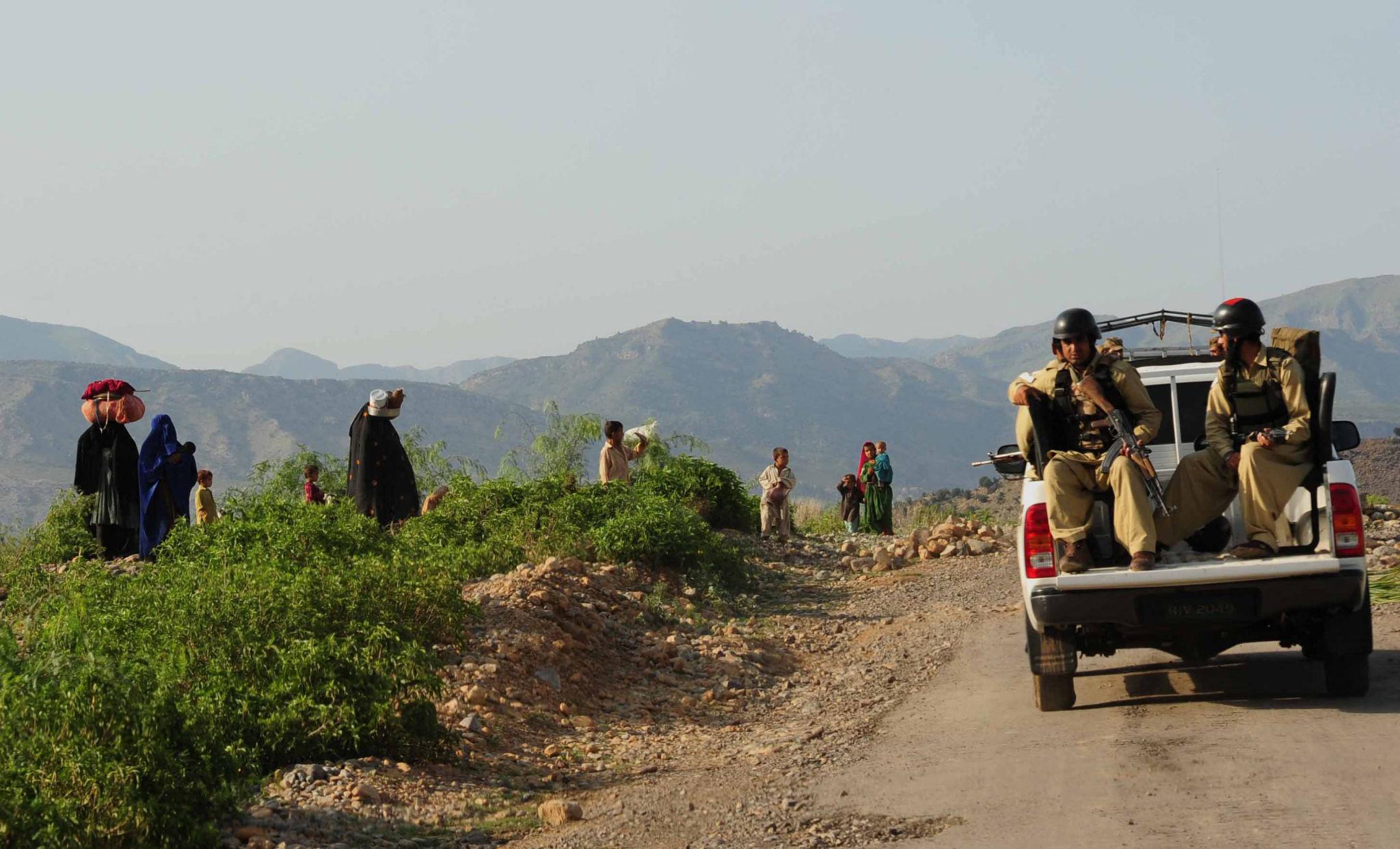
Security remains the central concern underpinning Pakistan Afghanistan border tension. Authorities in Islamabad cite risks related to cross border militancy and infiltration. Afghan officials emphasize sovereignty and caution against unilateral measures that could affect local populations.
These differing security perspectives often intersect in areas where infrastructure projects overlap with traditional movement routes used by border communities. Misinterpretations at the tactical level can quickly escalate into broader confrontations.
Military analysts argue that enhanced communication protocols between field commanders could significantly reduce misunderstandings. Joint verification mechanisms and clear construction guidelines may offer practical solutions.
The Human Cost of Recurring Instability
Beyond diplomatic and strategic calculations, the human dimension cannot be overlooked. Families living near the frontier frequently endure uncertainty during flare ups. Schools may close temporarily, markets operate under heightened security, and residents restrict travel.
Pakistan Afghanistan border tension places psychological strain on communities that rely on cross border interaction for livelihood and social ties. Many families have relatives on both sides of the frontier, complicating narratives of division.
Local leaders have repeatedly called for sustained dialogue that addresses community concerns alongside national security priorities. Peace at the border is not merely a political objective but a daily necessity for thousands of civilians.
Economic Stakes in a Fragile Environment
Trade between the two nations supports thousands of jobs in transport, warehousing, and retail sectors. When Pakistan Afghanistan border tension disrupts crossings, economic consequences extend beyond immediate border zones.
Business associations in Islamabad and Kabul have urged authorities to establish contingency frameworks that keep trade channels open during security incidents. Predictability, they argue, is essential for long term growth.
Economic analysts emphasize that regional integration projects, including transit corridors and energy pipelines, depend on sustained stability. Investors view recurring confrontations as a risk factor that could deter capital inflows.
Regional Implications and International Attention
Developments along the frontier rarely go unnoticed by neighboring countries. Regional stakeholders understand that instability can spill over into broader geopolitical dynamics.
The current episode of Pakistan Afghanistan border tension has drawn measured responses from international observers, who have encouraged calm and constructive engagement. While no external mediation has been proposed, diplomatic missions continue monitoring the situation.
Global attention underscores the strategic importance of this border in counterterrorism coordination and trade connectivity.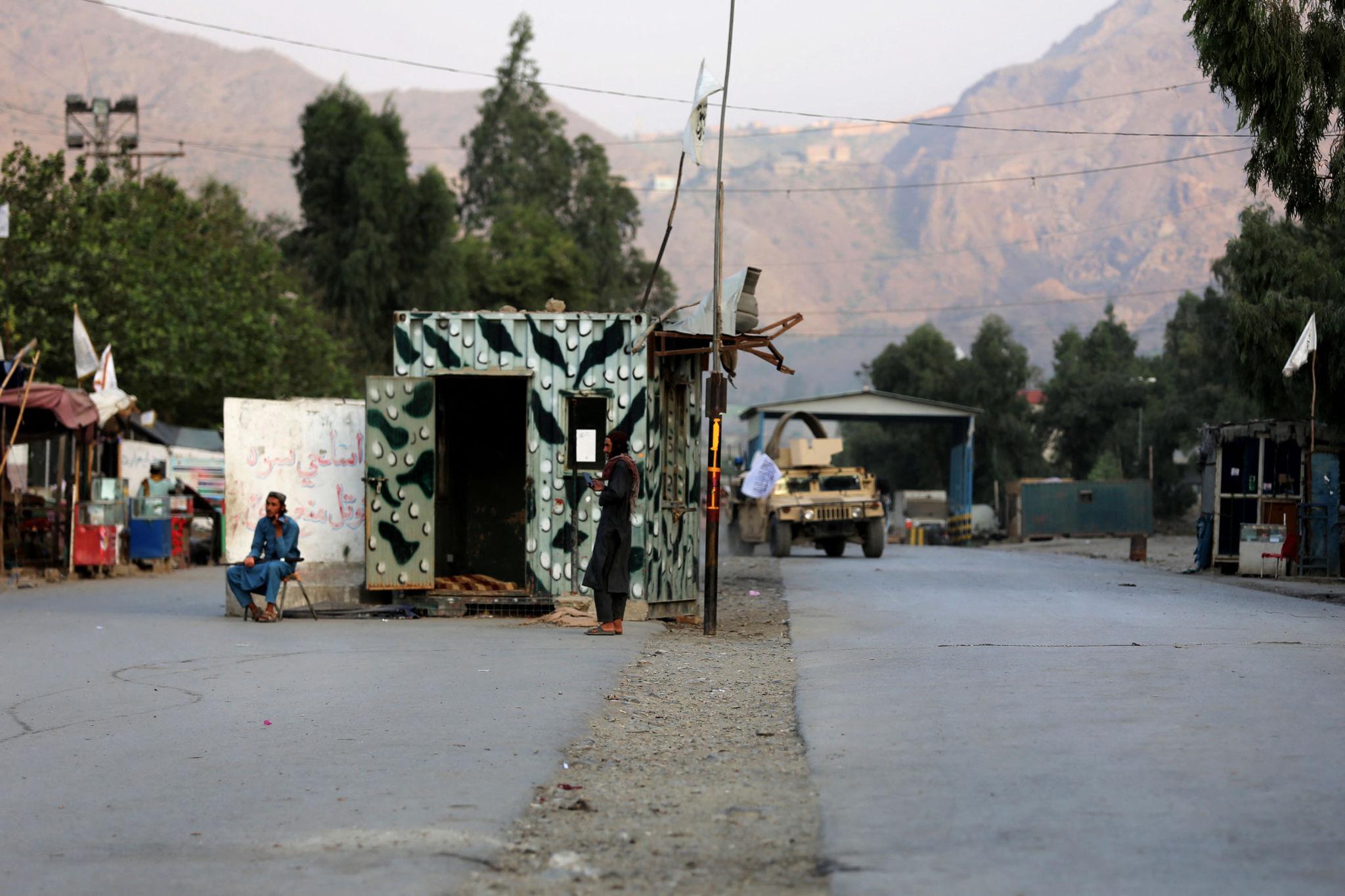
Government Messaging and Public Perception
Public statements from both capitals have emphasized restraint while reaffirming national sovereignty. Officials in Islamabad stressed defensive actions, while counterparts in Kabul called for mutual respect and coordination.
Pakistan Afghanistan border tension often influences domestic political narratives. Leaders must balance firm rhetoric with diplomatic flexibility, ensuring that national audiences feel secure without closing the door to dialogue.
Media coverage has played a role in shaping public perception. Clear communication from authorities remains vital to preventing misinformation from amplifying tensions.
Historic Comparison
Historically, disputes along this frontier have followed a cyclical pattern. In the early 2000s, border management was less formalized, and crossings operated with limited surveillance. Incidents were frequent but often localized.
As fencing initiatives expanded in the mid 2010s, Pakistan Afghanistan border tension shifted from informal skirmishes to structured disagreements over infrastructure and jurisdiction. The evolution reflects broader regional transformations, including political transitions in Kabul and changing security strategies in Islamabad.
Compared with previous decades, today’s disputes unfold in a more interconnected environment. Economic integration efforts and international scrutiny create additional incentives for de escalation. Yet historical grievances continue to influence perceptions on both sides.
Policy Options Moving Forward
Experts recommend expanding confidence building measures that address both security and economic concerns. Proposed initiatives include enhanced hotline communication, joint patrol observation points, and transparent notification systems for construction activity.
Addressing Pakistan Afghanistan border tension requires sustained engagement rather than reactive crisis management. Regular high level meetings and inclusive dialogue with local stakeholders could foster incremental trust.
Policy analysts caution that progress may be gradual. However, incremental steps toward transparency and cooperation can reduce the likelihood of sudden flare ups.
Broader Geopolitical Context
The border dispute unfolds within a shifting regional landscape. Afghanistan’s political realignment and Pakistan’s evolving foreign policy priorities shape bilateral engagement.
Regional power dynamics, including relationships with neighboring states, influence diplomatic calculations. Pakistan Afghanistan border tension is therefore not an isolated issue but part of a broader strategic environment.
Observers note that stability at the frontier would strengthen each nation’s regional standing and economic prospects.
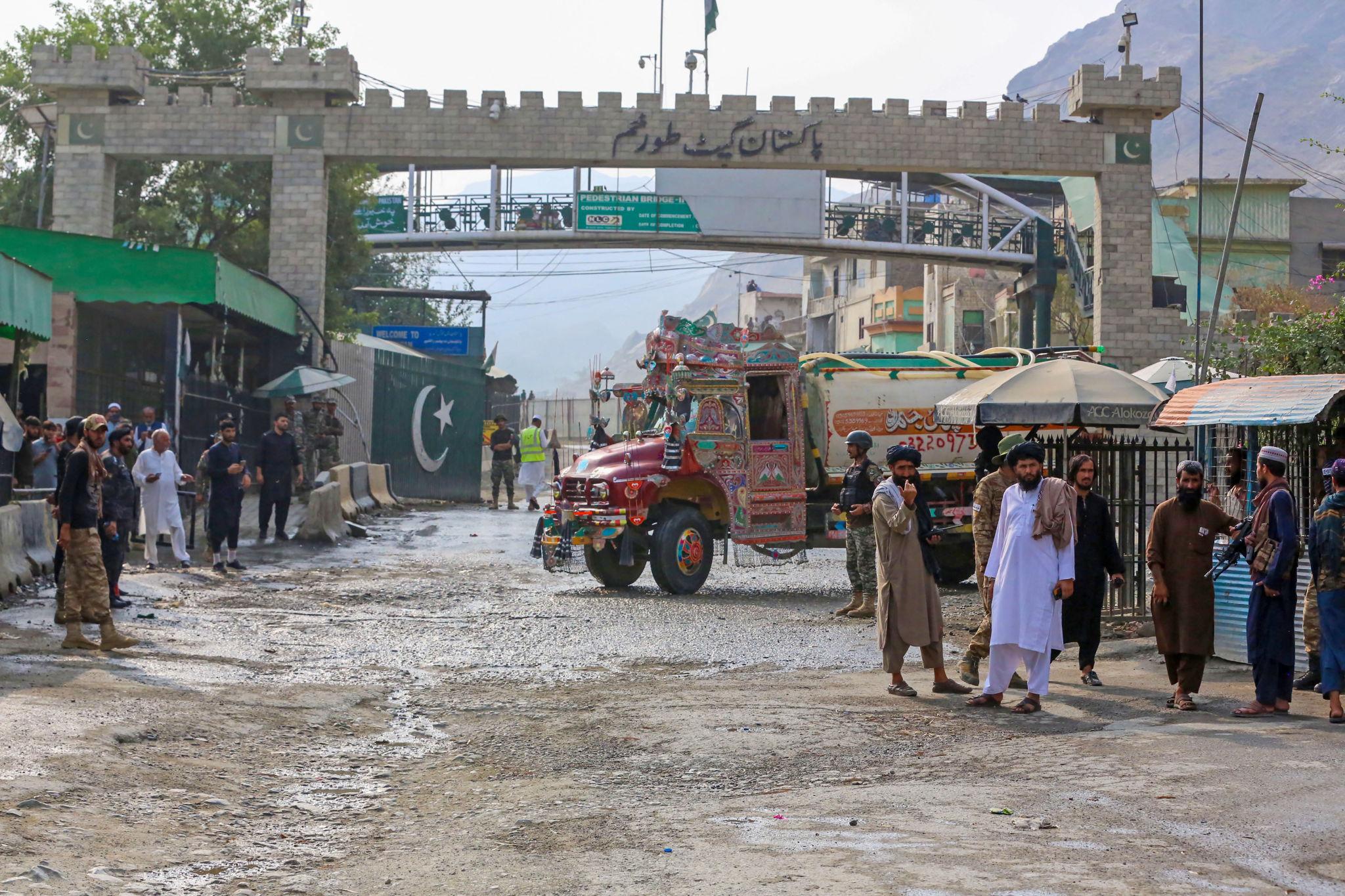
The Role of Civil Society and Community Leaders
Community representatives often serve as informal bridges during periods of strain. Tribal elders and local officials have historically facilitated dialogue when official channels stalled.
Encouraging greater involvement from civil society could complement formal diplomacy. Pakistan Afghanistan border tension affects grassroots communities directly, making their participation in peace efforts both practical and symbolic.
Programs focused on education, economic cooperation, and cross border cultural exchange may gradually reduce mistrust.
Media Responsibility and Narrative Framing
Responsible reporting plays a crucial role during security incidents. Sensational coverage can inflame public sentiment, while balanced analysis supports constructive dialogue.
Journalists covering Pakistan Afghanistan border tension face the challenge of presenting accurate information without escalating fears. Transparent communication from authorities helps ensure factual reporting.
Public trust depends on clarity and accountability during moments of uncertainty.
Outlook for the Months Ahead
As 2026 progresses, diplomatic engagement will likely intensify. Scheduled bilateral meetings may focus on refining border management protocols and economic coordination.
Pakistan Afghanistan border tension remains a test of resilience for both governments. Success will depend on sustained communication and willingness to address underlying grievances.
Analysts remain cautiously optimistic that structured dialogue can transform recurring crises into opportunities for long term stability.
A Delicate Balance Between Security and Stability
The recent flare up serves as a reminder that peace along the frontier cannot be taken for granted. Each episode reinforces the need for institutionalized communication and mutual understanding.
Pakistan Afghanistan border tension encapsulates a complex interplay of history, security, economics, and human relationships. While immediate calm has been restored, the deeper challenge lies in preventing recurrence.
For families living near the frontier, traders relying on open crossings, and policymakers striving for regional cooperation, stability remains the ultimate objective. Whether 2026 becomes a turning point toward sustained peace will depend on continued diplomatic commitment and practical collaboration on the ground.