

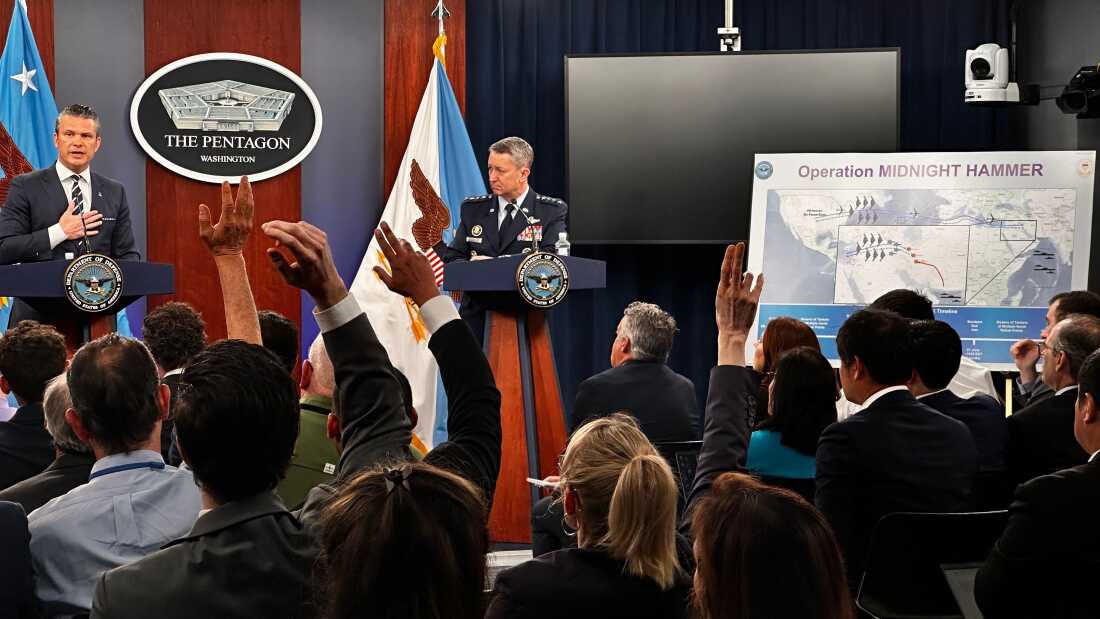
Tehran January 2026 — parliament news Highlights that senior Iranian officials have issued a carefully framed policy message addressing the evolving security environment in the Middle East. The Iran defense statement delivered during an official briefing reflects growing regional uncertainty and heightened sensitivity around military posture, deterrence, and diplomacy. While authorities stressed that the message was defensive in tone, analysts across the region immediately began evaluating its broader implications for stability, alliance management, and crisis prevention.
Regional Security Climate in Early 2026
The Middle East entered 2026 amid overlapping pressures that continue to test regional stability. Ongoing conflicts, unresolved diplomatic disputes, and the presence of foreign military assets have created a complex environment where official messaging carries substantial weight. In this context, the Iran defense statement emerged as a focal point for both regional governments and international observers seeking insight into Tehran’s strategic calculations.
Security experts emphasize that the region’s volatility means even routine announcements can influence threat perceptions. Governments across the Middle East have become increasingly attentive to official language, interpreting statements as indicators of intent, reassurance, or warning depending on timing and context.
Strategic Purpose of Defense Communications
Defense communications serve multiple purposes beyond immediate military signaling. The Iran defense statement was widely interpreted as part of a broader effort to clarify national priorities while reinforcing deterrence. Analysts note that such messaging often seeks to frame a country’s actions as reactive rather than aggressive, positioning policy within the narrative of sovereignty and self defense.
This strategic approach allows officials to address external audiences while simultaneously reinforcing domestic confidence. By emphasizing preparedness without detailing operational plans, defense statements can maintain ambiguity while still projecting resolve.
Military Posture and Preparedness
Military analysts reviewing the announcement highlighted that no operational details accompanied the Iran defense statement. This absence was seen as deliberate, aligning with a doctrine that prioritizes deterrence through readiness rather than public escalation. Armed forces across the region routinely adjust internal alert levels in response to perceived risk, even when official statements remain measured.
Preparedness, according to defense specialists, is increasingly defined by flexibility and rapid response capability rather than mass mobilization. Modern security planning integrates intelligence, technology, and coordination across services to manage uncertainty.
Diplomatic Implications for the Region
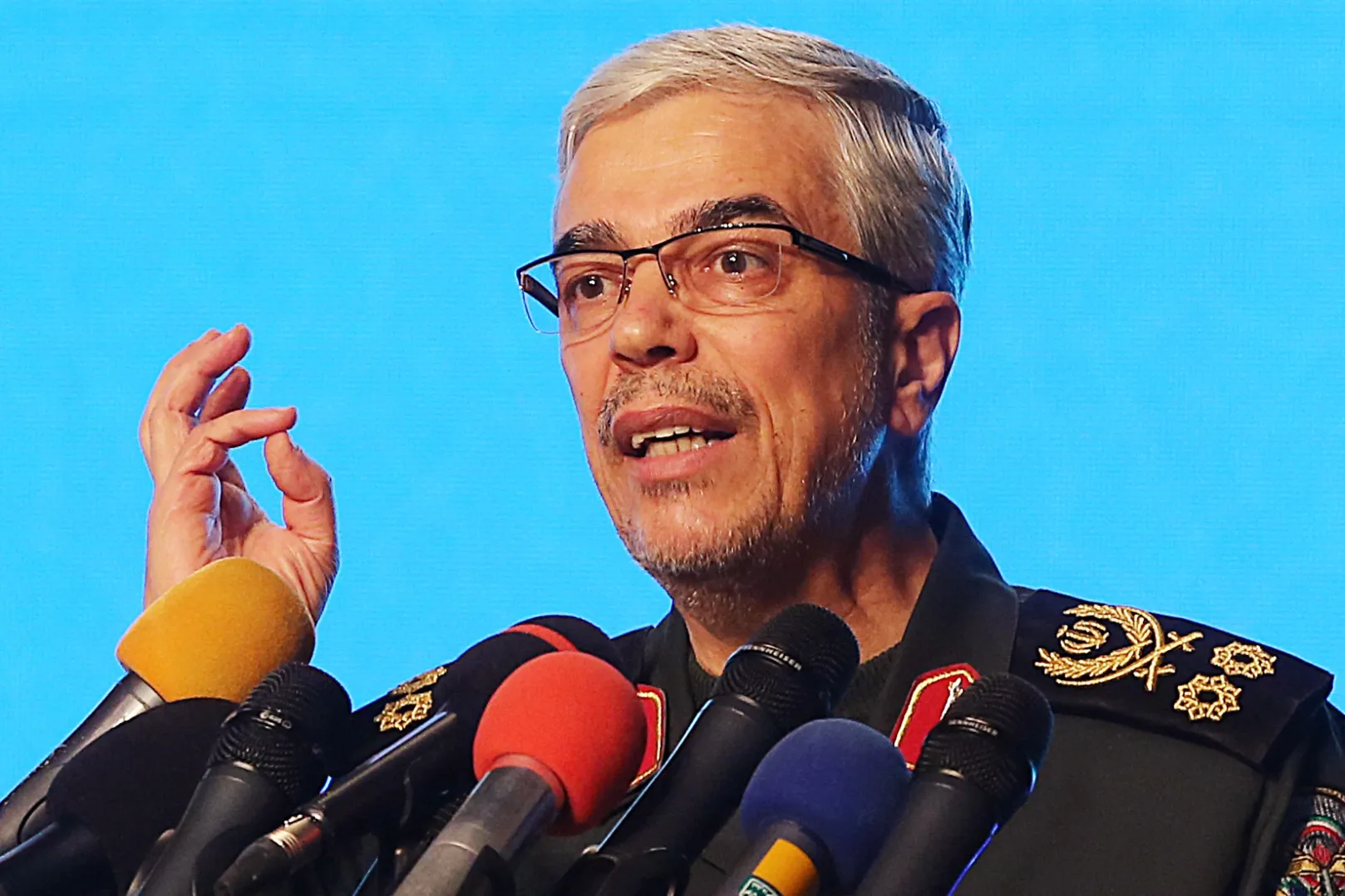
Diplomatic reactions to the Iran defense statement were cautious and closely coordinated. Regional capitals reportedly initiated quiet consultations to assess potential implications and reaffirm communication channels. Diplomats stressed the importance of preventing misunderstanding during periods when rhetoric alone can alter strategic calculations.
International partners encouraged restraint, emphasizing dialogue as the most effective tool for managing tension. The statement reinforced the delicate balance between signaling resolve and preserving space for negotiation.
International Perspective and Global Monitoring
Beyond the Middle East, the Iran defense statement attracted attention from global security institutions, energy analysts, and policymakers. The interconnected nature of modern geopolitics means regional developments often have global consequences, particularly in areas related to energy markets and trade routes.
Observers noted that international responses focused less on the content of the statement itself and more on its timing. Issued amid broader geopolitical uncertainty, the message was seen as part of a pattern of strategic communication shaping global risk assessments.
Impact on Regional Stability
Regional stability remains sensitive to both action and rhetoric. The Iran defense statement contributed to an atmosphere of heightened vigilance, prompting neighboring states to review contingency planning and defense coordination mechanisms. Analysts argue that while such statements can raise short term tension, they may also reduce the risk of surprise by clarifying strategic posture.
In this sense, defense communications function as both warning and reassurance, depending on interpretation. The challenge for regional actors lies in managing these signals without amplifying fear or miscalculation.
Domestic Messaging and Public Confidence
Domestic audiences represent a crucial consideration in defense communications. Officials presenting the Iran defense statement emphasized national resilience and unity, reinforcing confidence in the country’s defensive capabilities. Public reassurance is viewed as essential during periods of heightened regional tension, helping to maintain social stability and trust in institutions.
Media coverage within the country focused on themes of preparedness and sovereignty rather than confrontation. This framing aligns with broader efforts to balance external signaling with internal cohesion.
Historical Context of Defense Statements
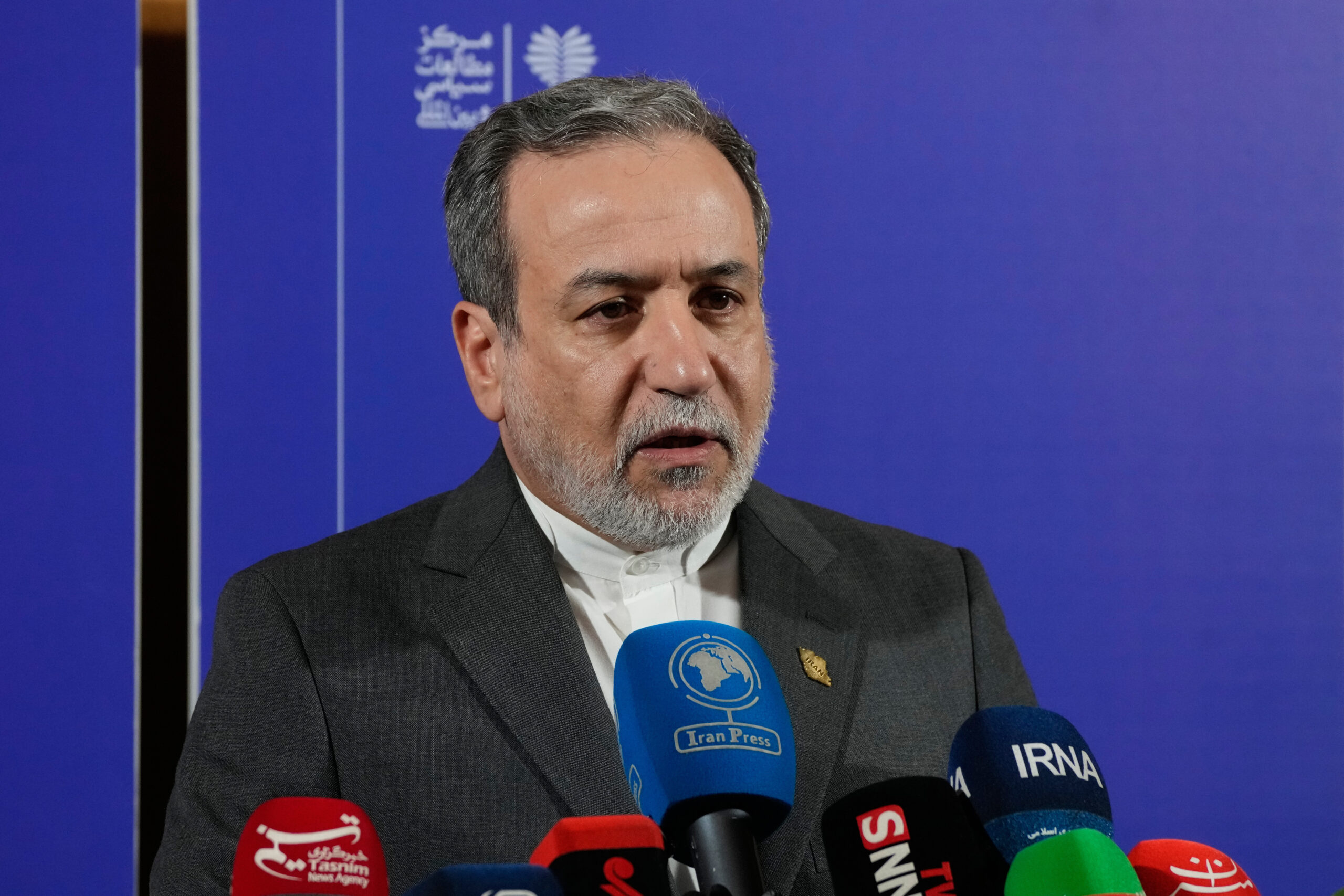
Historically, similar announcements have appeared during periods of strategic uncertainty. The Iran defense statement follows a pattern observed across the region, where governments articulate defensive principles while avoiding explicit operational detail. Security historians note that such statements often coincide with diplomatic activity occurring away from public view.
Understanding this historical context helps analysts avoid overinterpretation. Defense communications rarely stand alone; they are part of a continuum of signaling, diplomacy, and military planning.
Defense Communication and Deterrence
A regional security expert explained,
“Official defense messages are designed to deter pressure while preserving room for diplomacy and crisis management.”
This assessment captures how specialists interpret the Iran defense statement as a calibrated instrument rather than a declaration of intent.
Economic and Energy Considerations
Security messaging can influence economic confidence even in the absence of military action. The Iran defense statement arrived during a period when energy markets were already sensitive to geopolitical signals. Analysts note that investor sentiment, insurance premiums, and shipping decisions can all be affected by perceptions of stability.
Governments therefore weigh economic implications carefully when crafting public statements. Maintaining credibility and calm is seen as essential to preventing unnecessary market disruption.
Role of Strategic Ambiguity
Strategic ambiguity remains a defining feature of modern defense policy. The Iran defense statement exemplified this approach by emphasizing readiness without specifying thresholds or responses. Ambiguity can deter adversaries by increasing uncertainty while avoiding commitments that could limit diplomatic flexibility.
Communication specialists argue that ambiguity, when combined with consistent messaging, can stabilize tense environments by discouraging rash decisions.
Media Interpretation and Information Flow
Media interpretation plays a significant role in shaping public and international understanding. Coverage of the Iran defense statement varied by outlet, reflecting differing editorial priorities and geopolitical perspectives. Authorities stressed the importance of accurate reporting to prevent misinformation from amplifying tension.
Information flow in the digital age moves rapidly, making clarity and consistency in official messaging more important than ever.
Security Coordination Among Regional Actors
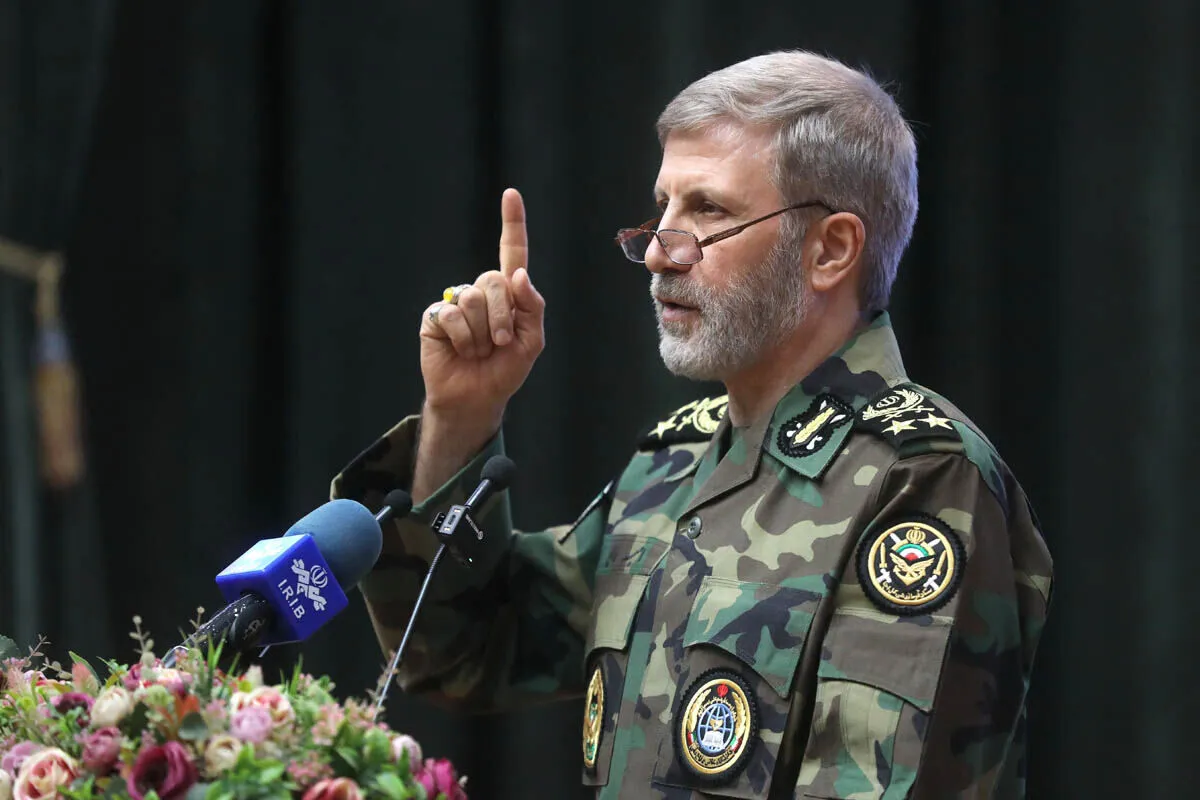
Regional security increasingly depends on coordination rather than unilateral action. The Iran defense statement prompted renewed discussion among neighboring states about information sharing and crisis communication mechanisms. While formal alliances differ, informal coordination has become a key tool for managing shared risk.
Analysts suggest that such coordination can mitigate the destabilizing effects of heightened rhetoric by reinforcing transparency and trust.
Technological Dimensions of Defense
Advances in surveillance, cyber capabilities, and missile defense have reshaped regional security calculations. Defense planners reviewing the Iran defense statement considered how technological factors influence deterrence and response options. Technology enables faster detection and decision making but also increases the speed at which crises can escalate.
Balancing technological advantage with strategic restraint remains a central challenge for all regional actors.
Energy Infrastructure and Strategic Routes
Critical infrastructure such as energy facilities and shipping lanes remains sensitive to regional tension. Policymakers assessing the Iran defense statement considered potential implications for infrastructure protection and maritime security. Ensuring the safety of strategic routes is viewed as essential to regional and global economic stability.
These considerations reinforce the link between defense communication and broader economic planning.
Public Perception and Social Stability
Public perception shapes national resilience during periods of uncertainty. Authorities emphasized calm vigilance following the Iran defense statement, encouraging citizens to remain informed without becoming alarmed. Social stability is widely recognized as a component of national security, particularly in environments where external pressure is perceived.
Maintaining trust through transparent communication helps prevent panic and misinformation.
Diplomatic Channels and Crisis Prevention
Crisis prevention depends heavily on communication. Following the Iran defense statement, diplomatic channels remained active, with officials emphasizing the importance of dialogue. Even during periods of tension, back channel communication can reduce misunderstanding and prevent escalation.
Diplomats note that defense statements often accompany intensified diplomatic engagement rather than isolation.
Comparative Regional Signaling
Defense communications across the Middle East share common characteristics, including emphasis on sovereignty, deterrence, and readiness. The Iran defense statement fits within this broader regional pattern, reflecting shared strategic culture despite differing political systems.
Comparative analysis helps contextualize statements and reduces the risk of exaggerated interpretation.
Long Term Strategic Outlook
Looking beyond immediate reactions, analysts expect defense communications to remain a prominent feature of regional strategy throughout 2026. The Iran defense statement will likely be referenced in future assessments as tensions evolve and diplomatic initiatives progress.
Long term stability depends on consistent signaling, credible deterrence, and sustained dialogue among regional and global actors.
Strategic Communication as a Pillar of Regional Stability
As regional dynamics continue to shift, the Iran defense statement stands as a significant moment in early 2026 security discourse. By emphasizing preparedness, deterrence, and sovereignty, Iranian officials contributed to an ongoing conversation about stability in a complex environment. The response from regional and international actors underscores the importance of managing rhetoric carefully, recognizing that words alone can influence perceptions, markets, and diplomatic relations.