Jerusalem January 2026 — parliament news Highlights that Israel has entered a sustained period of heightened security vigilance as regional developments continue to raise concerns among defense planners. Senior officials confirmed that the Iran military threat remains a central factor guiding strategic decisions across military, intelligence, and diplomatic institutions. While no immediate escalation has been declared, authorities emphasize that preparedness reflects evolving risk assessments rather than speculation. The current environment highlights how deeply security considerations are woven into Israel’s national policy framework.
Regional Security Environment
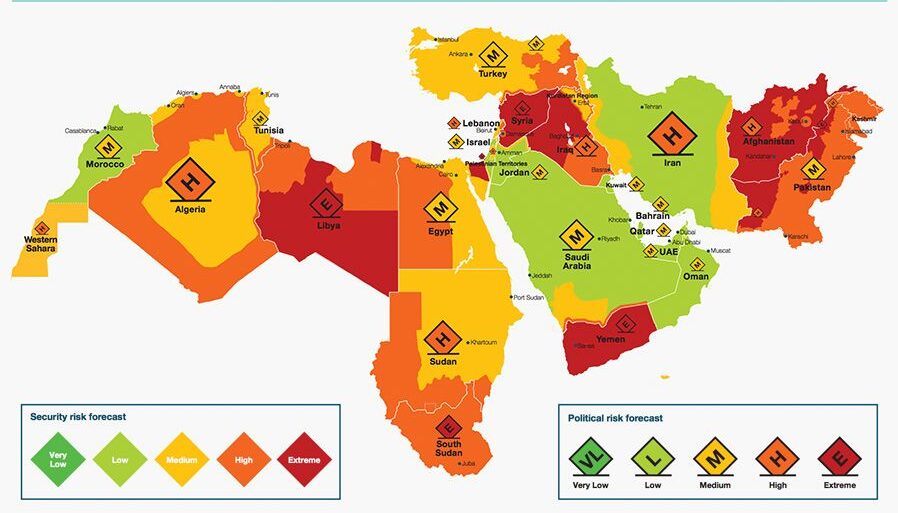
The Middle East in 2026 remains shaped by overlapping rivalries, fragile diplomacy, and shifting power balances. At the heart of Israel’s security calculations lies a long standing strategic rivalry with Iran, which Israeli officials view through a comprehensive security lens. The Iran military threat is assessed not as a single action but as a combination of capabilities, intent, and regional influence. This layered perception has reinforced Israel’s emphasis on early warning systems, intelligence coordination, and operational readiness.
For Israel, regional stability depends on preventing miscalculation while maintaining credible deterrence. Defense planners argue that vigilance serves as a stabilizing force in an otherwise unpredictable security landscape.
Strategic Rivalry and Historical Context
Understanding current alert levels requires examining decades of strategic rivalry. Since the late twentieth century, ideological divisions and competing regional ambitions have defined relations between Israel and Iran. The Iran military threat is often contextualized within this broader historical framework, where security doctrines evolved in response to perceived existential risks.
Security historians note that Israel’s doctrine emphasizes preemptive awareness rather than reactive escalation. This approach reflects lessons drawn from past regional crises, reinforcing the belief that preparedness reduces the likelihood of conflict rather than inviting it.
Military Readiness and Operational Planning
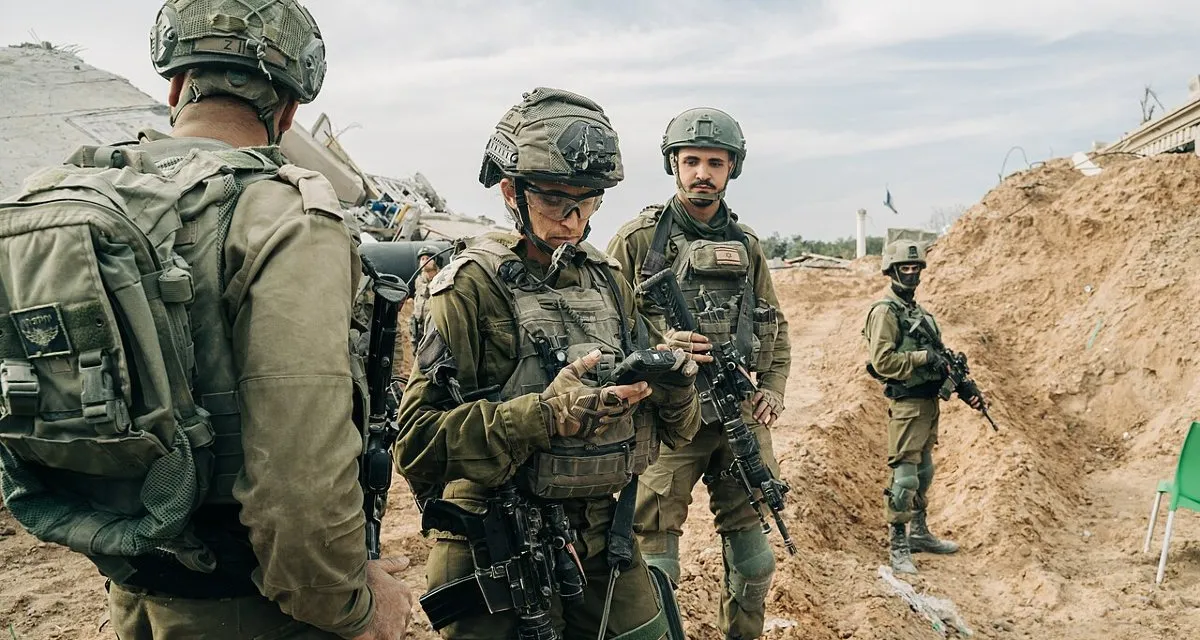
Israel’s defense establishment has adjusted its posture in response to ongoing assessments of the Iran military threat. Air defense systems, naval readiness, and cyber capabilities form a multi layered defense network designed to counter diverse scenarios. Military exercises conducted over recent months have focused on coordination across branches, ensuring rapid response capability.
A senior military commander stated,
“Strategic preparedness is the cornerstone of deterrence and the foundation of national stability.”
This single remark captures the guiding philosophy behind Israel’s current alert status and reflects consensus within defense circles.
Intelligence and Surveillance Capabilities
Intelligence agencies play a decisive role in shaping responses to the Iran military threat. Continuous monitoring of regional movements, weapons development, and strategic communications informs policy decisions at the highest level. Officials emphasize that intelligence driven planning allows proportional responses, minimizing the risk of unintended escalation.
Advanced surveillance technologies, combined with human intelligence networks, provide a comprehensive picture of regional dynamics. This information ecosystem supports timely decision making and reinforces Israel’s commitment to measured preparedness.
Diplomatic Engagement and Strategic Communication
While military readiness remains visible, diplomacy continues to operate alongside defense measures. Israeli officials maintain open channels with international partners, emphasizing transparency and coordination. The Iran military threat is frequently discussed in diplomatic forums as part of broader regional security dialogues.
Global actors encourage restraint and crisis management, recognizing the potential consequences of escalation. Israel’s leadership underscores that preparedness and diplomacy are complementary tools rather than opposing strategies.
Regional Reactions and Neighboring States
Israel’s heightened alert posture has drawn close attention from neighboring states, many of which share concerns about regional stability. Analysts suggest that consistent deterrence can reduce volatility by clarifying intentions and reducing uncertainty. The Iran military threat thus shapes not only Israeli policy but also regional defense planning.
Some regional governments view Israel’s readiness as a stabilizing signal, while others approach developments cautiously, mindful of their own security calculations. This dynamic illustrates the interconnected nature of Middle Eastern security.
Civil Defense and Societal Preparedness
National security extends beyond military installations to encompass civilian resilience. Authorities have reinforced civil defense protocols, emergency communication systems, and public awareness campaigns. The Iran military threat has prompted renewed focus on continuity planning, ensuring that essential services remain operational during periods of tension.
Officials stress that public preparedness contributes to national resilience. Messaging emphasizes calm vigilance, avoiding alarm while encouraging readiness. This balanced approach reflects lessons learned from previous security challenges.
Economic Implications and Strategic Stability
Security developments inevitably influence economic considerations. Markets, trade routes, and investment confidence are sensitive to regional tensions. Policymakers factor these elements into security decisions, aware that prolonged instability could affect economic growth.
Managing the Iran military threat involves balancing defense priorities with economic continuity. Analysts argue that visible preparedness reassures markets by signaling control rather than chaos.
International Perspective and Global Security
International observers closely monitor developments involving Israel and Iran, viewing them as indicators of broader Middle Eastern stability. The Iran military threat is frequently referenced in global security assessments, highlighting its potential impact beyond the region.
Allied governments emphasize de escalation and dialogue, supporting confidence building measures while acknowledging Israel’s security concerns. This global attention underscores the interconnected nature of modern security challenges.
Technological Dimensions of Defense
Technological innovation plays a critical role in addressing the Iran military threat. Israel’s defense sector continues to invest in missile interception, cyber defense, and intelligence analytics. These technologies enhance situational awareness and response capability.
Defense experts note that technological superiority strengthens deterrence by reducing vulnerability. Continued investment reflects Israel’s long term strategy of maintaining qualitative advantage amid regional uncertainty.
Strategic Signaling and Deterrence
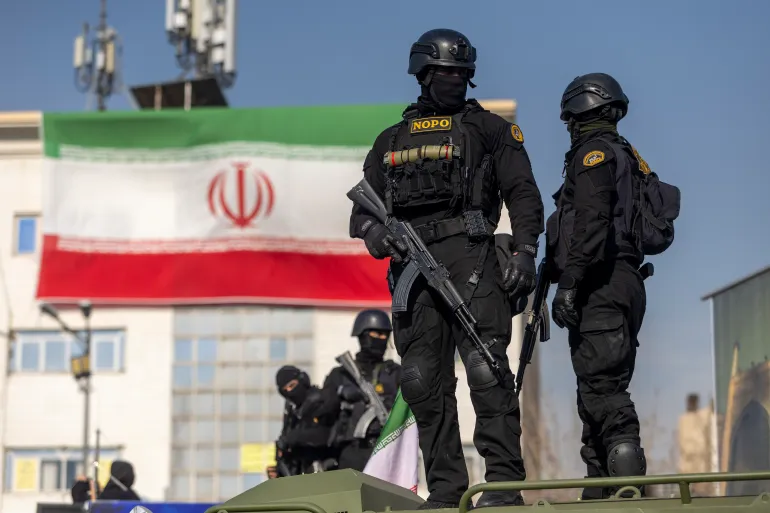
Deterrence remains a central objective of Israel’s security posture. By maintaining readiness without provocation, Israel seeks to communicate resolve while avoiding escalation. The Iran military threat functions as a reference point for strategic signaling, shaping both rhetoric and action.
Analysts argue that clear signaling reduces misinterpretation, contributing to stability even amid rivalry. This delicate balance defines Israel’s current approach.
Energy Security and Regional Routes
Energy infrastructure and shipping routes represent additional considerations. Regional stability directly affects energy markets and transit corridors. Policymakers monitor how the Iran military threat might influence these sectors, integrating security planning with economic foresight.
Ensuring the protection of critical infrastructure remains a priority, reinforcing the link between defense readiness and economic resilience.
Media Coverage and Public Perception
Media narratives influence public understanding of security developments. Authorities emphasize accurate communication to prevent misinformation. The Iran military threat is presented within a factual framework, avoiding sensationalism while acknowledging risks.
Public trust in institutions plays a vital role in maintaining stability during heightened alert periods. Transparent communication supports this trust.
Strategic Outlook for the Remainder of 2026
Looking ahead, analysts expect security vigilance to remain a defining feature of Israel’s policy environment throughout 2026. While alert levels may fluctuate, the underlying emphasis on preparedness is unlikely to change.
The Iran military threat will continue to inform defense planning, diplomatic engagement, and regional coordination. Experts suggest that sustained readiness combined with dialogue offers the most viable path forward.
As 2026 progresses, Israel’s security strategy reflects a careful balance between vigilance and restraint. The Iran military threat remains a central consideration shaping military preparedness, intelligence coordination, and diplomatic outreach. Through measured action and strategic communication, Israel seeks to navigate a complex regional environment while preserving stability and deterrence.