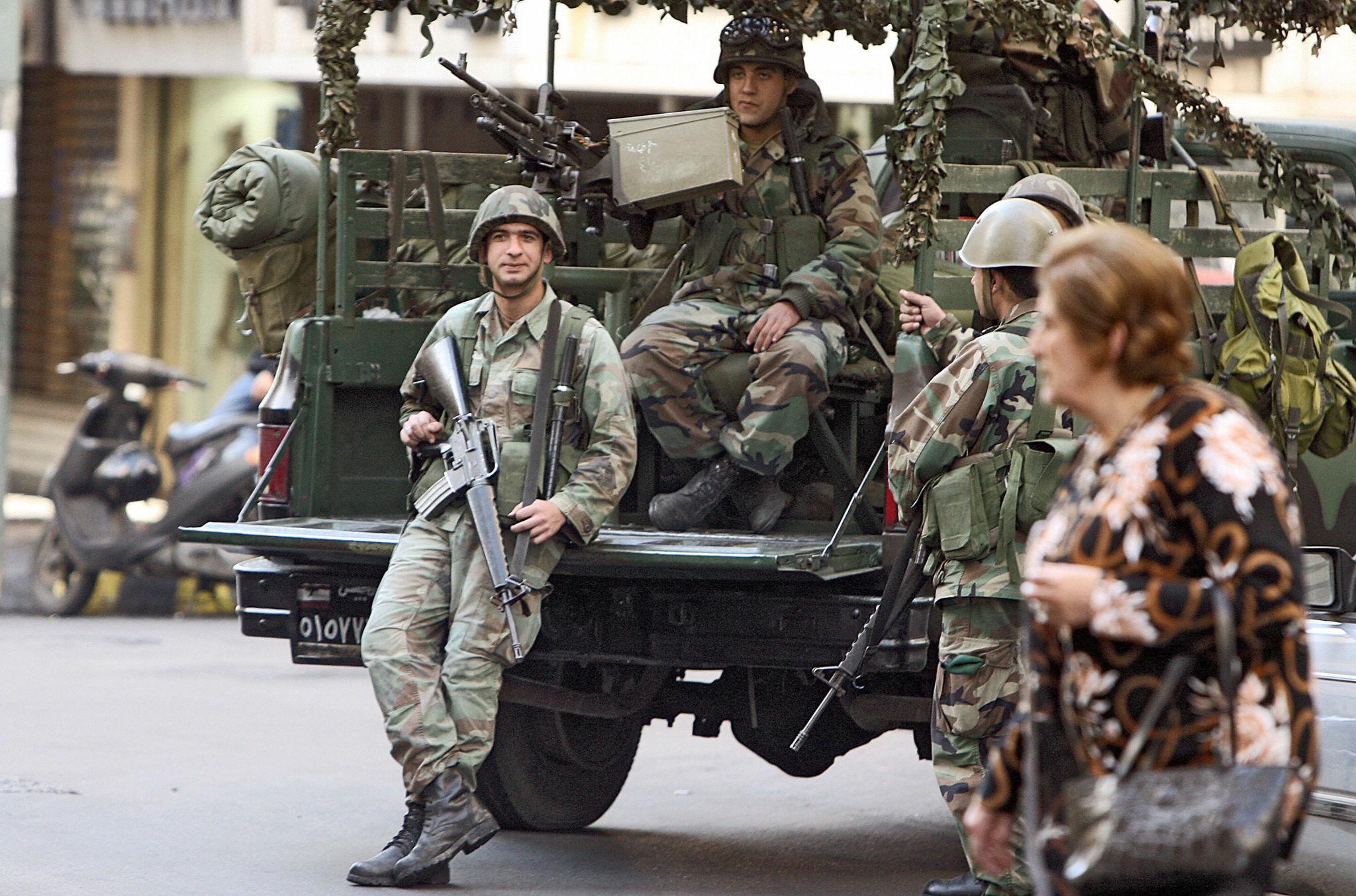
Beirut security tensions intensify in 2026 as Lebanon’s leadership urges restraint and national unity amid growing regional pressure.
Officials emphasize sovereignty and economic stability while increasing precautionary security measures across the capital.
Observers say careful diplomacy and internal cohesion will determine Lebanon’s path forward in the months ahead.
BEIRUT, Lebanon, February 28, 2026 — According to Parliament News, that Beirut security tensions have become a defining issue this year, as national leaders publicly urge restraint amid mounting regional uncertainty. In a carefully measured address, Lebanon’s prime minister warned against any steps that could draw the country into broader confrontations, emphasizing that stability remains the cornerstone of national survival.
The speech was delivered against a backdrop of shifting geopolitical developments across the Middle East. While no formal escalation has occurred within the capital, Beirut security tensions reflect the delicate balance Lebanon must maintain in a volatile environment. Officials reiterated that the country’s priority is to safeguard sovereignty, protect citizens, and prevent unnecessary entanglement in regional disputes.
The message resonated widely across political, economic, and civil society circles. For many Lebanese citizens, the call for calm reflects a deeply shared desire to avoid another cycle of instability.
Regional Pressures Shape National Concerns
Lebanon’s geographic and political positioning has historically placed it at the intersection of competing regional interests. Analysts note that Beirut security tensions are closely tied to developments unfolding beyond Lebanon’s borders, including diplomatic friction and evolving alliances.
Although daily life in the capital continues without large scale disruption, security agencies have increased monitoring around sensitive infrastructure and public institutions. These steps are described as precautionary, intended to reassure rather than alarm.
Political observers argue that Lebanon’s leadership is navigating a narrow path. Maintaining neutrality while preserving key relationships requires diplomatic precision. Beirut security tensions serve as a reminder that even indirect involvement in regional conflict can carry significant consequences for a country already managing internal challenges.
Economic Fragility Adds Urgency
Lebanon’s economic landscape remains fragile after years of financial strain. Inflation, currency depreciation, and public sector constraints have tested resilience across communities. In such an environment, Beirut security tensions carry amplified risk.
Investors are highly sensitive to political signals. Even rumors of escalation can trigger capital hesitation or market volatility. Business owners in central Beirut have expressed concern that uncertainty may slow commercial recovery.
Tourism, once a vital contributor to Lebanon’s economy, depends heavily on perceptions of safety. Beirut security tensions therefore extend beyond politics, touching livelihoods and household stability. Economic analysts stress that maintaining calm is essential to sustaining reform efforts and restoring confidence.
Public Sentiment in the Capital
In neighborhoods across Beirut, conversations reflect cautious awareness rather than panic. Residents continue their routines, yet many acknowledge underlying unease about the broader regional climate.
Community leaders have called for dialogue and patience. Social organizations are encouraging responsible communication to prevent misinformation from fueling fear. Beirut security tensions have become a topic of discussion in universities, workplaces, and family gatherings.
One senior official captured the prevailing mood by stating,
“Lebanon’s strength lies in choosing wisdom over impulse, and unity over division.”
The remark underscored the government’s effort to frame stability as a proactive strategy rather than a passive stance.
Government Strategy and Security Planning
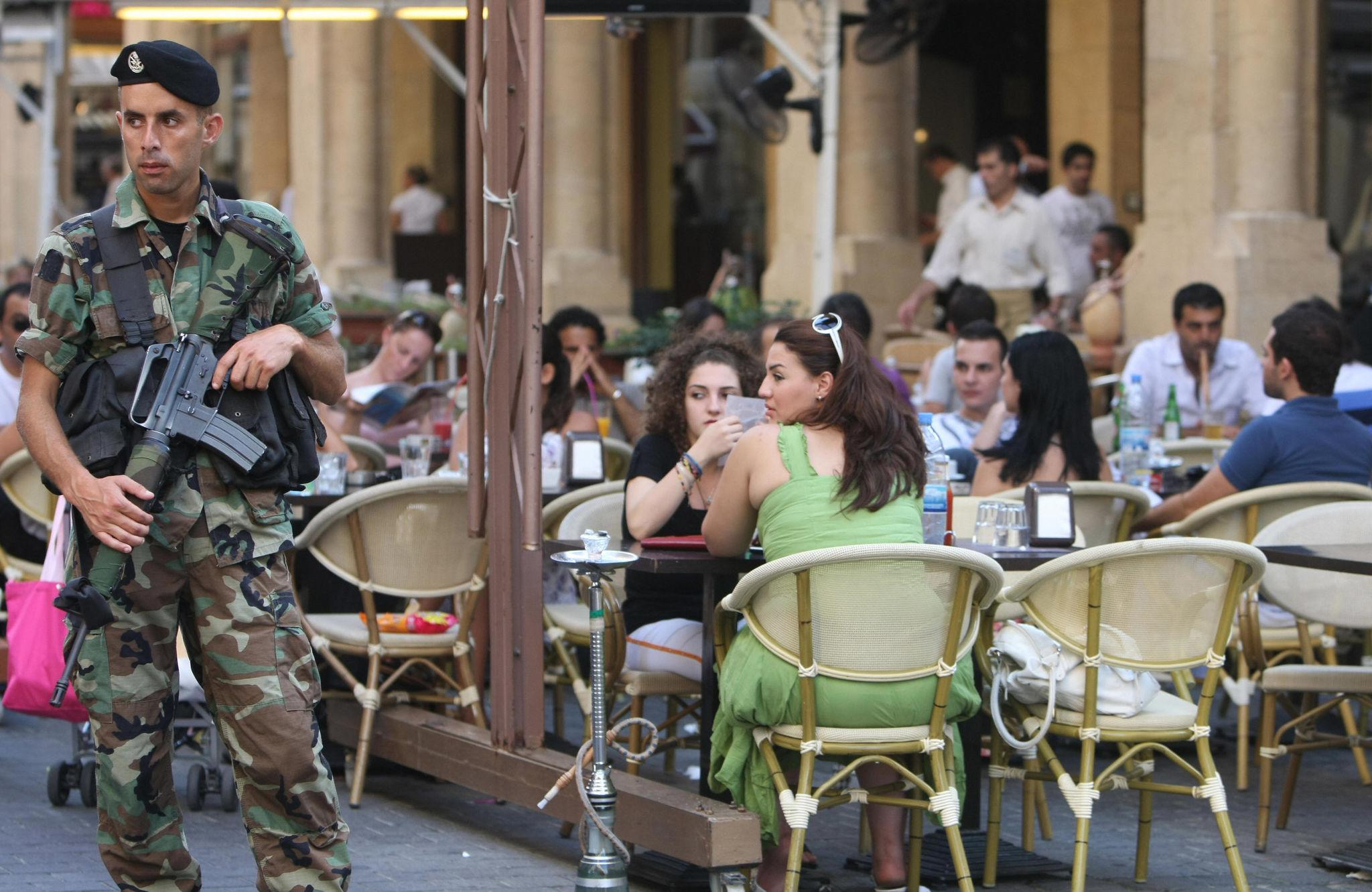
Authorities have quietly strengthened coordination among security agencies. Monitoring at transportation hubs, government buildings, and major commercial districts has increased as a preventive measure.
Beirut security tensions have not prompted emergency declarations or sweeping restrictions. Instead, officials describe their approach as calculated preparedness. Contingency planning ensures that responses can be deployed swiftly if necessary.
Defense analysts explain that visible readiness often serves as a deterrent. The objective is to maintain order without escalating rhetoric or actions that could heighten public anxiety.
Diplomatic Engagement as a Shield
Lebanon continues to prioritize diplomatic outreach. Officials are engaging regional partners and international stakeholders to reinforce commitments to dialogue and deescalation.
In diplomatic circles, Beirut security tensions are viewed within the broader framework of Middle Eastern geopolitics. Clear communication is essential to avoid misunderstandings that could trigger unintended consequences.
Foreign policy specialists suggest that Lebanon’s balanced messaging strengthens its credibility. By emphasizing sovereignty and restraint, the government signals its determination to protect national interests while contributing to regional stability.
Impact on Youth and Civil Society
Lebanon’s younger generation has grown up amid economic hardship and political uncertainty. For many students and entrepreneurs, the prospect of renewed instability raises concerns about opportunity and mobility.
Civil society organizations have launched awareness initiatives encouraging peaceful expression and fact based discussion. Beirut security tensions have also highlighted the importance of countering digital misinformation that can spread rapidly during uncertain times.
University professors note that transparency from authorities helps reduce speculation and fosters trust. Youth leaders emphasize that long term progress depends on consistent stability.
Markets Respond with Caution
Financial markets in Lebanon have shown measured stability, though risk assessments remain under review. Banking institutions report steady liquidity, while investors monitor developments carefully.
Beirut security tensions influence not only domestic markets but also perceptions among international partners. Credit assessments and foreign investment decisions often hinge on political stability indicators.
Business associations have urged policymakers to maintain steady communication with the private sector. Clear guidance can prevent unnecessary economic disruption and reassure stakeholders that contingency plans are in place.
Media Responsibility in a Sensitive Moment
Accurate reporting plays a vital role in shaping public perception. In times of uncertainty, responsible journalism can reduce speculation and prevent the amplification of unverified claims.
Beirut security tensions have generated extensive domestic and international coverage. Media analysts emphasize the need for context driven reporting that distinguishes between precautionary measures and active escalation.
Communication experts suggest that balanced narratives contribute to resilience by reinforcing trust between institutions and the public.
Historic Comparison Lessons from the Past
Lebanon’s modern history includes periods when regional spillovers had profound domestic consequences. During past episodes of instability, rapid escalation often followed diplomatic breakdowns and fragmented messaging.
Comparing earlier decades to 2026 reveals important lessons. Economic fragility magnifies the impact of political shocks. Fragmented governance weakens coordinated response. Public anxiety can rise quickly when communication lacks clarity.
Today’s leadership appears mindful of these precedents. By addressing concerns early and emphasizing restraint, officials aim to avoid repeating historical patterns. The contrast highlights how proactive engagement may prevent deeper crisis.
Regional Analysis and Strategic Calculations
Security analysts observe that Lebanon’s situation must be assessed within a complex regional framework. Multiple actors influence dynamics across borders, and strategic miscalculations can reverberate widely.
Beirut security tensions underscore the importance of measured decision making. Even symbolic actions can carry outsized diplomatic implications.
International think tanks note that Lebanon’s approach reflects a broader trend among smaller states seeking to maintain autonomy amid great power competition. The emphasis on sovereignty serves both domestic reassurance and international signaling.
Social Resilience and Community Strength
Despite recurring challenges, Lebanese society has demonstrated remarkable resilience. Families, businesses, and civic groups continue to adapt to shifting conditions.
Community initiatives promoting dialogue and cooperation have gained visibility in recent months. Beirut security tensions have prompted renewed emphasis on social solidarity.
Religious leaders, educators, and local officials have all contributed to reinforcing calm. Their collective messaging reinforces the idea that stability depends not only on government action but also on community responsibility.
The Psychological Dimension
Periods of heightened tension often carry psychological effects. Anxiety can spread quickly, particularly in societies with recent memories of conflict.
Mental health professionals in Beirut report increased conversations about stress management and coping strategies. Beirut security tensions serve as a reminder that security concerns are not purely physical or political, but also emotional.
Public awareness campaigns encourage individuals to rely on verified information sources and maintain balanced perspectives.
International Partnerships and Support
Global institutions have reaffirmed support for Lebanon’s stability. Humanitarian agencies and financial partners emphasize the importance of continuity in governance and reform implementation.
Beirut security tensions remain closely watched by international observers who recognize Lebanon’s strategic significance. Continued engagement aims to strengthen institutional resilience.
Foreign diplomats highlight the role of multilateral dialogue in preventing escalation. Collaborative frameworks can provide safeguards against miscommunication and unintended confrontation.
Leadership Messaging and Public Trust
Trust between citizens and leadership is essential during uncertain periods. Clear messaging can prevent rumor driven panic and strengthen collective resolve.
Beirut security tensions have prompted frequent updates from officials, reinforcing transparency. Public briefings aim to clarify precautionary measures and contextualize developments.
Political analysts argue that consistent communication enhances institutional credibility. When citizens feel informed, confidence in governance increases.
Economic Reform and Long Term Stability
Structural reforms remain central to Lebanon’s recovery agenda. Financial restructuring, fiscal discipline, and investment incentives are viewed as critical pillars.
Beirut security tensions complicate but do not halt reform efforts. Policymakers continue negotiations with international financial institutions, emphasizing commitment to long term stability.
Economists caution that sustained calm is indispensable to achieving durable growth. Stability provides the foundation upon which economic rebuilding can proceed.
A Nation at a Crossroads
Lebanon in 2026 stands at a crossroads between vulnerability and resilience. The convergence of regional pressure and domestic reform efforts demands careful navigation.
Beirut security tensions highlight both risks and opportunities. While challenges are evident, the emphasis on restraint suggests a deliberate strategy to avoid escalation.
Citizens across the country express hope that leadership decisions will prioritize national welfare above external influence.
Stability as Lebanon’s Strategic Choice
In the final analysis, Beirut security tensions represent more than a moment of concern. They symbolize a broader test of governance, unity, and foresight.
Lebanon’s leaders have framed stability as an active and strategic choice. By emphasizing dialogue, sovereignty, and economic protection, they aim to guide the country through uncertainty without surrendering autonomy.
The months ahead will determine whether this approach successfully preserves calm. For now, Lebanon’s course is defined not by confrontation but by caution, resilience, and collective responsibility.