Russia foreign ministry response intensifies in 2026 after the US strike on Iran, drawing sharp criticism from Moscow.
Officials warn that unilateral military actions risk destabilizing the Middle East and undermining international law.
Global leaders are closely monitoring developments as diplomatic tensions rise in Moscow 2026.
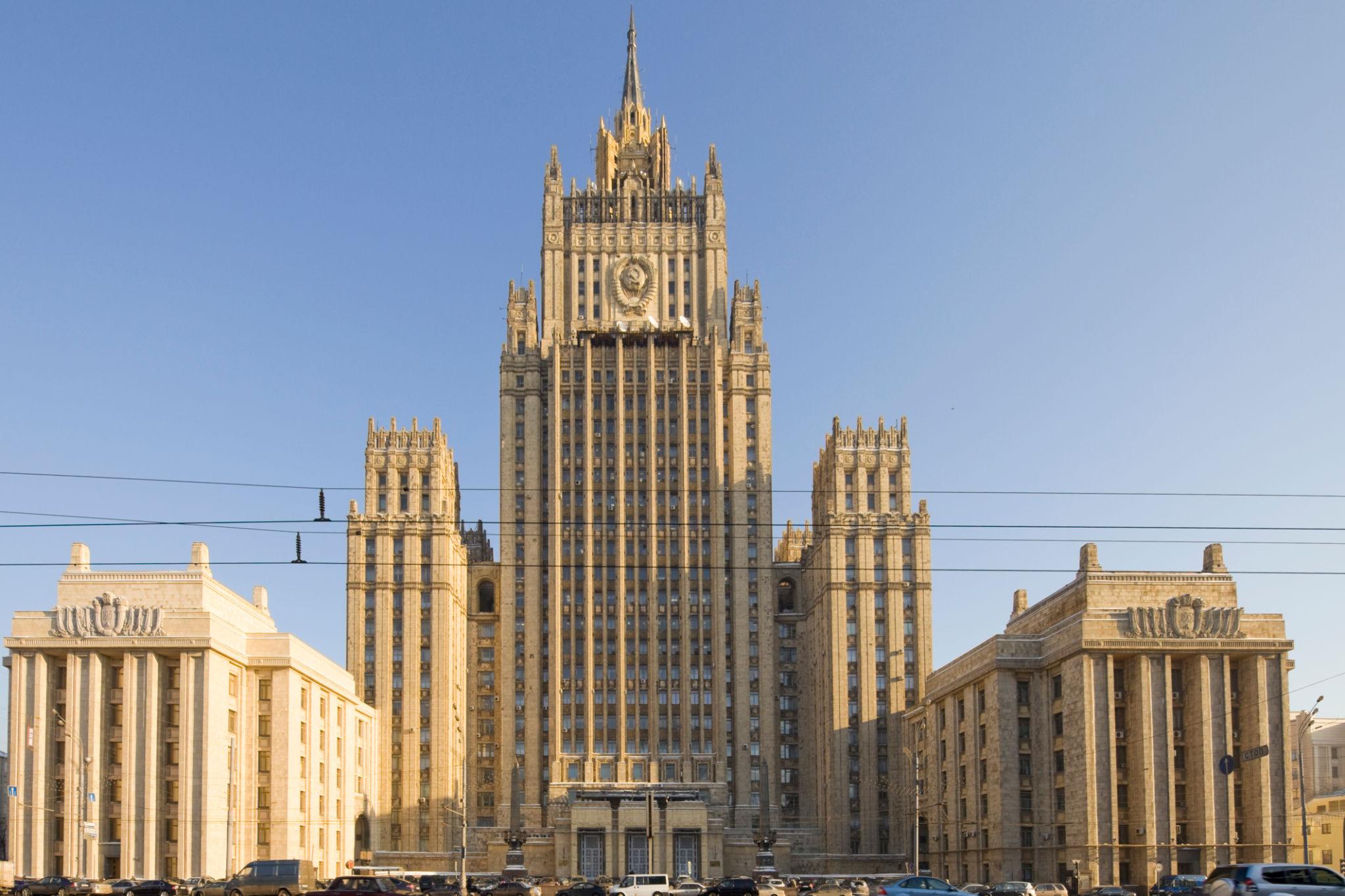
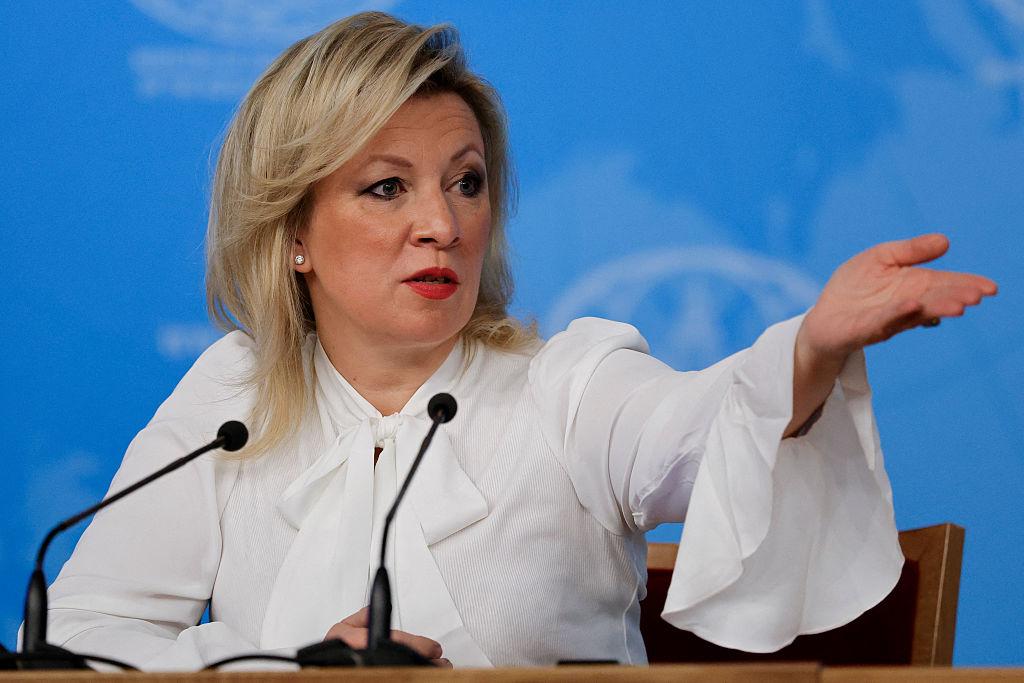
MOSCOW, Russia, February 28, 2026 — According to Parliament News, that The Russia foreign ministry response to the recent United States strike on Iranian targets has sharply intensified global diplomatic tensions. Delivered during a formal briefing in Moscow, the statement criticized Washington’s actions and warned that unilateral measures could destabilize an already fragile international environment.
Officials described the development as a turning point, not only for Middle East security but for broader relations between global powers. The Russia foreign ministry response framed the strike as a serious miscalculation with potential long term consequences. The tone was measured yet firm, signaling that Moscow views the event as part of a larger pattern of strategic rivalry.
International observers noted that the remarks quickly reverberated across diplomatic channels, prompting reactions from Europe, Asia, and the Middle East.
Official Position from Moscow
During the press conference, a senior spokesperson condemned the strike, arguing that such actions risk undermining established norms of sovereignty and international law. The Russia foreign ministry response emphasized that decisions affecting regional stability should involve multilateral consultation rather than unilateral force.
Officials stated that Moscow would continue engaging with regional partners to assess the situation and explore diplomatic alternatives. Analysts interpret this approach as an effort to position Russia as both a critic of escalation and a potential mediator.
The Russia foreign ministry response underscored the importance of dialogue, calling for emergency discussions within international forums to prevent further deterioration.
Washington’s Strategic Defense
The United States defended its action, asserting that it was designed to neutralize specific threats and deter further aggression. American officials described the strike as limited and proportionate.
Despite these assurances, the Russia foreign ministry response suggests Moscow perceives a broader strategic implication. Analysts argue that this exchange highlights deep mistrust between the two governments.
Diplomatic experts emphasize that both sides are aware of the risks of direct confrontation. Maintaining communication, even amid strong rhetoric, remains critical.
Regional Consequences and Middle East Stability
The Middle East has long been a focal point of geopolitical competition. The Russia foreign ministry response stressed that the strike could inflame existing tensions and disrupt delicate diplomatic balances.
Regional governments reacted cautiously, calling for restraint from all parties. Energy markets, heavily influenced by Middle Eastern stability, experienced immediate fluctuations.
The Russia foreign ministry response highlighted concerns that further escalation could destabilize not only Iran but neighboring states, potentially drawing additional actors into the crisis.
Economic Impact and Market Sensitivity
Global markets responded with uncertainty. Oil prices saw short term volatility, while currency markets adjusted to shifting risk perceptions.
The Russia foreign ministry response contributed to heightened attention in energy trading circles, particularly given Moscow’s role as a major global supplier. Analysts warned that sustained diplomatic tension could impact supply chains and investment decisions.
Financial institutions urged calm, noting that geopolitical risk often amplifies market instability beyond immediate events.
A Human Dimension Beyond Politics
While headlines focus on strategy and diplomacy, the consequences extend to ordinary citizens. Families in affected regions worry about safety and economic security.
The Russia foreign ministry response reflects geopolitical rivalry, yet beneath it lies a human reality. Communities dependent on stable trade routes, affordable energy, and secure borders are most vulnerable to prolonged uncertainty.
One senior Russian official summarized the situation by stating,
“Security cannot be imposed through force alone; it must be built through respect and dialogue.”
The remark encapsulated Moscow’s public stance and resonated beyond national borders.
Diplomatic Channels and International Institutions
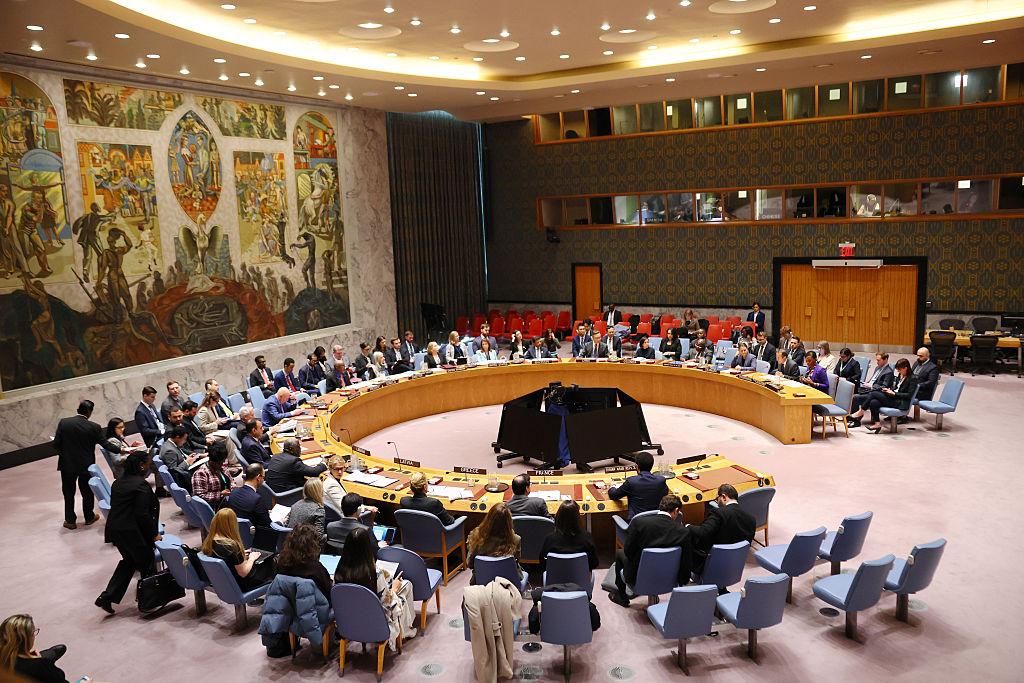
Global institutions have urged immediate dialogue. Emergency consultations within the United Nations and other multilateral bodies seek to prevent further escalation.
The Russia foreign ministry response reiterated Moscow’s commitment to international frameworks designed to manage conflict. Officials argued that bypassing collective security mechanisms undermines global trust.
Diplomats note that maintaining these channels, even during moments of sharp disagreement, reduces the risk of miscalculation.
Domestic Reaction in Russia
Within Russia, public commentary has largely aligned with official messaging. State media coverage emphasized concerns about destabilization and reinforced the narrative of defending international norms.
The Russia foreign ministry response has been portrayed domestically as a firm yet responsible reaction. Analysts observe that foreign policy crises often strengthen national unity around leadership positions.
However, some independent commentators have called for continued diplomatic engagement to avoid unintended consequences.
Strategic Rivalry and Global Power Dynamics
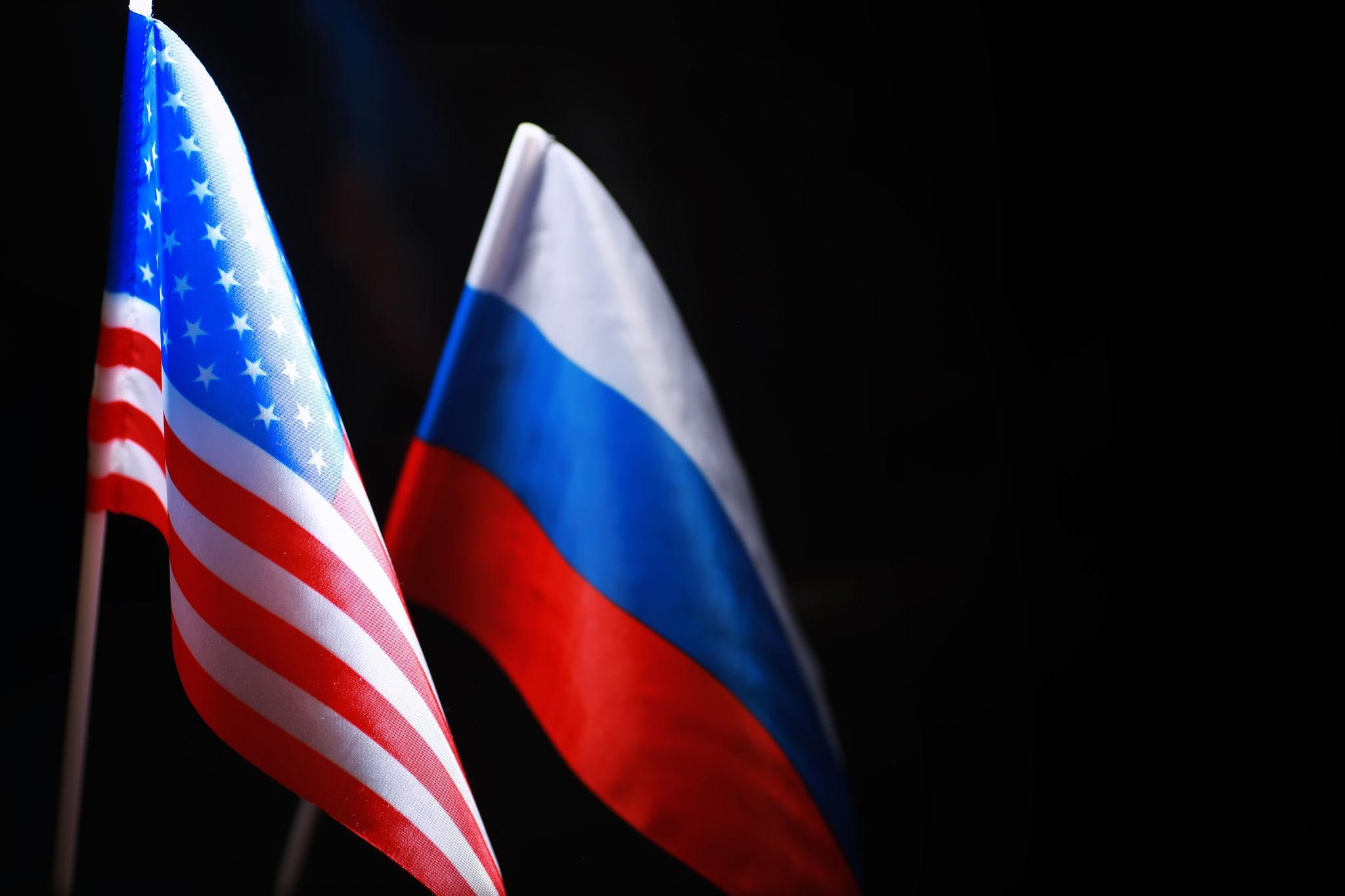
The relationship between Moscow and Washington has experienced cycles of tension over the past decade. Sanctions, military alliances, and regional conflicts have all contributed to fluctuating trust.
The Russia foreign ministry response fits within this broader context of strategic competition. While the immediate trigger was the strike on Iran, the underlying rivalry extends far beyond a single event.
Geopolitical experts suggest that both sides are recalibrating their global strategies amid shifting alliances and emerging powers.
Historic Comparison and Lessons from the Past
History offers sobering lessons about how quickly regional crises can escalate into broader confrontations. During previous decades, moments of unilateral action often triggered diplomatic breakdowns and prolonged instability.
Comparing the current situation to earlier Cold War era flashpoints reveals both similarities and differences. Today’s interconnected global economy increases the stakes of escalation. Energy markets, financial systems, and communication networks are far more integrated than in past eras.
The Russia foreign ministry response demonstrates an awareness of historical precedent. By publicly advocating restraint while maintaining a firm tone, Moscow signals its intent to avoid repeating patterns that once led to sustained global standoffs.
Energy Markets and Global Supply Chains
Energy remains a central factor in the unfolding situation. The Russia foreign ministry response indirectly touches on market implications, as any instability in the Middle East affects supply routes and pricing structures.
Oil exporting nations are carefully monitoring developments. Traders anticipate potential disruptions, though no immediate supply shortages have been reported.
Economic analysts emphasize that maintaining stable energy flows is essential to global recovery efforts in 2026.
Europe’s Delicate Position
European governments find themselves balancing transatlantic alliances with concerns about regional stability. Public statements from European leaders have emphasized deescalation and renewed dialogue.
The Russia foreign ministry response adds complexity to diplomatic coordination within Europe. While many nations support US security objectives, they also seek to prevent further deterioration of relations with Moscow.
Diplomatic experts believe Europe may play a mediating role in the weeks ahead.
The Role of Media and Public Perception
Media coverage shapes public understanding of international crises. Balanced reporting can reduce speculation, while sensationalism risks amplifying fear.
The Russia foreign ministry response has been widely reported across global news outlets. Analysts stress that context is critical to understanding the broader strategic environment.
Public perception often influences political decision making, especially in democratic societies.
Looking Ahead in 2026
As the year progresses, the Russia foreign ministry response may prove to be either a momentary escalation or a defining turning point. Diplomatic negotiations continue behind closed doors.
Both Moscow and Washington face strategic calculations. Escalation carries significant risks, yet backing down may appear politically costly.
Observers caution that the coming weeks will test the resilience of international diplomacy.
When Restraint Defines Strength
The unfolding events of 2026 highlight a central truth of global politics: strength is often measured by restraint rather than confrontation. The Russia foreign ministry response underscores Moscow’s determination to articulate its position clearly while advocating for dialogue.
Whether this episode marks a deepening divide or an opportunity for recalibration remains uncertain. What is clear is that global stability depends on deliberate choices, steady leadership, and sustained communication.
In a world increasingly shaped by rapid decisions and interconnected consequences, the ability to prioritize diplomacy may determine whether tensions escalate or give way to renewed cooperation.