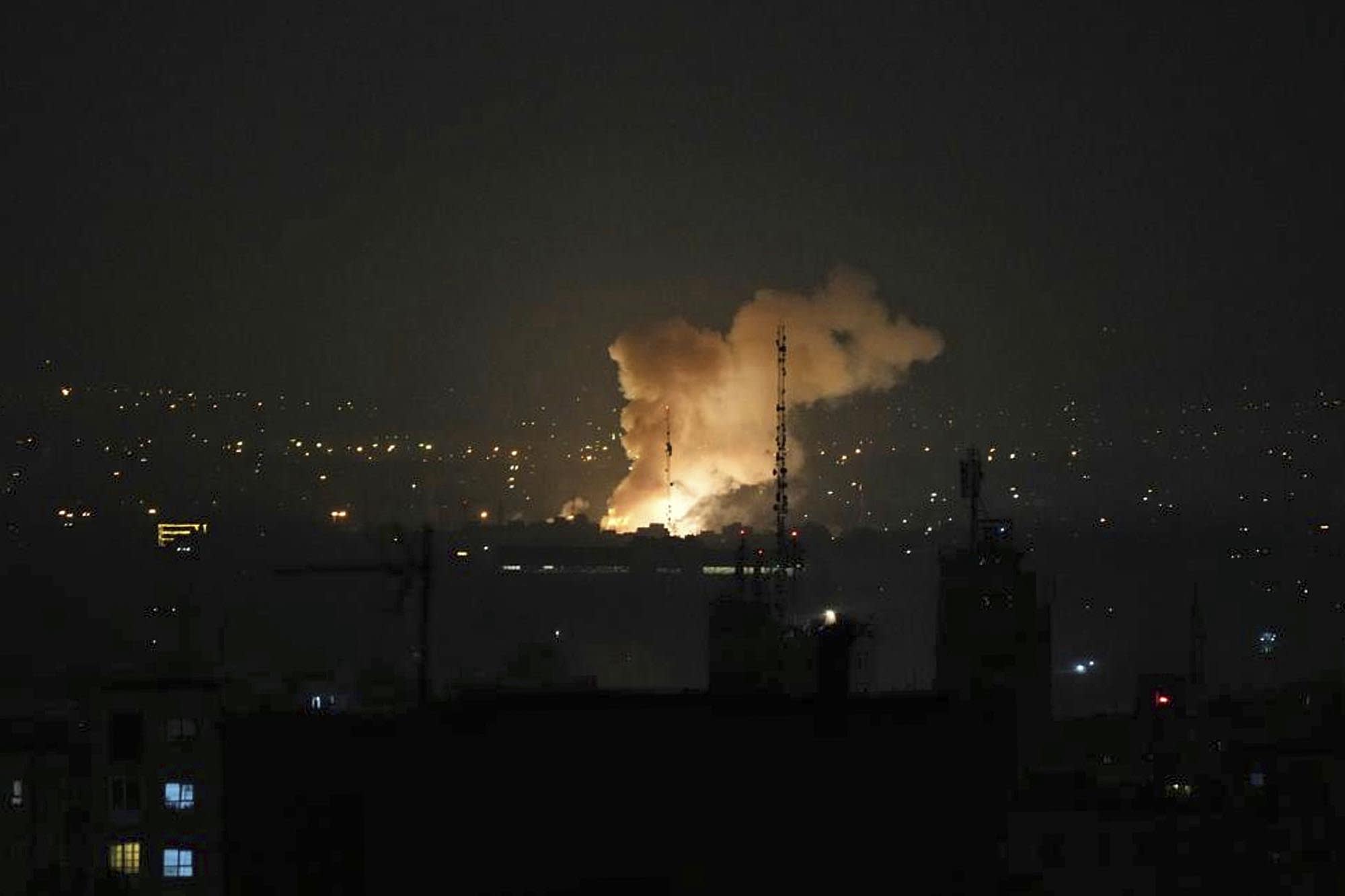
Gulf state explosions were reported in Bahrain late Tuesday, prompting heightened regional security alerts and global concern.
Authorities moved quickly to secure military and maritime zones as investigations into the blasts continue.
Energy markets and diplomatic channels remain on edge as leaders call for restraint – Bahrain 2026.
Manama, Bahrain — February 28, 2026 — Parliament News — that Gulf state explosions echoed across the island nation late Tuesday night, jolting residents awake and instantly drawing global attention. The blasts, reported near strategic coastal and military areas, marked one of the most serious security incidents in the Gulf region this year. Within minutes, emergency sirens pierced the air, and social media platforms filled with videos showing flashes in the night sky.
For many residents, the sudden noise shattered what had been an ordinary evening. Families gathered near windows, unsure of what was unfolding, while authorities moved swiftly to secure key installations. Gulf state explosions quickly became the defining headline across international news networks as governments began assessing both the immediate and long term implications.
A Night of Uncertainty
Witnesses described hearing multiple detonations spaced just seconds apart. Some reported feeling vibrations in apartment towers overlooking the harbor. Others said they saw streaks of light before the blasts occurred.
Security officials confirmed that defensive systems were activated shortly before the first explosion. Although details remain under investigation, the rapid response suggests that authorities had anticipated potential threats amid heightened regional tensions.
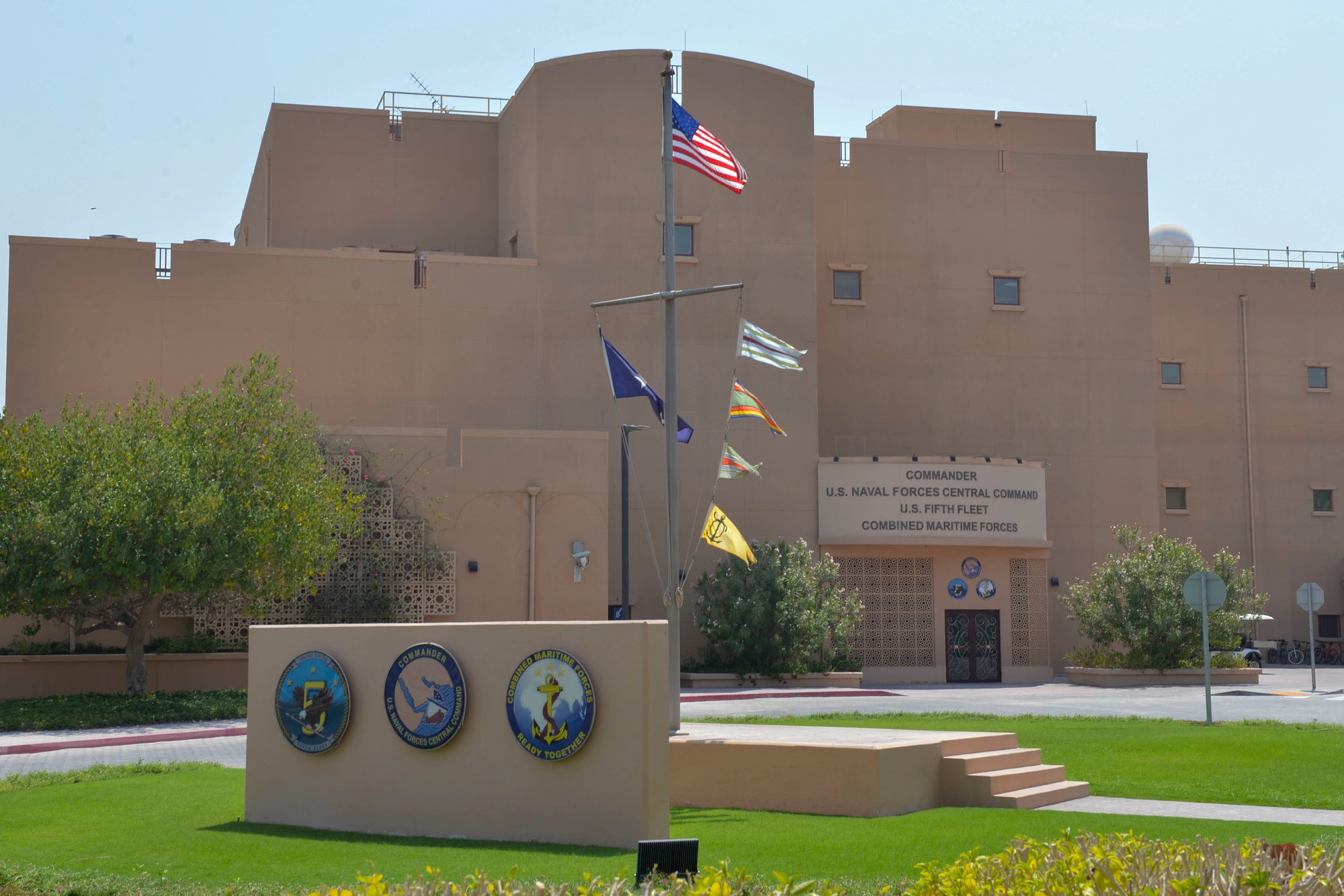
Gulf state explosions prompted temporary airspace restrictions and increased patrols along the coastline. Naval vessels stationed nearby were placed on elevated alert. Residents were urged to remain indoors until officials could verify that the immediate danger had passed.
Despite the fear, emergency services operated with visible coordination. Fire units, ambulances, and law enforcement teams were deployed within minutes. Hospitals shifted into precautionary readiness mode, though initial statements did not confirm significant casualties.
Strategic Importance of Bahrain
Bahrain occupies a uniquely strategic position in the Gulf. Situated near vital shipping lanes and energy transit routes, the island nation plays a central role in maritime security. Its harbor facilities and naval presence contribute to safeguarding international trade and regional stability.
When Gulf state explosions occur in such a location, the reverberations extend far beyond national borders. The Gulf region is deeply intertwined with global energy markets. Even minor disruptions can influence oil prices, insurance costs, and investor confidence.
Bahrain’s longstanding security partnerships have historically served as a stabilizing force. This incident, however, has underscored the fragility of that stability. The events of the night reminded observers that geopolitical tensions remain close to the surface.
Regional Reactions and Diplomatic Outreach
Within hours of the blasts, neighboring Gulf governments issued carefully worded statements expressing concern and solidarity. High level consultations were initiated through diplomatic channels.
Gulf state explosions triggered increased security measures in several coastal cities across the region. Authorities reinforced critical infrastructure, including airports, refineries, and power plants.
Diplomats emphasized restraint and dialogue. The Gulf has experienced periods of tension before, and regional leaders are acutely aware of how quickly miscalculations can escalate.
Behind closed doors, security advisors evaluated intelligence reports while foreign ministers engaged in urgent discussions. The overarching goal remained clear: prevent further escalation and maintain stability.
International Community Response
Global powers closely monitored developments as news of Gulf state explosions spread across headlines. The United Nations urged calm and called for transparent investigation.
Major economic hubs in Europe and Asia expressed concern about potential disruptions to shipping routes. Financial markets reacted cautiously in early trading sessions, reflecting uncertainty about the duration and severity of the crisis.
A senior regional official summarized the mood in one brief statement:
“Our responsibility is to protect civilians and prevent this moment from spiraling into something far more destructive.”
That single sentence captured the delicate balance facing decision makers.
Impact on Energy and Global Trade
The Gulf region supplies a significant portion of the world’s oil exports. Shipping lanes near Bahrain are among the busiest in global commerce.
Gulf state explosions immediately raised questions about the safety of maritime transit. Energy analysts pointed out that even temporary instability can send ripple effects through global markets.
Oil prices experienced short term fluctuations as traders evaluated potential supply risks. Insurance providers began reviewing maritime risk assessments. While no confirmed disruption to shipments was reported, the psychological impact on markets was undeniable.
Energy dependent economies watched closely. From airlines to manufacturing plants, countless industries rely on predictable energy flows originating from the Gulf.
Security and Military Readiness
Defense experts noted that regional forces were already operating under heightened vigilance. Advanced monitoring systems and patrol networks are standard in the Gulf’s strategic environment.
Gulf state explosions renewed discussions about missile defense integration and intelligence sharing among regional partners. Military analysts stressed that preparedness does not necessarily indicate escalation, but rather reflects an environment where rapid response is essential.
Naval vessels remained stationed near key shipping corridors, projecting stability while authorities conducted thorough assessments.
Civilian Experience and Public Sentiment
For ordinary residents, the experience was deeply personal. Parents comforted children startled by the noise. Shop owners wondered whether business would resume as usual the next day.
Gulf state explosions disrupted routines, but they also revealed resilience. By morning, many offices reopened, and public transportation resumed operations.
Social media posts showed a mixture of anxiety and solidarity. Community leaders encouraged calm, reminding citizens that institutions were functioning and that investigations were ongoing.
Human moments often define such crises. While geopolitical implications dominate headlines, the lived experience of residents provides the most immediate perspective.
Information Management in the Digital Era
In an age of instant communication, information travels faster than verification. Authorities emphasized reliance on official updates rather than unconfirmed reports.
Gulf state explosions became a trending topic globally within minutes. Videos circulated widely, though not all footage was verified.
Transparent communication proved vital in preventing panic. Regular briefings from officials helped maintain public trust during uncertain hours.
Media analysts observed that responsible reporting played a crucial role in shaping public perception. Clear language and avoidance of speculation helped prevent unnecessary alarm.
Broader Geopolitical Context
Tensions in the Middle East are shaped by decades of complex political dynamics. Strategic rivalries, economic sanctions, and shifting alliances all contribute to the regional landscape.
Gulf state explosions cannot be viewed in isolation. Observers point to a pattern of strategic signaling that has characterized relations among regional actors in recent years.
Diplomatic initiatives have sought to reduce friction, yet underlying disputes remain unresolved. The current crisis highlights how quickly stability can be tested.
Historic Comparison
History offers perspective. The Gulf has experienced previous security incidents that initially sparked fears of wider conflict but ultimately led to renewed diplomatic engagement.
In the late twentieth and early twenty first centuries, episodes of maritime tension and aerial confrontations raised similar alarms. Yet in several instances, regional and international actors chose negotiation over escalation.
Comparing those moments to today’s Gulf state explosions reveals both similarities and differences. Technology has evolved, making defensive systems more advanced. Information spreads more rapidly, amplifying global awareness. However, the fundamental lesson remains consistent: restraint often determines whether a crisis expands or subsides.
The present situation, while serious, exists within a historical pattern where calculated diplomacy has repeatedly prevented broader confrontation.
Economic Stability and Investor Confidence
Beyond immediate security concerns, the long term economic outlook depends heavily on stability.
Gulf state explosions temporarily unsettled investors, but markets often recalibrate once clarity emerges. Analysts suggest that sustained escalation would be required to significantly alter global economic trajectories.
Financial institutions emphasized diversification and resilience strategies, underscoring that global supply chains are complex but adaptable.
Diplomatic Pathways Forward
Diplomacy remains the primary avenue for de escalation. Regional organizations and international mediators continue engaging stakeholders.
Gulf state explosions may serve as a catalyst for renewed dialogue. Some experts argue that moments of tension can open opportunities for confidence building measures.
Communication channels remain active, and behind the scenes negotiations often progress more quietly than public headlines suggest.
Human Resilience Amid Regional Tension
Crises test institutions, but they also reveal community strength. Residents of Bahrain demonstrated composure as officials managed the aftermath.
Gulf state explosions were undoubtedly alarming, yet daily life continued. Schools reopened, businesses resumed, and public services functioned.
Such resilience reflects both preparation and determination. In regions accustomed to geopolitical complexity, citizens often develop a pragmatic understanding of uncertainty.
The Road Ahead
As investigations continue, policymakers face critical decisions. Military readiness must be balanced with diplomatic outreach. Public communication must remain transparent without inflaming tensions.
Gulf state explosions have already influenced regional security calculations. The coming weeks will determine whether the incident becomes a contained episode or a defining chapter in Gulf geopolitics.
Leaders understand that stability in this region carries global consequences. Maritime trade, energy markets, and international alliances intersect in these waters.
Ultimately, the path forward depends on restraint, dialogue, and the shared recognition that escalation benefits no one.
When the Gulf Holds Its Breath
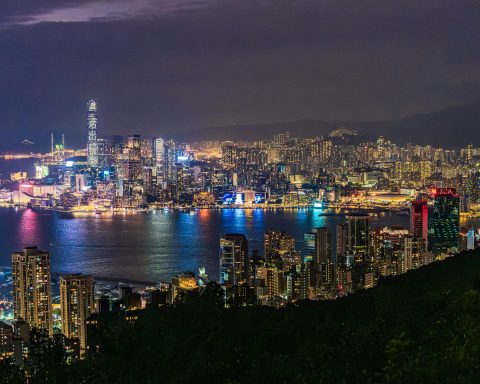
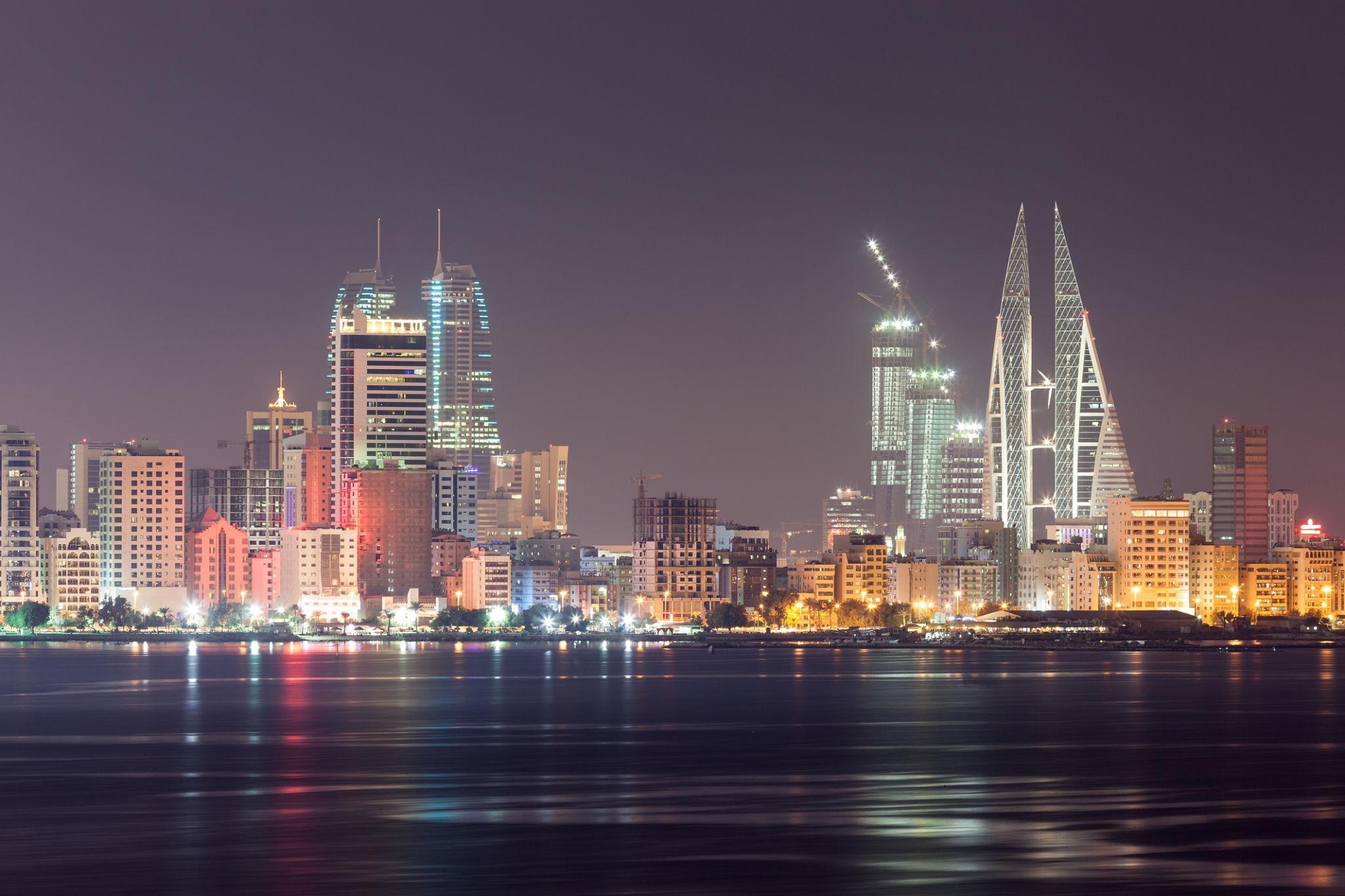
In the quiet hours after the blasts, the skyline of Manama stood illuminated against a calm sea. Ships remained anchored, and patrol lights flickered across the harbor.
Gulf state explosions may dominate headlines today, but tomorrow’s narrative will depend on choices made in conference rooms rather than on battlefields. Stability is rarely accidental; it is built through deliberate effort.
As the world watches, the hope remains that diplomacy will prevail over confrontation. In a region where history has repeatedly tested resolve, the commitment to peace remains the most powerful response.