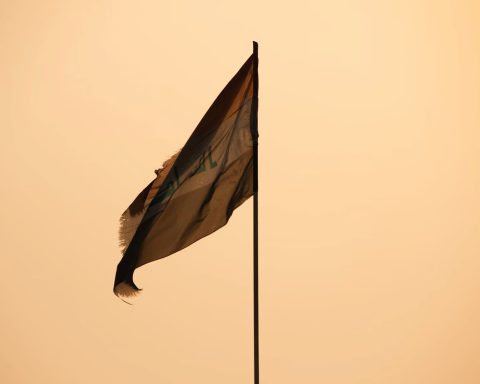
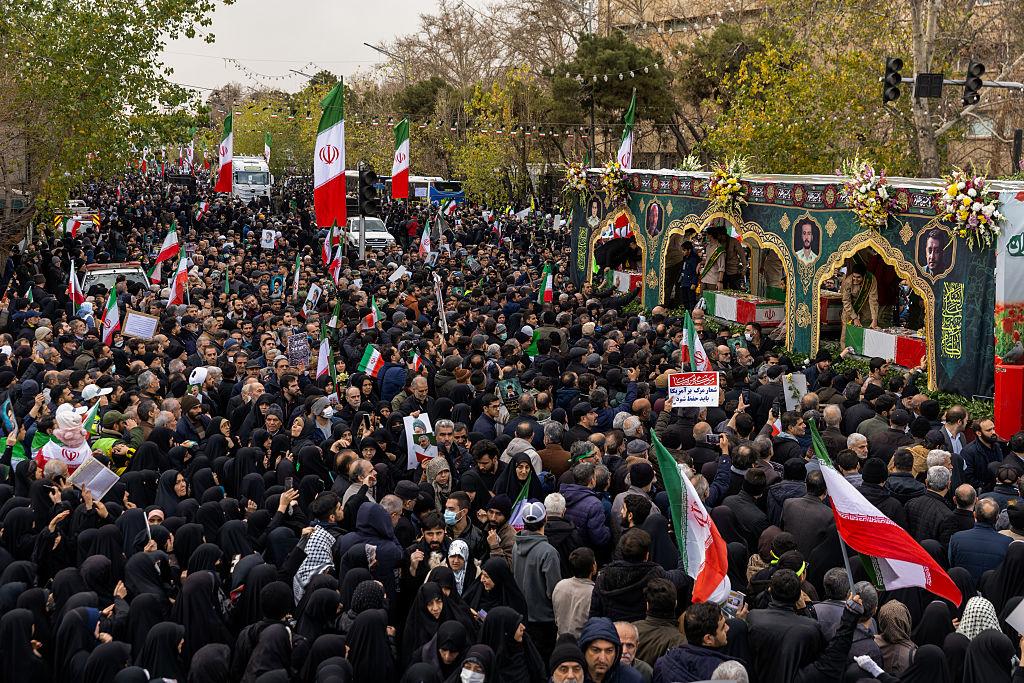
Islamabad, Baghdad, March 1, 2026 — According to Parliament News, that The Khamenei death reaction has rapidly unfolded across Pakistan and Iraq following confirmation of the influential leader’s passing. Within hours of official announcements, large gatherings formed in major cities, reflecting the depth of political and religious connections that extend beyond Iran’s borders. Security forces were deployed to sensitive areas as authorities called for calm while recognizing citizens’ right to assemble.
The Khamenei death reaction is not limited to emotional mourning. It represents a pivotal regional moment with political, diplomatic, and strategic implications. Governments throughout the Middle East are carefully observing developments as public demonstrations continue.
Rapid Mobilization in Pakistan
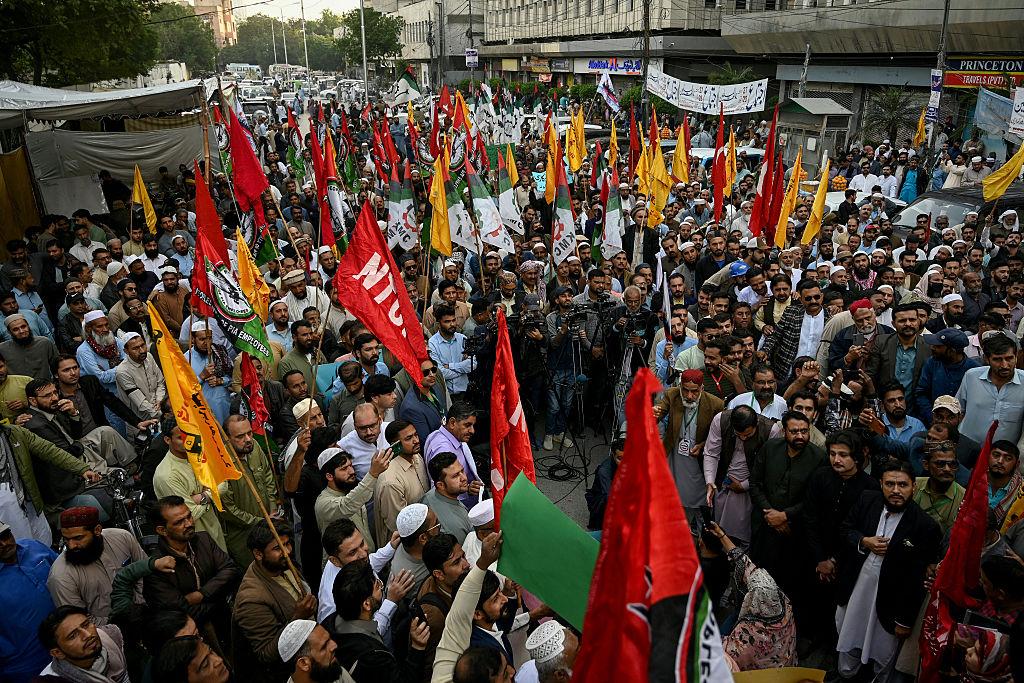
In Pakistan, rallies emerged in Islamabad, Lahore, Karachi, and Quetta. Religious leaders addressed crowds outside mosques, while community organizers coordinated peaceful marches through central districts. Participants carried portraits and flags, describing their presence as a gesture of solidarity and respect.
Officials emphasized that demonstrations must remain peaceful. Law enforcement agencies maintained visible patrols near government buildings and foreign missions. Traffic diversions were introduced to prevent congestion and reduce the risk of confrontation.
Analysts note that Pakistan has longstanding political and religious ties that help explain the scale of the Khamenei death reaction. For many citizens, the moment carries symbolic meaning that transcends national boundaries.
Public Response in Iraq
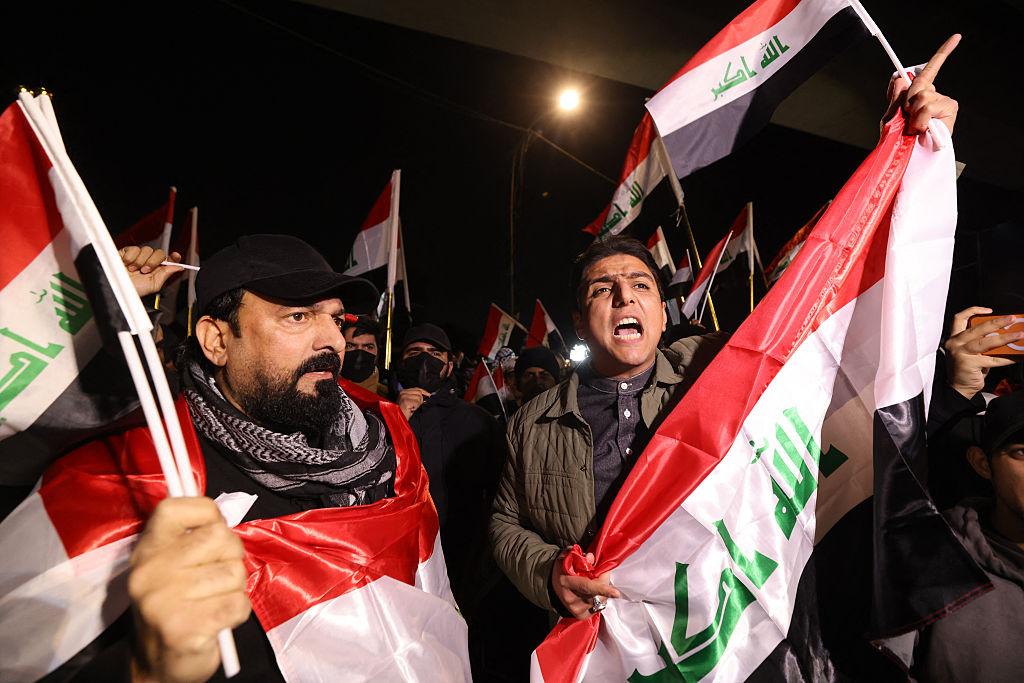
In Iraq, gatherings were especially prominent in Baghdad and Najaf. Clerical leaders delivered statements emphasizing unity and caution. The atmosphere ranged from solemn vigils to more vocal political expressions.
The Khamenei death reaction in Iraq highlights the country’s complex political landscape. Some factions maintain close ideological alignment with Tehran, while others advocate a more independent approach. Demonstrations revealed both unity and underlying divisions.
Authorities coordinated with federal security forces to maintain order. Officials confirmed that most protests remained orderly, though precautionary measures remain in effect.
Government Measures and Stability Efforts
Governments in both countries issued formal statements urging restraint. Leaders stressed the importance of peaceful expression while discouraging any actions that could destabilize communities.
Security agencies increased monitoring of public spaces and digital platforms. Officials emphasized that maintaining stability during emotionally charged moments is critical for economic continuity and public safety.
The Khamenei death reaction has also prompted diplomatic conversations among regional governments. Leadership transitions often reshape strategic alliances, and policymakers are assessing potential outcomes.
Regional Political Implications
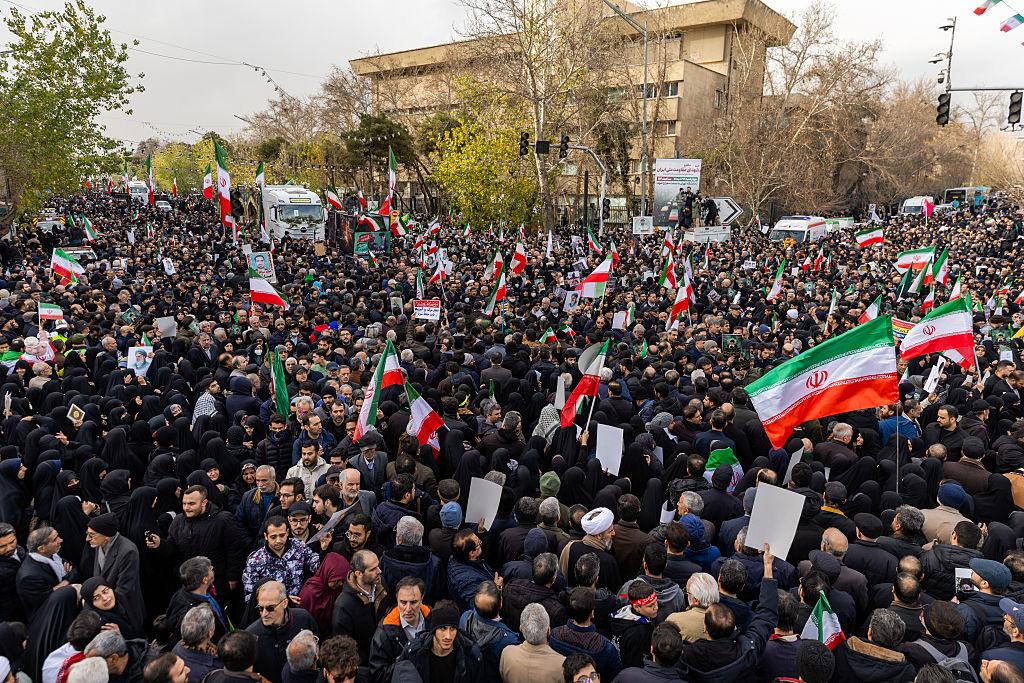
The broader regional implications of the Khamenei death reaction are significant. Leadership change in a major political and religious institution often influences foreign policy and internal dynamics.
Observers suggest that diplomatic recalibrations may follow in the coming months. Regional alliances could shift depending on the direction of new leadership and public sentiment.
Political analysts caution that while public demonstrations are visible indicators of emotion, long term consequences will depend on strategic decisions made behind closed doors.
Social Media Amplification
Digital platforms played a central role in organizing gatherings. Hashtags related to the Khamenei death reaction trended quickly, enabling rapid mobilization. Videos and photographs of rallies circulated globally, drawing international attention.
Authorities warned against misinformation and urged citizens to verify information through official channels. Online discourse reflected a mix of mourning, political commentary, and debate about the future.
The speed at which information traveled underscores how modern technology shapes public reaction during pivotal events.
Economic Considerations
Temporary business closures and transportation disruptions were reported in some districts. Economists warn that prolonged instability could impact commerce, particularly in urban centers where demonstrations are concentrated.
Officials reassured citizens that essential services remain operational. Maintaining economic continuity remains a priority amid heightened security.
The Khamenei death reaction illustrates how political developments can intersect with daily economic life.
International Monitoring
Global governments are closely monitoring developments. Diplomatic missions issued travel advisories encouraging caution in affected areas.
International organizations have emphasized peaceful transition and stability. Analysts believe that the regional response will influence broader geopolitical narratives.
Foreign policy experts indicate that moments of leadership transition often serve as inflection points in international relations.
Historic Comparison
The current Khamenei death reaction invites comparison to previous regional leadership transitions that reshaped political landscapes. When influential figures in the Middle East have passed in past decades, public mourning frequently evolved into broader political discourse. For example, earlier transitions in regional leadership have led to recalibration of alliances, shifts in domestic policy direction, and renewed debates about governance structures.
In those historical moments, public gatherings often symbolized more than grief; they reflected collective reflection on identity and future direction. Similarly, the present developments may signal not only emotional response but also the beginning of a strategic reassessment across borders.
Voices From the Ground
Amid the gatherings, participants expressed varied motivations. Some described attending purely out of respect, while others emphasized political solidarity.
One demonstrator in Baghdad stated,
“We gather in this moment not only to mourn but to reflect on what this transition means for our future.”
This single voice captures the blend of emotion and contemplation shaping public discourse.
Security Outlook and Future Developments
Authorities continue to monitor conditions closely. Additional deployments remain in place to prevent escalation. Analysts expect that the intensity of protests may gradually decline as official ceremonies conclude and new leadership structures become clearer.
However, the Khamenei death reaction may influence regional dialogue for months to come. Public sentiment often shapes political momentum, especially during transitional periods.
Observers emphasize that maintaining open communication and stability will be critical to preventing unrest from escalating.
Broader Regional Reflection
Beyond immediate protests, the Khamenei death reaction underscores the interconnected nature of Middle Eastern politics. Events in one country can quickly reverberate across borders due to shared religious, cultural, and strategic ties.
Communities are navigating a period of uncertainty while governments aim to preserve order. Regional leaders face the challenge of balancing public emotion with pragmatic policy decisions.
Strategic Implications for Diplomacy
Diplomatic analysts note that transitional periods frequently open opportunities for recalibration. New leadership may adopt different approaches to foreign policy, regional partnerships, or domestic governance.
The Khamenei death reaction will likely remain a reference point in diplomatic discussions throughout 2026. Governments are assessing how evolving public sentiment might influence policy.
International observers suggest that stability during transition will shape perceptions of regional resilience.
Media Coverage and Global Perception
International media outlets have highlighted images of large crowds and security deployments. Coverage often frames the Khamenei death reaction as a test of regional stability.
Public perception abroad may influence diplomatic engagement and economic considerations. Analysts stress the importance of accurate reporting during sensitive periods.
A Defining Moment for 2026
As 2026 unfolds, the Khamenei death reaction stands as a defining regional event. It combines public emotion, political calculation, and strategic uncertainty into a single historic chapter.
Whether demonstrations fade quickly or influence long term shifts remains uncertain. What is clear is that the moment has captured global attention.
Governments continue to emphasize calm, dialogue, and orderly transition. Communities reflect on legacy while contemplating the future.
The Khamenei death reaction represents more than immediate protests in Pakistan and Iraq. It symbolizes a broader regional crossroads marked by reflection, uncertainty, and recalibration. Public gatherings have largely remained peaceful, but the political implications extend far beyond the streets.
As leaders navigate transition and citizens process change, the region enters a period that could redefine alliances and policy direction. The coming months will determine how this moment shapes the trajectory of 2026 and beyond.