

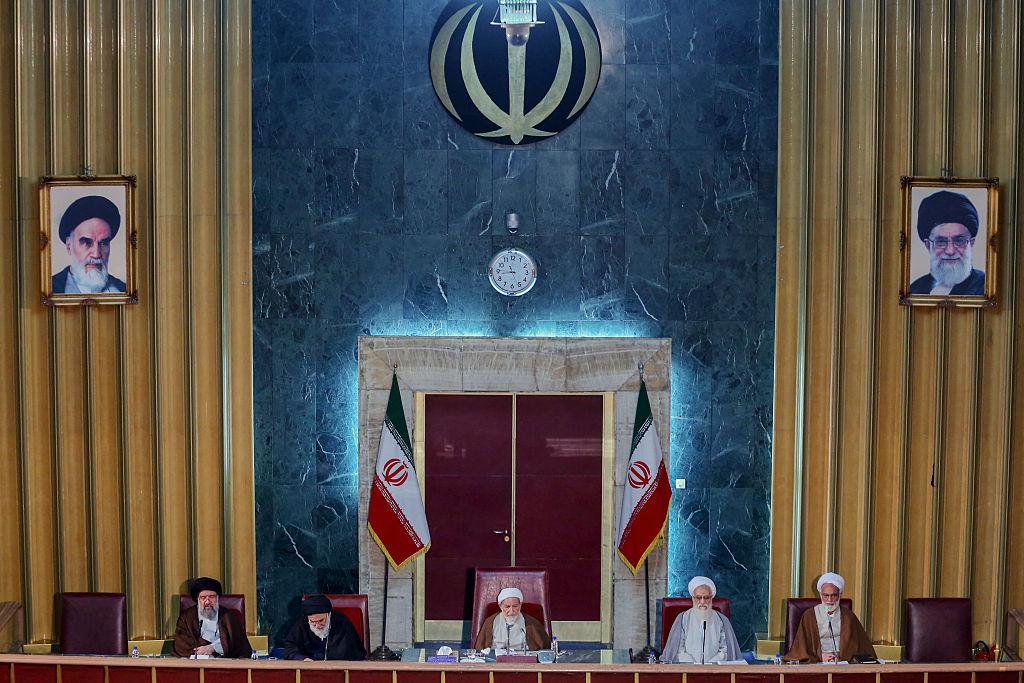
Iran leadership shift in 2026 places Tehran at the center of global political focus.
Officials emphasize stability as institutional transition moves forward.
Regional powers monitor developments amid evolving diplomatic dynamics.
Tehran, March 1, 2026 — According to Parliament News, that The Iran leadership shift unfolding this year represents one of the most significant political developments in the country’s modern era. As institutions respond to a pivotal transition, attention has centered on how the established power structure will adapt while maintaining stability. Government officials, clerical authorities, and security leaders have emphasized continuity, but the broader implications of this Iran leadership shift extend far beyond formal succession.
The events of 2026 have placed Tehran firmly in the international spotlight. Observers across the Middle East and beyond are closely monitoring the recalibration of authority and influence that accompanies the Iran leadership shift. At stake is not only domestic political stability but also the country’s strategic posture within a complex regional landscape.
Constitutional Foundations and Institutional Continuity
Iran’s political system combines elected offices with clerical oversight and advisory bodies. The Iran leadership shift activates constitutional mechanisms designed to prevent disruption and ensure continuity. The Assembly of Experts, senior jurists, and key administrative institutions play defined roles during periods of transition.
Officials have emphasized that governance structures remain intact and functional. Ministries continue routine operations, and public services have not been interrupted. This orderly process aims to reinforce public confidence during the Iran leadership shift.
Institutional resilience is often tested during moments like these. The ability to maintain stability reflects the strength of procedural frameworks established over decades.
Emerging Political Dynamics
The Iran leadership shift has prompted renewed discussions about political alignment within the country’s conservative and reformist camps. Influential figures with experience in legislative and diplomatic arenas have gained prominence in strategic conversations.
Policy analysts suggest that transitional periods often elevate pragmatic leaders capable of bridging ideological divides. Internal deliberations are reportedly focused on balancing continuity with measured adaptation to new realities.
The Iran leadership shift therefore represents both preservation and recalibration. Leaders must reassure domestic audiences while signaling predictability to international partners.
Public Reaction in Tehran
In Tehran, public gatherings have remained measured and largely peaceful. Security forces maintained a visible presence around government buildings, but daily life has continued without major disruption.
Citizens have expressed cautious optimism alongside uncertainty. Many view the Iran leadership shift as a moment of reflection about national direction and generational change.
One resident near the capital’s central district remarked,
“Transitions are never simple, but we hope this period strengthens our institutions rather than weakens them.”
This sentiment captures the mood of quiet anticipation that defines the public atmosphere.
Regional Implications
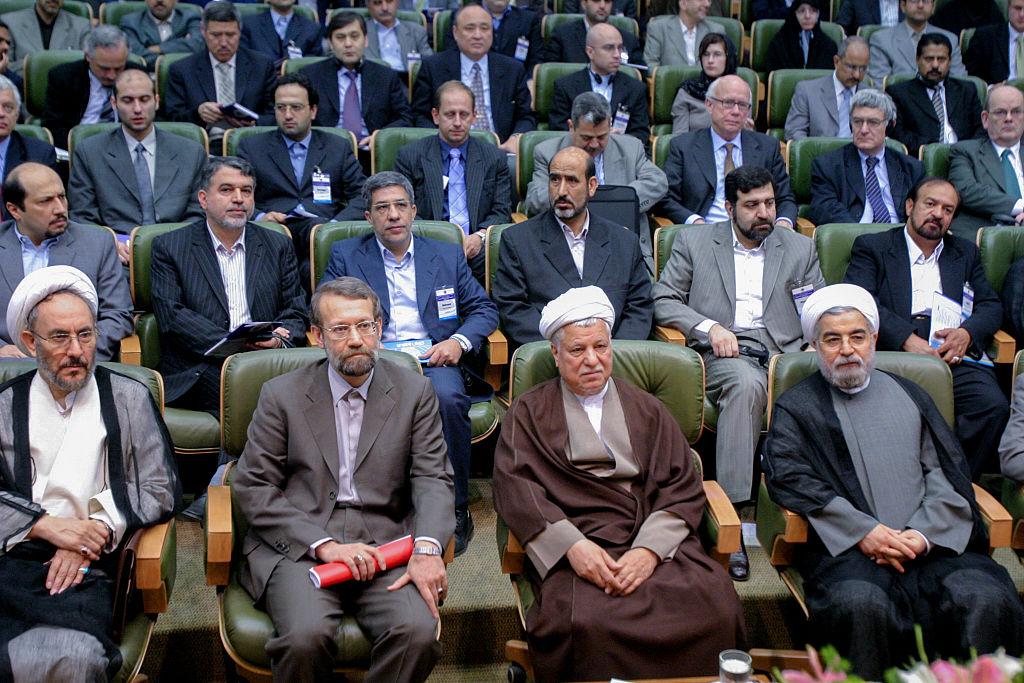
The Iran leadership shift carries substantial implications for regional diplomacy. Neighboring governments are assessing how policy continuity or adjustment might affect alliances and negotiations.
Iran plays a critical role in Middle Eastern geopolitics, including energy markets and strategic partnerships. A stable transition may reassure regional actors, while policy adjustments could open new diplomatic channels.
Experts note that the Iran leadership shift does not automatically imply dramatic change in foreign policy. However, transitional moments often invite reassessment of long standing positions.
Economic Considerations and Market Stability
Economic stability remains central during the Iran leadership shift. Currency markets, trade flows, and domestic production depend on predictable governance.
Officials have reiterated commitments to maintaining fiscal discipline and operational continuity. Financial institutions report steady operations, with no widespread disruptions observed thus far.
Economic analysts argue that investor confidence hinges on clarity. The deliberate pace of the Iran leadership shift appears designed to minimize uncertainty and prevent volatility.
Media Landscape and Information Flow
Coverage of the Iran leadership shift has dominated national and international headlines. Domestic media outlets emphasize constitutional process and unity, while global platforms analyze potential geopolitical ramifications.
Authorities have urged reliance on verified information to prevent misinformation. Transitional periods can amplify speculation, making accurate reporting especially important.
Digital platforms have also played a role in shaping public conversation. Social media discussions reflect both analytical perspectives and emotional reactions.
Security Measures and Governance
Security institutions have implemented precautionary measures to ensure public order. Increased patrols in central Tehran and around official buildings are consistent with standard protocol during major national developments.
Officials stress that peaceful assembly remains protected, but disruptions will not be tolerated. The objective is to maintain an environment of calm during the Iran leadership shift.
Governance structures continue to function normally. Ministries and administrative agencies have reported no interruption in service delivery.
Historic Comparison
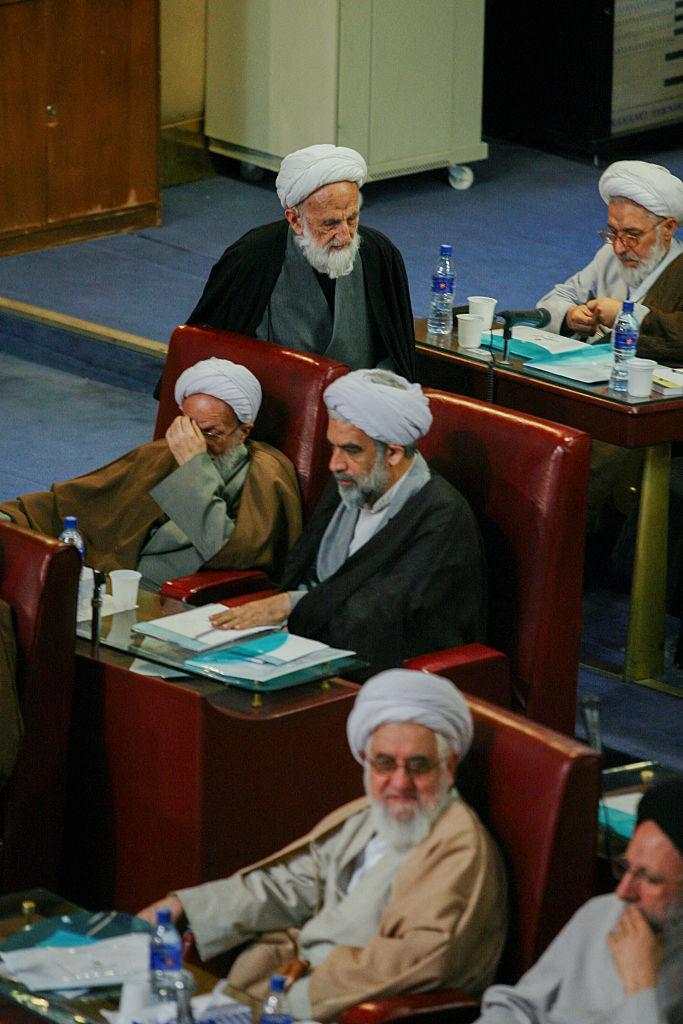
The Iran leadership shift of 2026 invites comparison to previous moments of transformation in the nation’s political history. Leadership transitions in earlier decades reshaped institutional frameworks and redefined national priorities. In those periods, public uncertainty was accompanied by intense political deliberation behind closed doors.
While each era carries its own context, historical precedent demonstrates that Iran’s political system has repeatedly adapted to change while preserving core structures. The present Iran leadership shift mirrors those earlier transitions in its emphasis on continuity, institutional strength, and measured decision making.
Diplomatic Calculations
International observers are evaluating how the Iran leadership shift may influence negotiations on trade, regional security, and multilateral agreements. Diplomatic missions in Tehran report a cautious but steady atmosphere.
Experts suggest that transitional periods can create opportunities for recalibration. However, any adjustments typically unfold gradually rather than abruptly.
The Iran leadership shift may shape diplomatic engagement throughout 2026, especially in discussions involving energy exports and regional security arrangements.
Domestic Reform Debates
Moments of transition often revive debates about governance and reform. The Iran leadership shift has prompted conversations among policymakers regarding economic modernization and administrative efficiency.
While no sweeping reforms have been announced, analysts believe that incremental adjustments may emerge once leadership clarity solidifies.
Balancing reform with stability remains the central challenge. Policymakers appear determined to avoid abrupt changes that could unsettle public confidence.
Institutional Resilience
The orderly progression of the Iran leadership shift underscores institutional resilience. Despite intense scrutiny, governance mechanisms continue to function within established parameters.
Public messaging emphasizes unity and national continuity. Observers note that maintaining confidence in institutions is critical during transitional periods.
The Iran leadership shift highlights the importance of structured decision making in moments of uncertainty.
Global Perception and Strategic Messaging
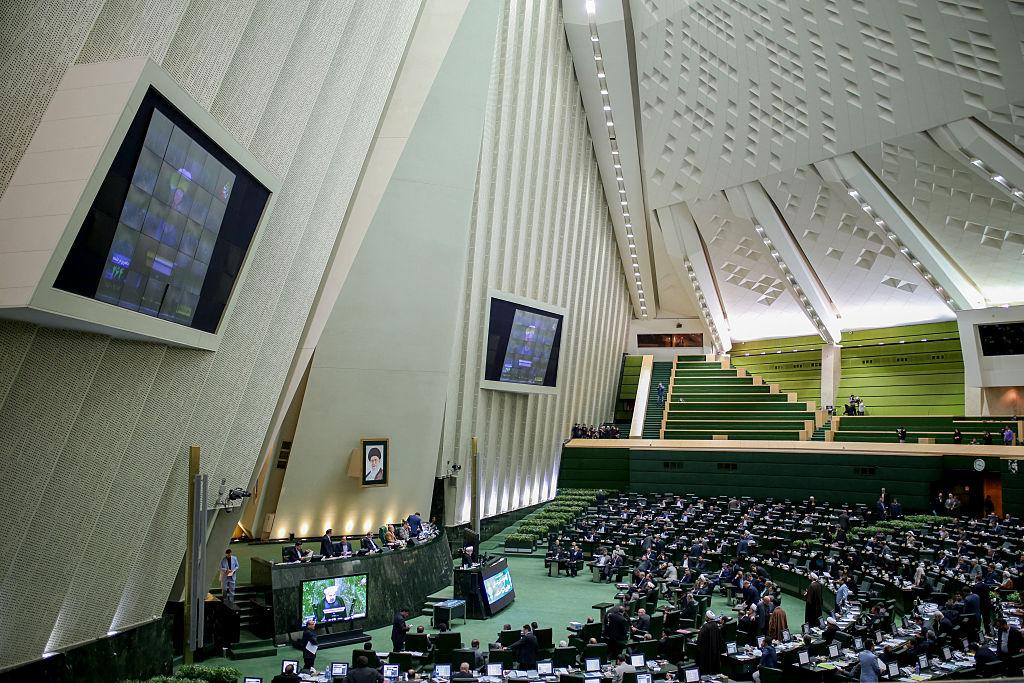
International media portray the Iran leadership shift as a defining event for 2026. Coverage often focuses on potential geopolitical ripple effects.
Tehran’s strategic messaging has centered on stability and constitutional adherence. By reinforcing procedural legitimacy, officials aim to reassure both domestic and foreign audiences.
Perception plays a significant role in global diplomacy. A calm and deliberate transition can strengthen credibility on the international stage.
Long Term Outlook
Looking ahead, the Iran leadership shift may influence domestic governance and foreign relations for years to come. While immediate continuity appears likely, gradual recalibration remains possible.
Analysts predict that policy adjustments, if any, will be measured and strategic rather than sweeping. Stability remains the priority as 2026 unfolds.
The Iran leadership shift ultimately represents a defining chapter in national evolution, combining institutional continuity with cautious adaptation.
Beyond Transition: Defining a New Chapter
The Iran leadership shift stands as more than a procedural event. It marks a moment when institutional resilience, public expectation, and geopolitical strategy converge. As Tehran navigates 2026, the transition serves as a reminder that governance systems are measured not only by their leaders but by their ability to endure change.
History shows that transitional periods can either destabilize or strengthen nations. The manner in which the Iran leadership shift unfolds will determine which path prevails. For now, measured stability defines the narrative, while the world watches to see how this chapter shapes the nation’s future trajectory.