

Tokyo, Japan – March 1, 2026 – According to Parliament News, that Seismic Activity in Japan intensified this week after a series of offshore tremors were recorded east of the capital, prompting infrastructure inspections, transportation pauses, and renewed attention to national preparedness systems. Authorities confirmed that the earthquakes were strong enough to be widely felt across Tokyo and neighboring prefectures, yet no catastrophic structural damage or large-scale casualties were reported.
The tremors, measured at moderate magnitudes, originated along active tectonic boundaries beneath the Pacific Ocean. Japan’s meteorological monitoring network detected the seismic waves instantly, triggering early warning alerts across mobile devices, broadcast systems, and public transportation networks. High-speed trains automatically reduced speed, airport operations conducted precautionary checks, and municipal authorities began structural inspections within minutes.
Officials emphasized that the response reflected established protocol rather than emergency escalation. Japan’s approach to earthquake management is built on anticipation and rapid verification, ensuring that even moderate events are handled with discipline and transparency.
Geographic and Geological Context
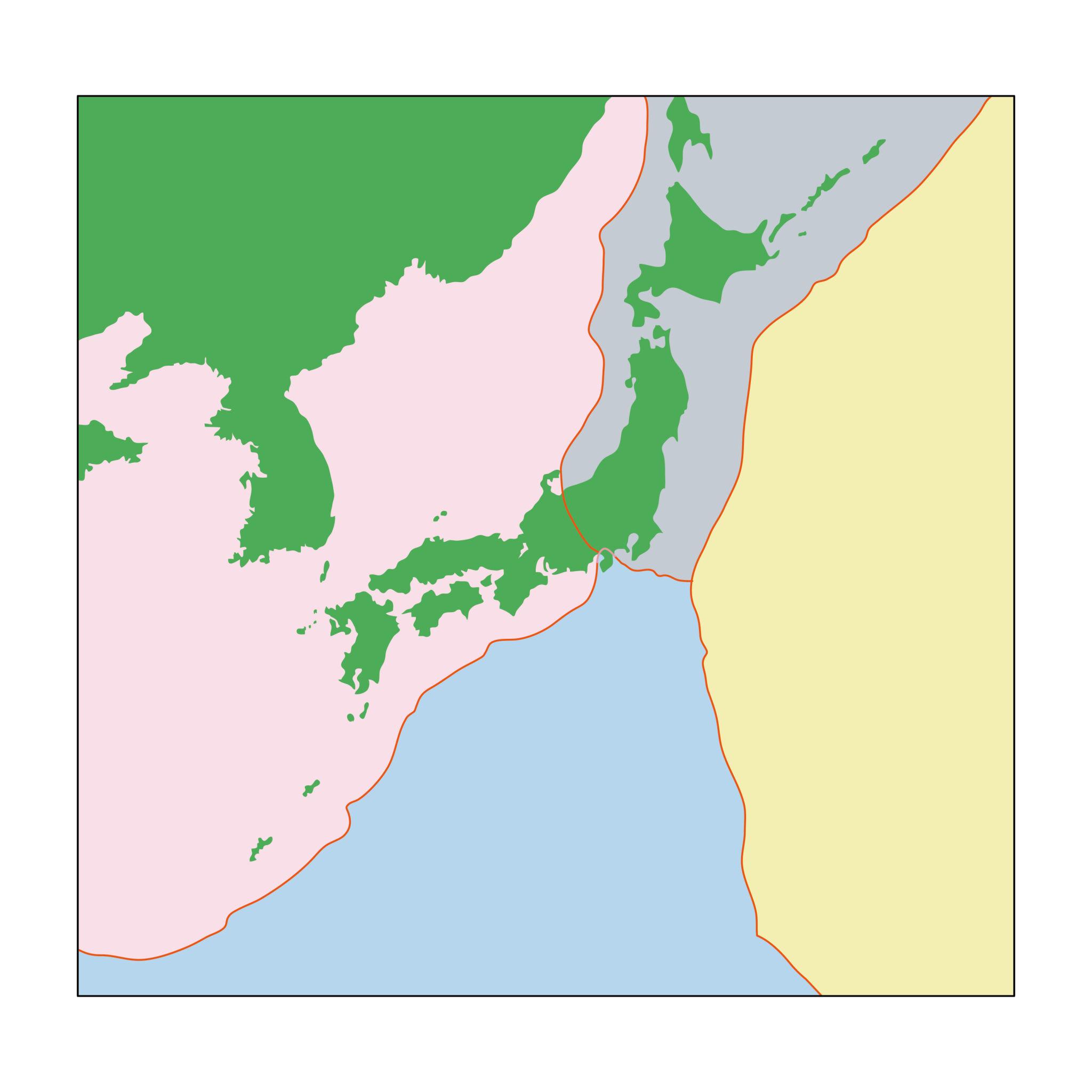
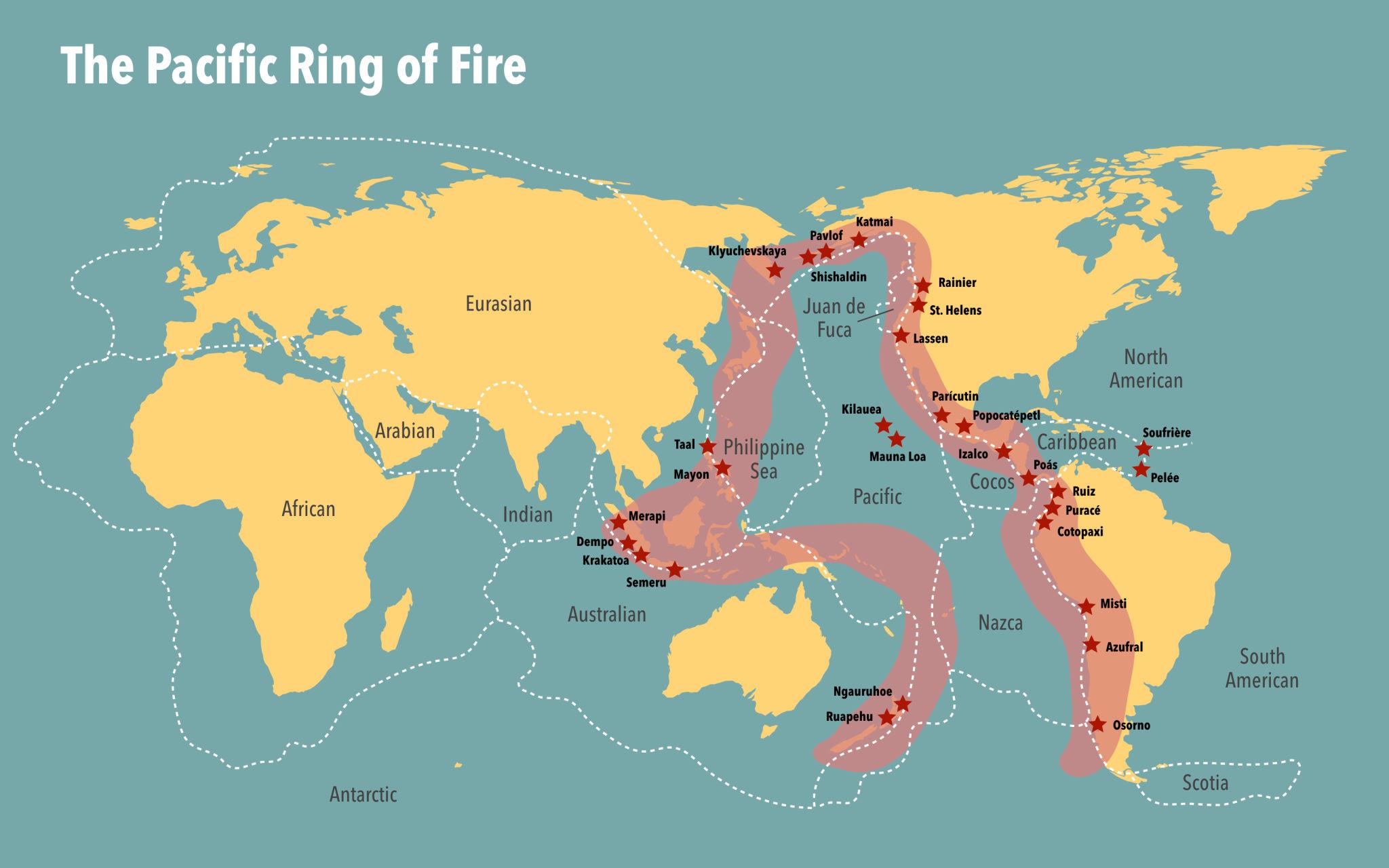
Japan’s position along the Pacific Ring of Fire makes it one of the most seismically active regions in the world. The archipelago rests at the convergence of four major tectonic plates—the Pacific Plate, Philippine Sea Plate, Eurasian Plate, and North American Plate. The continuous movement and interaction of these plates generate frequent earthquakes, both minor and major.
Seismic Activity in Japan is recorded thousands of times annually, though most events are too small to cause noticeable shaking. However, when tremors cluster near densely populated areas, attention intensifies. Offshore epicenters, like those recorded this week, are closely monitored due to potential tsunami risk, though authorities confirmed that no tsunami advisories were issued.
Geologists explain that tectonic stress accumulates gradually and is released in varying intensities. While moderate tremors can sometimes relieve localized pressure, they do not eliminate the long-term probability of larger events. Continuous observation remains essential.
Immediate Government Response
Within seconds of detection, Japan’s early warning system transmitted alerts nationwide. Television broadcasts were interrupted with emergency graphics, smartphones sounded alarms, and public address systems activated in train stations and schools.
Emergency management centers coordinated with prefectural authorities to assess real-time conditions. Fire and medical teams were placed on standby, though reports indicated only minor injuries, largely due to falling household objects.
Seismic Activity in Japan has fostered a structured emergency culture. Drills are rehearsed regularly, ensuring that when tremors strike, response procedures unfold almost automatically. Authorities urged citizens to remain calm, verify structural safety in their homes, and secure heavy furniture to prevent injury during aftershocks.
Officials stressed the importance of relying on verified information channels to prevent misinformation from spreading online.
Infrastructure Performance and Urban Resilience
Tokyo’s skyline, engineered with advanced seismic technology, responded as designed. Modern skyscrapers incorporate base isolation systems, flexible steel frameworks, and vibration dampers that absorb and redistribute seismic energy. Preliminary inspections suggest that these systems functioned effectively during the recent tremors.
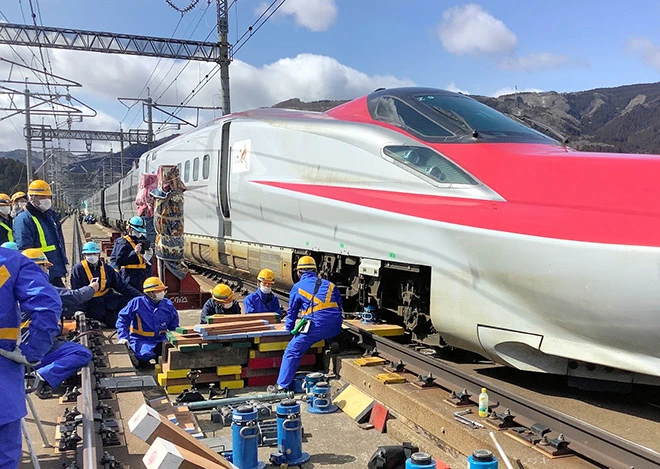
Transportation networks underwent thorough inspections before resuming full service. Rail operators confirmed that track alignment remained intact, while highway authorities inspected bridges and tunnels for structural integrity.
Seismic Activity in Japan continually tests infrastructure durability. While urban centers benefit from strict building codes, rural communities often face greater challenges due to aging wooden structures. Local governments in affected areas prioritized inspections of schools, hospitals, and municipal buildings.
Utility providers reported minimal disruption to electricity, water, and gas services. Built-in automatic shutoff systems minimized secondary risks such as fires.

Economic Implications and Market Reaction
Financial markets responded cautiously but remained stable. Insurance sector shares experienced modest fluctuations as analysts evaluated potential claim volumes. However, the broader market showed resilience, reflecting confidence in Japan’s preparedness systems.
Seismic Activity in Japan is integrated into national economic planning. Risk modeling, insurance reserves, and disaster recovery funds are structured to mitigate financial shocks.
Manufacturing facilities in coastal industrial zones reported uninterrupted operations. Japan’s role in global supply chains—particularly in electronics and automotive components—means that even moderate disruptions can have international ripple effects. In this instance, however, production lines continued operating normally.
Economists observed that transparency and swift infrastructure verification help stabilize investor sentiment during seismic events.
Public Preparedness and Community Awareness
Preparedness culture remains deeply ingrained in Japanese society. Families commonly maintain emergency kits stocked with water, food, batteries, and medical supplies. Schools conduct earthquake drills several times a year, and workplaces rehearse evacuation procedures.
Following the recent tremors, local governments encouraged residents to review evacuation routes and communication plans. Public announcements emphasized readiness rather than alarm.
Seismic Activity in Japan reinforces collective memory of past disasters, motivating sustained vigilance. Social services reported a modest increase in inquiries from elderly residents seeking reassurance, and community volunteers conducted welfare checks in certain neighborhoods.
Psychologists note that familiarity with safety protocols reduces panic during moderate tremors.
Historical Comparison
The present wave of Seismic Activity in Japan inevitably invites comparison with earlier disasters that profoundly shaped the nation’s policies and engineering standards. The 1923 Great Kanto earthquake devastated Tokyo and Yokohama, leading to widespread fires and over 100,000 fatalities. Decades later, the 2011 Tohoku earthquake and tsunami caused massive coastal destruction and triggered a nuclear crisis that reshaped energy policy and global perceptions of disaster risk.
Compared to those historic catastrophes, the current tremors were far less severe. However, the contrast highlights the evolution of preparedness systems. Modern building codes, early warning technology, and coordinated emergency management significantly reduce the impact of seismic events that once resulted in widespread devastation.
Scientific Monitoring and Research
Japan maintains one of the most advanced seismic monitoring networks globally. Thousands of ground sensors detect even subtle underground movement, transmitting data to central research facilities in real time.
Seismic Activity in Japan offers scientists critical insight into plate dynamics and stress accumulation patterns. While exact prediction of earthquakes remains beyond current scientific capability, probabilistic modeling supports long-term risk assessment.
Researchers are analyzing the recent cluster of tremors to determine whether it reflects routine tectonic adjustment or elevated stress in adjacent fault segments. Officials caution against premature conclusions.
International collaboration strengthens research efforts, with shared data contributing to global understanding of earthquake science.
Technology and Innovation in Early Warning
Japan’s early warning system is often regarded as a global benchmark. By identifying primary waves before more destructive secondary waves arrive, the system can deliver alerts seconds in advance.
During the recent tremors, trains slowed automatically and industrial machinery paused operations. Those few seconds of warning significantly reduce potential casualties.
Seismic Activity in Japan continues to drive technological innovation. Artificial intelligence tools are being tested to improve wave classification accuracy and minimize false alarms. Smart building systems now transmit structural stress data to engineers instantly after an event.
Such advancements reflect a commitment to continuous improvement in disaster management.
Regional and International Attention
Regional governments across East Asia closely observed the latest tremors as Seismic Activity in Japan once again drew international focus. Given Japan’s central role in global trade, manufacturing, and financial markets, even moderate earthquakes can prompt heightened monitoring beyond its borders. Coastal surveillance systems throughout the Pacific remained alert, although no tsunami advisories were issued following the recent offshore events.
Global insurers, shipping companies, and investment institutions routinely evaluate Seismic Activity in Japan due to its potential impact on supply chains, insurance exposure, and currency stability. In this instance, Japan’s rapid verification of infrastructure integrity and transparent communication helped stabilize international confidence. Diplomatic disaster-cooperation agreements remain active, ensuring that support mechanisms are in place if needed, though authorities confirmed that no foreign assistance was required.
Human Impact and Emotional Response
While infrastructure assessments and economic reviews dominate official briefings, Seismic Activity in Japan also carries a deeply human dimension. For many residents—especially those who experienced past major earthquakes—moderate tremors can revive memories of uncertainty and disruption. Emotional resilience is tested not only by physical shaking but by the anticipation of what might follow.
During a nationally televised briefing, a government spokesperson addressed public concerns, stating,
“Preparedness is our greatest safeguard, and every tremor reminds us why discipline and planning are essential.”
The statement reflected a steady tone intended to reassure citizens while reinforcing the importance of readiness.
Community organizations responded quickly, checking on elderly residents and individuals with disabilities to ensure their well-being. Counseling services remained available for those experiencing stress-related reactions. In a country shaped by recurring Seismic Activity in Japan, psychological preparedness is considered as vital as structural reinforcement.
Urban Planning and Long-Term Strategy
Urban planners view each episode of Seismic Activity in Japan as both a reminder and a test of long-term resilience strategies. Reinforcement efforts continue in older neighborhoods where buildings may predate updated seismic codes. Retrofitting programs prioritize schools, hospitals, government facilities, and transportation hubs to ensure essential services remain operational during emergencies.
Policy frameworks surrounding Seismic Activity in Japan influence zoning regulations, insurance structures, and infrastructure investment decisions. Authorities announced that inspection initiatives would continue for several weeks, particularly in coastal prefectures closest to recent epicenters. Engineering assessments focus not only on visible damage but also on cumulative stress that may weaken structural components over time.
New residential and commercial developments increasingly incorporate flexible foundation systems, reinforced materials, and vibration-dampening technologies. These measures reflect decades of adaptation aimed at minimizing disruption from future tremors.
Balancing Vigilance with Stability
Government officials emphasize that preparedness must be balanced with economic and social continuity. Following safety confirmations, schools resumed regular schedules, businesses reopened, and transportation networks returned to full operation. This measured normalization demonstrates how Seismic Activity in Japan is addressed without creating unnecessary alarm.
Authorities highlight that while earthquakes are an unavoidable part of Japan’s geography, disciplined response systems prevent moderate events from escalating into broader crises. Public messaging has focused on reassurance, encouraging vigilance while maintaining confidence in national infrastructure and emergency frameworks.
The recent tremors illustrate how systematic planning allows daily life to continue even when the ground shifts beneath it.
Enduring Strength Through Preparedness
Japan’s response to the latest tremors underscores how sustained investment in engineering, research, and public education strengthens national resilience. Seismic Activity in Japan cannot be prevented, but its consequences can be significantly reduced through continuous adaptation and innovation.
In Tokyo 2026, the earth moved briefly, yet societal systems held firm. Markets stabilized, trains resumed their routes, and communities returned to routine activity with composed determination. Over time, Seismic Activity in Japan has shaped not only infrastructure policy but also a collective mindset rooted in readiness.
The nation’s enduring strength lies in its capacity to prepare for uncertainty, transforming recurring geological challenges into manageable events through discipline, transparency, and forward-looking planning.