
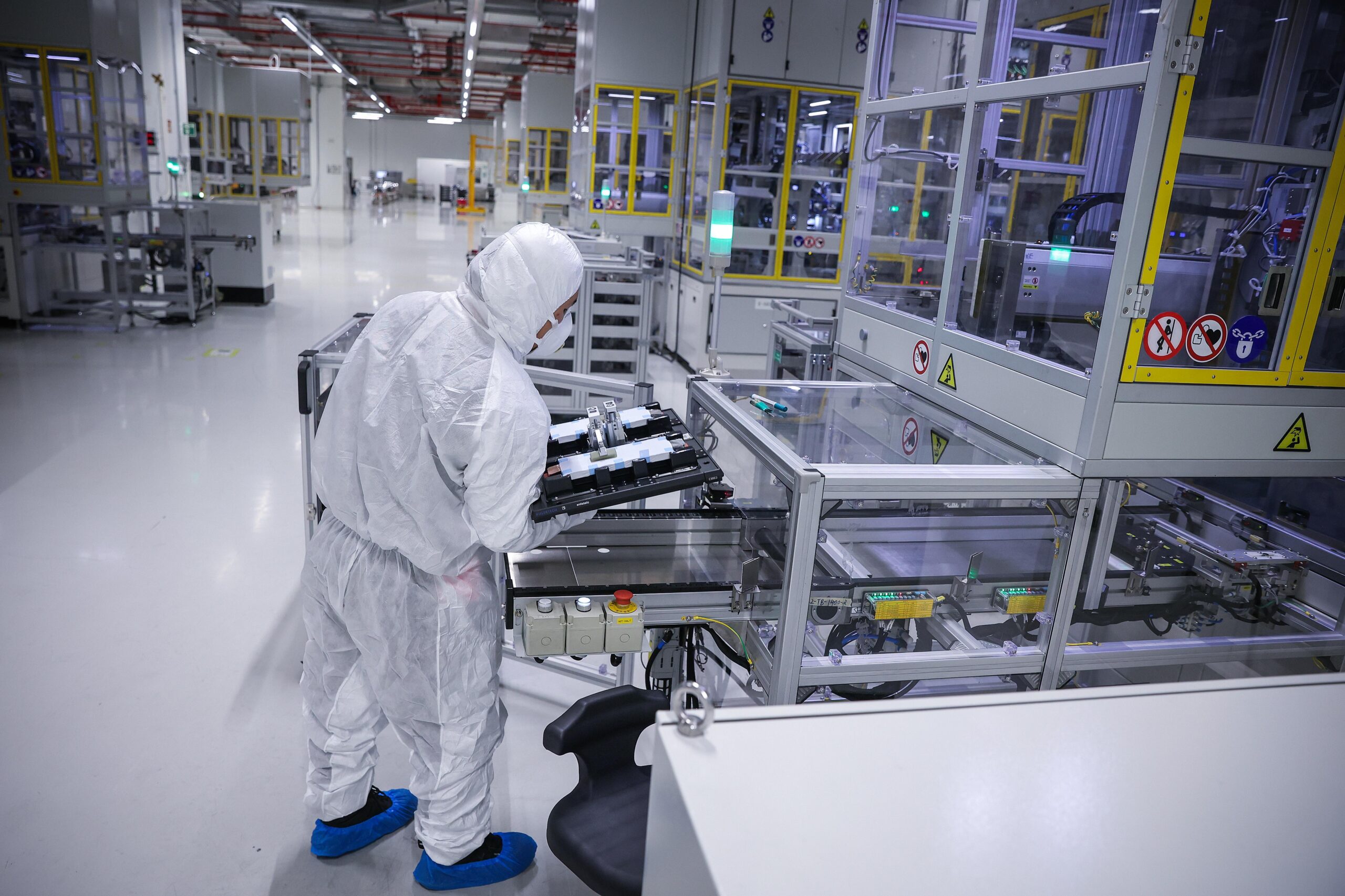
Brussels, Belgium – March 2, 2026 — According to Parliament News, that European battery production has entered a defining year as policymakers, automakers, and investors align around a shared objective to scale domestic manufacturing and secure long term energy independence. In Brussels this year, new funding commitments, regulatory reforms, and cross border industrial agreements signal that Europe is accelerating its strategy to compete in the global battery race.
The expansion of European battery production is no longer limited to policy announcements. Gigafactories are coming online, supply agreements are being finalized, and governments are actively positioning battery manufacturing as central to economic resilience and climate commitments.
Policy Momentum Builds Across the European Union
EU institutions have placed battery manufacturing at the heart of their broader industrial and climate strategy. Officials argue that European battery production underpins electric vehicle affordability, renewable energy storage, and technological sovereignty.
In 2026, regulatory frameworks have been streamlined to reduce permitting delays for large scale facilities. Financial instruments designed to attract private capital are being deployed with greater flexibility. Member states have also coordinated incentive structures to prevent fragmented competition that could weaken collective growth.
The result is a more unified approach, with Brussels playing a central coordinating role while individual nations tailor investments to regional strengths.
Investment Wave Reshapes the Industrial Landscape
Several billion euros in combined public and private capital are now flowing into battery plants across Germany, France, Sweden, Spain, Poland, and other member states. The scale of commitment reflects confidence that European battery production can evolve into a cornerstone of modern industry.
Automakers have secured long term supply contracts with domestic producers, reducing reliance on imports. Investors view battery capacity as essential infrastructure for the transition to electric mobility.
Regional governments are also integrating these projects into broader development plans, linking them with logistics hubs, research centers, and renewable energy installations.
Electric Vehicle Affordability and Market Expansion
Battery costs remain the largest component in electric vehicle manufacturing. By strengthening European battery production, policymakers aim to reduce cost volatility and create pricing stability for automakers.
Lower battery costs translate into more competitive electric vehicle pricing for consumers. Analysts predict that consistent domestic output could narrow the price gap between electric and traditional vehicles in key markets.
This affordability shift has implications beyond sales figures. It could accelerate adoption rates, reduce emissions from road transport, and reinforce the EU’s climate targets.
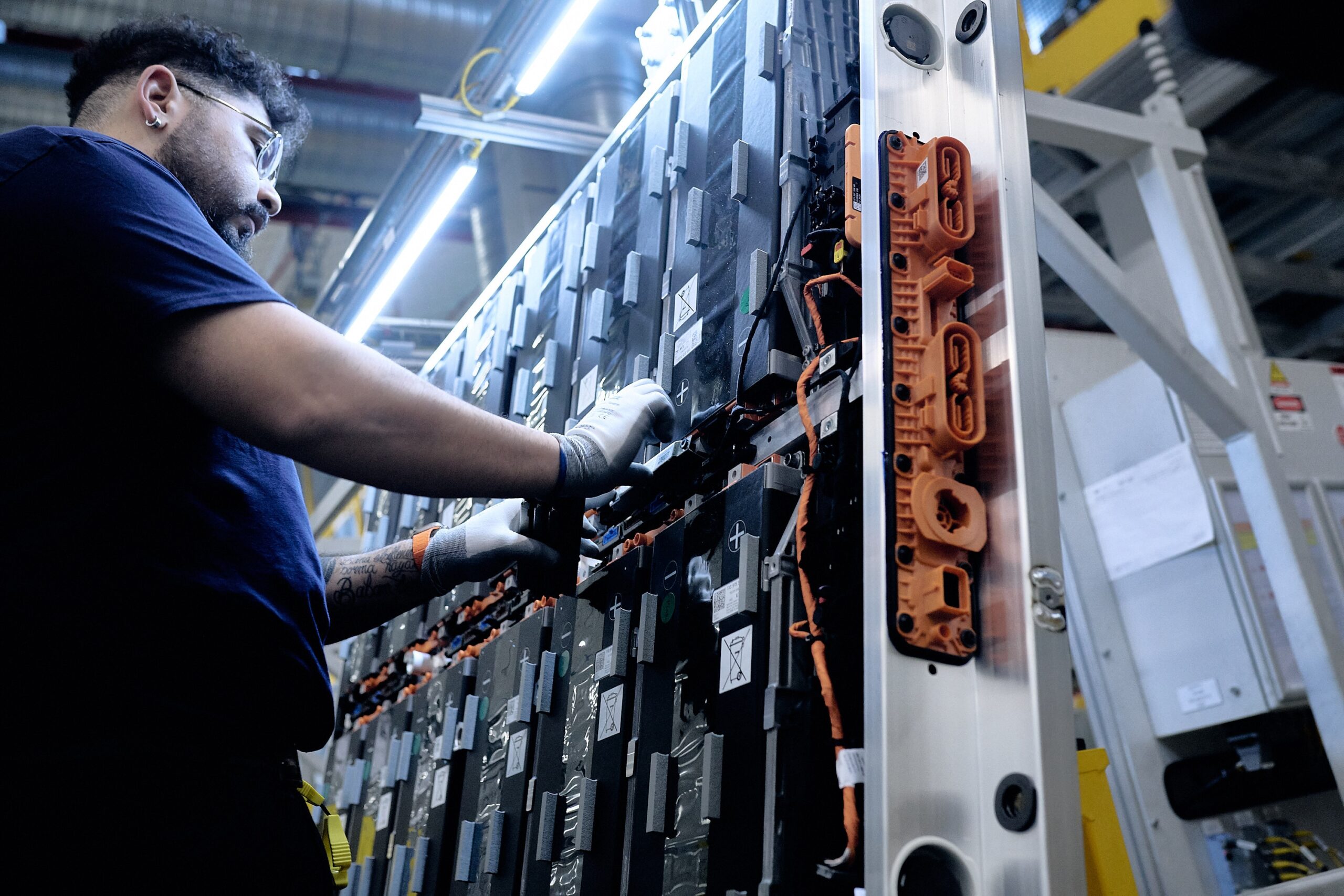
Strategic Autonomy in a Changing Geopolitical Climate
European leaders frequently frame battery manufacturing as a matter of strategic autonomy. Global supply chains have proven vulnerable to geopolitical tensions, shipping disruptions, and trade disputes.
By expanding European battery production, the bloc seeks to reduce dependence on external suppliers and shield its automotive sector from volatility. Domestic processing of critical materials is being prioritized alongside manufacturing expansion.
Security experts note that energy storage technology now carries strategic importance comparable to oil and gas infrastructure in previous decades.
Environmental Commitments and Clean Energy Integration
A defining characteristic of European battery production is its emphasis on environmental compliance. Facilities are increasingly powered by renewable energy sources such as wind and solar.
Recycling systems are being incorporated into manufacturing ecosystems to recover valuable materials and reduce environmental impact. EU regulations require traceability and ethical sourcing standards.
Environmental organizations have acknowledged that local production reduces transportation emissions and supports circular economy principles.
Workforce Transformation and Economic Revitalization
Battery gigafactories demand highly skilled labor, including engineers, chemists, technicians, and logistics specialists. Educational institutions across Europe have launched training programs tailored to battery technology.
Regions transitioning away from declining industrial sectors view European battery production as an opportunity for renewal. Job creation extends beyond factory floors into supply chain services, construction, and research partnerships.
Community leaders emphasize that these projects can anchor long term economic stability when supported by consistent policy frameworks.
Research and Technological Advancement
Innovation remains central to Europe’s competitive ambitions. Research institutions funded under EU programs are advancing battery chemistry, improving efficiency, and reducing material dependency.
Collaboration between universities and manufacturers enhances the commercialization of new technologies. Solid state batteries, improved recycling methods, and alternative chemistries are under active development.
By combining scientific research with industrial deployment, European battery production gains both technological depth and market relevance.
Infrastructure Demands and Energy Grid Upgrades
Battery factories require significant electricity supply. Grid modernization projects are underway across multiple countries to meet increased demand.
Some facilities are strategically located near renewable energy sources to secure predictable power costs. This integration supports both sustainability objectives and operational efficiency.
Infrastructure investments linked to European battery production often benefit broader economic sectors, strengthening regional competitiveness.
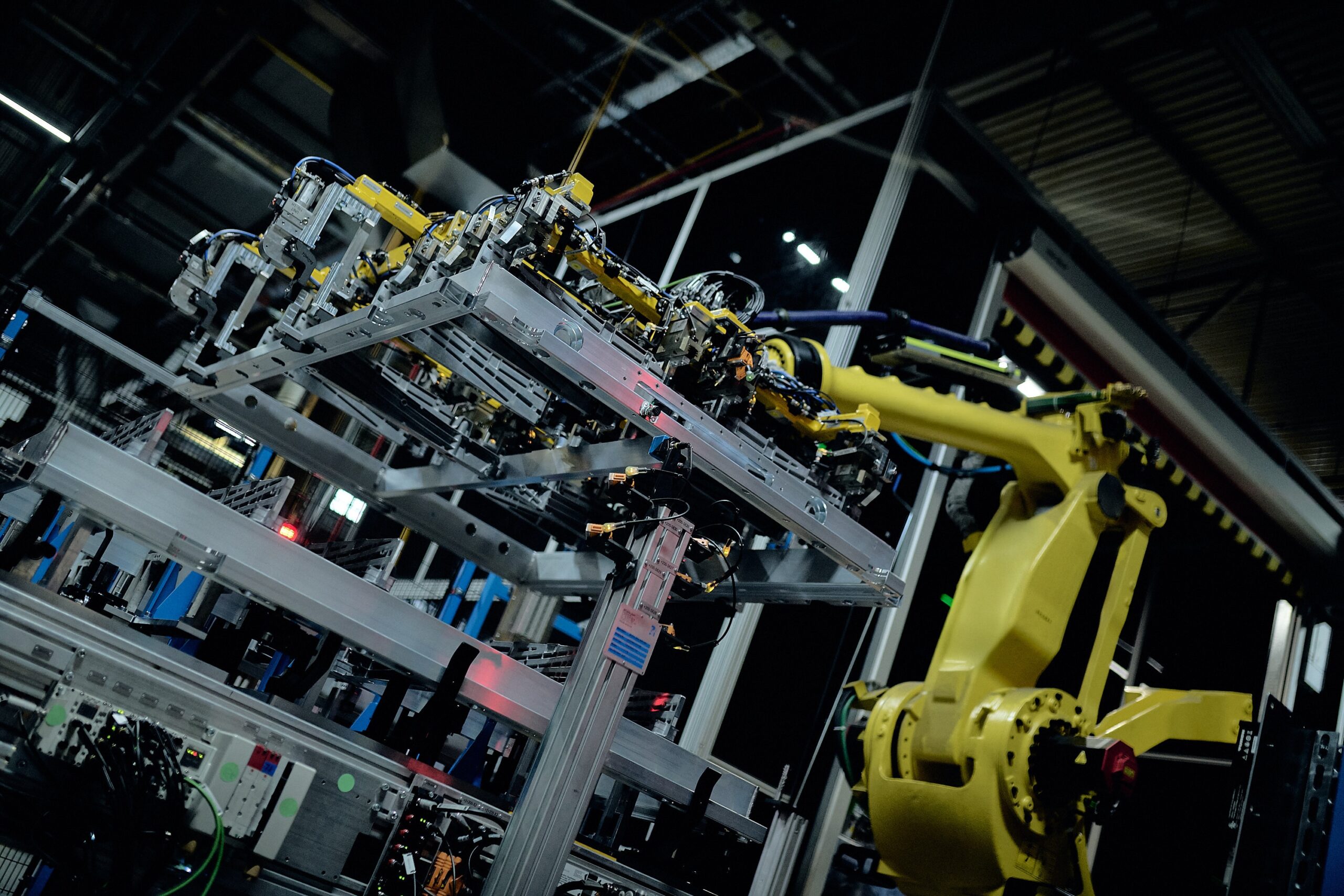
Global Competition and Market Pressures
Asia remains a dominant force in battery manufacturing, with established supply chains and high capacity output. Meanwhile, policy incentives in the United States have intensified global competition for investment.
European leaders argue that coordinated industrial policy provides a strong foundation to compete. They emphasize regulatory clarity, environmental standards, and cross border collaboration as advantages.
Market analysts caution that cost competitiveness will require continuous innovation and economies of scale.
Historical Comparison: Echoes of Europe’s Automotive Revolution
The rapid expansion of European battery production invites comparison with Europe’s post war automotive boom in the mid twentieth century. During that era, coordinated industrial planning, infrastructure investment, and technological innovation transformed countries such as Germany and France into global automotive leaders.
Just as assembly lines reshaped economies decades ago, battery gigafactories are now redefining industrial landscapes. In both cases, strategic government support combined with private sector initiative created durable industrial ecosystems. The current moment echoes that earlier transformation, with clean energy technology replacing combustion engines as the defining industrial frontier.
Industry Perspective
A senior EU official stated during a Brussels energy forum,
“European battery production is not only about manufacturing cells. It is about safeguarding our economic future and ensuring that the clean transition benefits European workers and communities.”
This statement reflects the political consensus that battery manufacturing carries economic and symbolic significance beyond immediate financial returns.
Financial Outlook and Long Term Projections
Economic forecasts indicate that Europe’s battery capacity could grow substantially over the next five years. Analysts suggest that sustained expansion may position Europe as one of the top global producers.
Diversification into stationary energy storage markets could further enhance revenue streams. Battery systems are increasingly used to stabilize renewable energy grids and support industrial applications.
While raw material price fluctuations remain a concern, policymakers maintain confidence that domestic processing initiatives will mitigate risks.
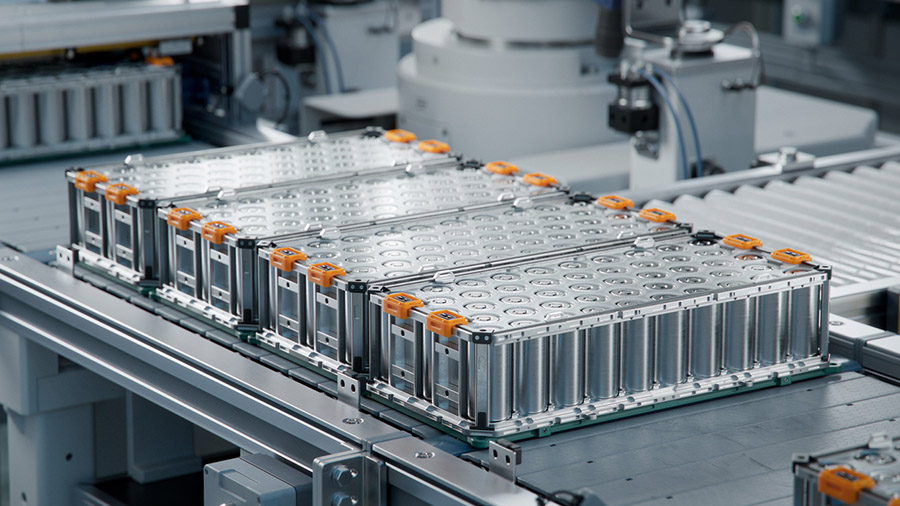
Public Support and Political Consensus
Public sentiment across many member states favors investment in clean technology industries. Citizens increasingly view battery manufacturing as essential to economic security and environmental responsibility.
Cross party support in the European Parliament has facilitated funding mechanisms and legislative adjustments. Transparent communication regarding environmental safeguards continues to be essential for maintaining trust.
A Turning Point for Continental Energy Sovereignty
The developments unfolding in Brussels in 2026 suggest that European battery production has transitioned from strategic ambition to operational reality. Factories are producing cells, supply contracts are solidifying, and workforce training programs are expanding.
The broader significance lies in Europe’s determination to anchor its clean energy transition within its own borders. As geopolitical uncertainty persists and global competition intensifies, domestic manufacturing capacity becomes a pillar of resilience.
If current momentum continues, European battery production may redefine Europe’s industrial identity for decades to come. The outcome will depend on sustained investment, technological innovation, and cooperative policymaking among member states.
For now, 2026 stands as a pivotal year in which Europe’s battery ambitions moved decisively from policy frameworks to tangible industrial output, signaling a confident stride toward a more secure and sustainable energy future.
