


Global financial volatility is creating new pressure on India’s economy as currency markets react to rising geopolitical tensions and energy price shifts.
Analysts say global markets impact India through capital flows, oil imports, and investor sentiment that influence the rupee and stock markets.
Economists warn that continued uncertainty in international markets could shape India’s economic outlook throughout 2026.
Mumbai, India — March 4, 2026, According to Parliament News, that Currency volatility and rising geopolitical tensions are once again reminding investors how deeply global markets impact India, especially as the Indian rupee faces pressure against the U.S. dollar and global investors reposition assets. Financial markets across Asia reacted to the latest developments in energy prices and international politics, reinforcing the reality that India’s economy is increasingly connected to worldwide financial movements.
-
Global investors are shifting capital toward safer assets.
-
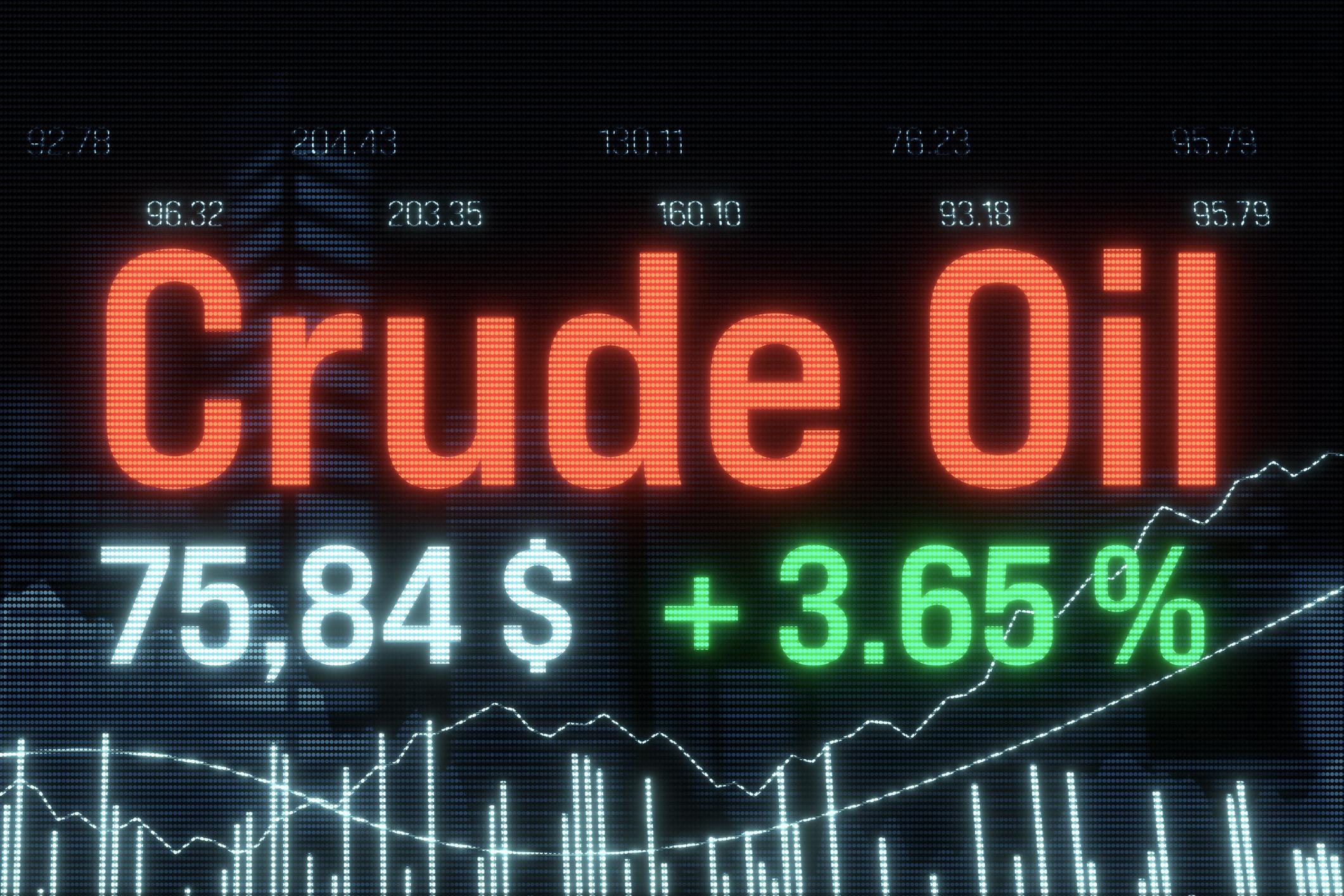
Rising oil prices are increasing pressure on India’s import bill.
-
Currency volatility highlights how global markets impact India more rapidly than in previous decades.
India’s economy remains among the fastest growing in the world, supported by strong domestic demand and expanding industries. However, recent market movements show how closely the country’s financial system is linked with global trade, capital flows, and geopolitical risks.
From currency exchange rates to stock market sentiment, the ways global markets impact India are becoming increasingly visible in daily economic activity.
Currency Movements Reflect Global Financial Stress
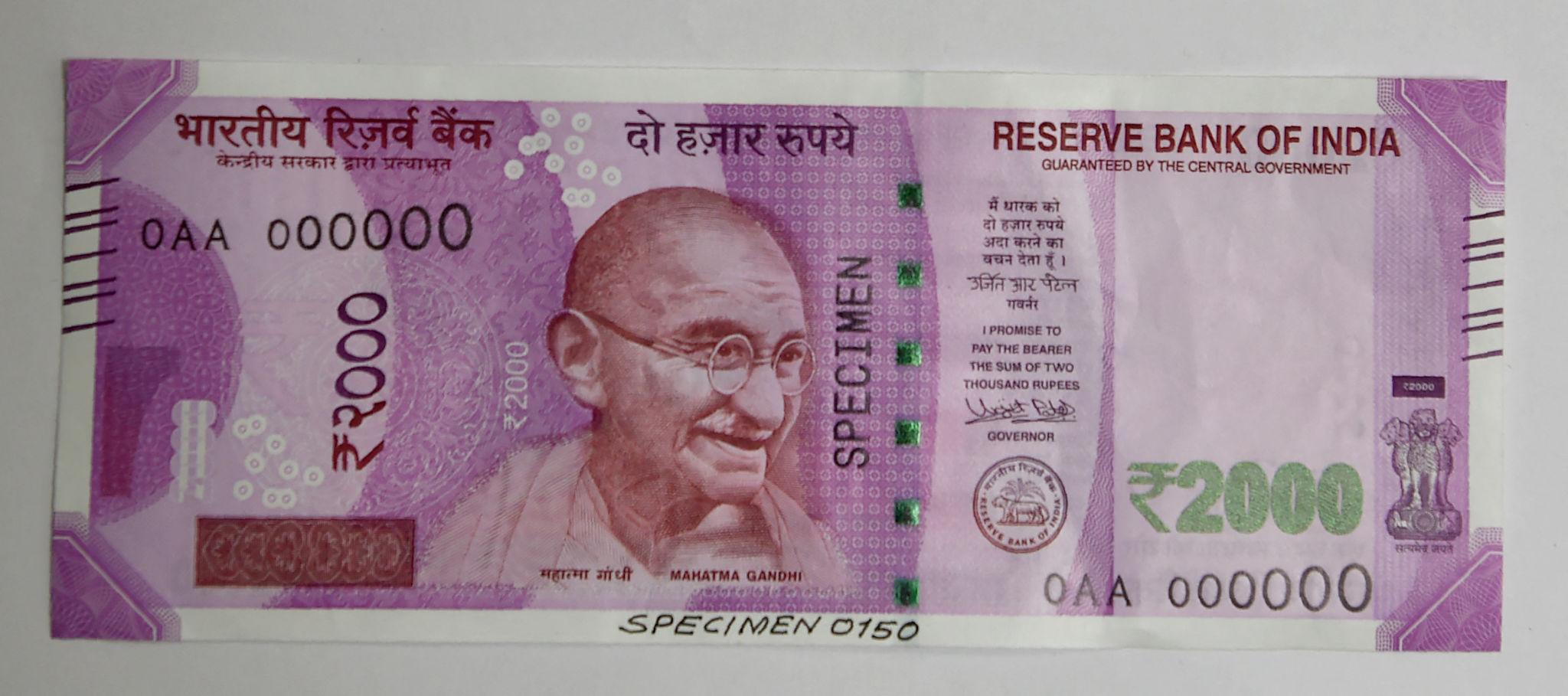
Foreign exchange markets are often the first to react when international uncertainty rises. In recent weeks, traders in Mumbai and other financial hubs have watched the rupee weaken as investors move funds toward the U.S. dollar and other safe haven assets.
This shift illustrates how global markets impact India through capital flows and currency trading. When uncertainty spreads across international markets, investors frequently withdraw funds from emerging economies and redirect them to assets considered safer.
For India, this can lead to short term currency volatility. The rupee’s movements often reflect not only domestic economic conditions but also broader international developments.
Currency analysts say that India’s growing role in global finance means changes in global risk sentiment now influence the rupee much faster than in earlier decades. International funds adjust portfolios rapidly, and even modest shifts can create noticeable changes in exchange rates.
Because of this financial integration, global markets impact India almost immediately when investors react to geopolitical or economic news.
Energy Prices Increase Economic Pressure
Another powerful force shaping the current economic environment is the global energy market. India imports a large share of its crude oil and natural gas, making it highly sensitive to international energy price movements.
When oil prices climb, India must spend more foreign currency to secure energy supplies. This increased demand for dollars places additional pressure on the rupee.
Recent geopolitical tensions in energy producing regions have pushed oil prices higher, reinforcing the ways global markets impact India through rising import costs and inflation risks.
Higher energy prices can ripple across the economy. Transportation costs increase, manufacturing expenses rise, and consumer prices can eventually follow.
Economists warn that if global energy prices remain elevated for an extended period, India’s inflation outlook could become more challenging for policymakers.
Investors Shift Toward Safer Assets
Investor behavior often changes rapidly during periods of geopolitical uncertainty. Global financial markets tend to move in cycles of risk taking and risk avoidance.
When investors feel confident about global growth, they frequently allocate more funds to emerging markets like India. However, when uncertainty rises, the opposite occurs.
Funds often flow toward safer assets such as government bonds, gold, or the U.S. dollar. These shifts illustrate again how global markets impact India, especially through foreign institutional investment.
Large investment funds manage portfolios worth billions of dollars. Even small adjustments in global allocation strategies can significantly influence emerging market currencies and stock indices.
While India remains an attractive destination for long term investment, short term volatility often reflects global market sentiment rather than domestic fundamentals.

Stock Markets React to International Developments
India’s stock markets have also been responding to global economic signals.
Major indices in Mumbai have experienced fluctuations as investors digest international news, including geopolitical tensions and changes in energy markets.
These market movements demonstrate once again how global markets impact India through financial linkages that connect stock exchanges around the world.
Market analysts say global developments now influence Indian equities more quickly than ever before. News from energy markets, currency exchanges, or major economies can quickly reshape investor expectations.
Despite these fluctuations, many analysts believe India’s stock market retains strong long term growth potential due to the country’s expanding consumer base and technological innovation.
Trade and Export Dynamics
International economic conditions also influence India’s trade balance.
A weaker rupee can make Indian exports more competitive in global markets because goods priced in rupees appear cheaper to foreign buyers. This may benefit industries such as technology services, pharmaceuticals, textiles, and manufacturing.
However, the full impact depends on global demand. If economic growth slows worldwide, export opportunities could remain limited.
This dynamic illustrates how global markets impact India not only through financial markets but also through international trade patterns and supply chains.
Export driven sectors often watch currency movements closely because exchange rates can influence profit margins and international competitiveness.
Central Bank Monitoring Currency Stability
India’s central bank is closely watching developments in financial markets and currency trading.
The Reserve Bank of India holds significant foreign exchange reserves that can be used to stabilize the currency if necessary. Policymakers can also adjust interest rates or intervene in currency markets to manage volatility.
These policy tools help reduce the impact of sudden market shifts. Nevertheless, economic authorities must carefully balance currency stability with broader economic growth objectives.
The situation once again highlights how global markets impact India, forcing policymakers to respond to developments beyond the country’s borders.
Managing financial stability in an interconnected global economy requires constant monitoring of international trends.
Historical Comparison Shows Deeper Global Integration
The relationship between India and global financial markets has evolved dramatically over the past several decades. In the early years after independence, India maintained a relatively closed economic system with strict capital controls and limited exposure to international finance.
Economic reforms in the early 1990s transformed this structure by opening the country to foreign investment and international trade. Since then, India has become deeply integrated into the global economy.
This transformation means global markets impact India more directly today than at any time in the past. Currency movements, commodity prices, and international investor sentiment now influence domestic economic conditions far more quickly.
Historically, similar patterns have occurred during periods of global financial stress. For example, emerging markets experienced currency volatility during the Asian financial crisis of the late 1990s and again during the global financial crisis in 2008. In each case, international financial conditions transmitted economic pressure across borders.
Today’s financial environment reflects an even deeper level of interconnectedness.
Market Voices Reflect Investor Concerns
Financial experts say the current situation demonstrates both the opportunities and challenges of global economic integration.
One market strategist in Mumbai summarized the situation clearly, noting that India’s strong growth potential continues to attract investors despite global volatility.
“India remains one of the most dynamic economies in the world, but international developments can influence short term market movements,”
the analyst said.
“The reality is that global markets impact India more quickly now because financial systems are deeply connected.”
This perspective reflects a broader consensus among economists who believe India’s long term growth trajectory remains positive despite periodic market volatility.
Domestic Economic Strength Remains Important
Despite external pressures, India’s domestic economy continues to show resilience.
Strong consumer demand, expanding digital infrastructure, and growing entrepreneurship have helped drive economic expansion in recent years. India’s technology sector has also become a major global player, attracting investment from international companies and venture capital firms.
These strengths provide a foundation that can help the economy absorb external shocks.
While global markets impact India, domestic economic momentum remains a powerful stabilizing force.
Infrastructure investment, manufacturing expansion, and technological innovation are all contributing to long term economic growth.
Future Outlook for India’s Economy
Looking ahead, economists believe India will continue playing an increasingly important role in the global economy.
The country’s large population, expanding middle class, and growing technological capabilities position it for sustained economic growth. However, international developments will continue influencing financial markets and investor sentiment.
This means policymakers must remain prepared for global volatility.
Understanding how global markets impact India will remain essential for businesses, investors, and government leaders alike.
As international markets evolve, India’s economic strategy will likely focus on strengthening domestic industries while maintaining engagement with global trade and finance.
Navigating an Interconnected Financial World
The current financial environment underscores a broader reality of the modern global economy: national markets are deeply interconnected.
Currency markets, trade networks, and international investment flows link economies together in ways that were unimaginable only a few decades ago.
For India, this means that developments in distant regions can quickly influence domestic markets.
The relationship between international financial systems and the Indian economy will therefore remain a central theme for policymakers and investors.
Ultimately, understanding how global markets impact India will be crucial for navigating the challenges and opportunities of the global financial landscape in the years ahead.