LONDON, United Kingdom , June 6 (Parliament Politics Magazine) – UK electric vehicle policy is facing renewed scrutiny after industry experts and environmental groups warned that weakening electric vehicle regulations could increase carbon dioxide emissions and slow Britain’s progress toward climate goals. The debate comes as policymakers review EV sales targets while manufacturers continue investing heavily in electric mobility, battery technology, and charging infrastructure.
The discussion surrounding UK electric vehicle policy has intensified following new assessments indicating that relaxed regulations may provide short-term flexibility for automakers but could create long-term environmental challenges. Industry leaders and environmental advocates alike are urging officials to consider the broader impact of policy decisions.
“Policy certainty remains one of the most important drivers of investment in the automotive sector,” an industry analyst said.
Automotive Industry Warns Against Further Changes to EV Regulations
Automotive manufacturers have invested billions of pounds in electric vehicle production facilities, battery plants, and supply chain development across Britain. Many companies believe a stable UK electric vehicle policy is essential for attracting future investment and maintaining competitiveness.
Industry leaders argue that sudden regulatory changes create uncertainty for businesses making long-term investment decisions. They warn that weakening EV requirements could slow innovation and affect the pace of electric vehicle adoption throughout the country.
Environmental Groups Say Strong EV Targets Are Essential for Emissions Reduction
Environmental organizations continue emphasizing that a strong UK electric vehicle policy is necessary to reduce transportation-related carbon emissions. Road transport remains one of the largest contributors to greenhouse gas emissions in the United Kingdom.
Climate advocates argue that delaying the transition from petrol and diesel vehicles could result in higher emissions for years to come. Many groups are calling on policymakers to maintain existing targets while supporting infrastructure expansion.
“Every year of delay creates environmental impacts that can last well into the future,” one sustainability expert stated.
Electric Vehicle Adoption Continues Despite Economic Challenges
Consumer interest in electric vehicles continues to grow despite economic pressures. Analysts report that lower operating costs, reduced maintenance expenses, and improving battery technology are helping drive adoption.
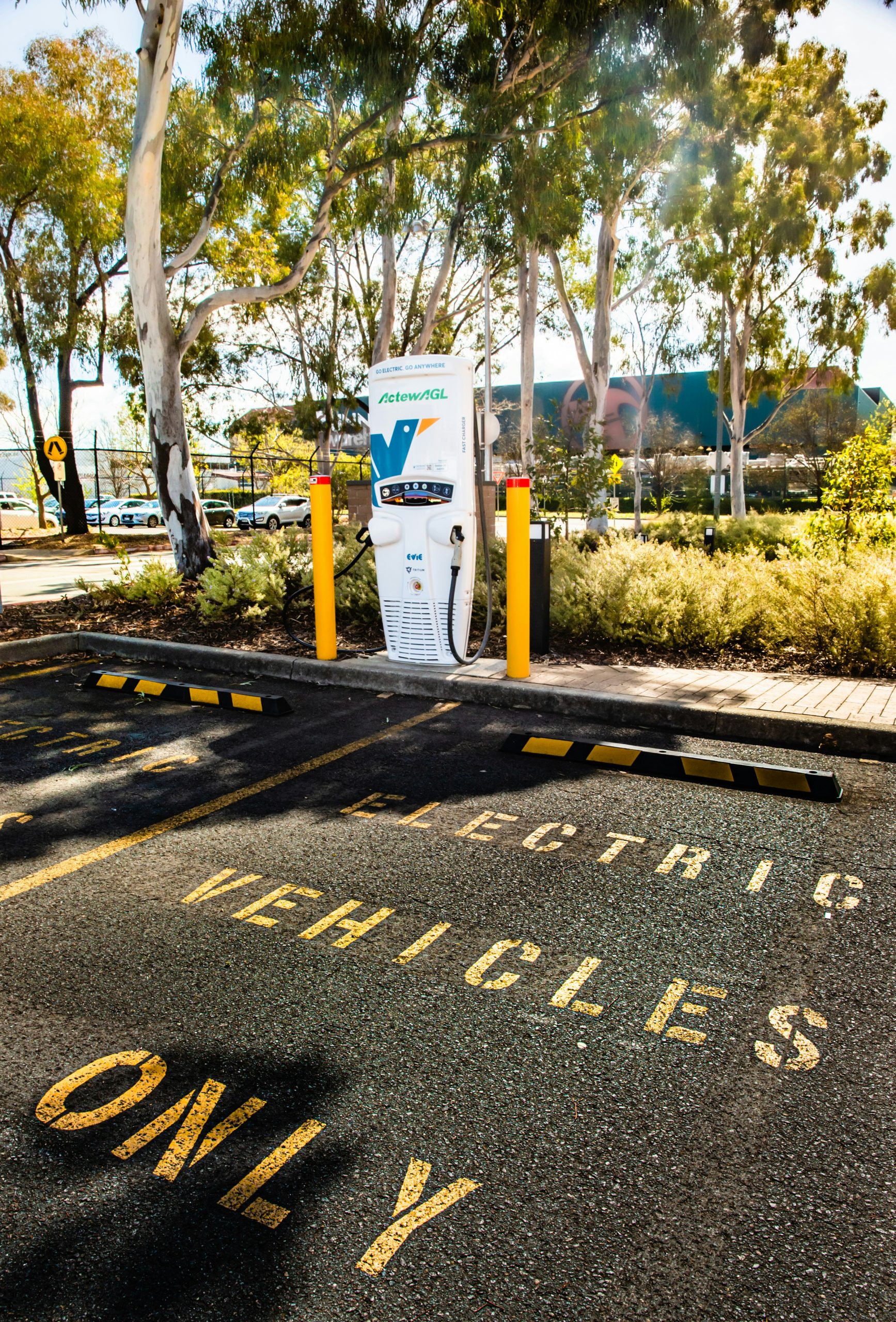
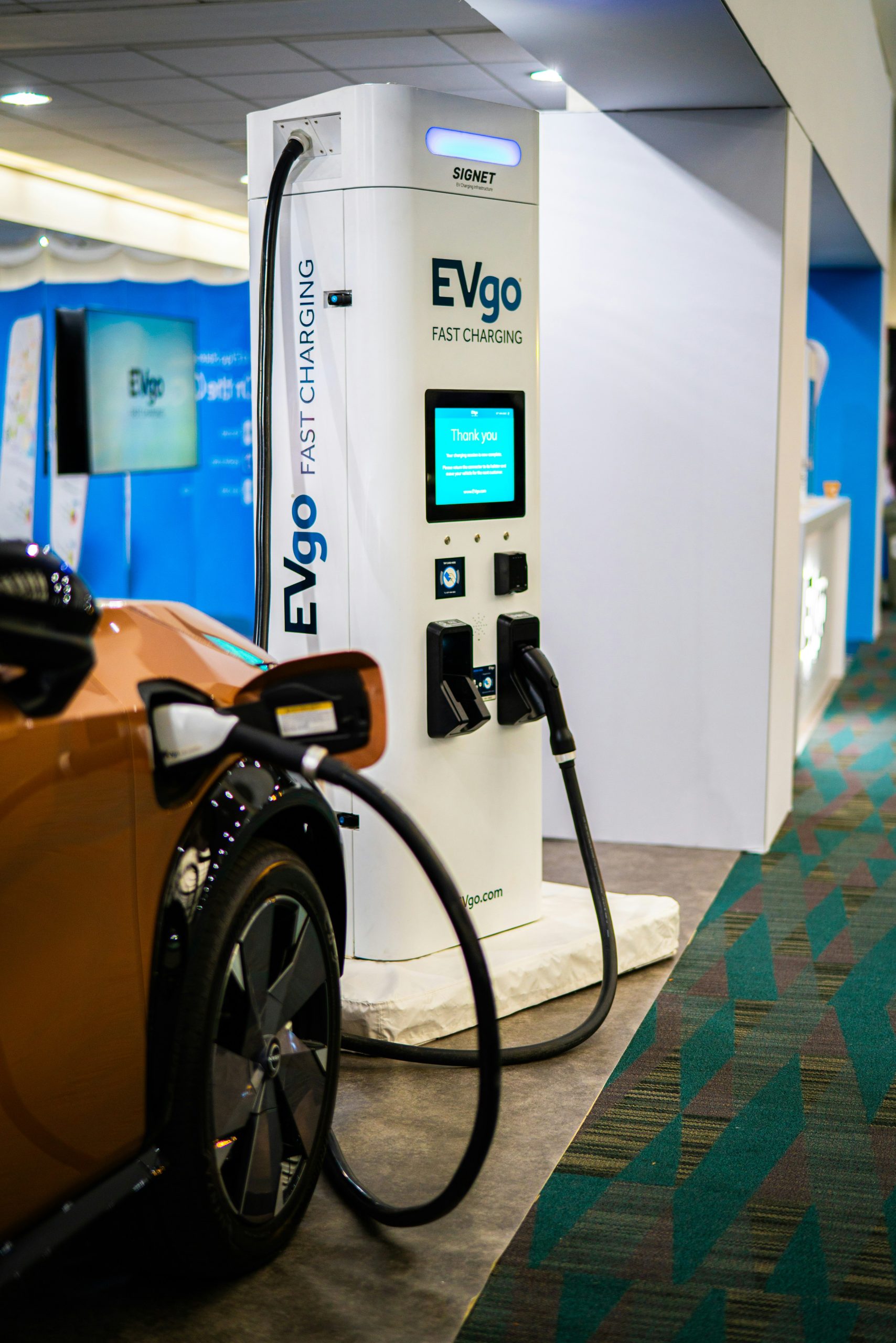
The effectiveness of UK electric vehicle policy is increasingly linked to charging infrastructure growth. Public charging networks continue expanding across urban and rural regions, making electric vehicles more practical for everyday use.
Market observers believe ongoing investment in charging infrastructure will remain a key factor supporting future EV sales and consumer confidence.
History of UK Electric Vehicle Policy and Britain’s Transition to EVs
The development of UK electric vehicle policy has evolved significantly over the past decade. Early government incentives encouraged electric vehicle purchases, while manufacturers expanded their EV offerings and invested in new technologies.
As battery performance improved and charging networks expanded, electric vehicles became more accessible to consumers. Policymakers gradually introduced stricter emissions standards designed to accelerate the shift toward cleaner transportation.
Today, Britain’s electric vehicle market is considered one of the most important components of the country’s broader climate strategy.
Global EV Investment Competition Influences UK Policy Decisions
Governments around the world are competing to attract electric vehicle manufacturing and battery production facilities. A consistent UK electric vehicle policy is viewed by many investors as an important factor when evaluating future projects.
Analysts warn that uncertainty surrounding regulations could reduce Britain’s attractiveness compared with competing markets that offer clear long-term strategies for transportation electrification.
“Investors look for clear signals, long-term planning, and predictable regulatory environments,” a market strategist said.
What the UK Electric Vehicle Policy Debate Means for Britain’s Climate Goals
The future of UK electric vehicle policy will remain a major focus throughout 2026 as policymakers balance economic priorities with environmental commitments. Supporters of existing regulations argue that maintaining clear targets encourages innovation, investment, and emissions reductions.
As discussions continue, the outcome could significantly influence Britain’s automotive sector, climate objectives, and long-term competitiveness. The decisions made in the months ahead may shape the country’s transportation future for years to come.