US job market February numbers surprised economists with weaker hiring trends.
Businesses across several industries slowed workforce expansion in early 2026.
Experts say the data could shape the economic outlook for the rest of the year.
Washington, United States — March 6, 2026 — According to data released Friday and widely discussed by economists and financial analysts, the US job market February showed an unexpected slowdown in hiring activity across several sectors of the American economy. Parliament News style coverage of the development highlights how employment momentum weakened during February, raising concerns among policymakers, investors, and businesses about the future pace of economic growth in the United States.
The latest labor figures indicate that employment growth stalled in several industries that had previously been strong drivers of job creation. Analysts reviewing the US job market February data say the shift may reflect a combination of higher interest rates, cautious corporate spending, and changing global economic conditions.
While the broader labor market remains relatively strong compared with long term historical averages, economists are now closely watching whether the trends seen in the US job market February data represent a temporary slowdown or an early signal of a broader economic adjustment.
Why the US Job Market February Data Matters
Employment data plays a central role in measuring the health of the American economy. Hiring trends influence consumer spending, housing demand, and business investment.
The US job market February developments quickly attracted national attention because the labor market had remained resilient during several years of economic challenges including inflation pressures and global supply disruptions.
Economists note that the labor market often reflects broader economic shifts before they appear in other indicators such as consumer spending or industrial production. When hiring slows, businesses and investors begin to evaluate whether economic momentum is beginning to change.
The latest numbers therefore serve as an important signal regarding how companies across the country are responding to the current economic environment.
Industries Experiencing Hiring Weakness
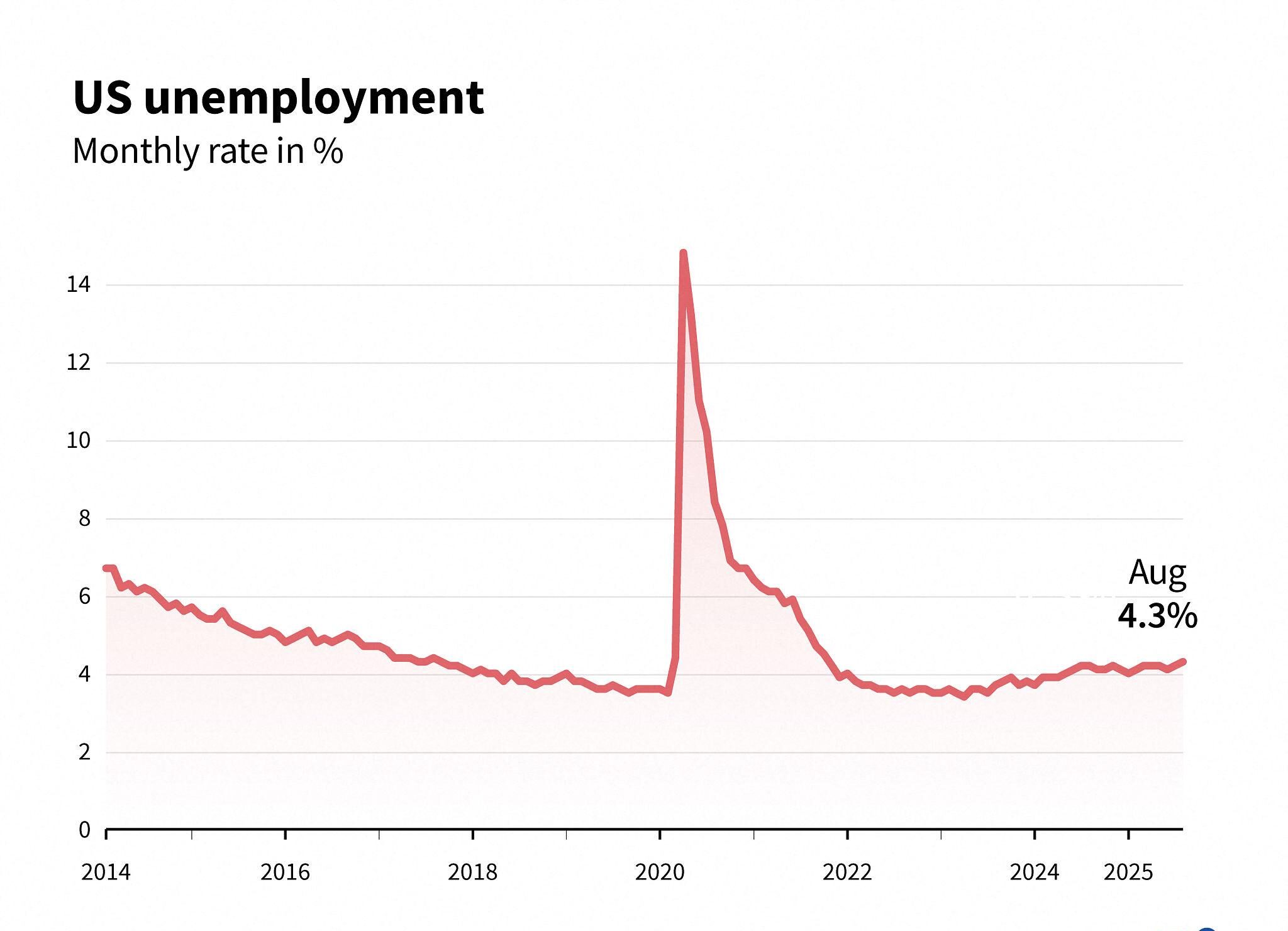
Several industries contributed to the softer employment conditions reflected in the US job market February data.
Technology companies were among the most visible sectors adjusting their workforce strategies. After years of rapid expansion fueled by digital transformation and pandemic era demand, many technology firms are now focusing on efficiency and cost management.
Retail businesses also slowed hiring during the month as consumer spending patterns continue to shift. Rising prices and cautious household budgets have encouraged some retailers to reduce staffing plans while focusing on operational efficiency.
Transportation and logistics companies have similarly reduced hiring momentum as supply chains stabilize following the unusually strong demand experienced during earlier recovery periods.
Together these sector changes helped shape the overall picture presented in the US job market February employment figures.
Economic Pressures Affecting Hiring Decisions
Multiple economic forces are influencing how companies approach hiring decisions in 2026.
Higher borrowing costs remain one of the most significant factors. Businesses that depend on financing for expansion projects are facing increased interest expenses, which can discourage aggressive hiring.
Global economic uncertainty is also playing a role. Trade tensions, fluctuating energy markets, and geopolitical developments create uncertainty that makes long term planning more difficult for corporate leaders.
The US job market February data therefore reflects not only domestic economic conditions but also the influence of international economic trends.
A senior economist at a major financial institution explained the situation clearly.
“Businesses are becoming more cautious because the economic outlook contains several unknown factors. Hiring decisions often slow when companies want to protect profitability and reduce risk.”
Impact on Workers and Households
Employment changes can directly affect the financial stability of millions of American families.
When hiring slows, workers may face fewer opportunities for career advancement or wage growth. The US job market February conditions highlight the importance of economic stability for household planning including housing costs, healthcare coverage, and long term savings.
However the labor market still contains areas of strong demand. Healthcare, infrastructure development, and energy projects continue to generate employment opportunities across many states.
Workforce training programs and educational initiatives may help workers transition into sectors that remain strong even as other industries adjust their hiring strategies.
Regional Differences Across the Country
National employment figures often mask important regional variations.
The US job market February conditions appear different depending on the economic structure of individual states and cities. Manufacturing focused regions have maintained relatively stable hiring levels as domestic production investment continues to grow.
Energy producing states have also seen steady employment demand driven by infrastructure development and resource exploration.
In contrast, technology centered metropolitan areas have experienced more noticeable workforce adjustments as companies reorganize their operations.
These regional differences demonstrate that the US job market February data reflects a diverse and complex economic environment rather than a single nationwide trend.
Financial Markets React to Labor Market Changes
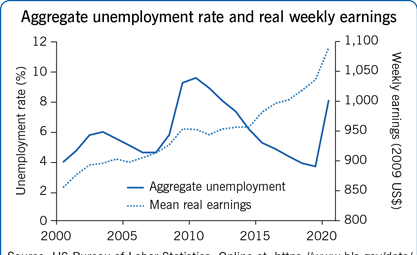
Investors pay close attention to employment trends because they can influence financial market performance.
Stock market participants often interpret hiring slowdowns as potential signals that consumer spending may weaken in the future. Since consumer spending drives a large portion of the American economy, employment data becomes a key factor in market expectations.
Bond markets may react differently because slower economic growth can increase the likelihood that interest rates will stabilize or decline.
The US job market February figures therefore influenced discussions across financial institutions as analysts reassessed economic forecasts for the remainder of the year.
A market strategist summarized the impact by noting:
“Labor market trends are one of the most powerful indicators for investors because employment conditions shape both consumer confidence and corporate revenue expectations.”
Historical Perspective on Labor Market Shifts
Throughout American economic history the labor market has frequently provided early signals of broader economic changes.
The US job market February developments are not unprecedented. During past economic cycles similar hiring slowdowns have occurred as businesses adjusted to changing financial conditions or shifts in consumer demand.
For example labor markets weakened temporarily during periods of rising interest rates in the late twentieth century as companies reassessed expansion plans. In many cases the employment slowdown proved temporary before growth resumed.
Understanding these historical patterns helps economists evaluate whether the current US job market February conditions represent a short term adjustment or a more lasting economic shift.
Federal Reserve Watching Employment Closely
The Federal Reserve carefully analyzes employment trends when evaluating national economic policy.
The US job market February developments add new information to the central bank’s ongoing effort to balance inflation control with sustainable economic growth.
If hiring slows significantly policymakers may face pressure to reconsider interest rate strategies designed to manage inflation. However if inflation remains elevated the Federal Reserve may continue maintaining tighter financial conditions.
This delicate balance highlights why employment data remains one of the most closely studied economic indicators in the United States.
What Businesses Are Preparing For
Corporate leaders across many industries are adjusting their strategies in response to evolving economic signals.
The US job market February conditions have encouraged many companies to reassess hiring plans and operational budgets. Some organizations are focusing on productivity improvements through automation and technology investment.
Others are strengthening employee retention strategies to maintain skilled workers during uncertain economic conditions.
Business planning often becomes more cautious when employment growth slows because companies want to preserve financial flexibility while preparing for possible economic fluctuations.
The Next Signals Economists Will Watch
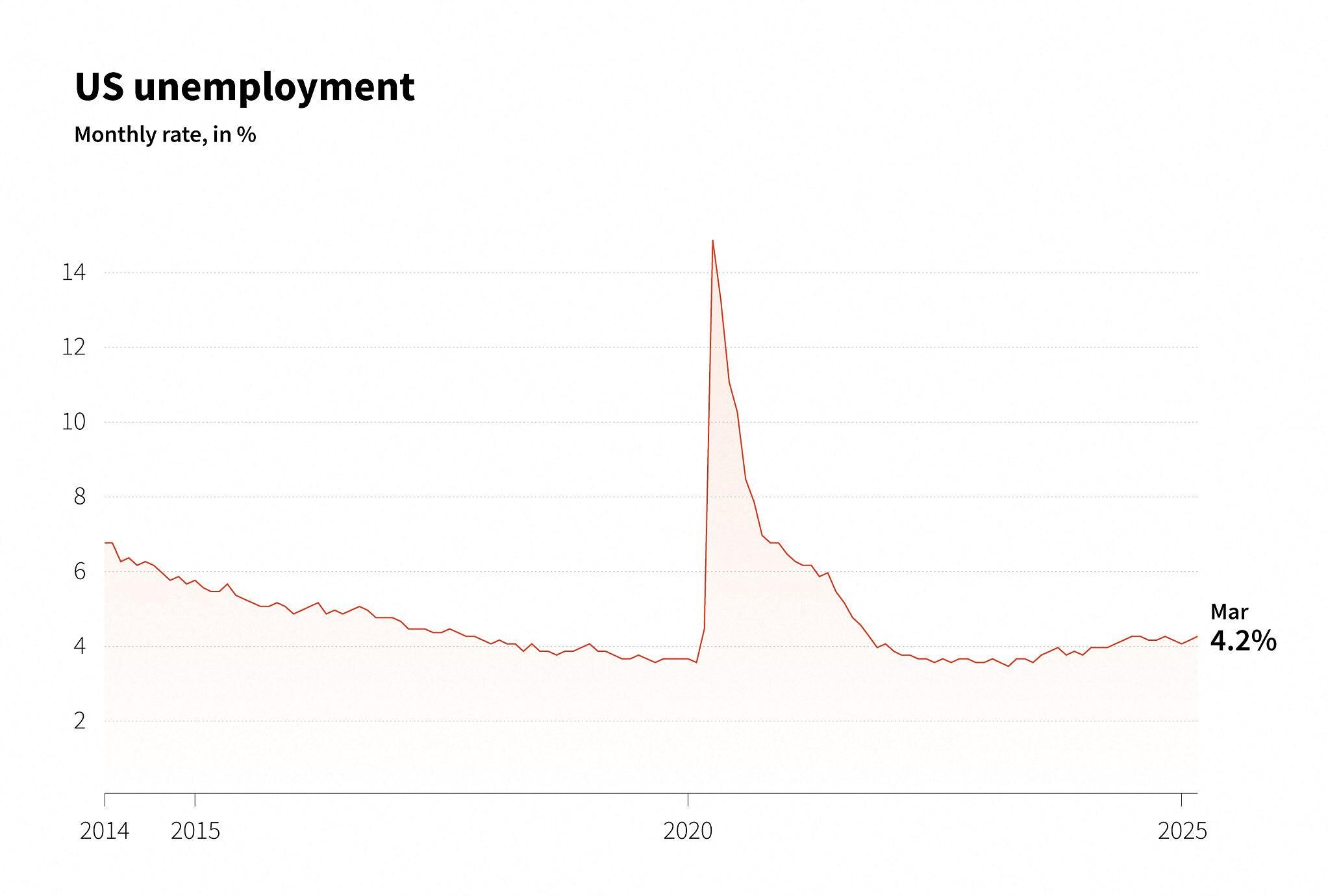
Economists will closely monitor several indicators in the coming months to determine whether labor market momentum stabilizes.
Future employment trends, wage growth data, and labor participation rates will all provide additional insight into the trajectory of the American workforce.
The US job market February figures represent one moment in an evolving economic landscape. Analysts emphasize that longer term patterns are more important than any single month of data.
As additional economic indicators become available economists will be better able to determine whether the February slowdown reflects a temporary adjustment or a more significant shift in hiring behavior.
A Labor Market Moment That Could Shape 2026
The US job market February developments have become one of the most widely discussed economic topics of early 2026 because employment trends influence nearly every part of the national economy.
From consumer spending and housing demand to financial markets and government policy, labor market conditions play a critical role in shaping economic expectations.
While uncertainty remains about the long term implications, the February employment shift serves as a reminder that economic conditions can evolve quickly.
For workers, businesses, and policymakers alike, understanding these changes will be essential as the United States navigates the economic challenges and opportunities of the coming year.