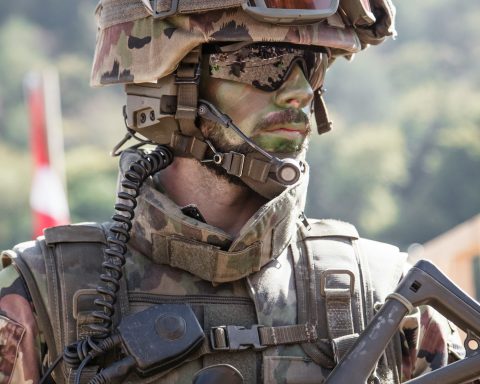
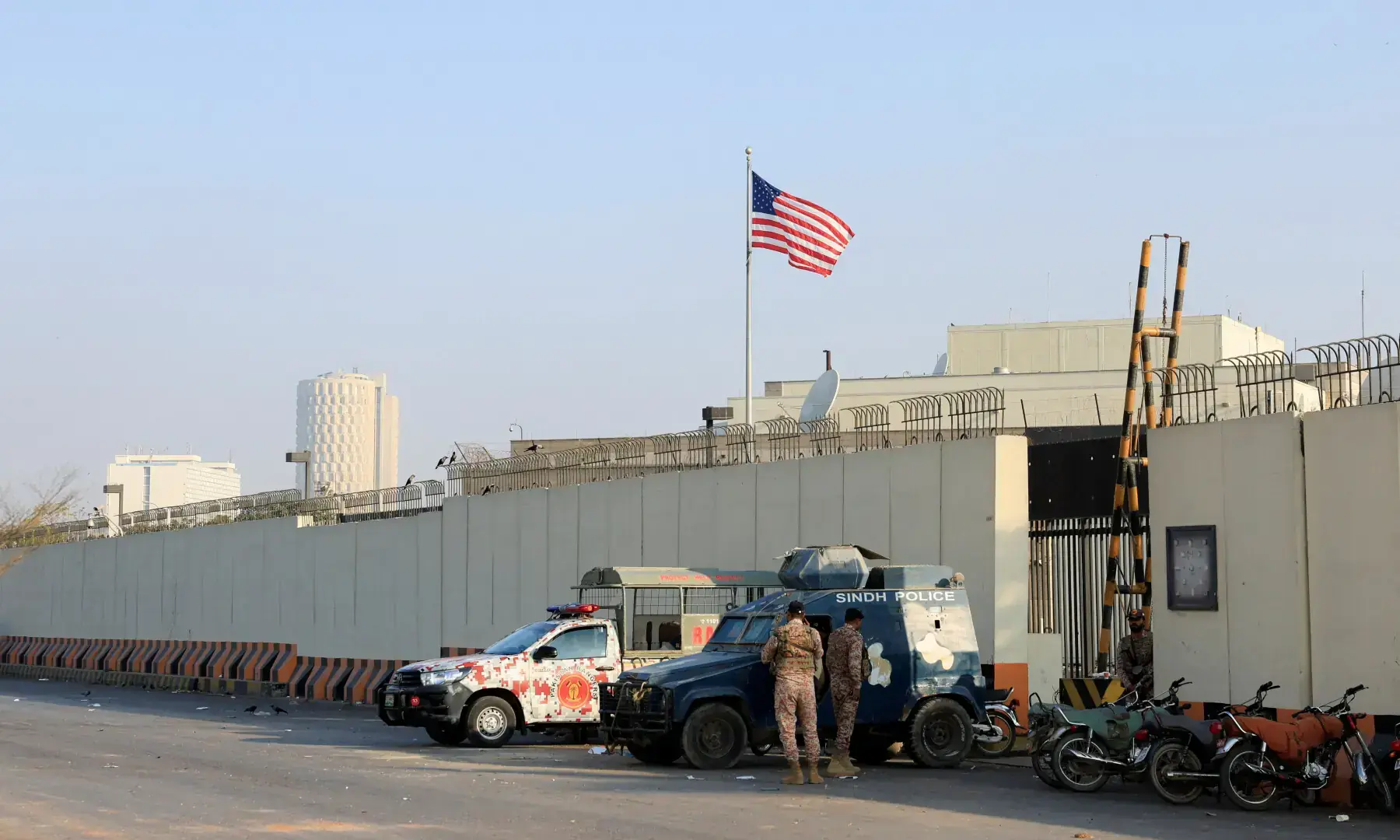
Washington — March 7, 2026 — Parliament News — The US evacuation Middle East crisis intensified as American officials scrambled to organize emergency departures for diplomats, military families, and civilians across several high risk areas in the region. The move came after intelligence warnings suggested escalating tensions could place American personnel in danger as Iran’s retaliation began and regional instability grew.
U.S. officials quickly activated contingency plans designed to protect embassy staff and American citizens. Diplomatic missions were instructed to review evacuation procedures while military commanders increased security at bases throughout the region. The situation developed rapidly as Washington coordinated with allied governments to identify safe routes and staging locations for possible departures.
Security analysts say the US evacuation Middle East crisis reflects deep concern inside the U.S. government that the confrontation could expand beyond limited military exchanges.
Emergency Evacuation Planning Begins
Once the US evacuation Middle East crisis emerged, American diplomatic and defense officials began implementing emergency planning procedures that had been prepared months earlier. These plans allow government agencies to move quickly when threats escalate unexpectedly.
Embassies in several countries began reviewing staffing levels and identifying non essential personnel who could be relocated first. At the same time, military aircraft were placed on standby to support evacuation operations if conditions deteriorated further.
Officials stressed that such preparations are often precautionary. However, the speed of the response highlights how seriously the US evacuation Middle East crisis is being treated by policymakers in Washington.
Security Alerts Issued Across the Region
Embassies and consulates responded to the US evacuation Middle East crisis by issuing security advisories to American citizens. Travelers and expatriates were encouraged to remain alert, avoid large gatherings, and monitor official updates from diplomatic missions.
Security teams also strengthened protective measures around diplomatic facilities. These included increased patrols, stricter access controls, and coordination with local authorities to ensure rapid response capabilities.
The goal of these precautions is to reduce potential risks while allowing diplomats to continue essential operations during the US evacuation Middle East crisis.
Military Forces Increase Readiness
U.S. military bases across the Middle East also reacted to the US evacuation Middle East crisis by raising their alert levels. Commanders reviewed defensive measures and evacuation protocols for civilian contractors and military families.
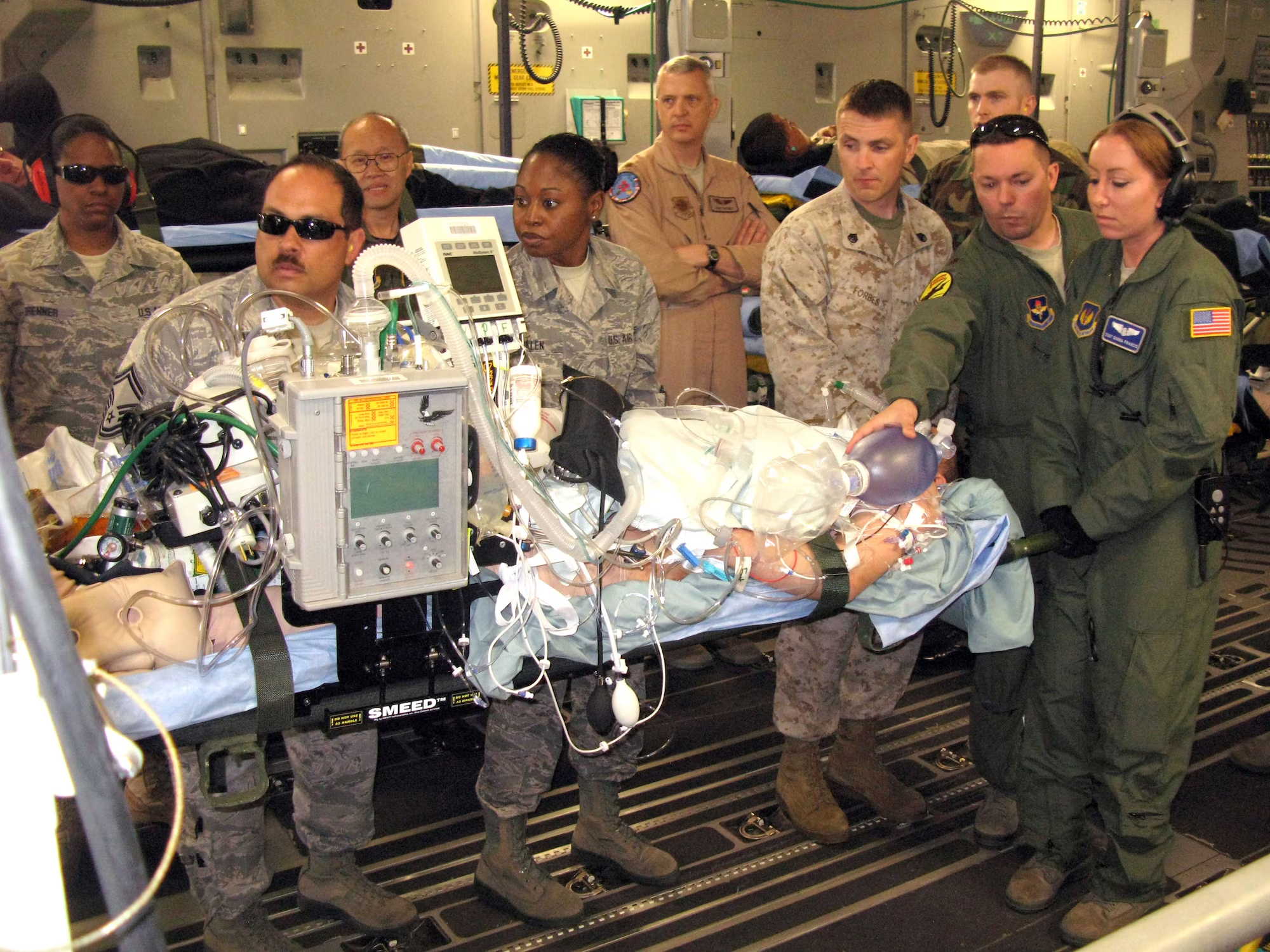
Transport aircraft and naval vessels were placed in position to support evacuation missions if required. Defense officials emphasized that protecting civilians while maintaining operational readiness remains a top priority.
The US evacuation Middle East crisis has therefore prompted a coordinated response involving both diplomatic and military resources.
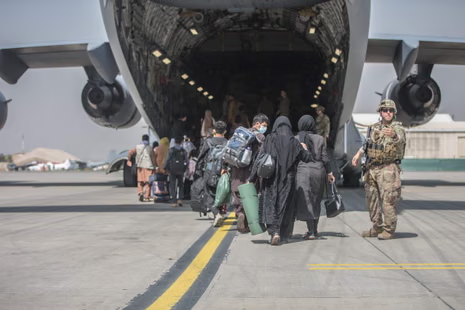
Economic and Energy Markets Respond
Global markets reacted cautiously as the US evacuation Middle East crisis unfolded. Investors closely monitored developments in the region, particularly the potential impact on energy supply routes and oil production.
Oil prices experienced fluctuations as traders assessed the possibility of disruptions in shipping lanes or energy infrastructure. Analysts noted that geopolitical tensions in the Middle East often create ripple effects across international markets.
While the long term economic impact remains uncertain, the US evacuation Middle East crisis has already added new volatility to global financial conditions.
Historical Comparison With Past Crises
The US evacuation Middle East crisis bears similarities to earlier geopolitical emergencies when governments rushed to relocate civilians during periods of escalating conflict. During the Gulf War in the early 1990s, for example, several countries conducted rapid evacuations of diplomats and foreign nationals as tensions grew in the region.
More recently, evacuation operations were carried out during conflicts in Afghanistan and parts of North Africa when security conditions deteriorated quickly. Those events demonstrated how governments must act rapidly to protect personnel when intelligence signals rising risks.
These historical examples help explain why officials responded so quickly during the US evacuation Middle East crisis, choosing preparation over delay.
Quote From a Security Official
A senior official involved in emergency planning said the situation remains fluid but manageable.
“The priority during the US evacuation Middle East crisis is protecting American lives while maintaining diplomatic and military stability,” the official said. “Preparedness ensures we can respond immediately if threats escalate.”
The statement reflects the broader strategy guiding U.S. decision making during the crisis.
The Moment That Could Shape Regional Stability
The US evacuation Middle East crisis may ultimately prove to be a turning point for regional stability depending on how events unfold in the coming days. Diplomatic efforts continue behind the scenes as international leaders attempt to reduce tensions and avoid a wider conflict.
For now, governments are preparing for multiple scenarios while monitoring developments closely. Evacuation planning remains a precautionary measure, but it underscores the seriousness of the situation.
As policymakers balance military readiness with diplomatic engagement, the outcome of the US evacuation Middle East crisis will likely influence the security landscape of the Middle East for years to come.