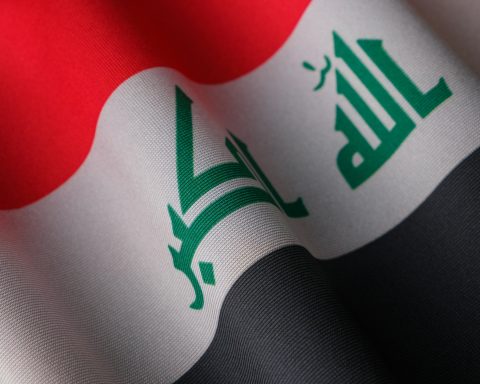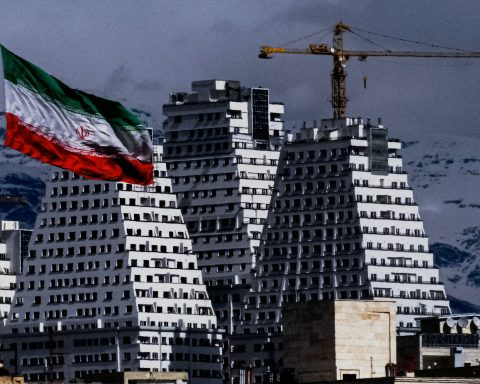

TEHRAN, IRAN — March 8, 2026 — Parliament News — Iran oil infrastructure damage has become a major international concern after reports that several energy facilities were affected during recent military activity in the region. Analysts say attacks targeting refineries, storage tanks, or pipelines can produce consequences that extend far beyond immediate military objectives.
Iran maintains one of the largest oil production networks in the Middle East, and its refineries and export facilities play a critical role in both regional and global energy markets. When damage occurs at these installations, it can affect not only energy supply but also environmental conditions for surrounding communities.
Reports of Iran oil infrastructure damage have therefore attracted global attention from energy analysts, environmental organizations, and international governments monitoring the situation. Experts warn that even limited damage to oil facilities can trigger fires, chemical leaks, or oil spills that create long term environmental risks.
Environmental Risks From Industrial Fires
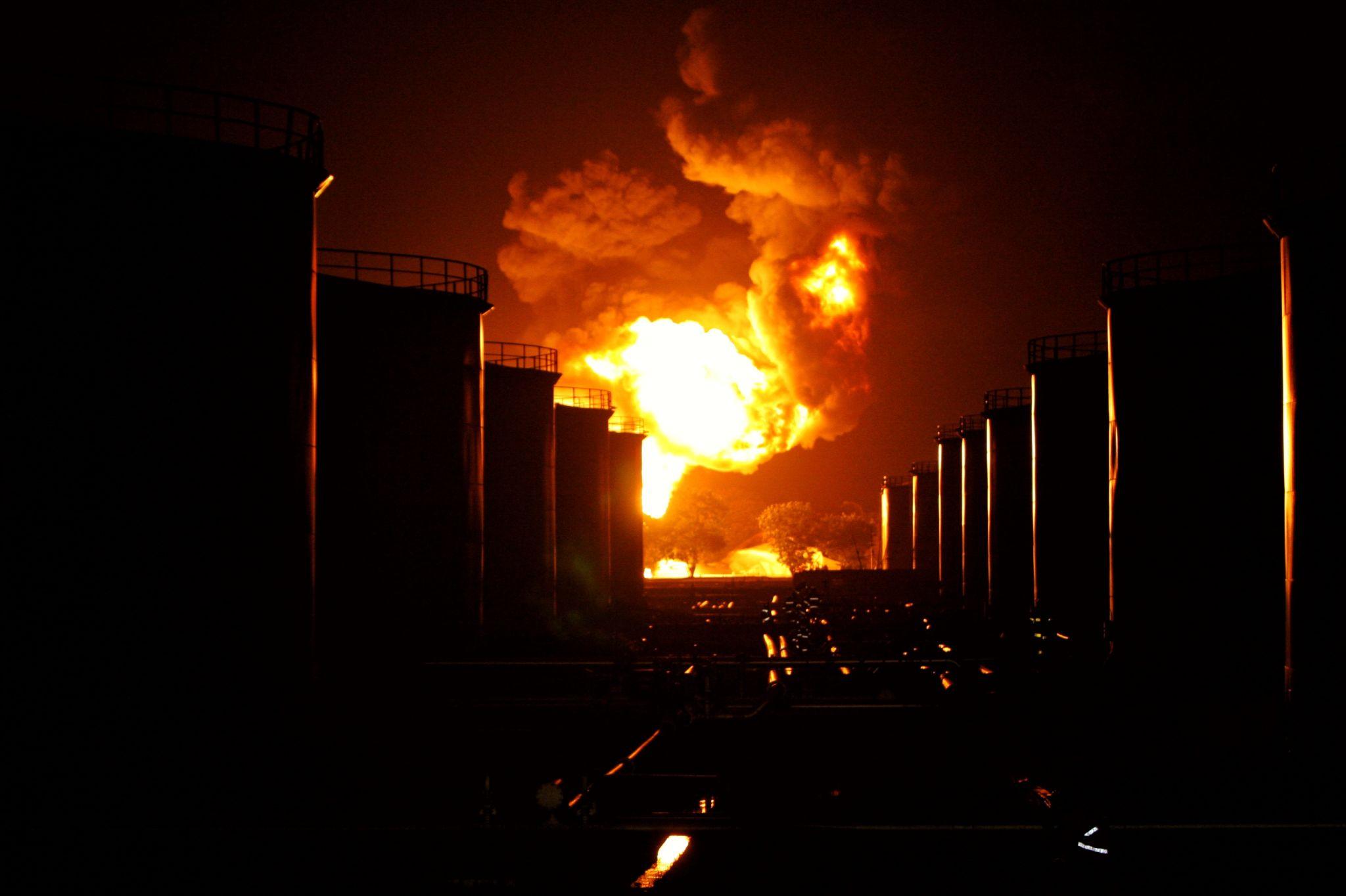
Environmental specialists say Iran oil infrastructure damage can quickly become a pollution crisis if fires break out at large oil storage facilities or refineries. These industrial complexes contain massive quantities of crude oil, refined fuels, and chemical byproducts that can release hazardous pollutants when burned.
Smoke from refinery fires often contains dangerous particles and gases that may travel hundreds of kilometers depending on wind patterns. Such pollution can reduce air quality and potentially affect nearby cities or neighboring countries.
In addition to air pollution, Iran oil infrastructure damage may also threaten water resources. Oil leaks or chemical spills could contaminate nearby soil and groundwater systems, making cleanup extremely difficult and expensive.
Environmental researchers warn that damage to large energy facilities can sometimes take years to fully repair, particularly when pollution spreads across ecosystems.
Public Health Impact on Local Communities
Medical experts say Iran oil infrastructure damage could also create public health challenges if toxic smoke or chemical leaks spread near populated areas. Airborne pollutants from burning oil may cause respiratory problems, eye irritation, and other health issues.
Children, elderly individuals, and people with preexisting health conditions may be especially vulnerable to air pollution from refinery fires. Hospitals in nearby regions may experience increased demand for medical services if pollution levels rise.
Authorities may also need to monitor drinking water supplies in areas near damaged oil facilities. If industrial chemicals enter water systems, long term health risks could emerge for residents who rely on those sources.
These concerns highlight how Iran oil infrastructure damage can affect civilian populations even when the original target is industrial infrastructure.
Global Energy Markets Watching Closely
Energy analysts say Iran oil infrastructure damage could influence global oil prices if the attacks significantly disrupt production or exports. Iran remains a major oil producing nation, and its energy sector plays a role in international supply chains.
When reports emerge about damage to energy infrastructure, financial markets often respond quickly because traders anticipate possible shortages or transportation disruptions.
Even temporary disruptions may affect shipping routes or refinery operations. As a result, global markets are closely watching developments related to Iran oil infrastructure damage to evaluate whether broader supply challenges could emerge.
Historical Comparison Shows Environmental Consequences
The concerns surrounding Iran oil infrastructure damage resemble earlier conflicts where energy facilities became targets during military operations. In past wars in the Middle East, attacks on oil fields and refineries led to massive fires that burned for weeks and released huge amounts of smoke into the atmosphere.
One well known historical example involved oil fields that were intentionally set on fire during regional warfare, creating thick black clouds that spread across multiple countries. Environmental scientists later documented serious air pollution and long lasting ecological damage caused by those fires.
These historical experiences demonstrate how attacks on energy infrastructure can produce environmental disasters that persist long after military conflicts end.
Experts Urge Protection of Energy Facilities
Environmental organizations say the risks associated with Iran oil infrastructure damage highlight the need for stronger protections for industrial facilities during armed conflicts. Oil refineries and storage facilities contain materials that can cause severe environmental harm if destroyed.
One environmental policy analyst summarized the concern by saying,
“When oil infrastructure becomes a battlefield target, the environmental damage can affect entire regions for years.”
Experts argue that protecting such facilities is essential not only for economic stability but also for safeguarding public health and ecosystems.
A Crisis Beyond the Battlefield
The growing reports of Iran oil infrastructure damage illustrate how modern conflicts can create consequences far beyond the immediate battlefield. Environmental pollution, economic disruption, and public health risks can all emerge when large industrial facilities are damaged.
As governments continue to monitor developments in the region, the situation highlights the importance of balancing military strategy with environmental protection.
The events also serve as a reminder that protecting critical energy infrastructure is vital for both regional stability and the wellbeing of communities that live near these facilities.