London, United Kingdom — March 5, 2026. The UK Iran military response has become a major topic of international discussion as tensions in the Middle East continue to escalate. Governments across Europe, North America, and the Middle East are closely examining how Britain is positioning itself within a growing coalition responding to Iranian military activity and regional instability.
According to diplomatic officials speaking to Parliament News, the United Kingdom is balancing military preparedness with diplomatic engagement as global allies attempt to prevent the conflict from expanding into a wider regional war.
• Britain faces growing pressure from allies regarding its role in Middle East security.
• Military planners emphasize readiness while diplomats pursue de escalation.
• The evolving crisis may redefine Western security cooperation.
The unfolding debate surrounding the UK Iran military response reflects broader questions about strategic alliances, military readiness, and Britain’s evolving role in international security.
Rising Tensions Across the Middle East
The Middle East has entered a period of heightened instability in 2026. Air strikes, cyber attacks, and naval deployments have increased significantly as regional powers and Western allies attempt to protect strategic interests.
International attention intensified after a series of military exchanges triggered fears of a wider conflict. Shipping routes near critical energy corridors have become areas of particular concern, prompting increased naval patrols by Western forces.
In this context, the UK Iran military response has drawn global attention because Britain has historically played a central role in coalition security operations. Observers expect the United Kingdom to provide leadership alongside the United States and NATO partners when regional crises emerge.
Diplomats note that Britain’s approach reflects a careful balance between deterrence and diplomacy. Officials say maintaining stability in the region requires both visible military readiness and continued negotiation with international partners.

Britain’s Strategic Position in Western Alliances
For decades the United Kingdom has been one of the most influential military partners within NATO and Western security alliances. British intelligence agencies, naval forces, and air capabilities are widely respected among defense planners.
Because of this reputation, analysts say the UK Iran military response carries symbolic as well as strategic significance. Britain’s actions often signal the level of unity among Western allies.
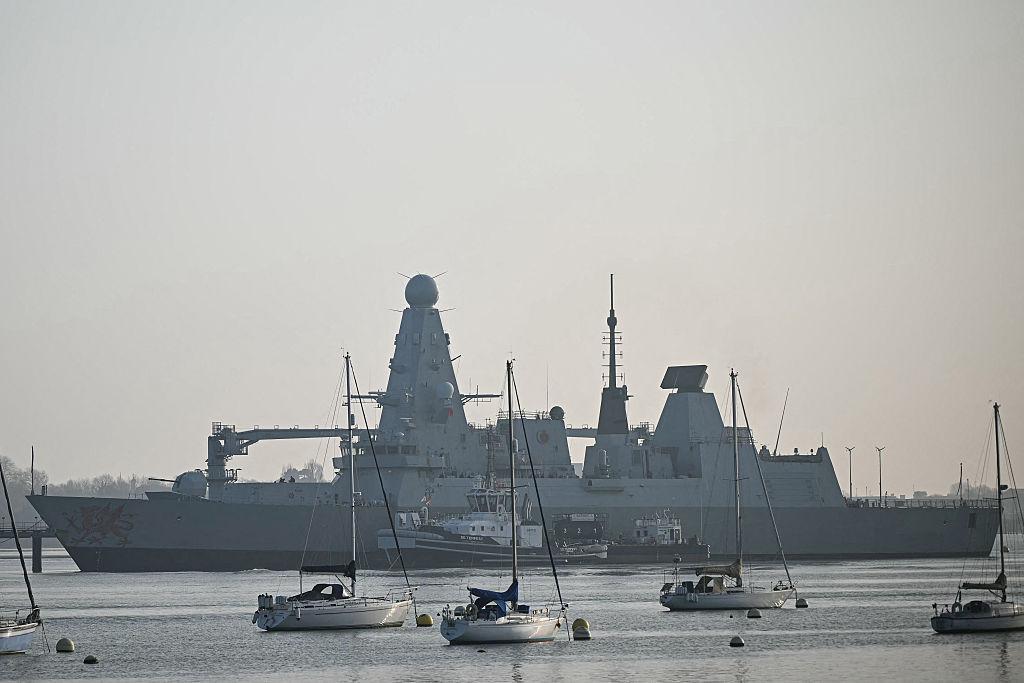
The Royal Navy maintains a global operational presence, including deployments near important maritime corridors that connect the Persian Gulf with international shipping routes. British aircraft and intelligence assets also play critical roles in monitoring potential threats in the region.
One senior European diplomat explained the importance of Britain’s involvement.
“Britain has historically been one of the pillars of NATO’s security structure,”
the diplomat said.
“When London moves, the rest of the alliance pays attention.”
This long standing role helps explain why the UK Iran military response is receiving such close scrutiny from international observers.
Political Debate Inside the United Kingdom
The growing crisis has sparked discussion within British political circles about the appropriate level of involvement.
Members of Parliament from several political parties have called for detailed explanations regarding Britain’s strategy in the Middle East. Lawmakers have asked defense officials to clarify how military readiness aligns with diplomatic goals.
Some politicians argue that the UK Iran military response must remain firm in order to demonstrate support for allies and deter further escalation.
Others caution that entering a wider conflict could carry significant consequences. Many British voters remain wary of large scale overseas military commitments following the lengthy wars in Iraq and Afghanistan.
A defense policy expert speaking to Parliament News summarized the political challenge.
“Governments today must balance international obligations with domestic expectations,”
the analyst said.
“The public wants security, but it also wants careful decision making.”
These competing pressures have shaped how the British government communicates its strategy during the crisis.
Military Readiness Under the Spotlight
Beyond political debates, the crisis has renewed attention on Britain’s military readiness. Analysts have been examining the size, structure, and capabilities of the armed forces.
Over the past decade the United Kingdom has focused on modernization rather than maintaining large troop numbers. Investments in cyber warfare, intelligence systems, and advanced aircraft have transformed the structure of the military.
Supporters of this strategy argue that modern conflicts rely heavily on technology and rapid coordination between allied forces.
Critics, however, question whether the current force structure provides sufficient capacity for sustained operations abroad.
These discussions have become part of the wider debate surrounding the UK Iran military response as defense experts analyze how Britain might contribute to coalition operations if the crisis intensifies.
Global Allies Monitoring Britain’s Strategy
International governments are watching developments closely. Diplomatic communications between NATO members have increased as leaders attempt to coordinate their responses.
Allied nations depend on cooperation and trust when responding to international security threats. Britain’s strategic position means its actions often influence how coalition partners respond.
One senior security official told Parliament News that unity remains the primary goal.
“The most important factor right now is coordination,”
the official said.
“Every allied government is communicating constantly to ensure that any response is aligned and responsible.”
Within this framework the UK Iran military response represents both a national decision and a signal to the broader alliance.
Economic and Energy Implications
The crisis has significant economic implications beyond military strategy. Iran sits near some of the most critical energy transportation routes in the world.
Disruptions to shipping lanes could impact global oil and natural gas supplies. Financial markets have already shown sensitivity to developments in the region, with energy prices reacting to news of military movements.
Britain’s participation in maritime security operations forms a key component of the UK Iran military response. Naval patrols help safeguard commercial shipping and deter attacks that could threaten international trade.
Energy security remains a central concern for governments around the world. Ensuring stable access to fuel supplies is often closely tied to military planning in the region.
Diplomatic Efforts to Prevent Escalation
While military readiness is essential, diplomatic channels remain active as governments search for solutions that could reduce tensions.
British diplomats continue to work alongside European partners and international organizations to encourage dialogue between the parties involved.
Diplomatic negotiations are often slow and complex, particularly when multiple regional and global powers are involved. However, officials say diplomacy remains the best path toward long term stability.
The UK Iran military response therefore includes both visible security measures and behind the scenes diplomatic engagement aimed at preventing a wider war.

Historical Background of Britain and Middle East Security
Britain’s involvement in Middle Eastern security affairs has deep historical roots.
During the twentieth century the United Kingdom maintained extensive political and military influence across the region. British forces were involved in numerous operations designed to protect trade routes and maintain regional stability.
More recently Britain played key roles in international coalitions during the Gulf War in 1991 and in Afghanistan following the September 11 attacks.
These historical precedents provide important context for understanding the expectations surrounding the UK Iran military response today.
Allies remember Britain’s rapid mobilization during earlier conflicts. Those examples continue to shape perceptions of Britain’s role in international security.
Security Challenges in the Modern Era
The geopolitical environment of the twenty first century differs significantly from earlier decades. Modern conflicts involve a complex mix of military, cyber, economic, and informational tactics.
Governments must consider not only traditional battlefield strategies but also digital infrastructure security, supply chain stability, and economic sanctions.
This evolving landscape influences how military responses are structured. The UK Iran military response reflects these changes by combining naval patrols, intelligence monitoring, and diplomatic engagement rather than relying solely on traditional troop deployments.
Defense planners increasingly emphasize rapid coordination among allied nations. Modern security challenges require integrated responses that involve multiple branches of government and international cooperation.
How NATO Strategy Could Evolve
The current crisis may shape NATO strategy for years to come. Alliance members are already discussing how future security challenges might require new forms of cooperation.
Military exercises have increasingly focused on rapid deployment and advanced technology. Cyber defense capabilities and intelligence sharing are also becoming central components of alliance planning.
Britain’s participation remains critical to these efforts. As one of NATO’s largest military contributors, the United Kingdom helps coordinate operations across multiple regions.
The UK Iran military response may therefore influence how NATO adapts to emerging security threats in the coming decade.
A Defining Moment for British Global Leadership
As tensions continue to evolve, the United Kingdom faces an important moment in defining its global leadership role.
Britain remains a key diplomatic voice in international negotiations and a significant contributor to global security. Maintaining that position requires balancing military readiness with careful diplomacy.
The debate surrounding the UK Iran military response highlights the challenges modern governments face when responding to rapidly changing geopolitical situations.
Allies, analysts, and policymakers will continue to watch closely as events unfold.

Strategic Choices for the United Kingdom
The coming months may determine how Britain’s strategy develops. Decisions made during this period could influence both regional stability and long term alliance relationships.
Military planners will continue to evaluate security conditions while diplomats pursue opportunities for negotiation. Governments across the world hope that tensions can be reduced before the situation escalates further.
For Britain, the choices ahead will shape how its global role is perceived in the years to come.
The UK Iran military response represents more than a single policy decision. It reflects the broader challenge of navigating an increasingly complex international security environment while maintaining the trust of allies and the support of the public.