
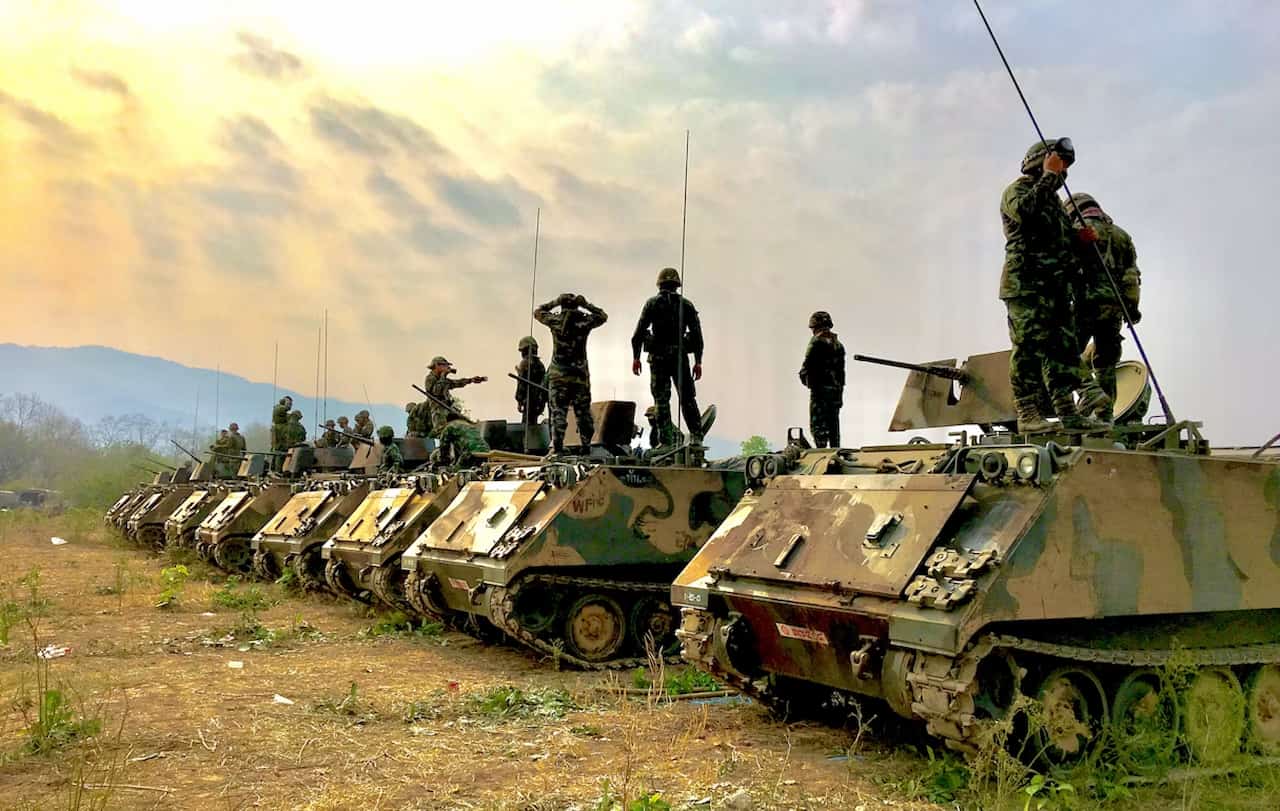
TEL AVIV/BEIRUT, June 24 (Parliament Politics Magazine) – Talks are currently underway in Washington between Israel and Lebanon regarding a U.S.-backed proposal to transfer portions of southern territory occupied during the conflict to the Lebanese Armed Forces.
The discussions, which commenced on June 23, 2026, represent a diplomatic effort to establish a framework for Israeli withdrawal while ensuring the long-term security of northern Israeli communities.
Terms of the Proposed Pilot Project
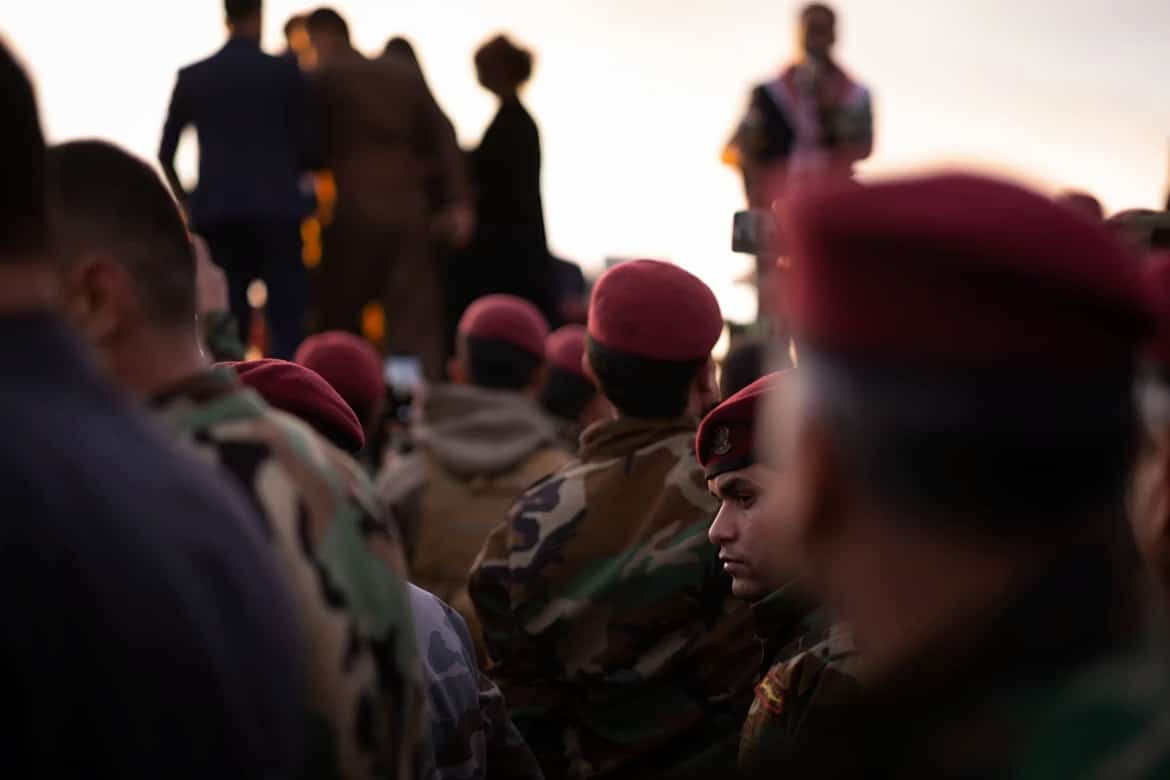
The proposal outlines a pilot program that would see the Lebanese military assume control of specific zones in southern Lebanon. According to Israeli officials, soldiers designated for these areas would undergo rigorous training and vetting by the United States to ensure no operational or familial affiliations with Hezbollah.
Israel, meanwhile, plans to maintain a military presence within a separate buffer zone along the border. This dual-layered security approach aims to prevent the resurgence of armed groups while facilitating the restoration of Lebanese sovereignty.
A senior Lebanese security official confirmed that discussions were ongoing and scheduled to include specific military-to-military meetings to address the logistics of the pilot zones.
“The discussions would focus on a timeline for withdrawal and that any plan would emerge only after the final day of talks on Thursday,” the official stated.
Challenges to the Diplomatic Framework
The diplomatic initiative faces significant internal and external hurdles, most notably the formal rejection of the plan by Hezbollah. The group remains opposed to any framework that restricts its influence or requires the handover of territory to state institutions.
The negotiations are further complicated by the broader geopolitical context of U.S.-Iran relations. The regional ceasefire, which has largely held since Sunday, remains a delicate balance between the desire for territorial restoration and Israel’s requirement for active enforcement to prevent rearmament.
The Lebanese government is navigating a difficult path as it attempts to assert control over its borders. Officials in Beirut have expressed concern over the extent to which their sovereign future has been discussed in separate negotiations between Tehran and Washington.
Mechanisms for Regional Security
To mitigate the risk of Hezbollah regaining influence in the south, the U.S.-backed proposal incorporates several oversight measures. Beyond the vetting of personnel, an international committee led by a U.S. Central Command official and supported by French reinforcements is expected to provide direct supervision of the designated zones.
The structural changes in regional logistics also play a role in the current security environment. The collapse of the Assad regime in Syria has disrupted traditional supply lines, limiting the flow of resources and weaponry from Iran into Lebanon. Domestically, the Lebanese state is attempting to move toward a policy of unified national defense, seeking to revoke the legitimacy previously afforded to militias.
Ongoing Diplomatic Developments
The current round of talks in Washington is scheduled to conclude on Thursday, June 25, 2026. Negotiators are tasked with ironing out the technical monitoring requirements and the specific timeline for a phased withdrawal of Israeli forces.
While the primary focus remains on the territorial transfer, other complex issues have reportedly entered the periphery of these discussions. Reports from Lebanese sources suggest that negotiators have touched upon long-standing mysteries involving missing persons and historical prisoner exchange efforts.
As the deadline for the current talks approaches, the central challenge remains the implementation of a plan that satisfies Israel’s security requirements while allowing the Lebanese government to re-establish control over its southern border regions.